
 Drinking
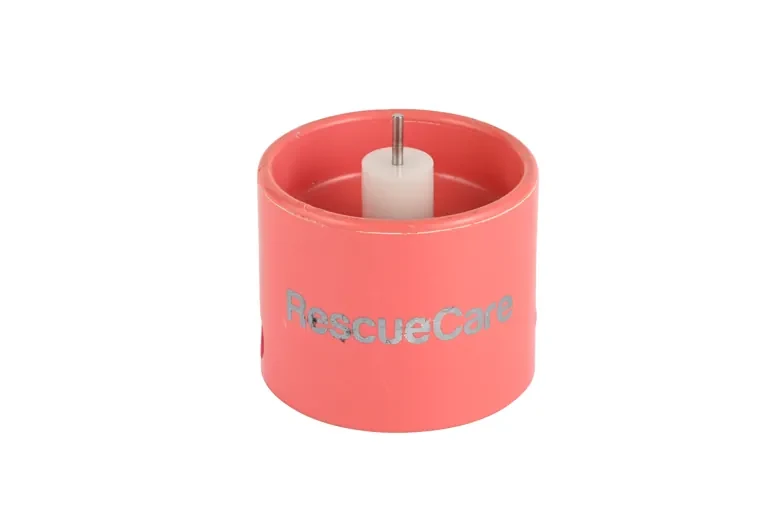
Drinking Cup
Bite-action drinking cup that delivers water only while the animal is drinking, and stays clean between.
Engineering plasticBite valve
Drinking Systems
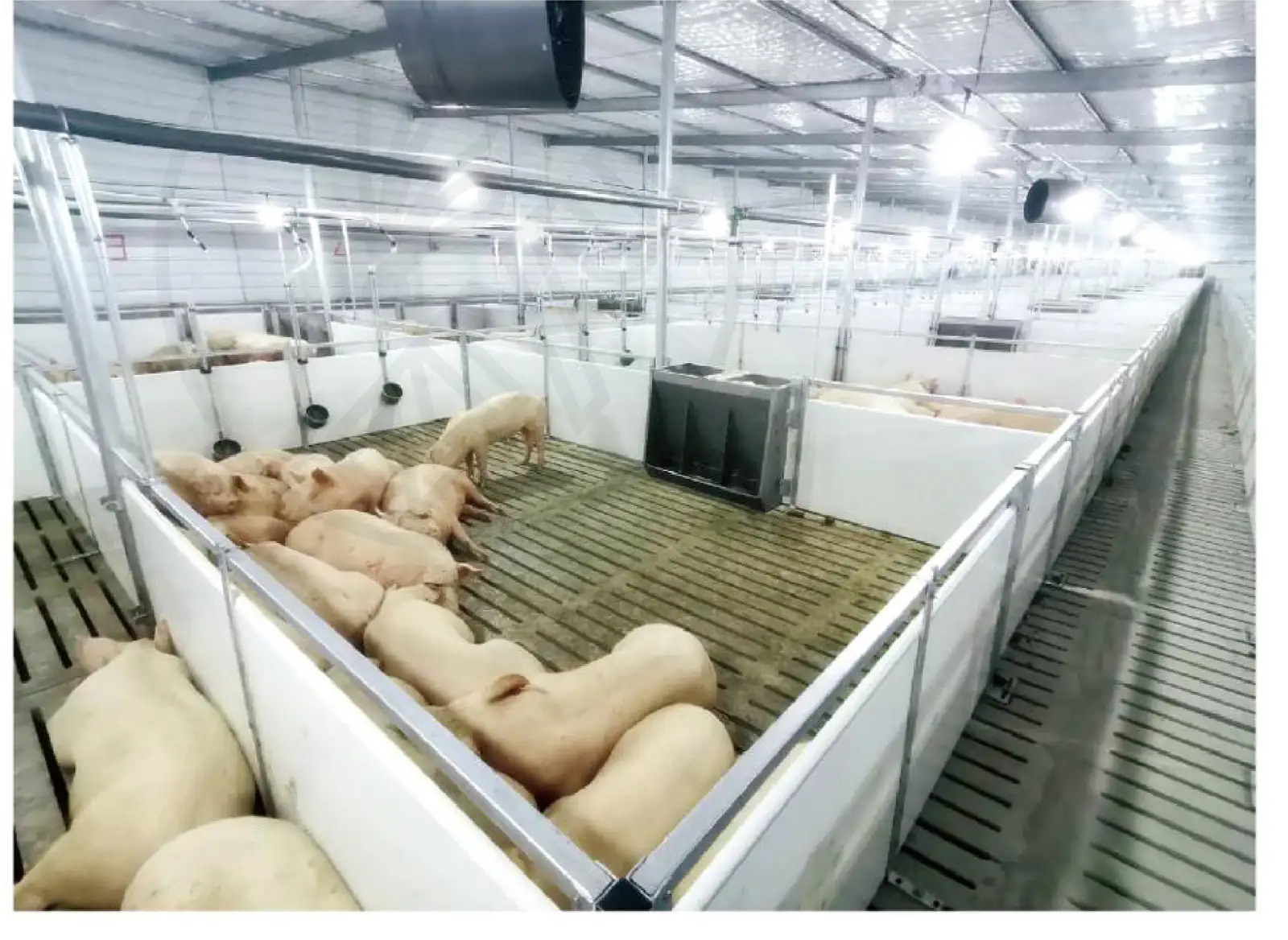
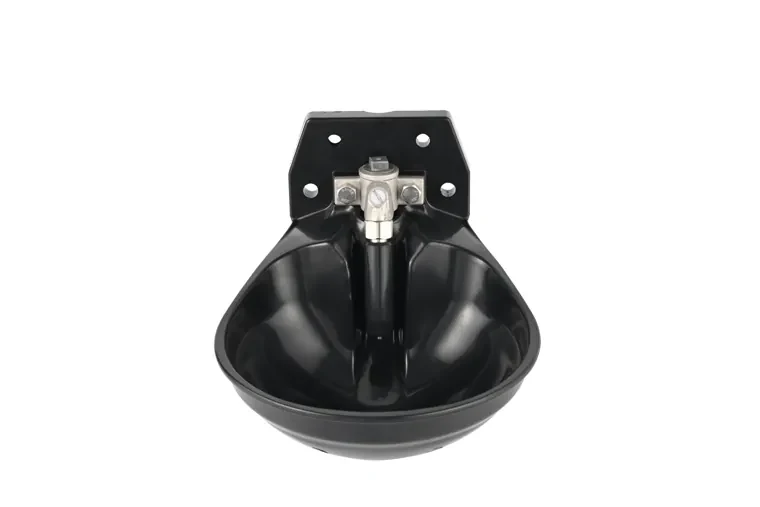
Robust drinker bowl with a float valve, so water is there when the animal wants it and nowhere else.
A nipple line wastes water by design: the animal drinks some and the rest goes through the slat. A bowl with a float valve holds a small reservoir and refills it as it empties, so the pig drinks from standing water and the floor stays drier.
The bowl is built from cast body and stainless components for the wear that a sow gives a drinker, and it works across stages from farrowing through to finishing.
Key benefits
A float valve refills what is drunk instead of running while the animal is at the drinker.
Less spill means less wet slat, which is where wet pens usually start.
Cast and stainless components survive the leaning and biting a drinker gets in a sow pen.
The same bowl serves farrowing through to finishing, so a site carries one spare.
A bowl only refills what is drunk.
Cast and stainless components take the abuse.
Standing water in a bowl is the easiest form for a pig to drink from.
One-factory supply
Flooring, penning, feeding, water and climate are made on the same site, so a room can be specified and shipped as one order.
See the turnkey packageSpecifications
Figures below are taken from the JGM product catalogue. Anything we cannot source from it is marked TBC and confirmed with your quotation rather than estimated.
| Item | Specification |
|---|---|
| Body | Cast, with stainless components |
| Valve | Float valve |
| Stage | All stages, farrowing to finishing |
| Bowl dimensions | TBC confirmed with the quotation |
| Connection | TBC confirm your line size with the enquiry |
| Packing | Quantity |
|---|---|
| Method | Boxed |
| Notes | Carton size and container quantity confirmed with the quotation |
Ask for the full size chart and carton-loading data for your order.
Moulded and machined components, assembled in-house. The Drinking Bowl is assembled from moulded and machined components on our own line. Moulded bodies come off the same presses as the rest of the range; stainless and metal parts are sourced to specification and fitted with the fasteners the assembly drawing calls for, so a replacement part years later still fits.
Comparison
| Alternative | When to choose it instead |
|---|---|
| Drinking Cup | A bite-action cup delivers on demand and suits smaller animals and tighter spaces. |
| Piglet Drinking Cup | For creep and nursery pens, use the low-flow piglet cup. |
| Water Control Valve | Fit a water control valve upstream so bowls receive a regulated pressure. |
Use guide
Mount the bowl at the shoulder height of the animals in the pen.
Set the supply pressure with a control valve rather than throttling at the bowl.
Check float action weekly — a sticking float is the usual cause of a wet pen.
Strip and clean the valve at batch change in hard-water areas.
Answers
Confirm your line size with the enquiry and we will supply the matching fitting; the connection is marked TBC here rather than assuming your installation.
It works best on a regulated supply. Fit a water control valve upstream and tell us the pressure you have available.
It is sized for sows and finishers. Creep and nursery pens use the low-flow piglet cup instead.
The valve assembly is designed to be stripped and cleaned in place, which is the routine job in hard-water areas.
Related products
Drinking
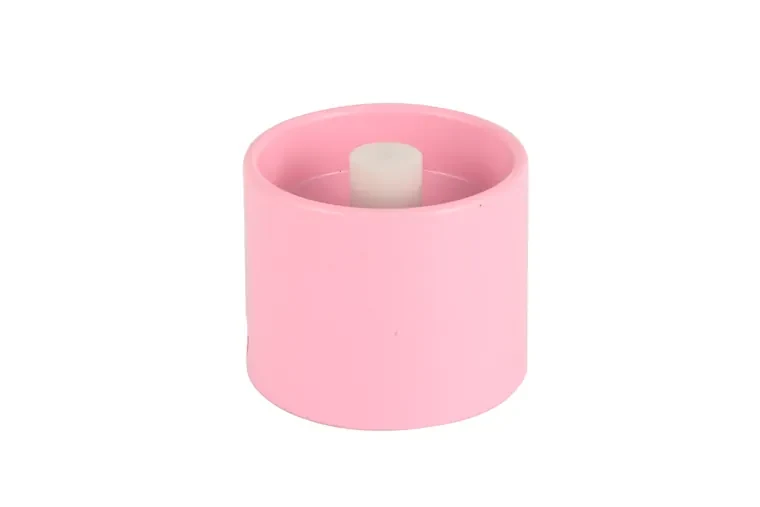
Bite-action drinking cup that delivers water only while the animal is drinking, and stays clean between.
 Drinking
Low-flow piglet cup sized for creep and nursery pens, with a transparent bowl so intake can be seen.
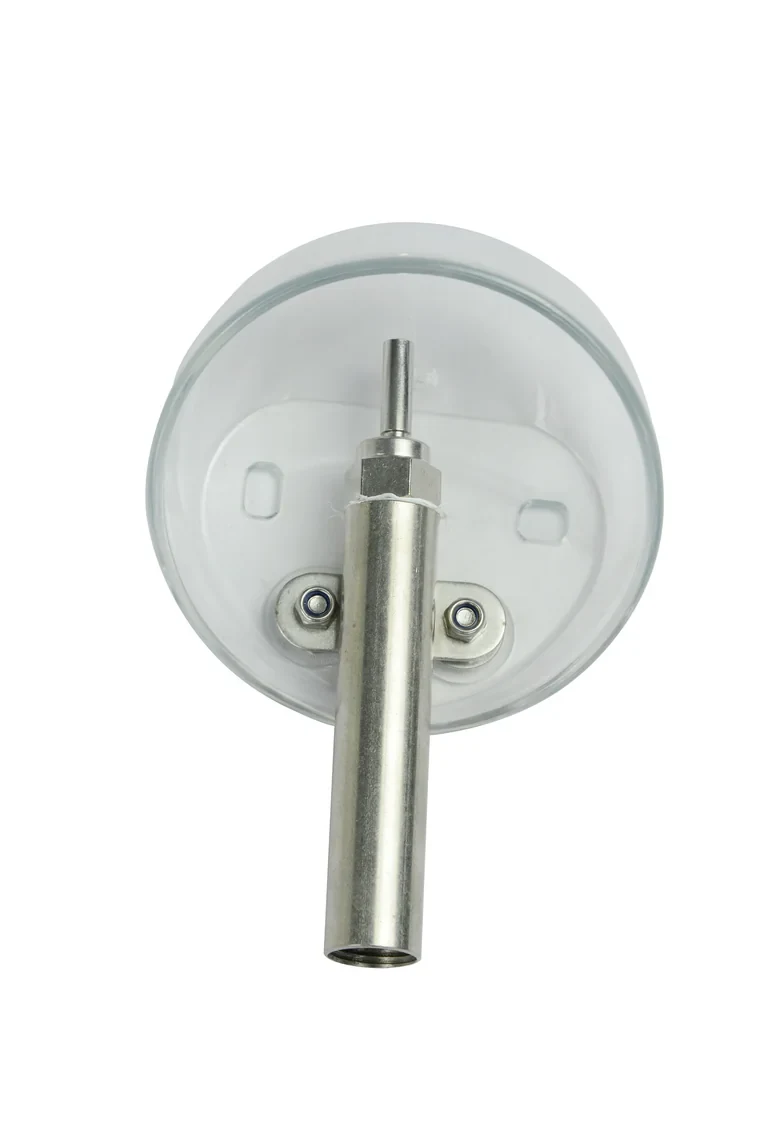 Drinking
Diaphragm water control valve that holds the right pressure to bowls and nipple lines, all day and every day.
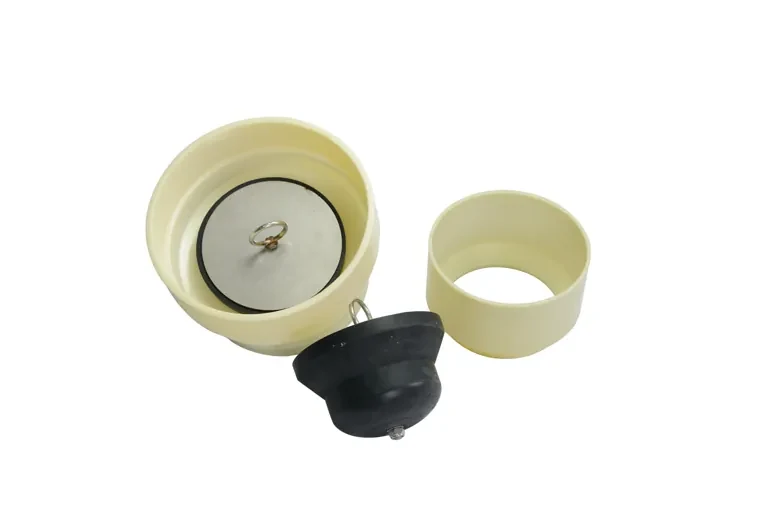 Partitions
Integrated farrowing and weaner penning, engineered around the flooring and feeders that go in the same room.
Related reading
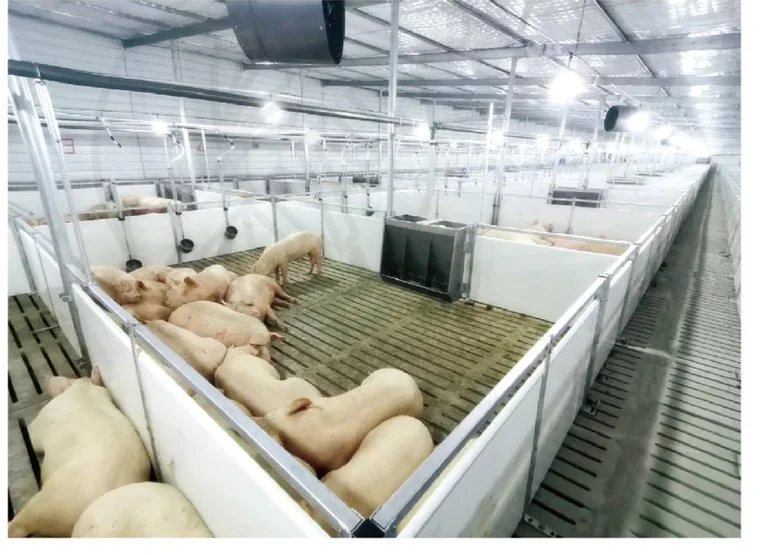 Troubleshooting Article
Wet pens, dripping drinkers and animals at the end of a line that never get enough: three symptoms, usually one cause.
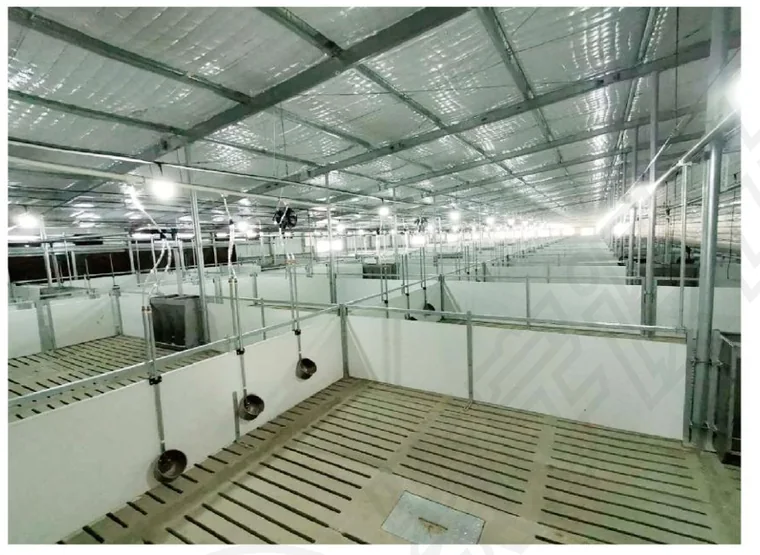 Design Guide
Disinfectant only works on a surface it can reach. Most biosecurity failures are surface-design failures, decided when the equipment was specified.
Talk to an engineer
Tell us the room size, the animal stage and the capacity you are aiming at. Our engineers reply with a layout, an equipment list and a quotation.