
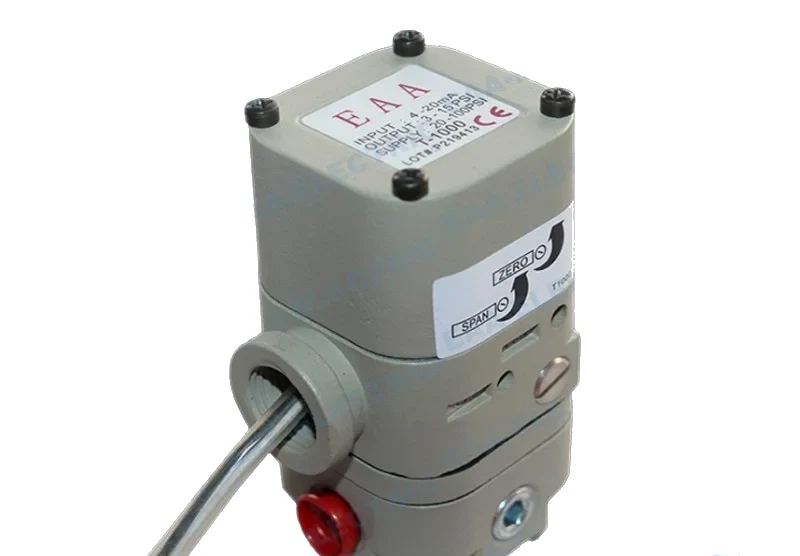
 Marsh Bellofram Type Transducer
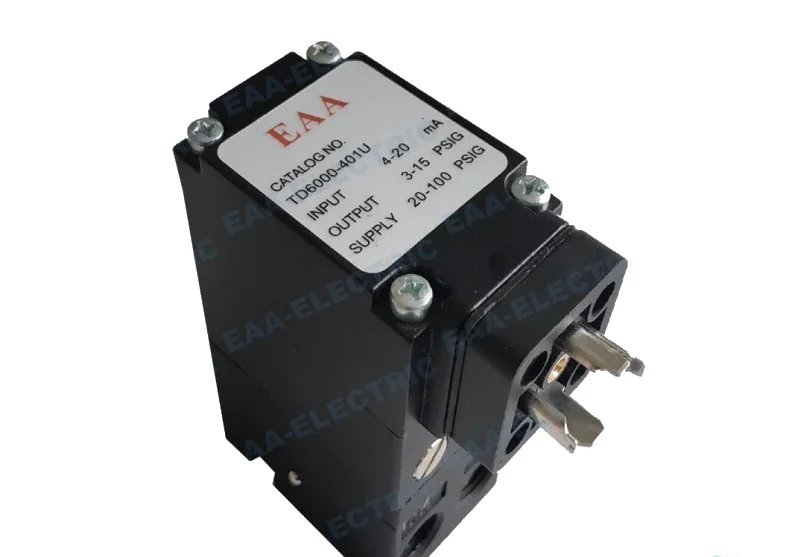 Fairchild Type Transducer
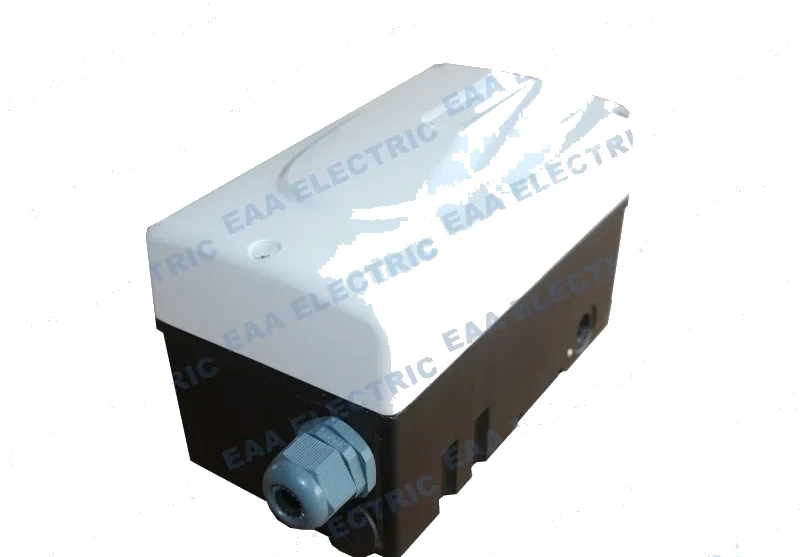 Flowserve Type Transducer
EPC1000 Electro Pneumatic Transducer
The EPC1000 is EAA's own pattern: a direct moving electropneumatic converting unit with a pneumatic power amplifying relay that gives the output signal a higher power. That extra power is what increases the acting speed of large pneumatic actuators, which is the job this converter is built for.
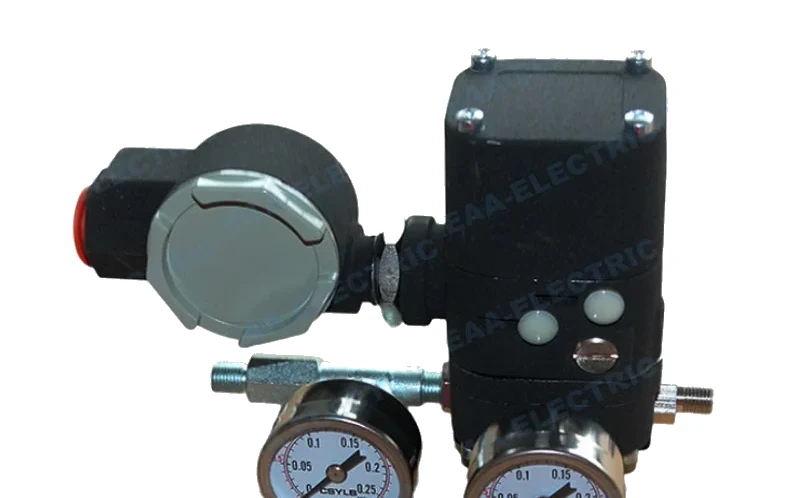
What This Model Is
The EPC1000 Series E/P Converter converts different current signals into correspondent pneumatic output signals. It is equipped with a pneumatic power amplifying relay that can provide the pneumatic signal with a higher output power, sent to various kinds of pneumatic actuator to increase their acting speed. Besides working as the converting unit between an electric instrument and a pneumatic controller or pneumatic control valve, it can also be used with a pneumatic positioner to realise the function of an E/P positioner.
How It Works
The EPC1000 is a direct-acting non-feedback instrument. That is why it can obtain high-power pneumatic output signals, and also why its precision is described as medium and it is recommended for the output loop rather than for a loop that has to correct its own error. A thermistor attached to the internal circuit performs temperature compensation automatically, and the mode of action can be changed directly on site.
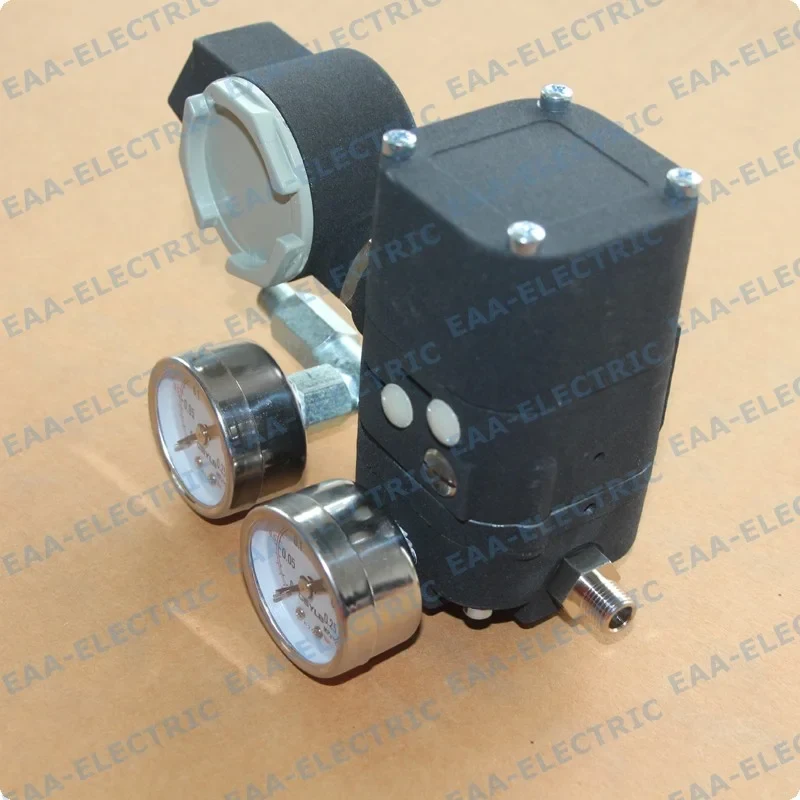
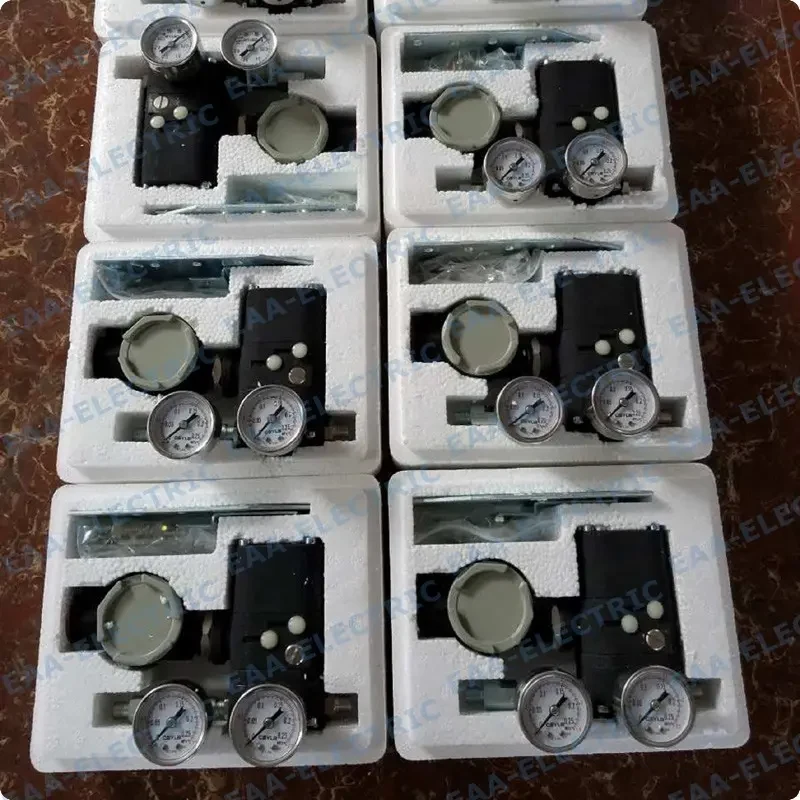
EPC1000 Electro Pneumatic Transducer On Our Benches
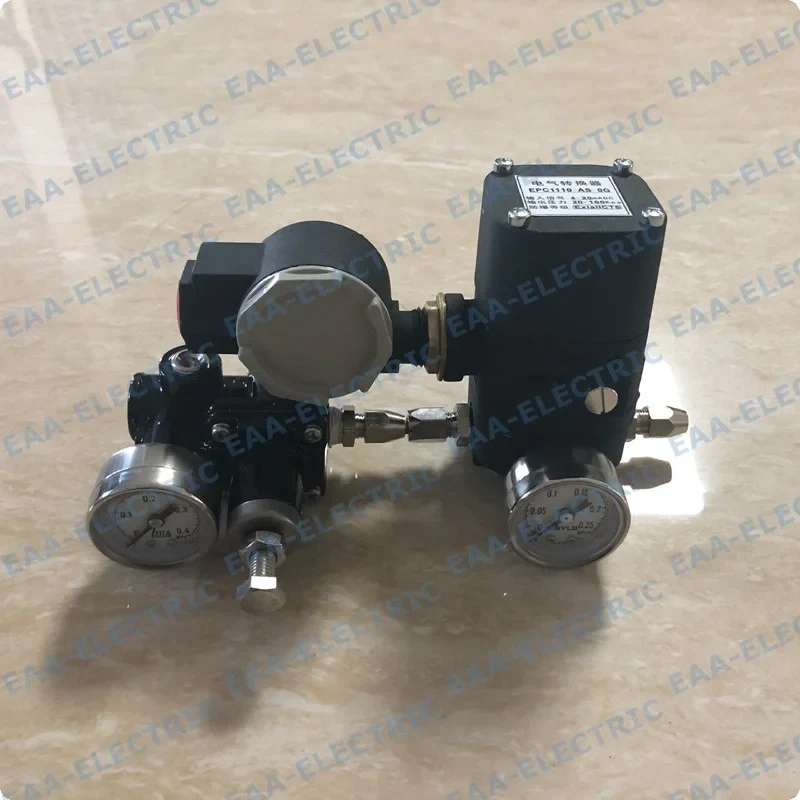
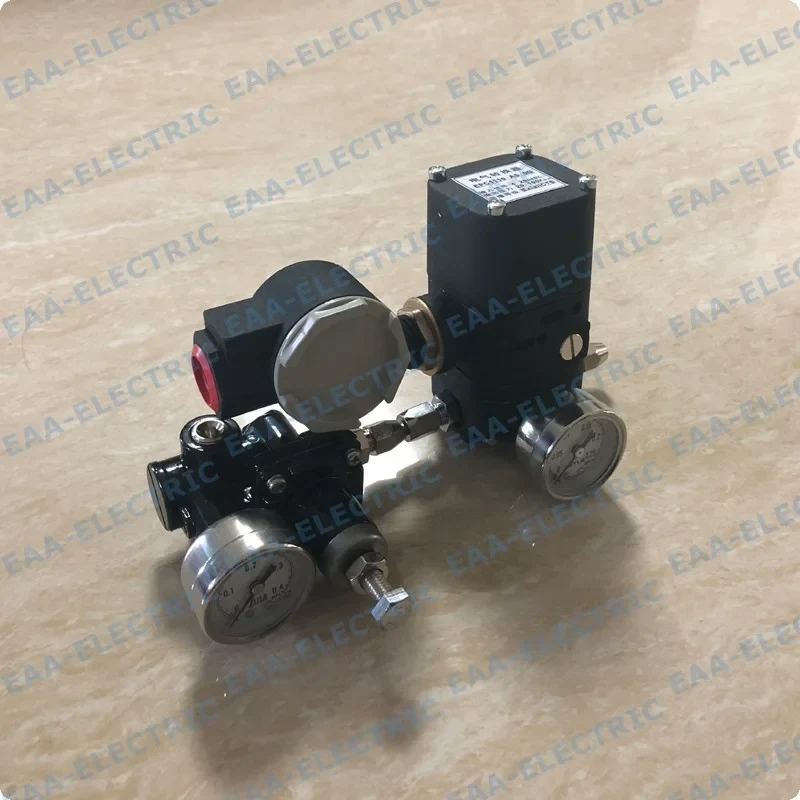
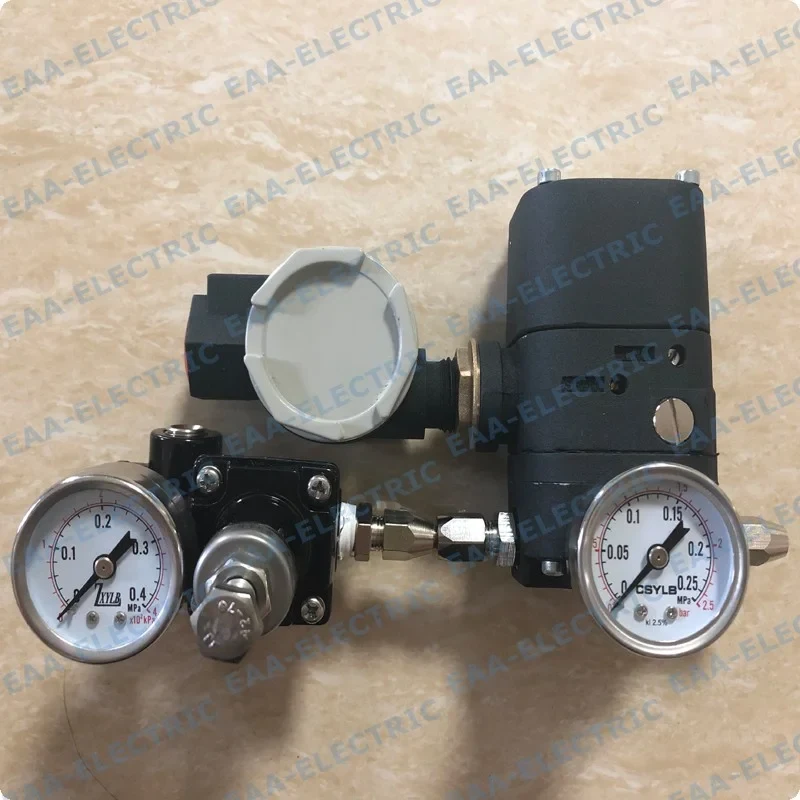
Studio and workshop photographs of the units as built, not renderings.
What You Get From This Model
High-power output for big actuators
The pneumatic power amplifying relay raises the output power so large-bore control valves move faster than they would on a plain transducer output.
Becomes an E/P positioner when paired
Used together with a pneumatic valve positioner, the converter realises the function of an electric valve positioner without buying one.
Direction changed on site
The mode of action can be changed directly in the field, so a direct acting unit becomes reverse acting without a return to the workshop.
Automatic temperature compensation
A thermistor in the internal circuit compensates for temperature, which keeps the output stable as the ambient changes through the day.
Where It Is Used
- Large-bore pneumatic control valves that need fast actuation
- Conversion between an electric instrument and a pneumatic controller
- Pairing with a pneumatic positioner to form an E/P positioner
- Output loops where high pneumatic power matters more than closed-loop precision
- Plant with a wide or variable instrument air supply pressure
Who Orders It
- Plants operating large-diameter pneumatic control valves
- Engineers who need faster actuator stroke without changing the actuator
- Sites that already own pneumatic positioners and want electrical control
- OEM builders specifying a coded E/P converter with filter regulator and gauge
What This Model Fixes
The actuator strokes too slowly
The pneumatic power amplifying relay delivers a higher output power to the actuator, which increases its acting speed.
An electric positioner is out of budget
Pairing the converter with an existing pneumatic positioner gives the function of an E/P positioner.
The action direction is wrong after installation
The mode of action is changeable directly on site.
Instrument air supply varies between areas
A wide range of air supply is suitable for various occasions, and the AS option adds a united filter regulator to the unit itself.
Features And Specifications
Every figure below is transcribed from the datasheet EAA publishes for this series. Anything not published is not listed.
- Direct-acting non-feedback instrument with high-power pneumatic output
- Ingenious structure, small size and light weight
- High sensitivity, good stability and medium precision, suited to the output loop
- Mode of action changeable directly on site
- External span and zero adjustment for easy adjustment and maintenance
- Thermistor temperature compensation in the internal circuit
- Wide range of air supply suitable for various occasions
- Accepts 4-20 mA DC or 0-10 mA DC input with 20-60 kPa or 60-100 kPa output options
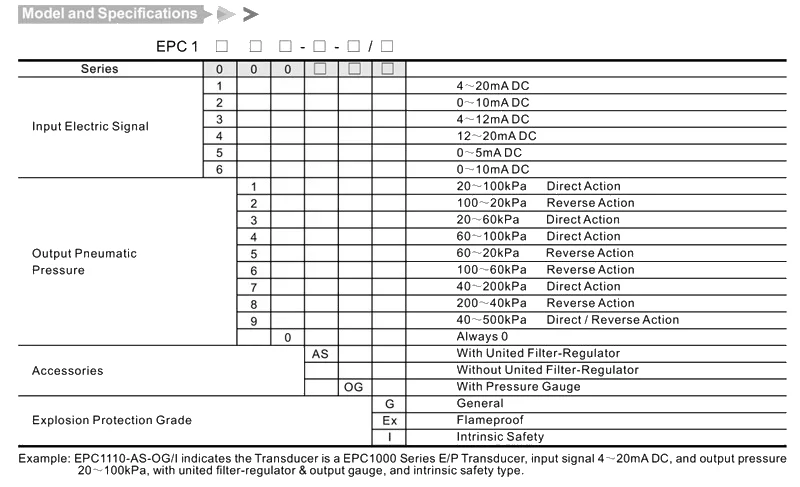
| Input electric signal | Meaning |
|---|---|
| 1 | 4-20 mA DC |
| 2 | 0-10 mA DC |
| 3 | 4-12 mA DC |
| 4 | 12-20 mA DC |
| 5 | 0-5 mA DC |
| 6 | 0-10 mA DC |
| Output pneumatic pressure | Meaning |
|---|---|
| 1 | 20-100 kPa direct action |
| 2 | 100-20 kPa reverse action |
| 3 | 20-60 kPa direct action |
| 4 | 60-100 kPa direct action |
| 5 | 60-20 kPa reverse action |
| 6 | 100-60 kPa reverse action |
| 7 | 40-200 kPa direct action |
| 8 | 200-40 kPa reverse action |
| 9 | 40-500 kPa direct or reverse action |
| Accessories | Meaning |
|---|---|
| AS | With united filter regulator |
| (blank) | Without united filter regulator |
| OG | With pressure gauge |
| Explosion protection grade | Meaning |
|---|---|
| G | General |
| Ex | Flameproof |
| I | Intrinsic safety |
- EPC1110-AS-OG/I is an EPC1000 series E/P transducer with a 4-20 mA DC input signal and a 20-100 kPa output pressure, supplied with the united filter regulator and the output gauge, in the intrinsic safety type.
Selecting Installing And Calibrating
- Build the model codeEPC1 then the input signal digit, the output pressure digit, a zero, then the accessory code and the explosion protection grade. EPC1110-AS-OG/I is a 4-20 mA DC input, 20-100 kPa output unit with the filter regulator, the output gauge and intrinsic safety.
- Choose direct or reverse action at order stageOutput codes 1, 3, 4 and 7 are direct action, codes 2, 5, 6 and 8 are reverse action, and code 9 covers 40-500 kPa direct or reverse.
- Add the filter regulator if the air is not already conditionedThe AS accessory code supplies the united filter regulator with the converter.
- Select the protection grade for the areaG for general, Ex for flameproof and I for intrinsic safety.
How It Compares With The Alternatives
The EPC1000 is the high-power, direct-acting member of the range. Compared with the T7800 and the PT700, which use internal feedback to hold accuracy, the EPC1000 has no feedback and is specified at medium precision, but it delivers more pneumatic power. Use it where the actuator is large and the loop can tolerate open-loop conversion, and use a feedback instrument where the specification is written around accuracy.
| Model | Distinguishing specification | Best suited to |
|---|---|---|
| EPC1000 Electro Pneumatic Transducer | Direct acting, power amplifying relay | Large actuators needing fast stroke |
| T7800 Electro Pneumatic Transducer | Internal electronic feedback, 0.25% FS | Accuracy-specified loops |
| T1000 Electro Pneumatic Transducer | Force balance, integral booster | General purpose high-flow duty |
Related cases
- No OEM case published for this model yet.
Related articles
Industry applications
Other Models Worth Comparing
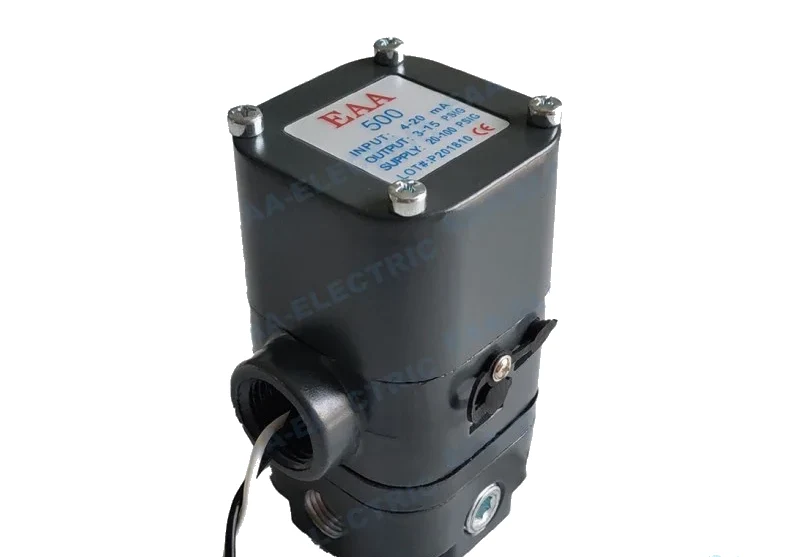 Controlair Type Transducer
500X Electro Pneumatic Transducer
Controlair pattern I/P transducer, 4-20 mA in, 3-15 to 3-120 psi out
View specifications →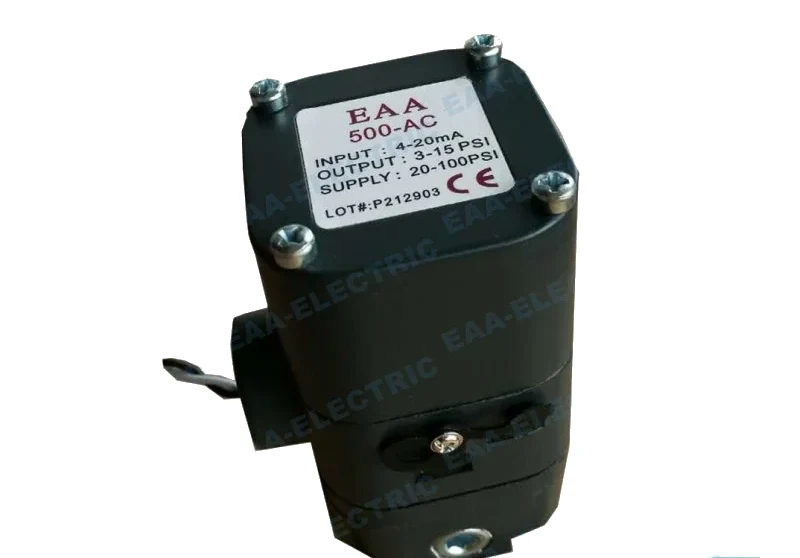 Controlair Type Transducer
500X Electro Pneumatic Converter
Controlair pattern E/P converter, 0-5 V, 1-9 V and 0-10 V inputs
View specifications →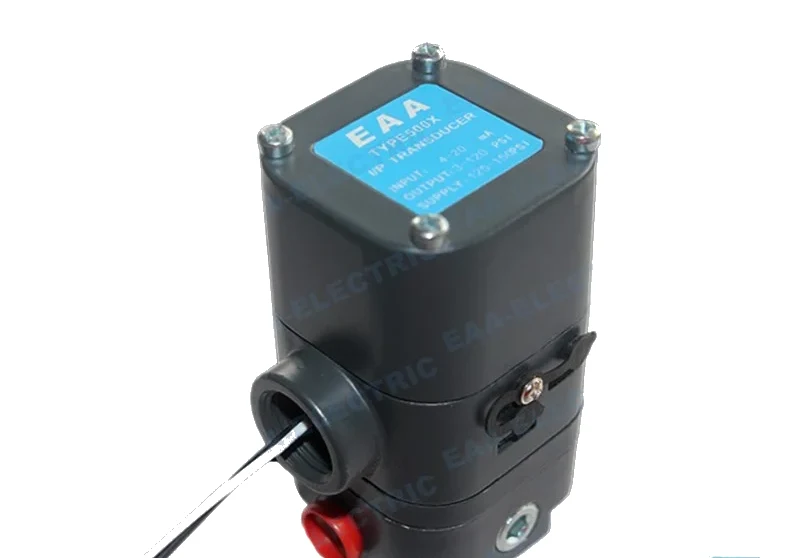 Controlair Type Transducer
500AC Electro Pneumatic Transducer
500-AC configuration, 4-20 mA in, 3-15 psi out, 180 ohms
View specifications →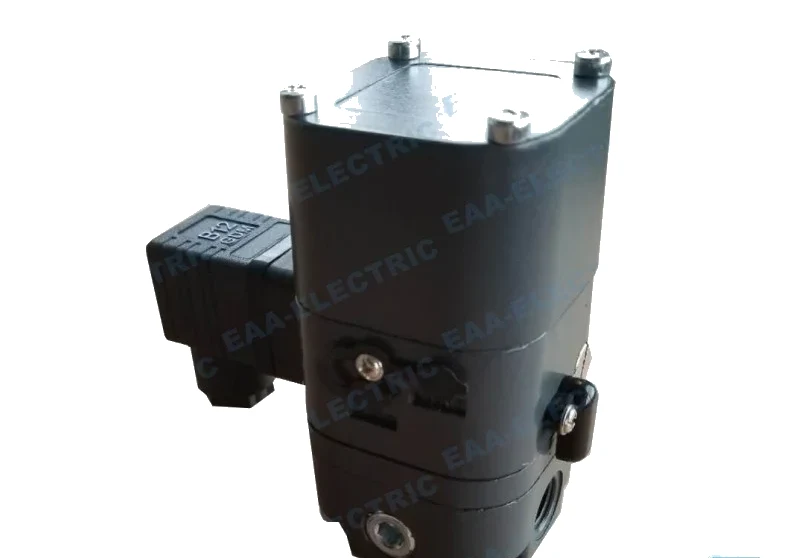 Controlair Type Transducer
500ACD Electro Pneumatic Transducer
500-AC range with a plug-in electrical termination
View specifications →Questions About The EPC1000 Electro Pneumatic Transducer
What makes the EPC1000 different from a plain transducer
The pneumatic power amplifying relay. It gives the output signal a higher power, which increases the acting speed of the pneumatic actuator it drives.
Can it replace an electric valve positioner
Used in conjunction with a pneumatic valve positioner it realises the function of an electric valve positioner. On its own it is a converter, not a positioner.
What input and output ranges are available
Inputs of 4-20 mA, 0-10 mA, 4-12 mA, 12-20 mA and 0-5 mA DC. Outputs from 20-100 kPa down to 20-60 kPa and up to 40-500 kPa, in direct and reverse action.
How accurate is it
It is a direct-acting non-feedback instrument with high sensitivity, good stability and medium precision, which is why it is described as especially suitable for the output loop.
Is an explosion-protected version available
Yes. The model code carries a protection grade field: G for general, Ex for flameproof and I for intrinsic safety.
Request A Price For The EPC1000
Tell us the input signal, the output range and the electrical termination, and the quotation comes back against the published part number.