
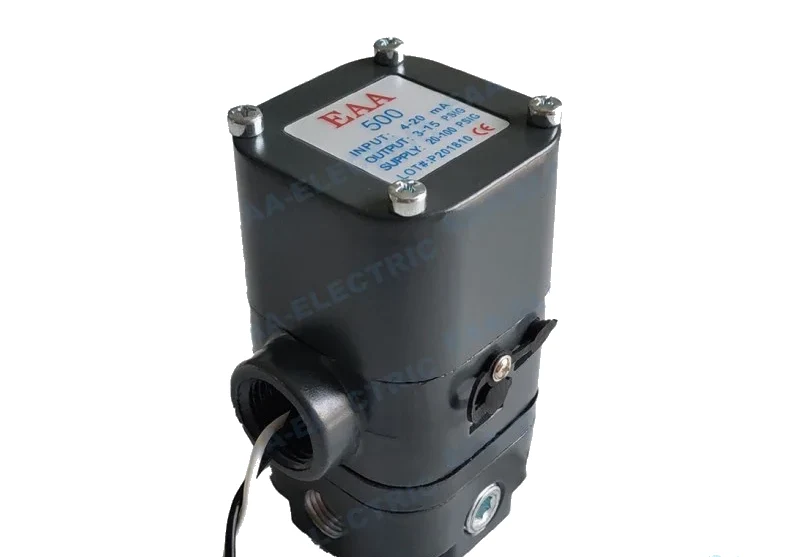
 Controlair Type Transducer
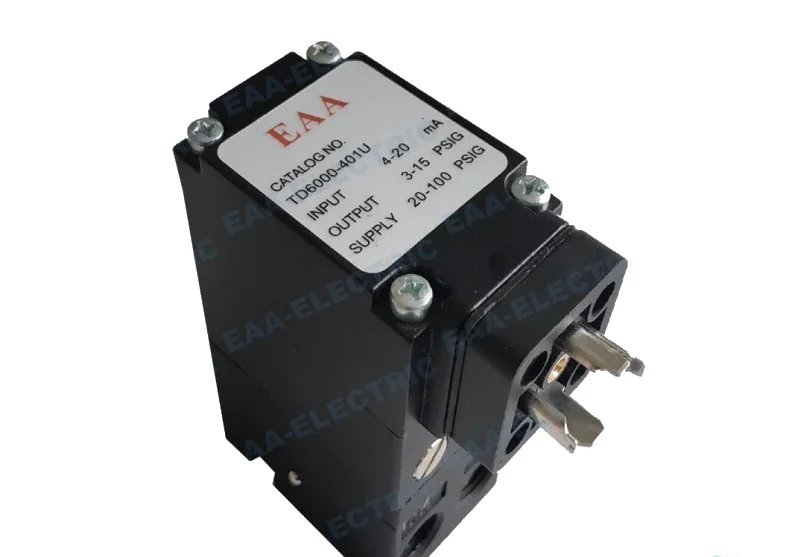 Fairchild Type Transducer
Features Of The EPC Electro Pneumatic Converter
The EPC converter is EAA's own design rather than a pattern instrument, and its feature list reads differently from the others. The theme running through it is output power: this is the converter for an actuator that is too big to move quickly on an ordinary transducer output.
Direct acting, no feedback, high power
The EPC converter is a direct-acting non-feedback instrument that can obtain high-power pneumatic output signals. The pneumatic power amplifying relay inside it is what raises the output power delivered to the actuator.
Physical characteristics
Beautiful appearance, ingenious structure, small size and light weight. For an instrument producing that much pneumatic power, the compact envelope is the notable part.
Where its precision belongs
High sensitivity, good stability and medium precision, especially suitable for the output loop. Specify it where power matters and use a feedback instrument where a stated accuracy figure has to be met.
On-site adjustment
The mode of action can be changed directly on site, and the span and zero adjustment devices are on the outside, so adjustment and maintenance do not require the instrument to be opened or returned.
Temperature compensation and air supply
A thermistor attached to the internal circuit performs temperature compensation automatically, and a wide range of air supply suits various occasions.
Signal and output options
The converter can be used directly for different input electrical signals such as 4-20 mA DC or 0-10 mA DC. The output pressure can be divided into 20-60 kPa or 60-100 kPa, selected with the zero and span adjustments.
Models This Applies To
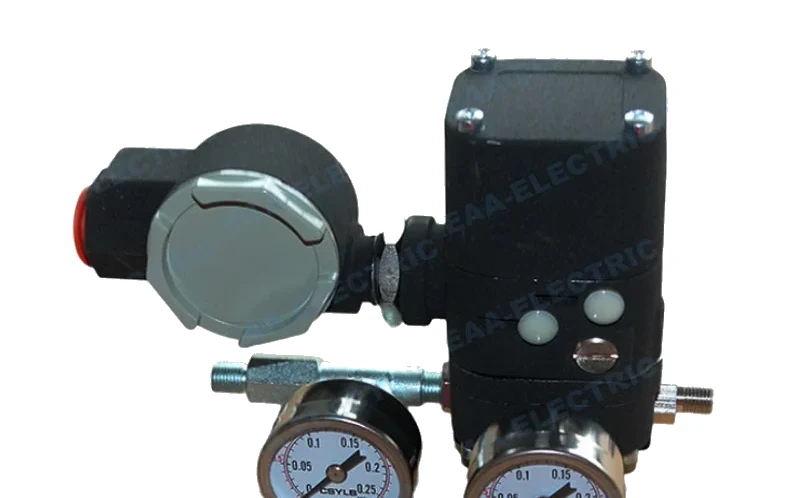 EPC Type Transducer
EPC1000 Electro Pneumatic Transducer
Direct moving E/P converter with a power amplifying relay, EAA's own EPC pattern
View specifications →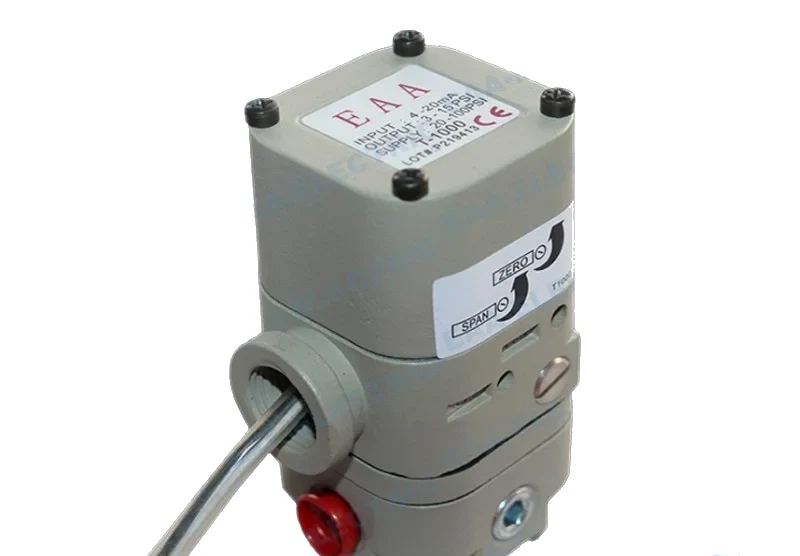 Marsh Bellofram Type Transducer
T1000 Electro Pneumatic Transducer
Force balance I/P transducer with a built-in volume booster, four build classes
View specifications →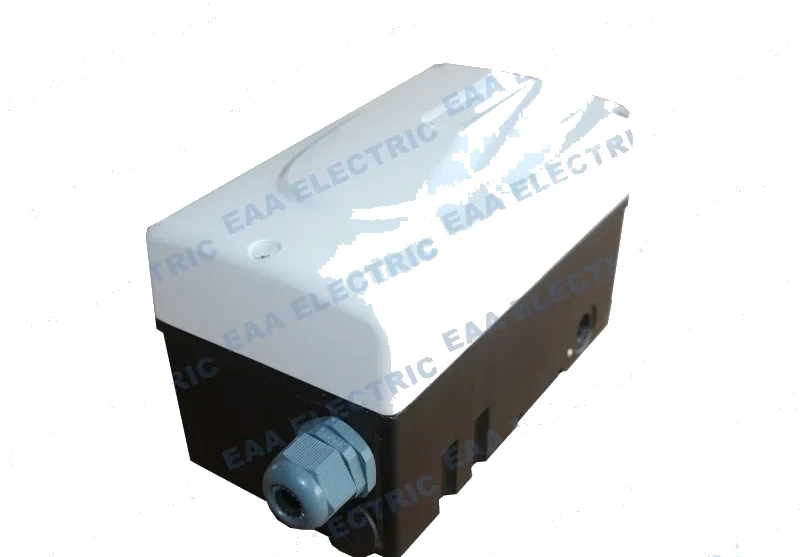 Flowserve Type Transducer
PT700 Electro Pneumatic Transducer
Two-wire piezoelectric microvalve transducer, ATEX EEx ia IIC T4, IP66
View specifications →Quick Answers
What does the power amplifying relay do
It gives the pneumatic output signal a higher power, which increases the acting speed of the pneumatic actuator being driven.
What input signals does the EPC accept
4-20 mA DC and 0-10 mA DC directly, with 4-12 mA, 12-20 mA and 0-5 mA DC also listed in the model coding.
Can the output band be changed
The output pressure can be divided into 20-60 kPa or 60-100 kPa using the zero and span adjustment devices.
Still Not Sure Which Instrument You Need
Send the loop details and we will point you at the model that fits, and tell you when a positioner would serve you better than a transducer.