
Four Post Lift
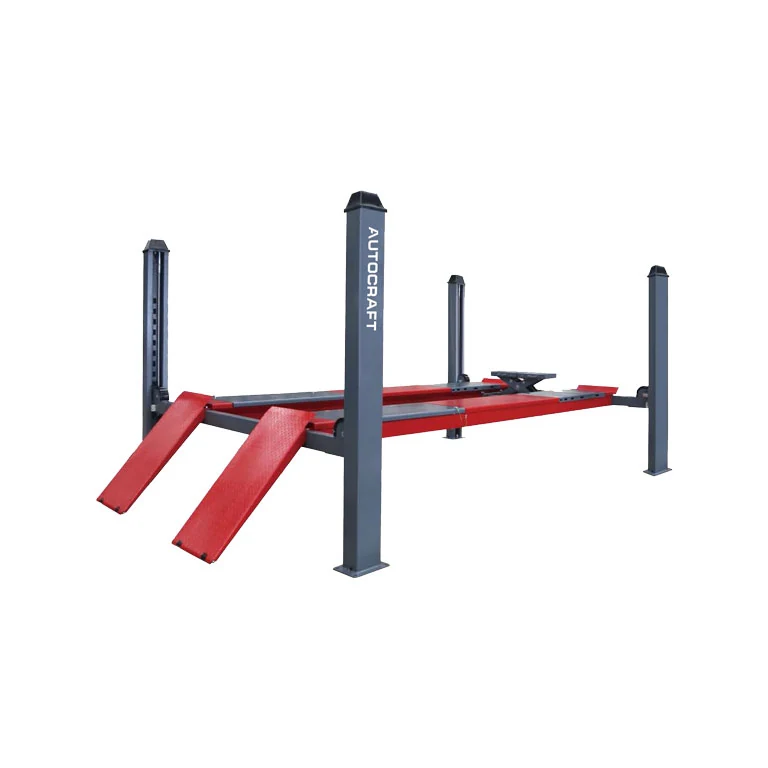
Four post lifts for wheel alignment and for parking, with adjustable runway spacing and wire rope anti-fracture locks.
Workshops running a documented procedure across several bays and several technicians, on a vehicle mix that keeps getting heavier.
Start from the category, then narrow down by mechanism and capacity.
Four post lifts for wheel alignment and for parking, with adjustable runway spacing and wire rope anti-fracture locks.
Two post lifts in base floor and clear floor form, with manual or electric lock release, from 4 to 8 tonnes.
Air conditioning service stations for R134a, R1234yf and dual refrigerant work, all with flushing functions.
Automatic transmission fluid exchangers that replace the whole fluid charge instead of only what drains from the pan.
A starting shortlist drawn from the families above. Send your constraints and we will narrow it to two models.
4T four post lift with adjustable runway spacing
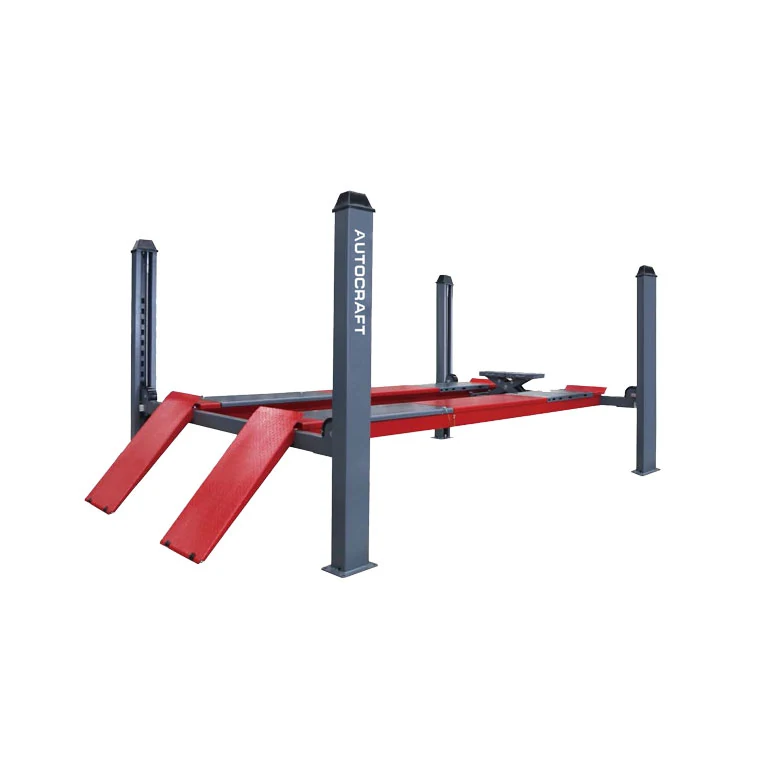
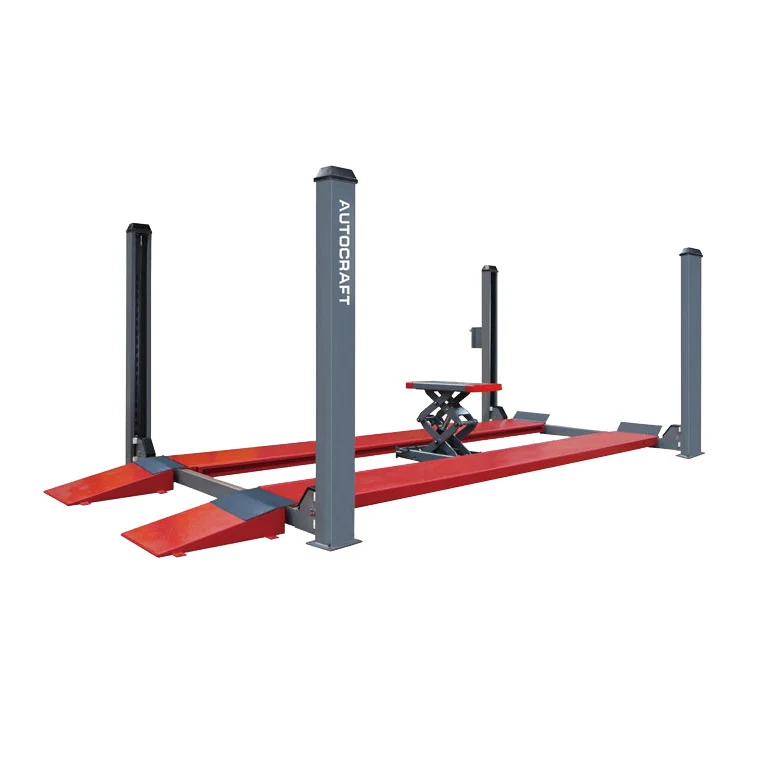
5T four post lift with secondary lifting system
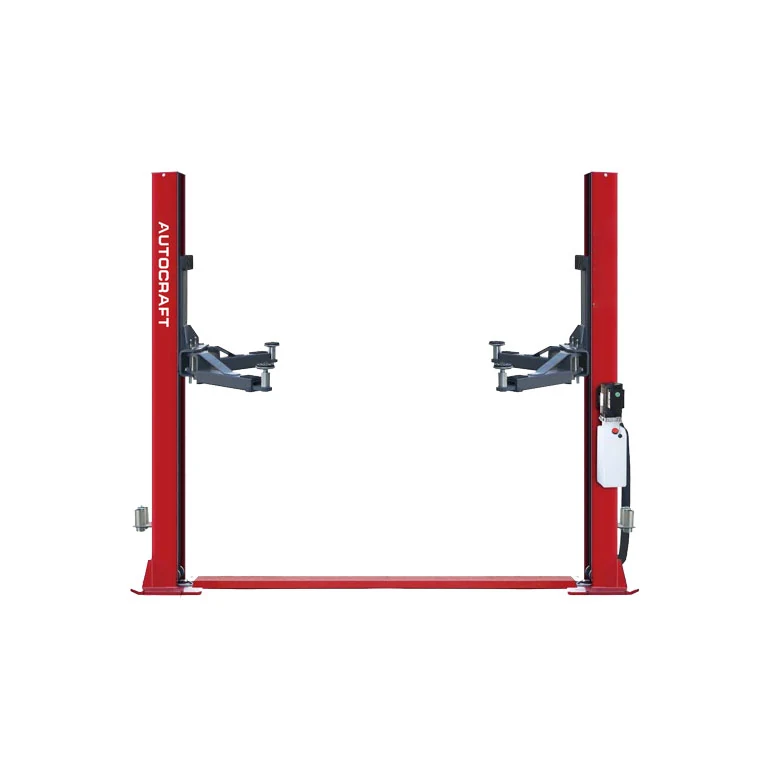
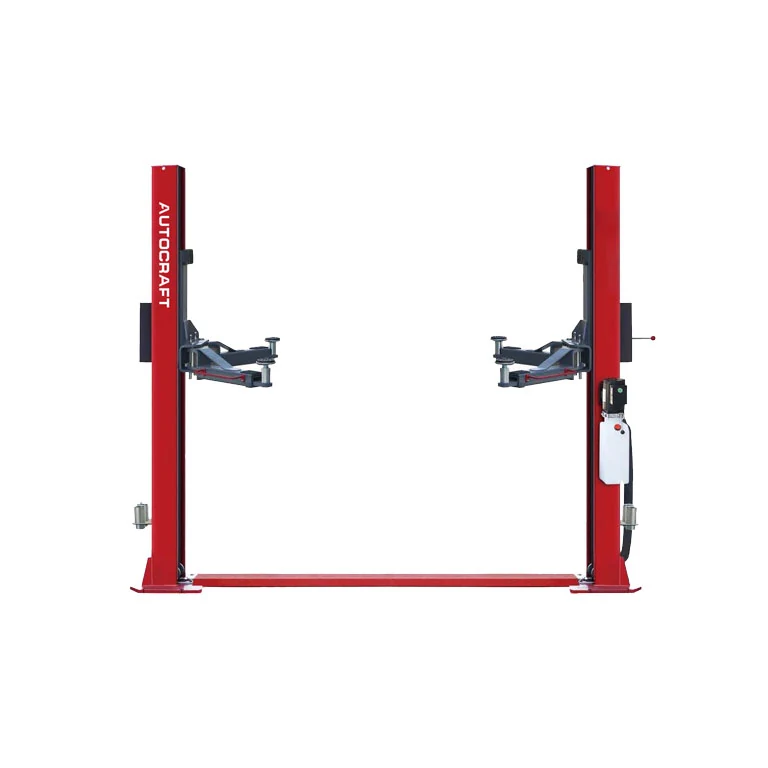
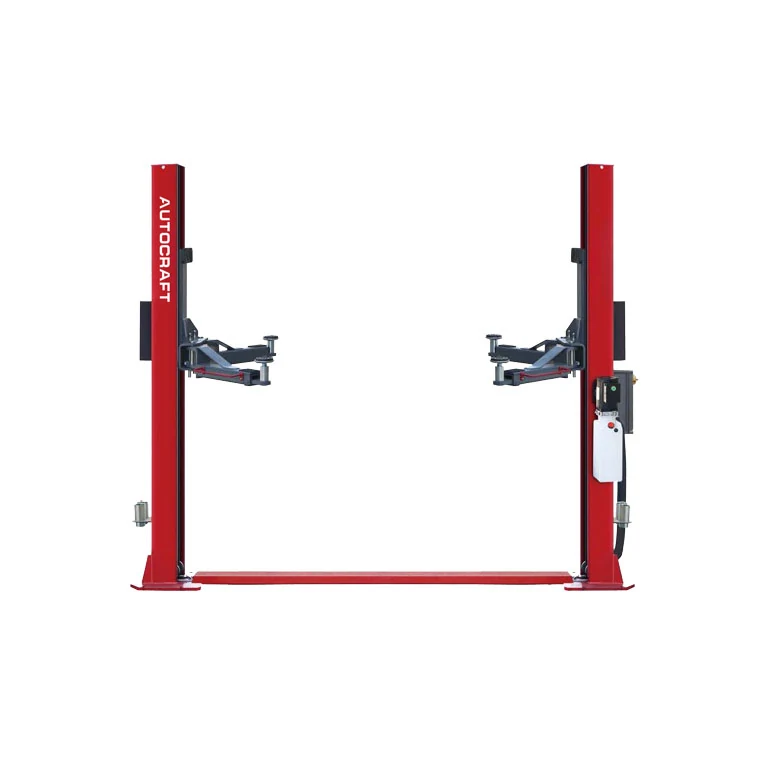
4T base floor two post lift with bilateral manual lock
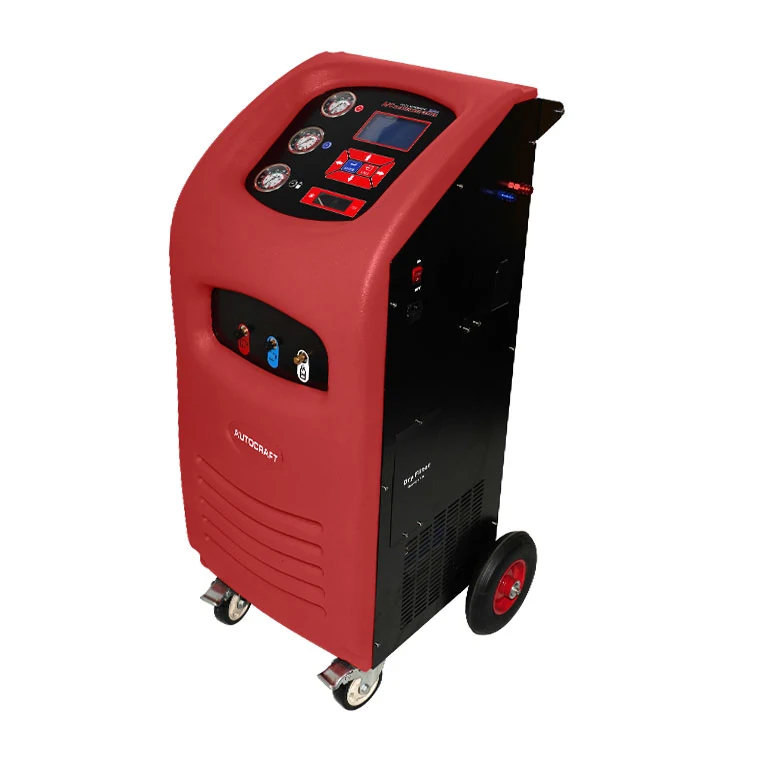
Fully automatic R134a station with flushing
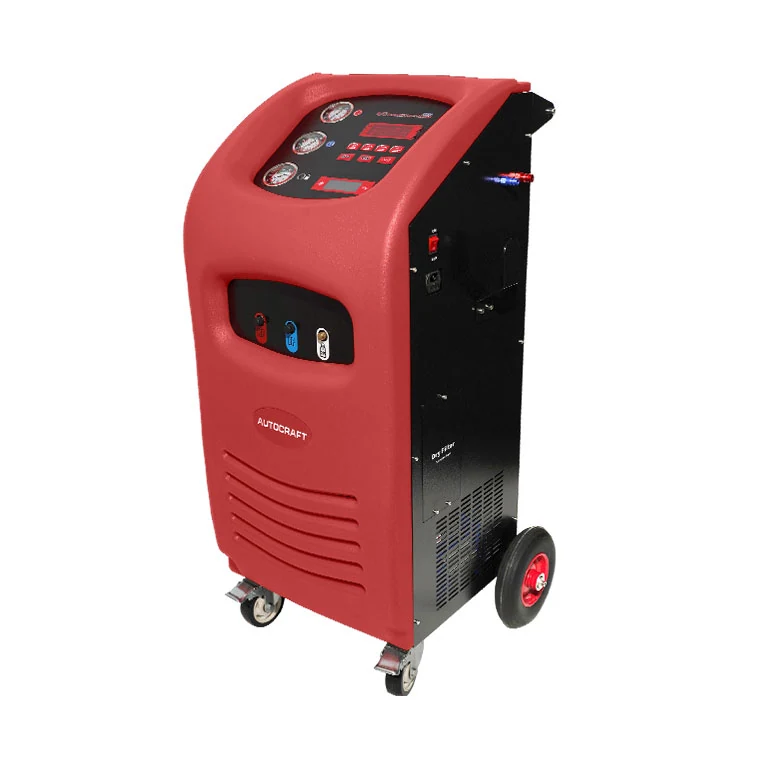
Semi-automatic R134a station with flushing
An aligner, a lift that can hold the vehicle wheels-free, and the floor work to put them together.
One lift that suits the building you have, plus the oil handling equipment that keeps the floor safe.
Air conditioning and transmission work where the job is to remove what is in the system, not just top it up.
Bay dimensions, ceiling height, floor condition, vehicle mix and quantity.
Two models with the differences between them stated plainly.
Price, crate dimensions, gross weight, units per container and lead time.
Built to your local voltage, crated for container loading.
Drawings before delivery, then technical support during commissioning.
The choice is usually decided by the building rather than the vehicles. Here is how ceiling height, slab condition and the work you take in point to one or the other.
Both carry the same 4 tonnes. The difference is where the connection between the columns runs, and that decides which building each one suits.
Two refrigerants now share the road, and one machine cannot always serve both. Here is what actually differs and how to decide between separate stations and a dual system machine.
Yes. Tell us how the bay is used and we will quote the machines together, which normally reduces the freight cost per unit.
Yes. Anchor patterns and slab specifications come before delivery, and in-ground lifts include a foundation drawing before the civil work is commissioned.
Yes. Confirm your local voltage and frequency with the order.
Pre-sales and after-sales teams give guidance by email and phone, and spare parts are quoted against the model number.
Lead time depends on the models and the quantity. Send the requirement and destination port and we will confirm a date in writing.
Send us the bay constraints and the vehicles you take in. We will come back with a shortlist, a price and the packing data.