
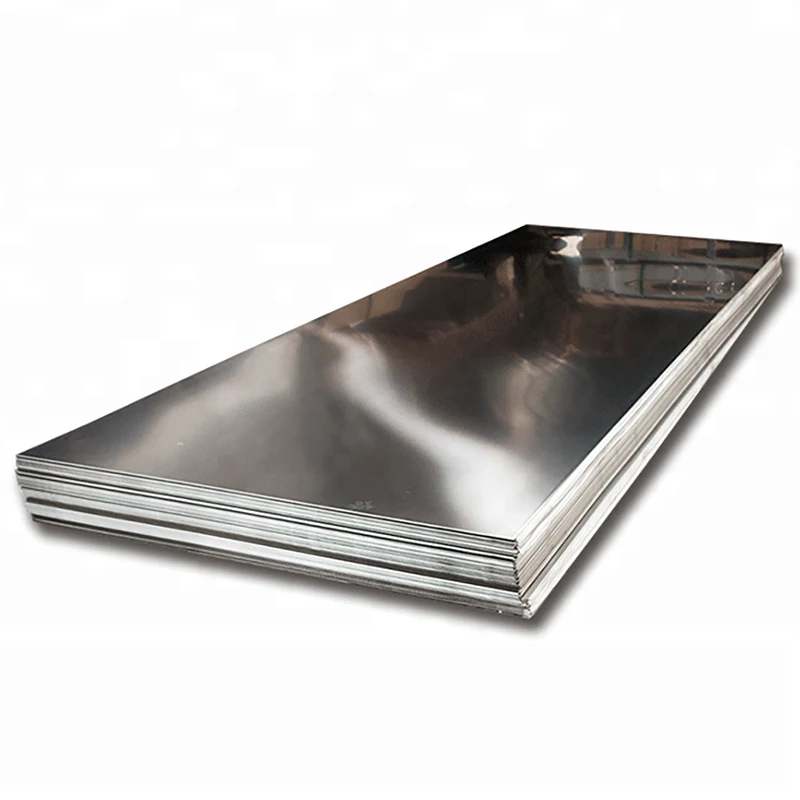
316L Stainless Steel Sheet
Grade 316 is the standard molybdenum bearing austenitic stainless steel, second only to 304 in importance. The molybdenum gives it better overall corrosion resistance than 304, and in particular higher resistance to…
What This Product Is For
Grade 316 is the standard molybdenum bearing austenitic stainless steel, second only to 304 in importance. The molybdenum gives it better overall corrosion resistance than 304, and in particular higher resistance to pitting and crevice corrosion in chloride environments. 316L is the low carbon version, which is highly resistant to sensitisation and is the grade to use when the sheet will be welded.
Key Benefits
- Molybdenum lifts pitting and crevice resistance in chloride service above what 304 can do
- Low carbon resists sensitisation, so welded fabrications keep their corrosion resistance
- Brakes, roll forms, welds, solders and cuts by both thermal and mechanical methods
- Austenitic structure keeps excellent toughness down to cryogenic temperature
- Nine surface finishes from No.1 through mirror
Who It Is For
- Tank and vessel fabricators welding stainless sheet
- Food and pharmaceutical equipment builders
- Architectural metalwork shops needing a decorative finish
- Distributors stocking 316L across cold and hot rolled thicknesses
Problems It Solves
- Pitting on 304 sheet in chloride bearing washdown and coastal service
- Weld decay in standard carbon 316 after fabrication
- Cracking or scaling when sheet is cut thermally
- Finish mismatch between panels sourced from different suppliers
Application Scenarios
- Food, dairy and pharmaceutical equipment with washdown duty
- Coastal and marine architectural cladding
- Chemical process tanks and ducting
- Cryogenic vessels and cold service piping supports
Specifications
Every value below is taken from the published product data. Where a figure is not published it is left out rather than estimated.
| Grade | 316L |
|---|---|
| Width | 500 to 2000 mm or customised |
| Length | 1000 to 12000 mm or customised |
| Cold Rolled Thickness | 0.3 to 3 mm |
| Hot Rolled Thickness | 3 to 120 mm |
| Standard | ASTM A240, JIS G4304, EN 10088-2 |
| Surface Treatment | No.1, No.4, 2B, 2D, BA, HL, No.8, mirror |
| Structure | Austenitic |
Technical Features
- Molybdenum bearing austenitic grade
- Low carbon 316L version highly resistant to sensitisation
- Excellent toughness down to cryogenic temperatures
- Cold rolled 0.3 to 3 mm and hot rolled 3 to 120 mm
- Width 500 to 2000 mm and length 1000 to 12000 mm, or customised
Materials
- 316L molybdenum bearing austenitic stainless steel
Manufacturing Process
- Hot rolling
- Cold rolling
- Annealing and pickling
- Polishing
Quality Control
- Chemistry checked to confirm the low carbon 316L composition
- Thickness measured across the width against the ordered range
- Surface finish inspected against the ordered No.1 to mirror condition
- Flatness and edge condition checked before packing
Customisation Options
- Width and length cut outside the standard ranges on request
- Eight standard finishes plus polishing to your sample
- Cold rolled or hot rolled condition selected by thickness
Use Guide
- Use 316L rather than 316 wherever the sheet will be welded and not solution annealed afterwards
- Roll form and brake with the grain direction in mind on hairline and No.4 finishes
- Protect a mirror or BA finish with film through fabrication
- Passivate after thermal cutting to restore the surface film
How It Compares With the Alternatives
| 304 stainless sheet | 316 carries molybdenum, which gives better overall corrosion resistance and in particular higher pitting and crevice resistance in chloride environments |
|---|---|
| Standard 316 | 316L is the low carbon version and is highly resistant to sensitisation, which is what protects a welded fabrication |
| 2205 duplex sheet | Duplex is stronger and more pitting resistant still, but 316L forms and welds more easily and is the usual first step above 304 |
Related Products
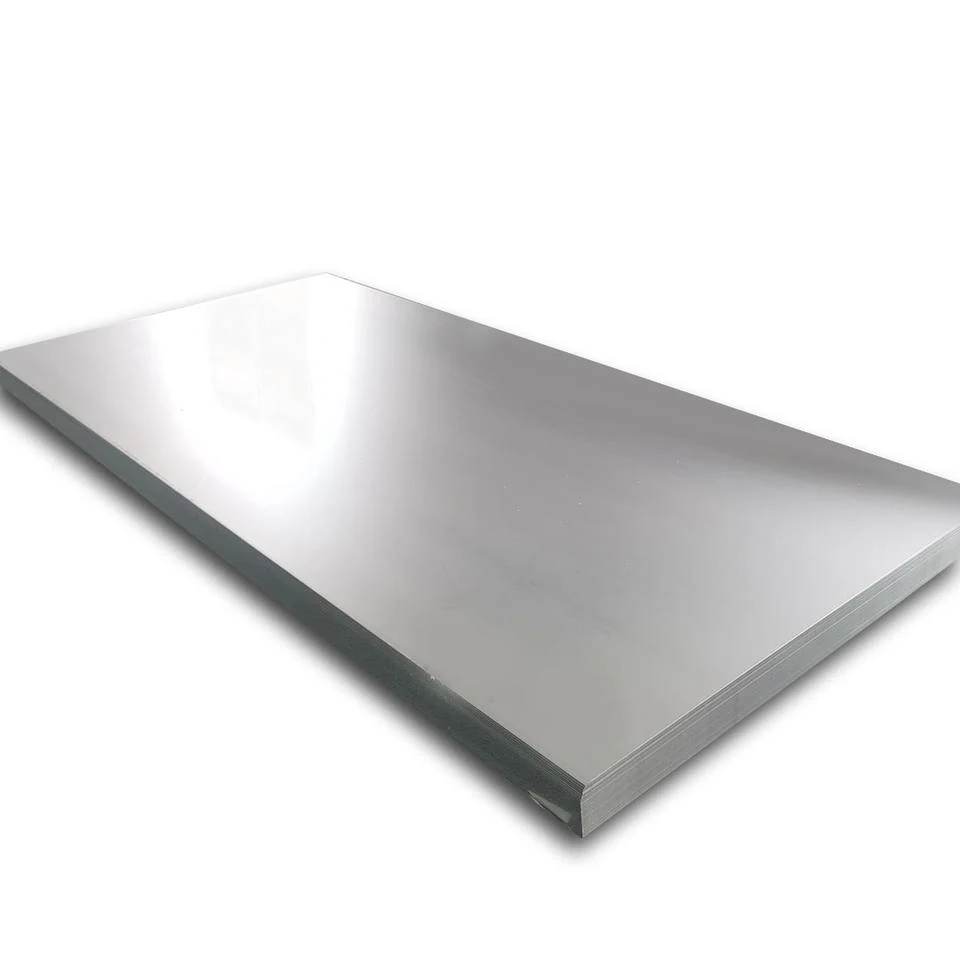
409 Stainless Steel Plate and Sheet
Grade 409 is a thermostable ferritic stainless steel with better oxidation and corrosion resistance than carbon steel. This…
View specifications →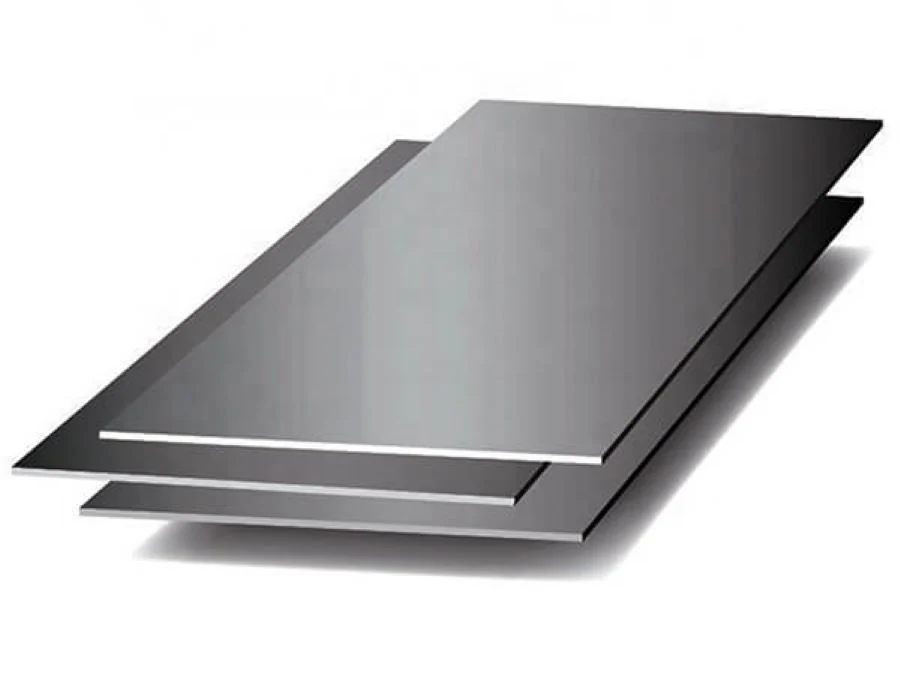
2205 Duplex Stainless Steel Sheet
2205 duplex stainless steel, UNS S32205 and S31803, is a 22 percent chromium, 3 percent molybdenum, 5 to 6 percent nickel and…
View specifications →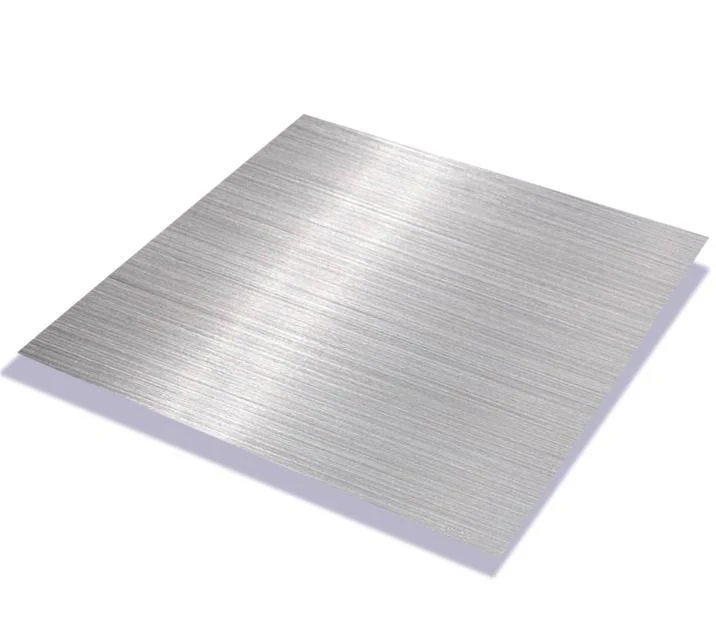
Hairline Finish Stainless Steel Sheet
A hairline finish is a directional surface where the metal carries a straight, fine grain running the length of the sheet. The…
View specifications →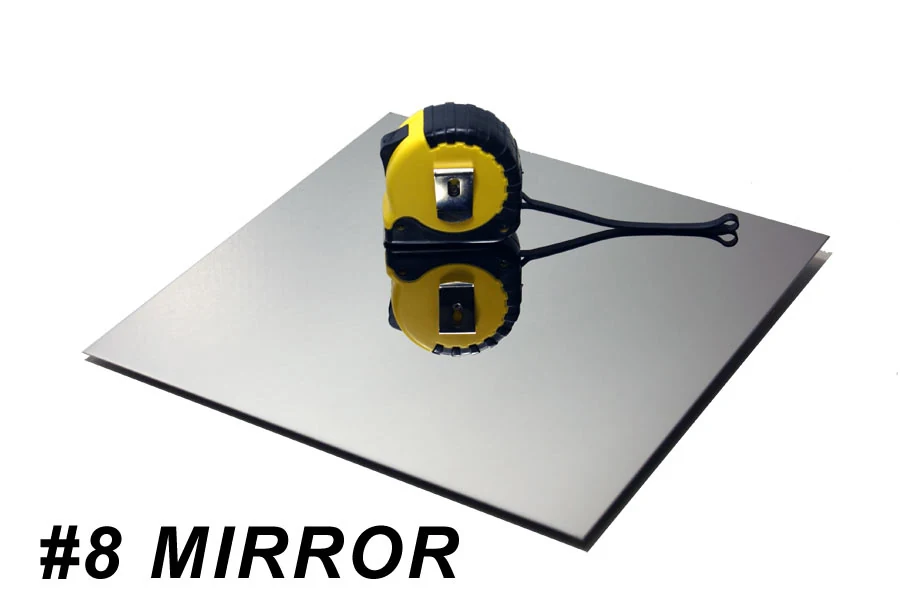
Mirror Finish Stainless Steel Sheet
A mirror finish is a bright non directional surface polished with a 1000 grit abrasive belt and then buffed. EN 10088-2 classifies…
View specifications →316L Stainless Steel Sheet Questions
What is the difference between 316 and 316L
Why choose 316 over 304
What thicknesses do you roll
Which finishes are available
Can 316L be used at low temperature
Which standards does the sheet meet
Quote 316L Stainless Steel Sheet
Send the size, wall or thickness, quantity and destination port. Certificates, packing and lead time are confirmed on the quotation.