
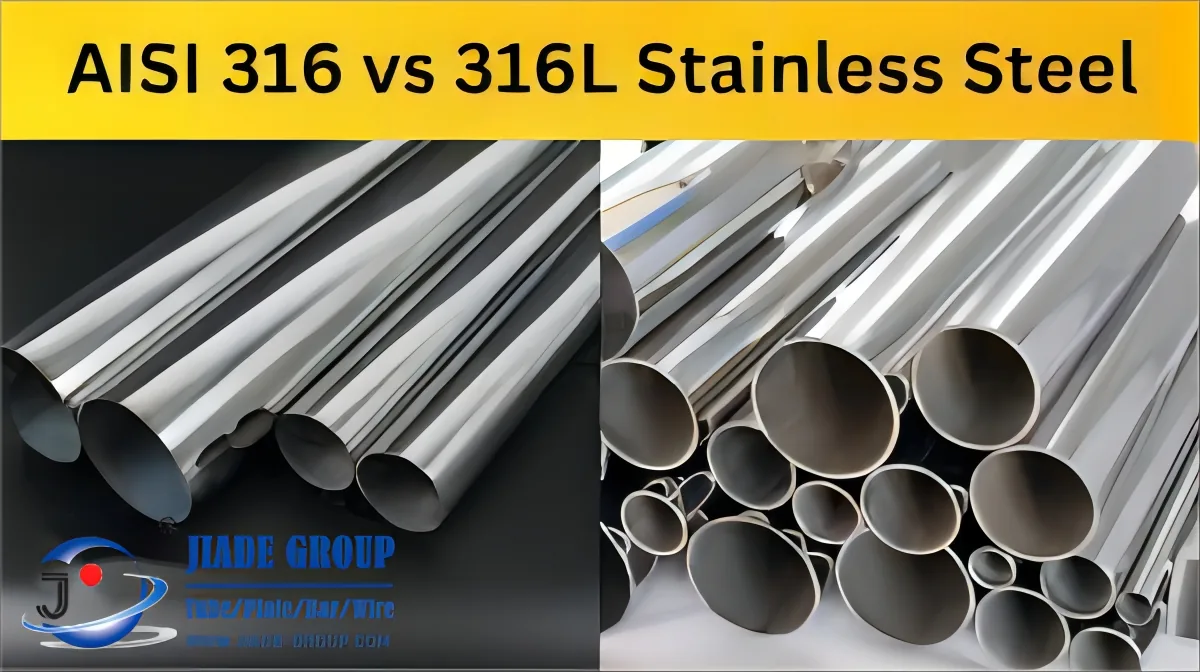
316 or 316L Which One Belongs in a Welded Fabrication
316 is the second most used alloy in the 300 series. 316L is its low carbon version, created to stop the weld zone corroding. This guide explains when the difference matters and when dual certified material makes the question go away.
Where Grade 316 Sits in the 300 Series
Austenitic stainless steels are the most important of the four broad categories, and the 300 series is the most used group within them. These grades cover shipping, marine engineering, general engineering, petrochemical, pharmaceutical and food work. Grade 316 is the second most used alloy in the series after 304, and the molybdenum addition is what lifts its pitting and crevice resistance in chloride environments.
Why Carbon Causes a Problem at the Weld
At elevated temperature carbon forms a carbide precipitate at the grain boundaries. That is sensitisation, and it leaves the metal weakened exactly where welding heated it. Welding temperatures are high because the metal has to melt to fuse, so the heat affected zone ends up with weaker corrosion resistance than the rest of the component, whose surface was never heated. This is the failure mode that affects welded components in grade 316.
Related product: 316L Stainless Steel Sheet
What the L Actually Changes
316L is the low carbon version developed to solve that problem. Less carbon means less carbide available to precipitate, so the heat affected zone keeps its corrosion resistance without a post weld solution anneal. For any fabrication that will be welded and then put straight into service, that is the version to buy.
Related product: 316L Stainless Steel Pipe
Dual Certified Material and Price
The elemental change between the two is small enough that a single heat can often satisfy both specifications, in which case it is labelled 316/316L. Because the change is minimal, the price of the two grades is close to each other, so there is rarely a commercial reason to specify plain 316 for welded work.
How to Specify It on an Order
State 316L, not 316, whenever the part will be welded and cannot be solution annealed afterwards. Ask whether the heat is dual certified, since that gives you both specifications on one certificate. Confirm the nickel content on the certificate rather than assuming it, because mills often hold nickel toward the lower limit of the range for cost reasons.
Products Covered in This Guide
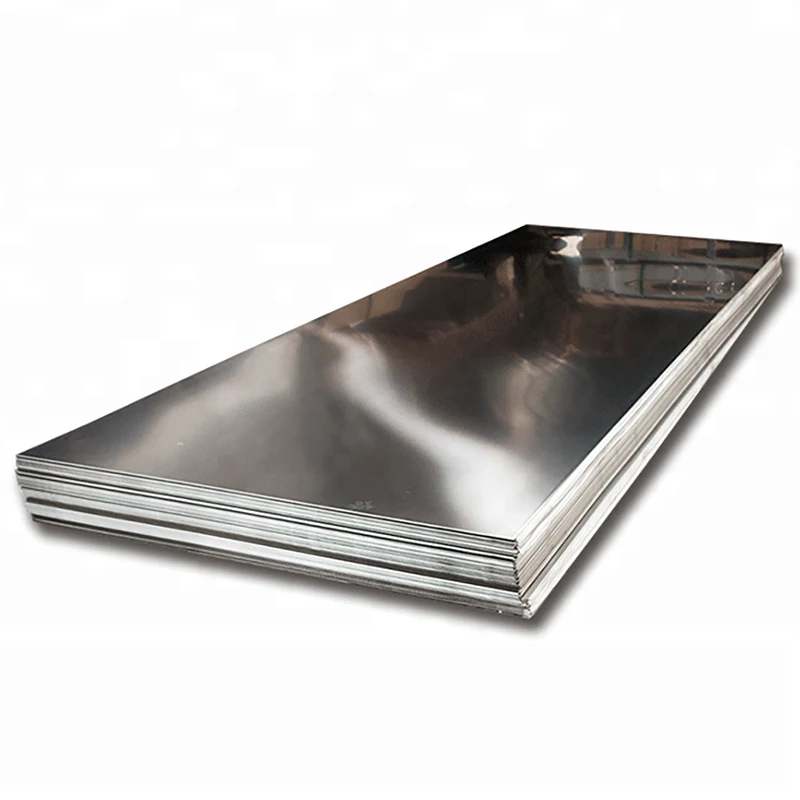
316L Stainless Steel Sheet
Grade 316 is the standard molybdenum bearing austenitic stainless steel, second only to 304 in importance. The molybdenum gives it…
View specifications →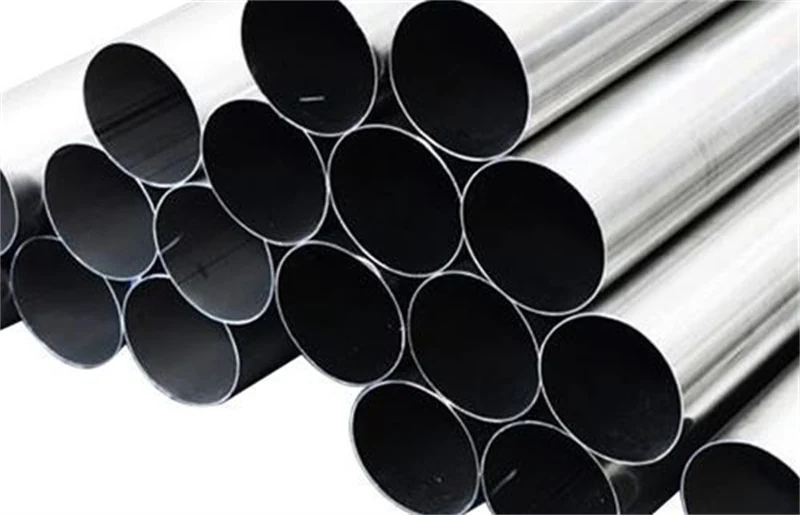
316L Stainless Steel Pipe
316L stainless steel pipe is a hollow round steel bar used in petroleum, chemical, medical, food, light industry, machinery and…
View specifications →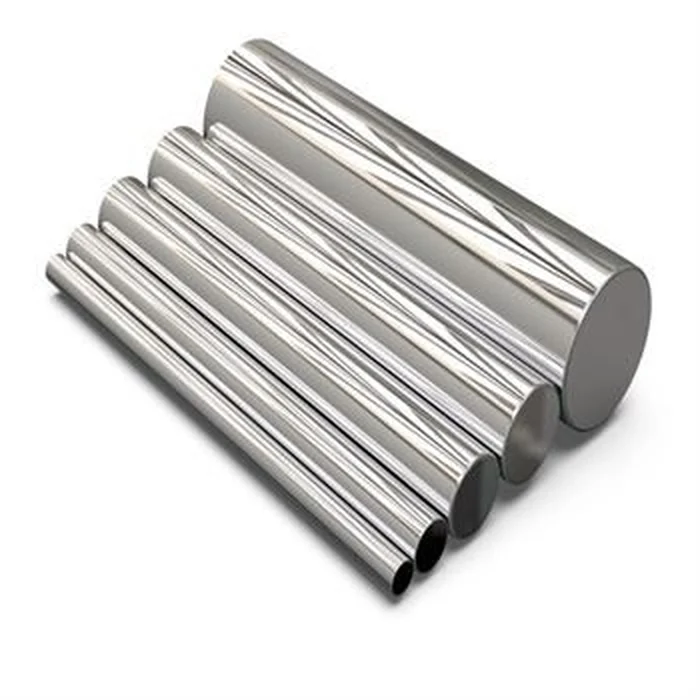
316L Stainless Steel Bar
316L is widely used in the chemical industry for its corrosion resistance. It is a derivative of 18-8 austenitic stainless steel…
View specifications →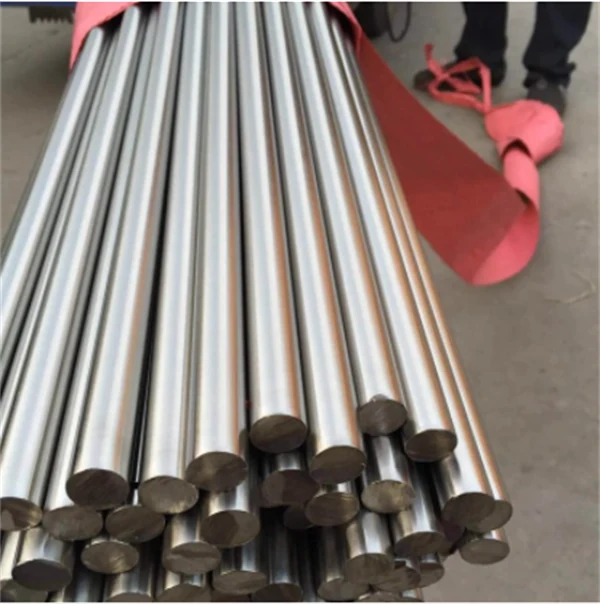
316 Stainless Steel Bar
316 stainless steel bar carries high nickel and chromium, which gives it oxidation resistance, corrosion resistance, acid and…
View specifications →Frequently Asked Questions
Is 316L weaker than 316
Does 316L cost more than 316
Do I still need 316L if the part is not welded
What is dual certified 316/316L
Apply This to Your Own Specification
Send the service conditions and the grade recommendation comes back with a quotation for the sizes you need.