
Chemical Processing
Chemical plants are where material selection stops being a cost decision. Sulphuric, phosphoric, acetic, nitric and hydrochloric acid each defeat a different alloy, and the grade that works in one stream will fail in the next.…
What This Sector Is Up Against
Chemical plants are where material selection stops being a cost decision. Sulphuric, phosphoric, acetic, nitric and hydrochloric acid each defeat a different alloy, and the grade that works in one stream will fail in the next. This is the sector our super austenitic and nickel alloy programme exists for.
Pain Points
- 316L equipment thinning in dilute sulphuric and phosphoric acid
- Pitting and crevice attack in concentrated chloride solutions
- Grain boundary precipitation in the weld zone of nickel alloy fabrications
- Mixed acid streams where no single standard stainless holds up
What Buyers Need
- Super austenitic and nickel grades matched to the actual acid and temperature
- Plate, pipe, bar and fittings in one grade for a complete circuit
- Solution annealed delivery condition so corrosion resistance is intact on arrival
- Documentation that satisfies pressure equipment rules
Products That Suit This Sector
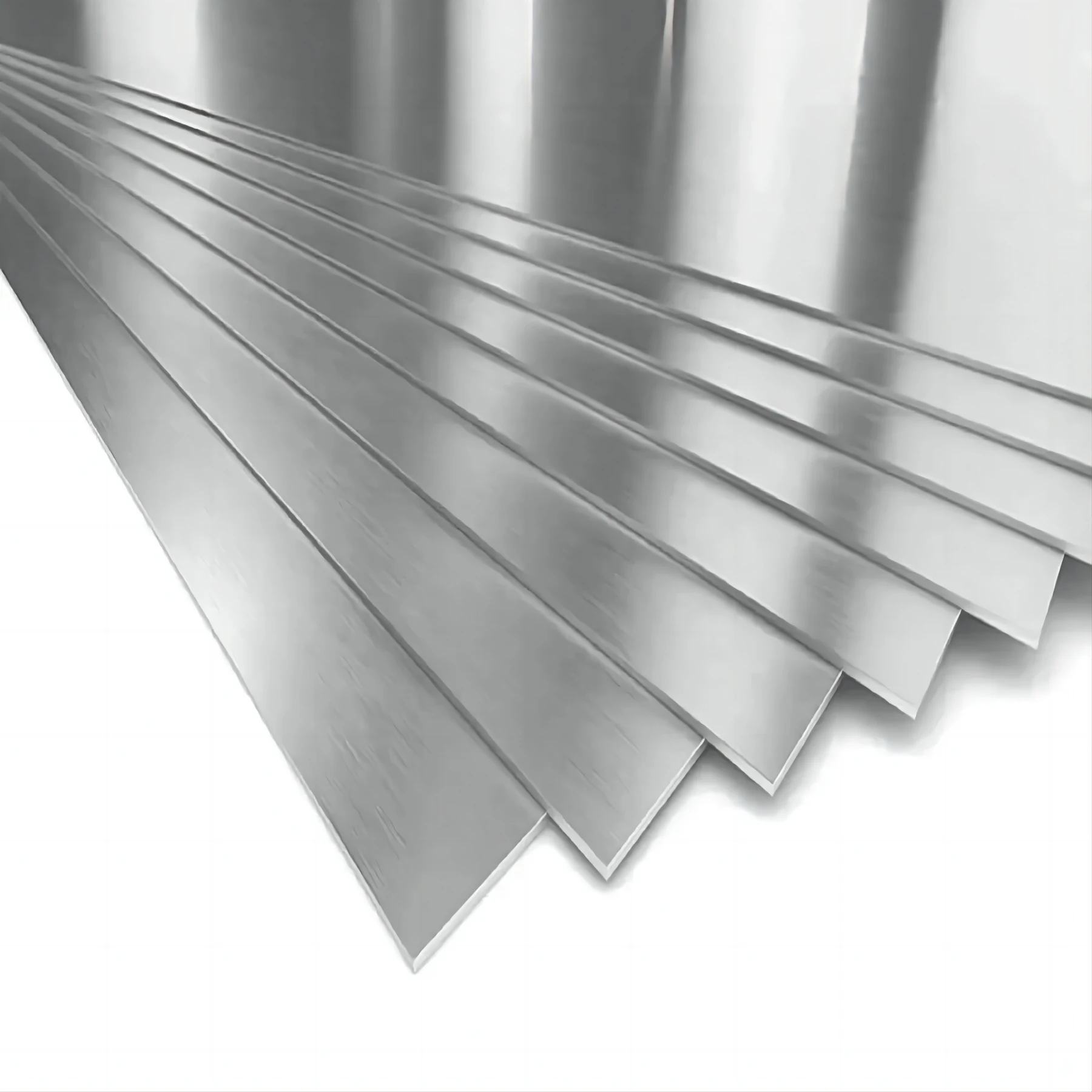
904L Stainless Steel Plate
904L stainless steel plate is a highly alloyed austenitic grade with very low carbon, high chromium, sufficient nickel and an…
View specifications →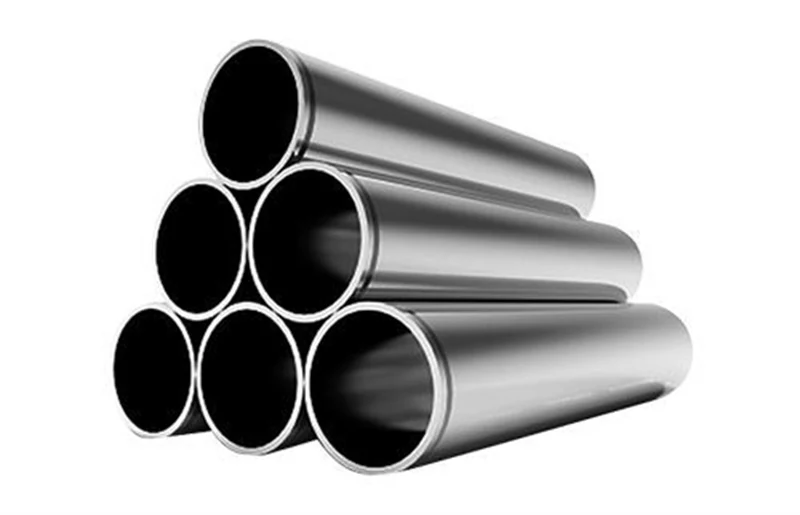
904L Stainless Steel Pipe
904L is one of the strongest stainless grades for corrosion resistance, written as 1.4539 or X1NiCrMoCu25-20-5 under EN and as UNS…
View specifications →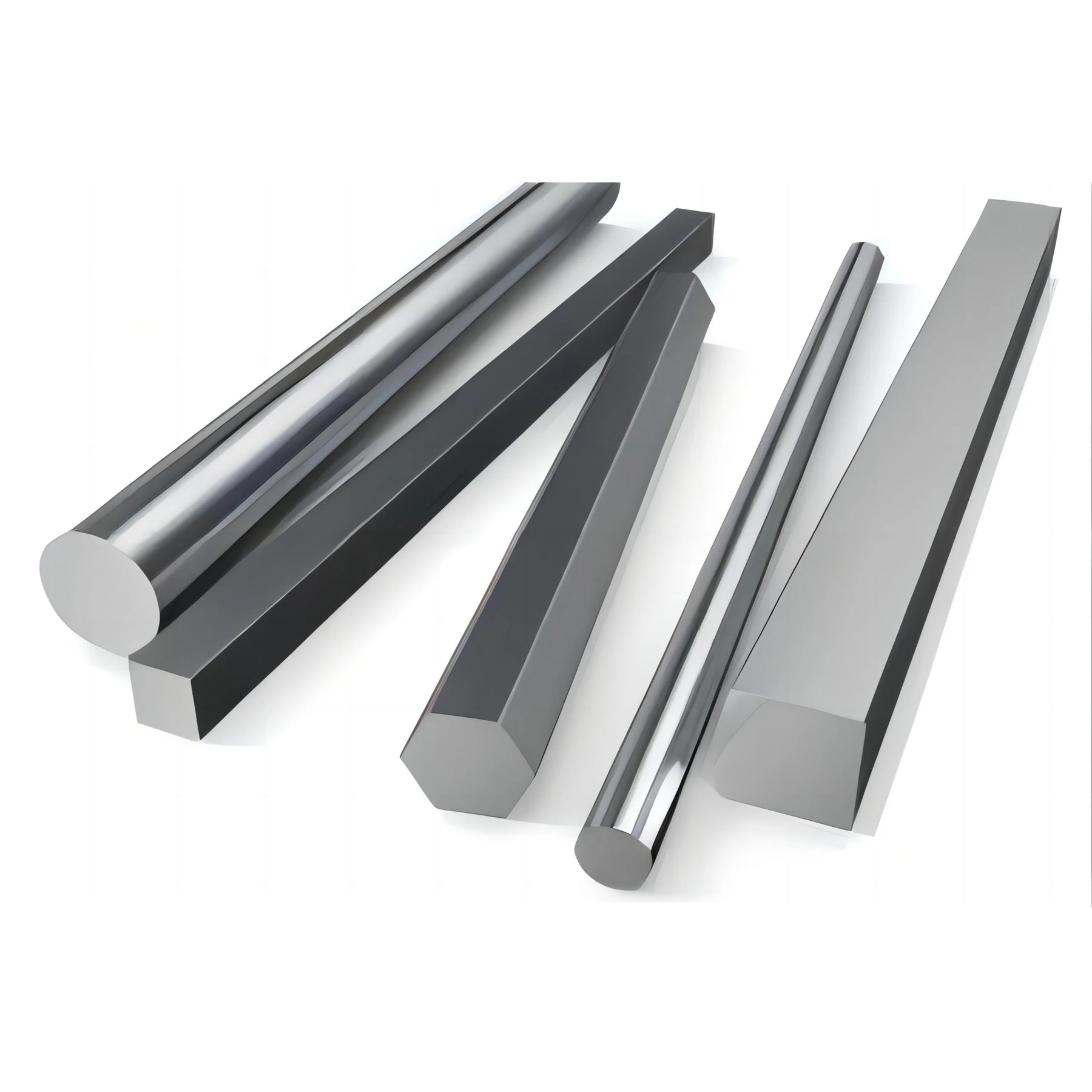
904L Stainless Steel Bar
904L bar is a low carbon, high nickel and molybdenum super austenitic stainless steel with strong activation and passivation…
View specifications →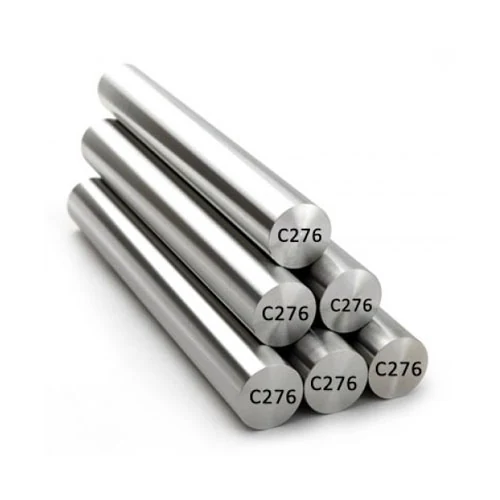
Hastelloy C-276 Alloy N10276
Hastelloy C-276 is a nickel molybdenum chromium alloy with tungsten, designated UNS N10276. High molybdenum and chromium let it…
View specifications →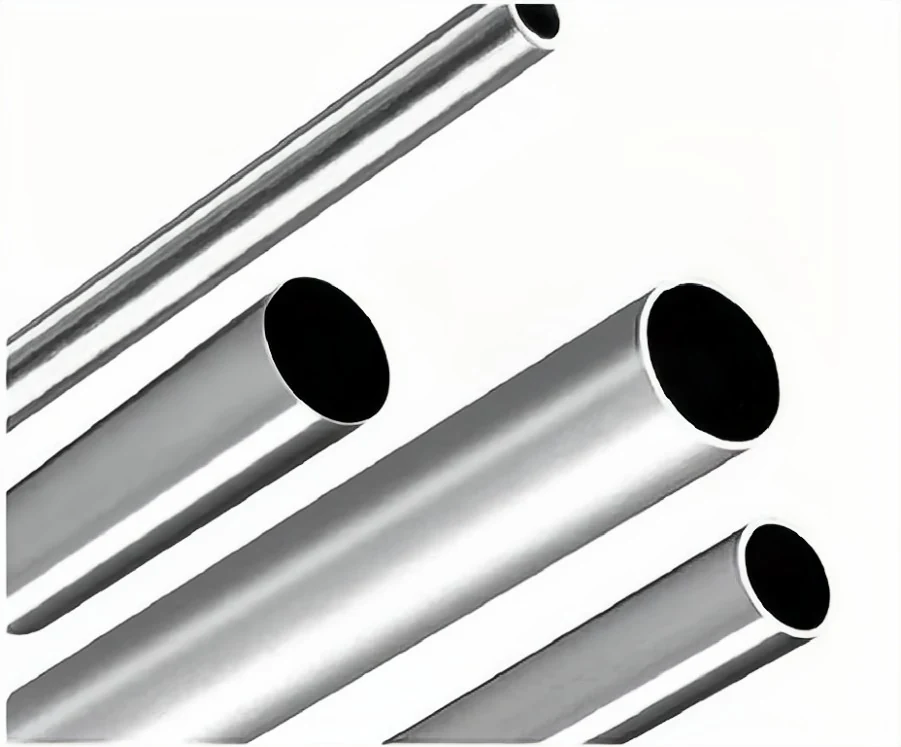
Hastelloy G30 Alloy N06030
Hastelloy G30 is a nickel base superalloy of nickel, chromium, cobalt and tungsten with a nickel content of about 37 percent and a…
View specifications →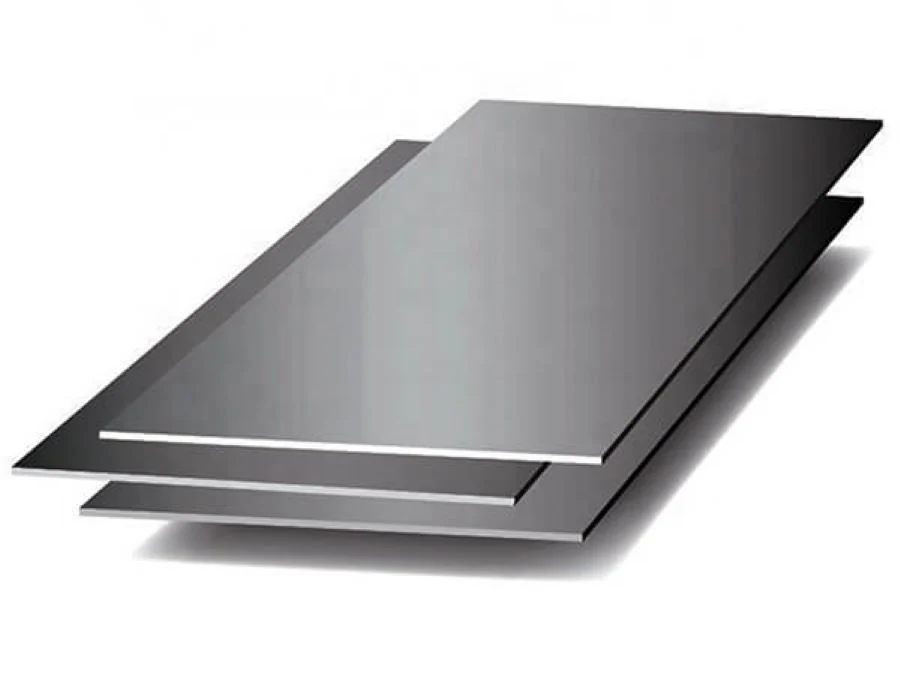
2205 Duplex Stainless Steel Sheet
2205 duplex stainless steel, UNS S32205 and S31803, is a 22 percent chromium, 3 percent molybdenum, 5 to 6 percent nickel and…
View specifications →Typical Application Scenarios
- Dilute sulphuric acid vessels and ducting in 904L
- Wet process phosphoric acid equipment in Hastelloy G30
- Chlorine dioxide and hypochlorite systems in Hastelloy C-276
- Scrubber internals and flue gas cleaning in 2205 duplex
Delivery Terms for This Sector
- 15 to 20 days on made to order sheet and reducers
- Sea freight supported on heavy plate orders
- Third party inspection by SGS or BV arranged before shipment
From Enquiry to Container
Step 1
Establish the acid, the concentration, the temperature and whether the service is oxidising or reducing
Step 2
Shortlist between 904L, duplex, C-276 and G30 on that basis
Step 3
Confirm the product forms needed so the whole circuit stays in one grade
Step 4
Supply solution annealed material with the mill test certificate
Step 5
Add PED or third party inspection documents where the order requires them
Chemical Processing Questions
When should I move from 316L to 904L
What is the difference between G30 and C-276
Does welding damage the corrosion resistance of these alloys
Can duplex replace a nickel alloy
Do you supply PED documentation
Supplying Chemical Processing
Tell us the medium, the temperature and the standard you work to and the grade recommendation comes back with the quotation.