
Why Stainless Steel Rusts and What the Passive Film Is Doing
Brown spots on a stainless surface surprise people who believe stainless cannot rust. It can, under specific conditions, and understanding the passive film explains both why it usually does not and why it sometimes does.
The Passive Film
The corrosion resistance of stainless steel rests on passive film theory. The passive film is a thin layer composed mainly of Cr2O3 on the surface. Because it is there, corrosion of the substrate by various media is hindered, and that phenomenon is called passivation. All stainless steels on the market rely on the presence of chromium for this.
How the Film Forms
There are two routes. Stainless steel has an ability to self passivate, and that ability accelerates as chromium content rises, which is where its rust resistance comes from. More broadly, the film also forms while the steel is being corroded in aqueous electrolytes, which then hinders further corrosion. When the film is damaged, a new one can form immediately.
Why the Film Works
Three characteristics explain its resistance. It is extremely thin, generally only a few microns when chromium content exceeds 10.5 percent. Its specific gravity is greater than that of the substrate, so it is both thin and dense and hard for a corrosive medium to break down quickly. And the chromium concentration in the film is more than three times that of the substrate.
Related product: 316L Stainless Steel Sheet
What Actually Causes the Brown Spots
Rust spots appear when the film is broken faster than it can reform, or when something else is rusting on the surface. The usual causes on a new installation are embedded iron from carbon steel tooling, grinding dust, or chloride attack that pits the film locally. The stainless is not defective, but the surface condition is.
How to Prevent It
Keep stainless away from carbon steel racking, clamps and grinding wheels during fabrication. Pickle and passivate welds and thermally cut edges before the equipment enters service. Where chlorides are present, move up a grade rather than relying on cleaning, since 316L, 2205 duplex and the nickel alloys each raise the threshold at which the film breaks down.
Products Covered in This Guide
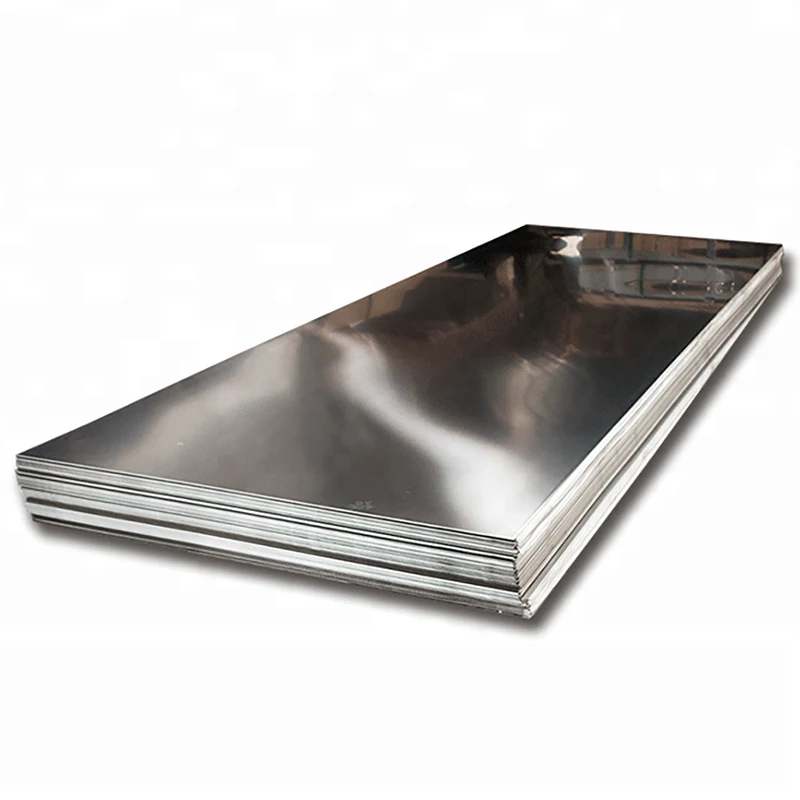
316L Stainless Steel Sheet
Grade 316 is the standard molybdenum bearing austenitic stainless steel, second only to 304 in importance. The molybdenum gives it…
View specifications →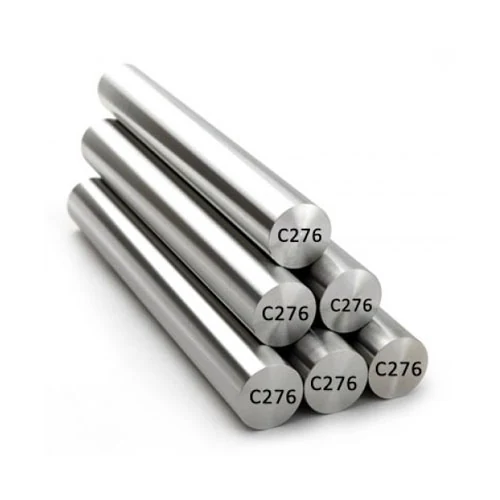
Hastelloy C-276 Alloy N10276
Hastelloy C-276 is a nickel molybdenum chromium alloy with tungsten, designated UNS N10276. High molybdenum and chromium let it…
View specifications →
2205 Duplex Stainless Steel Sheet
2205 duplex stainless steel, UNS S32205 and S31803, is a 22 percent chromium, 3 percent molybdenum, 5 to 6 percent nickel and…
View specifications →Frequently Asked Questions
Does stainless steel rust
How thick is the passive film
Can the passive film repair itself
Why do rust spots appear on new stainless equipment
Apply This to Your Own Specification
Send the service conditions and the grade recommendation comes back with a quotation for the sizes you need.