
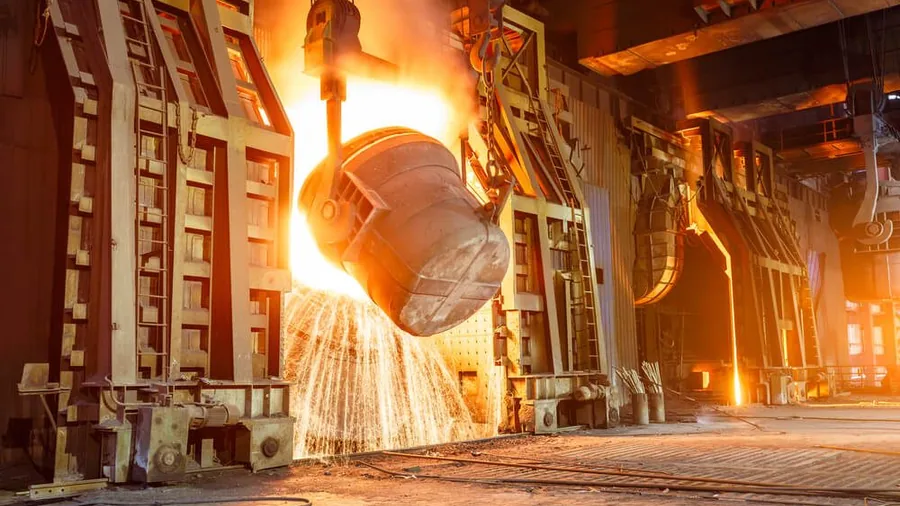
Power Generation and Nuclear
Power and nuclear work is dominated by two failure modes: oxidation at temperature and chloride stress corrosion cracking in water circuits. The grades here are chosen for one or the other, and the paperwork matters as much as…
What This Sector Is Up Against
Power and nuclear work is dominated by two failure modes: oxidation at temperature and chloride stress corrosion cracking in water circuits. The grades here are chosen for one or the other, and the paperwork matters as much as the metal.
Pain Points
- Scaling and loss of section in furnace and boiler hardware
- Chloride ion stress corrosion cracking in hot water and steam circuits
- High purity water corrosion in nuclear circuits
- Material traceability requirements that ordinary supply cannot meet
What Buyers Need
- Heat resistant grades rated well above the operating temperature
- Nickel chromium alloys for chloride stress corrosion and alkali resistance
- Full heat traceability and third party inspection
- Stabilised grades for welded high temperature spools
Products That Suit This Sector
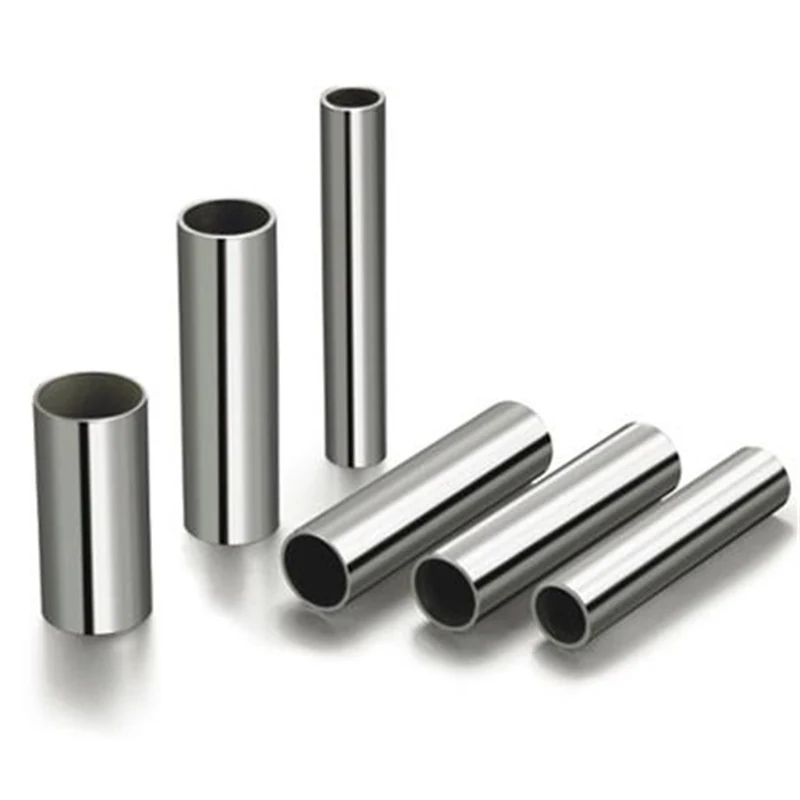
310S Stainless Steel Pipe
310S, also known as 1.4845 or X8CrNi25-21 under EN and UNS S31008, is the grade used in very high temperature environments.…
View specifications →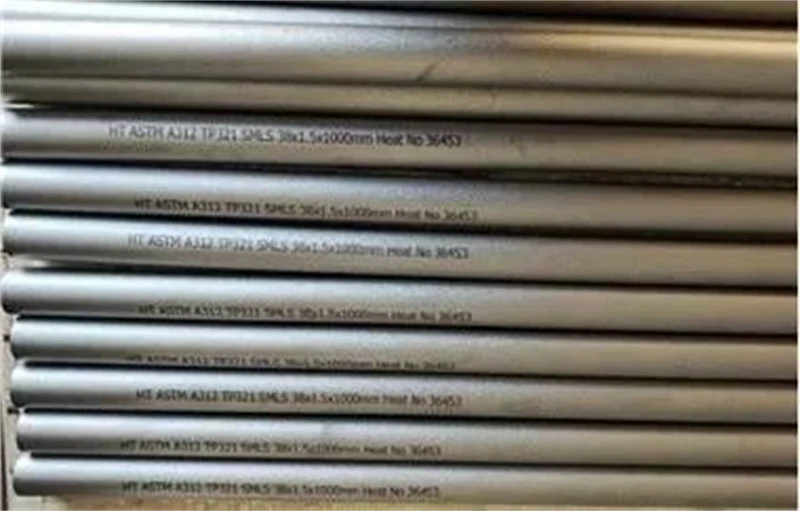
321 Stainless Steel Pipe
321 is the titanium stabilised austenitic grade preferred for heat resistant applications, written as 1.4541 or X6CrNiTi18-10 under…
View specifications →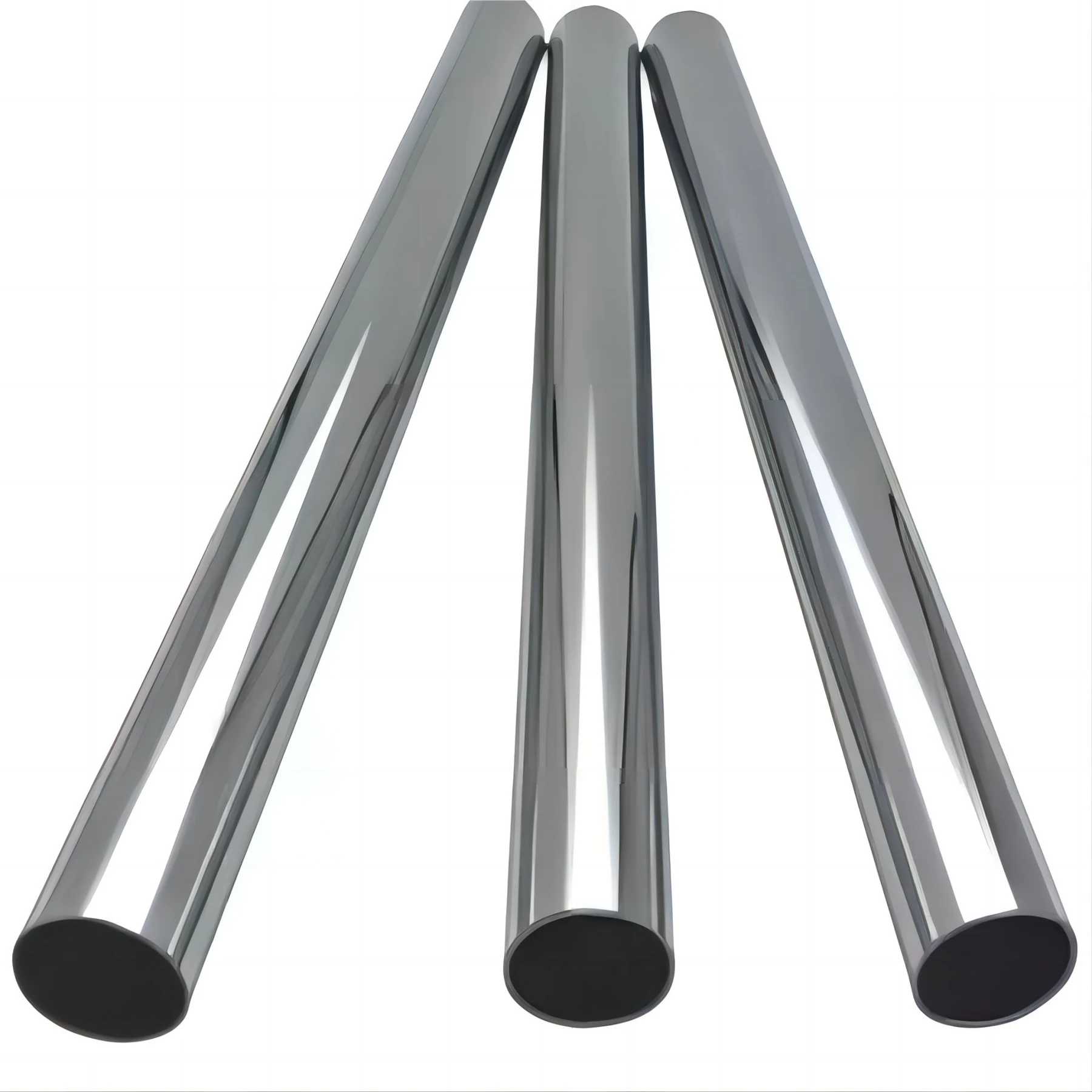
Inconel 600 Alloy N06600
Inconel 600 is a nickel chromium alloy with good oxidation resistance at high temperature. It resists chloride ion stress corrosion…
View specifications →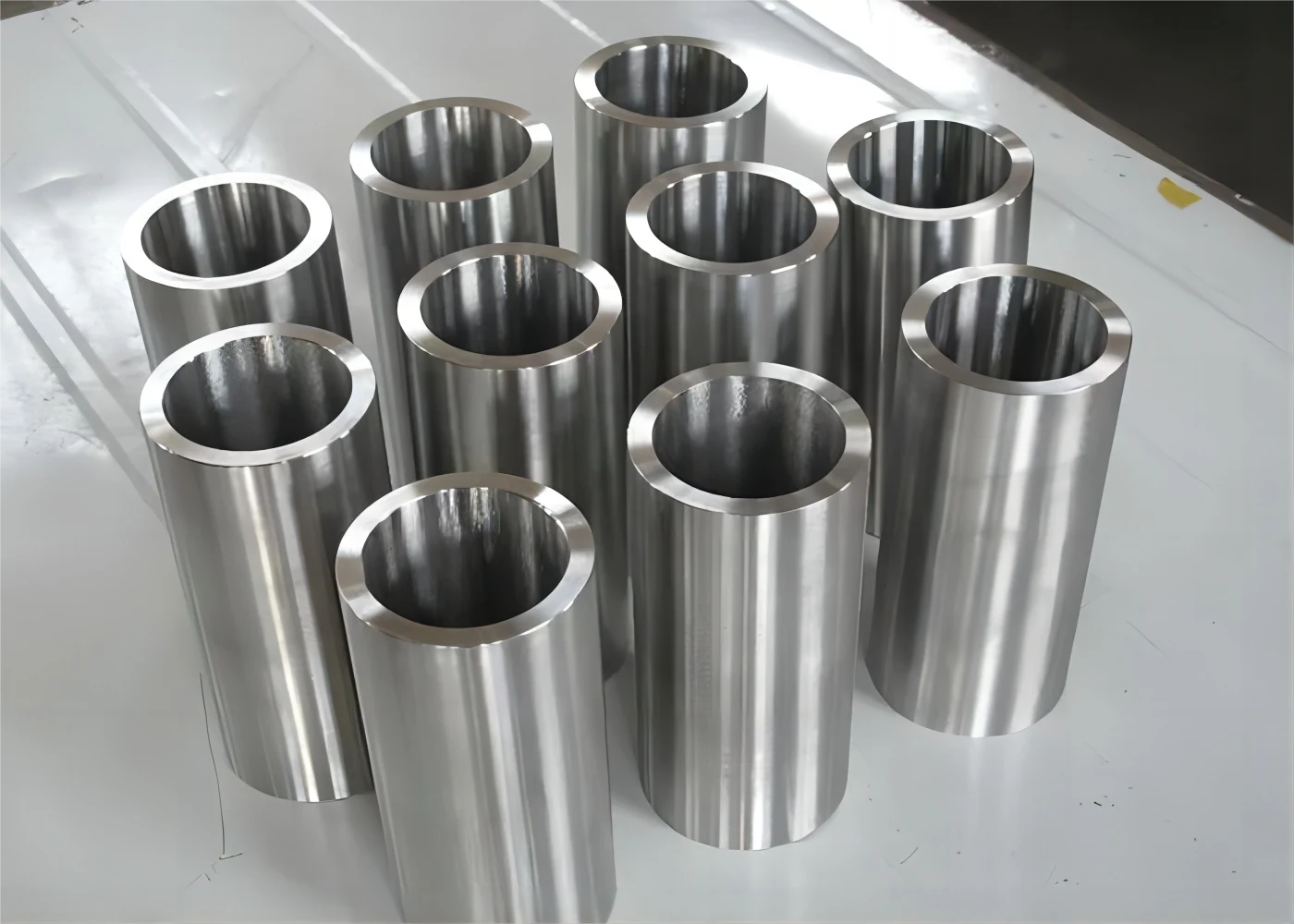
Inconel 625 Alloy N06625
Inconel 625 is a nickel chromium molybdenum alloy with a niobium addition that hardens the alloy together with aluminium, so it…
View specifications →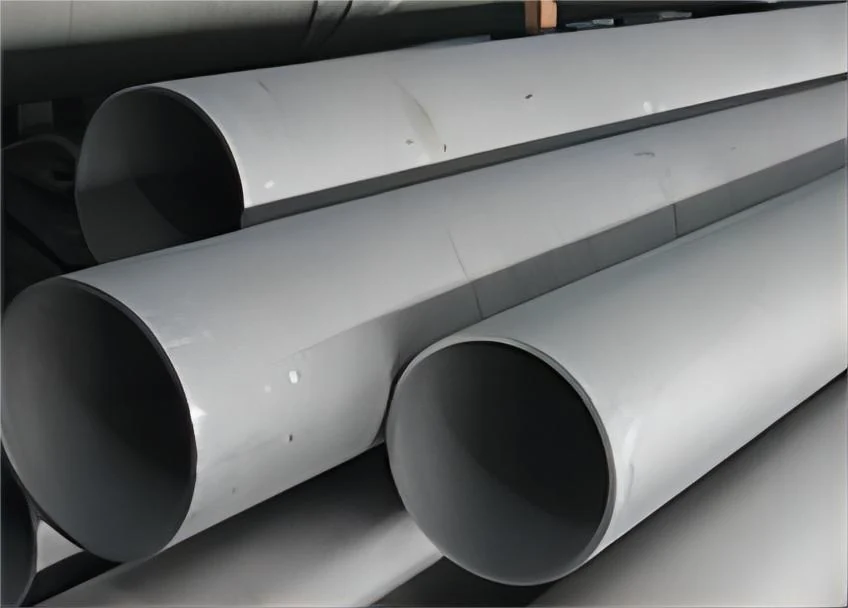
ASTM A213 TP347 Cold Finished Seamless Pipe 168.3 x 4.2 x 8000 mm
This is a cold finished TP347 seamless pipe supplied to ASME B36.19 dimensions and ASTM A213 material requirements, in a fixed size…
View specifications →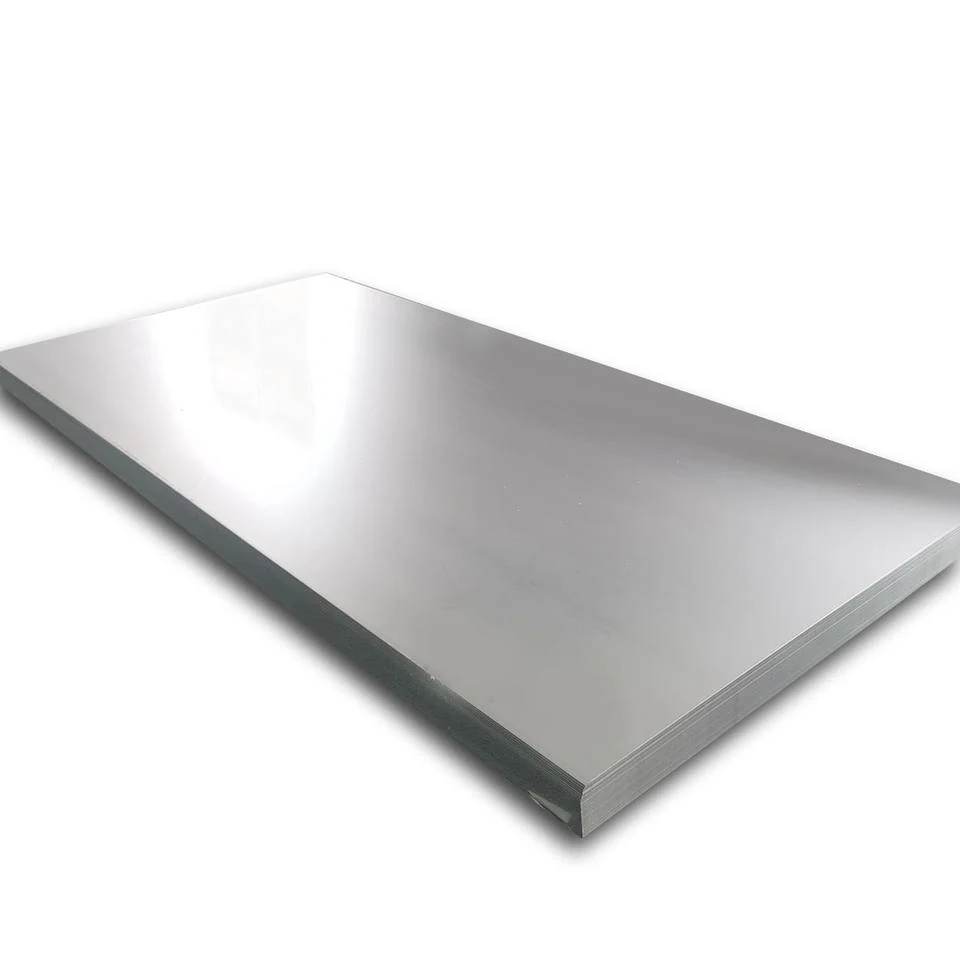
409 Stainless Steel Plate and Sheet
Grade 409 is a thermostable ferritic stainless steel with better oxidation and corrosion resistance than carbon steel. This…
View specifications →Typical Application Scenarios
- Furnace radiant tubes and retort piping in 310S
- Nuclear circuit components in Inconel 600 running high purity water
- Boiler and incinerator hot gas ducting
- Welded high temperature spools in TP347 and 321
Delivery Terms for This Sector
- Solution annealed delivery condition on the heat resistant grades
- Packing in woven bags and wooden cases
- Inspection by third party agencies arranged before release
From Enquiry to Container
Step 1
Fix the continuous operating temperature, not the peak, before selecting the grade
Step 2
Choose between 321, 310S and nickel chromium alloys on that basis
Step 3
Confirm stabilisation and filler metal for any welded assembly
Step 4
Record heat numbers and issue certificates traceable to them
Step 5
Arrange DNV, LR, ABS, TUV or CCS inspection where the project requires it
Power Generation and Nuclear Questions
What temperature can 310S handle
When should I use Inconel 600 rather than a stainless grade
Which grade suits a welded high temperature spool
Can you provide third party inspection for a nuclear project
Do you hold pressure equipment approvals
Supplying Power Generation and Nuclear
Tell us the medium, the temperature and the standard you work to and the grade recommendation comes back with the quotation.