
Alloy Grade Selection
Most alloy failures start as a specification decision made without the full service condition. This is the sequence we work through with buyers before quoting, so the grade is chosen against the medium rather than against the…
Why This Sequence Exists
Most alloy failures start as a specification decision made without the full service condition. This is the sequence we work through with buyers before quoting, so the grade is chosen against the medium rather than against the price list.
Define the Medium
A grade picked from a catalogue rather than from the process stream is the most common cause of early failure. We ask for the chemistry, the concentration, the temperature and whether the service is oxidising or reducing, because that single split separates Hastelloy C-276 from Hastelloy G30 and 904L from 2205.
Check the Chloride Level
Chlorides drive pitting, crevice attack and stress corrosion cracking, and they defeat grades that look adequate on paper. Where chlorides are present we move up from 304 to 316L, then to 2205 duplex whose pitting and crevice resistance is above 316L and 317L in almost all corrosive media, then to nickel alloys.
Account for Welding
A weld that sensitises turns the heat affected zone into the weakest part of an otherwise correct material. For site welded work we specify low carbon grades such as 316L and 304L, or stabilised grades such as 321 and TP347, and confirm the matching filler metal.
Fix the Temperature Ceiling
Continuous service temperature, not peak temperature, decides whether a grade scales or creeps. 321 holds good heat and corrosion resistance around 600 to 700 C, and where that is not enough 310 and 310S are selected, with 310S rated theoretically to 1100 C.
Match the Product Forms
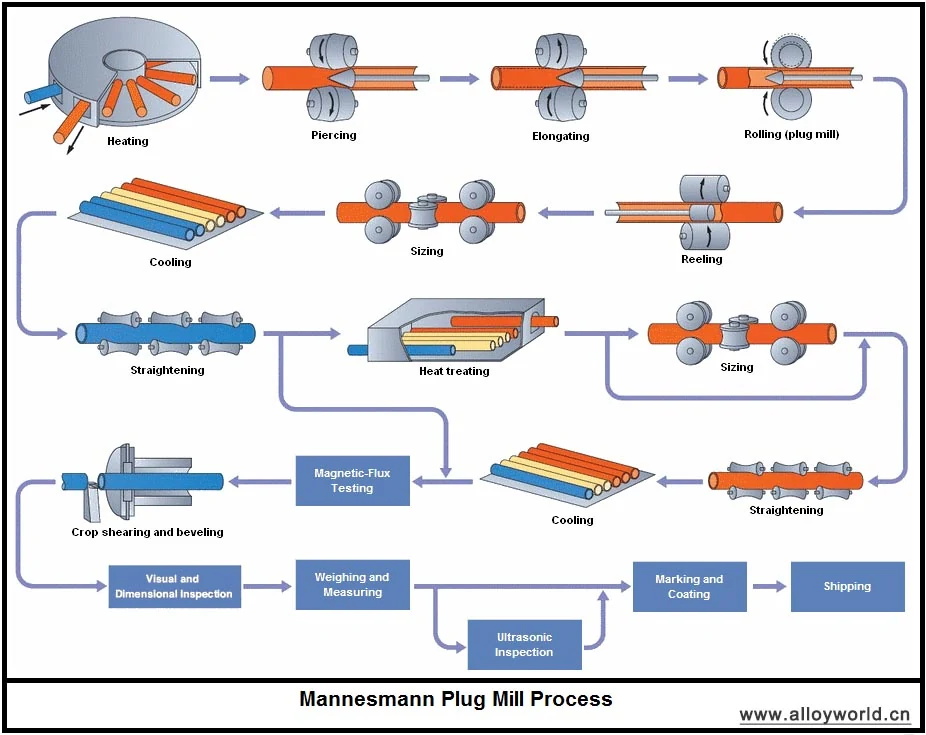
A correct grade in the pipe and a different grade in the fittings creates a galvanic and a documentation problem. Pipe, plate, bar, fittings, flanges and fasteners are produced in the same grades, so a full circuit can be quoted in one specification.
Confirm the Paperwork
Material that is correct but undocumented is rejected at site as readily as material that is wrong. We agree the certificate level at order stage, from a mill test certificate through EN 10204 3.1 to third party inspection by SGS, BV, DNV, TUV, ABS or LR.
Products This Applies To
Hastelloy C-276 Alloy N10276
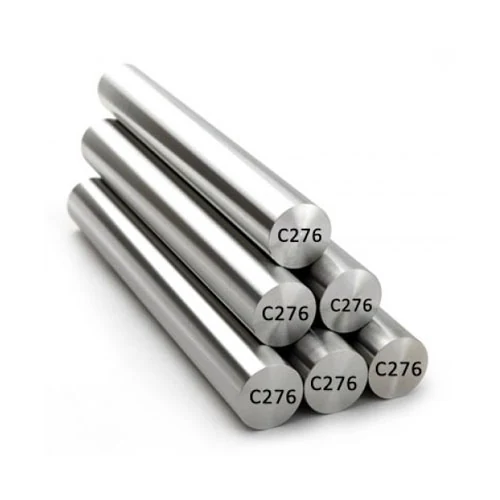
Hastelloy C-276 is a nickel molybdenum chromium alloy with tungsten, designated UNS N10276. High molybdenum and chromium let it…
View specifications →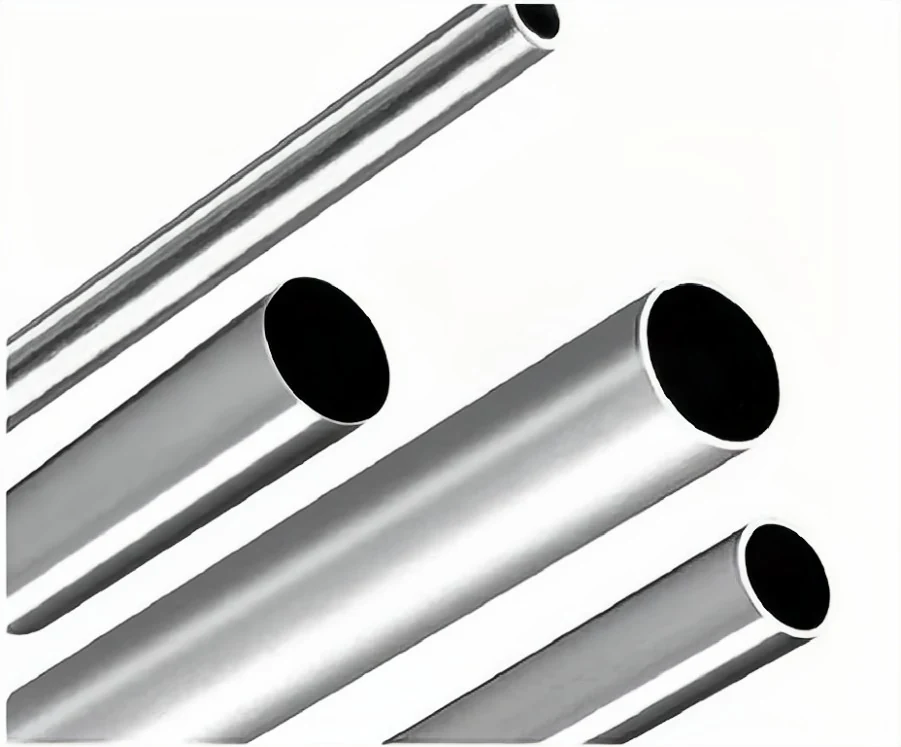
Hastelloy G30 Alloy N06030
Hastelloy G30 is a nickel base superalloy of nickel, chromium, cobalt and tungsten with a nickel content of about 37 percent and a…
View specifications →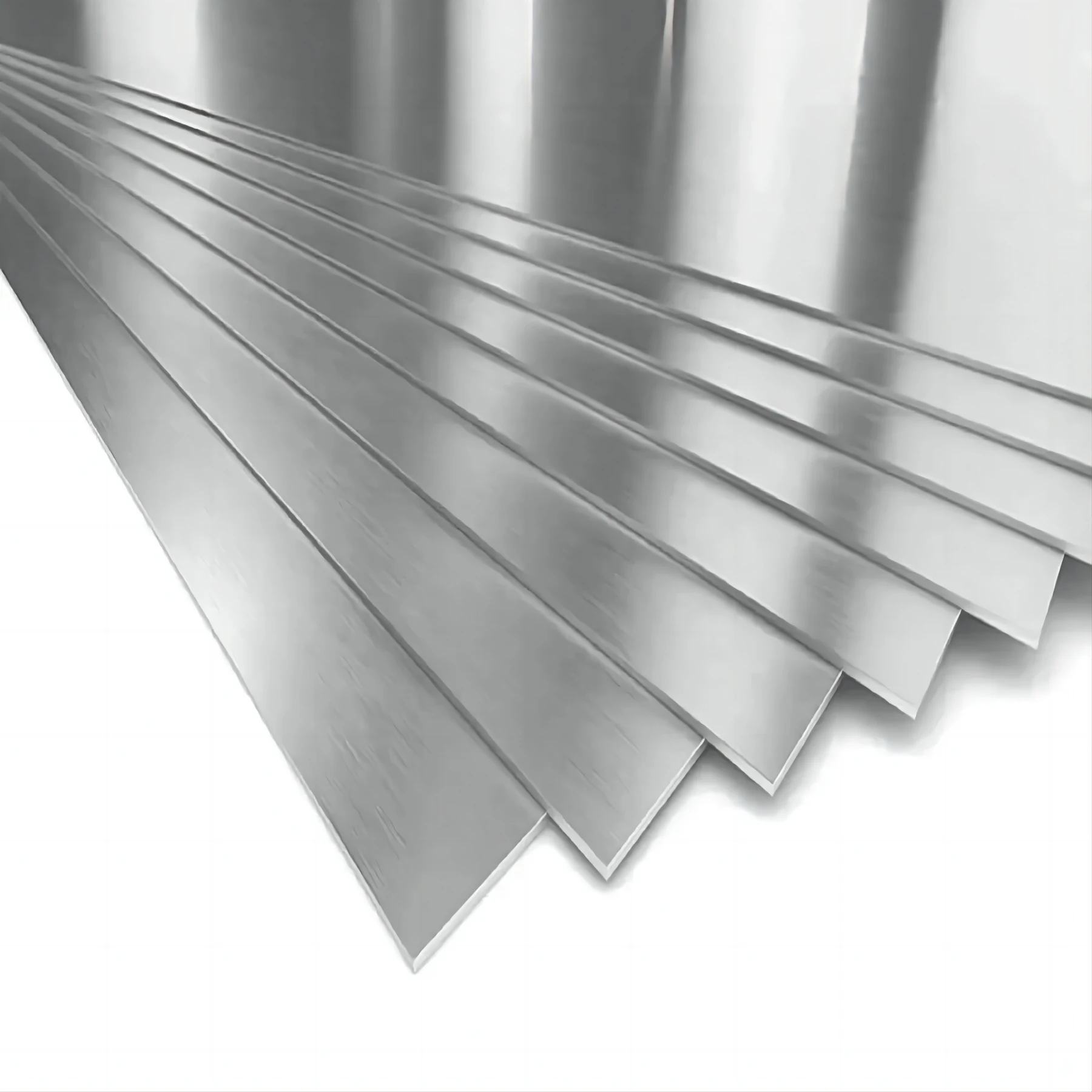
904L Stainless Steel Plate
904L stainless steel plate is a highly alloyed austenitic grade with very low carbon, high chromium, sufficient nickel and an…
View specifications →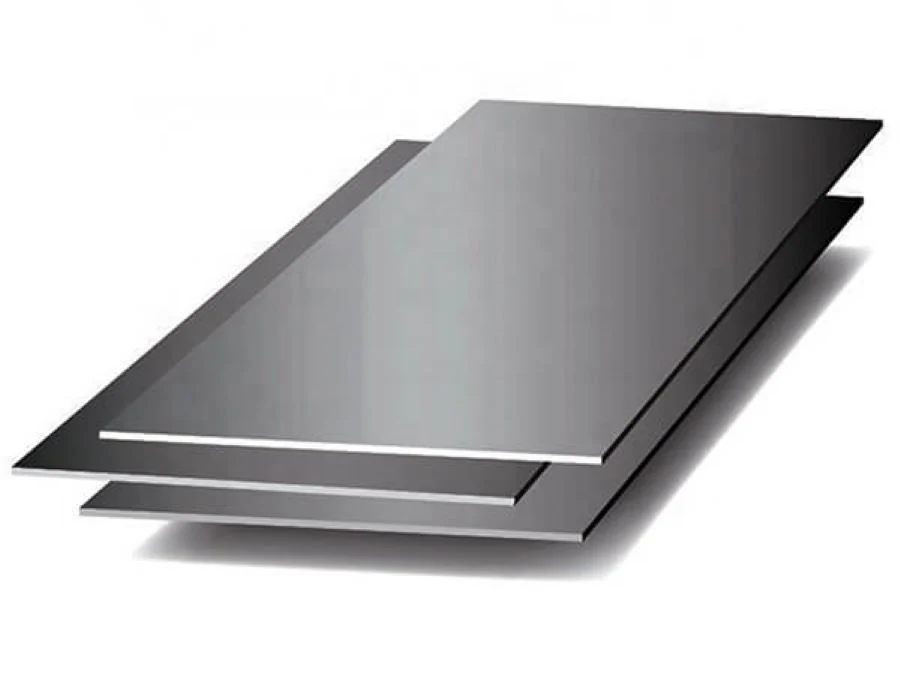
2205 Duplex Stainless Steel Sheet
2205 duplex stainless steel, UNS S32205 and S31803, is a 22 percent chromium, 3 percent molybdenum, 5 to 6 percent nickel and…
View specifications →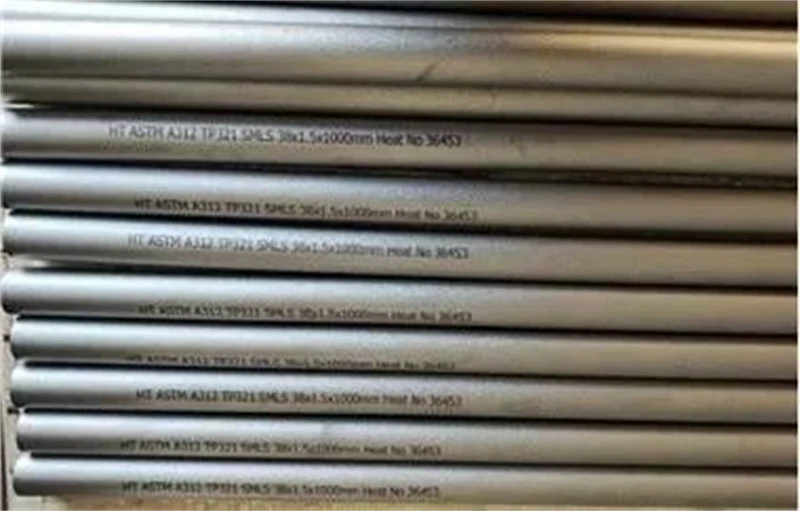
321 Stainless Steel Pipe
321 is the titanium stabilised austenitic grade preferred for heat resistant applications, written as 1.4541 or X6CrNiTi18-10 under…
View specifications →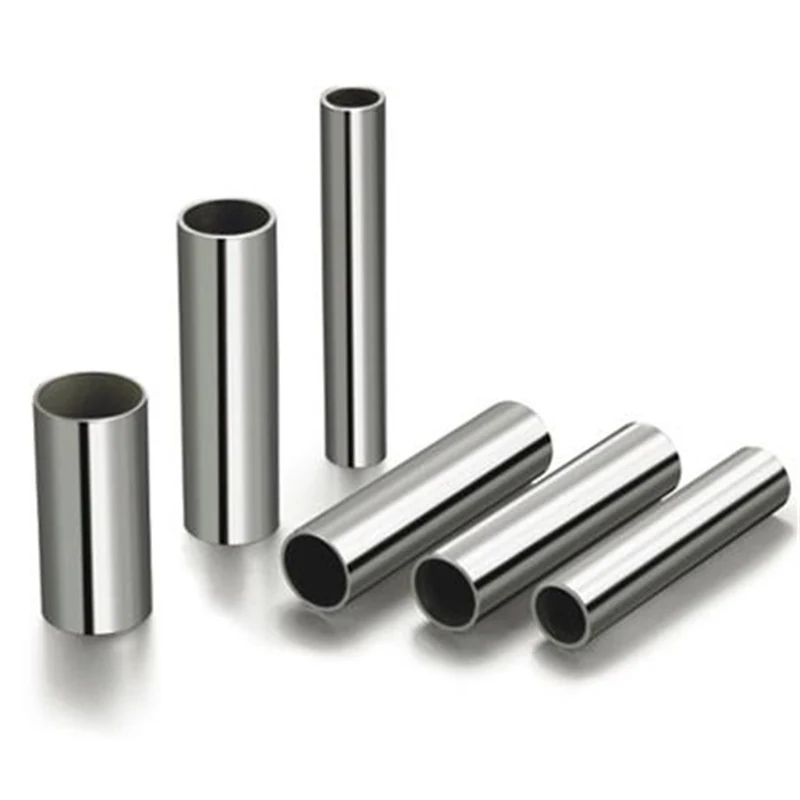
310S Stainless Steel Pipe
310S, also known as 1.4845 or X8CrNi25-21 under EN and UNS S31008, is the grade used in very high temperature environments.…
View specifications →Alloy Grade Selection Questions
What information do you need to recommend a grade
Do you charge for grade selection support
Can you supply a cheaper substitute for a specified grade
What if we do not know the chloride level
Which grades do you keep across all product forms
Alloy Grade Selection
Send the detail and the answer comes back with the quotation rather than after it.