
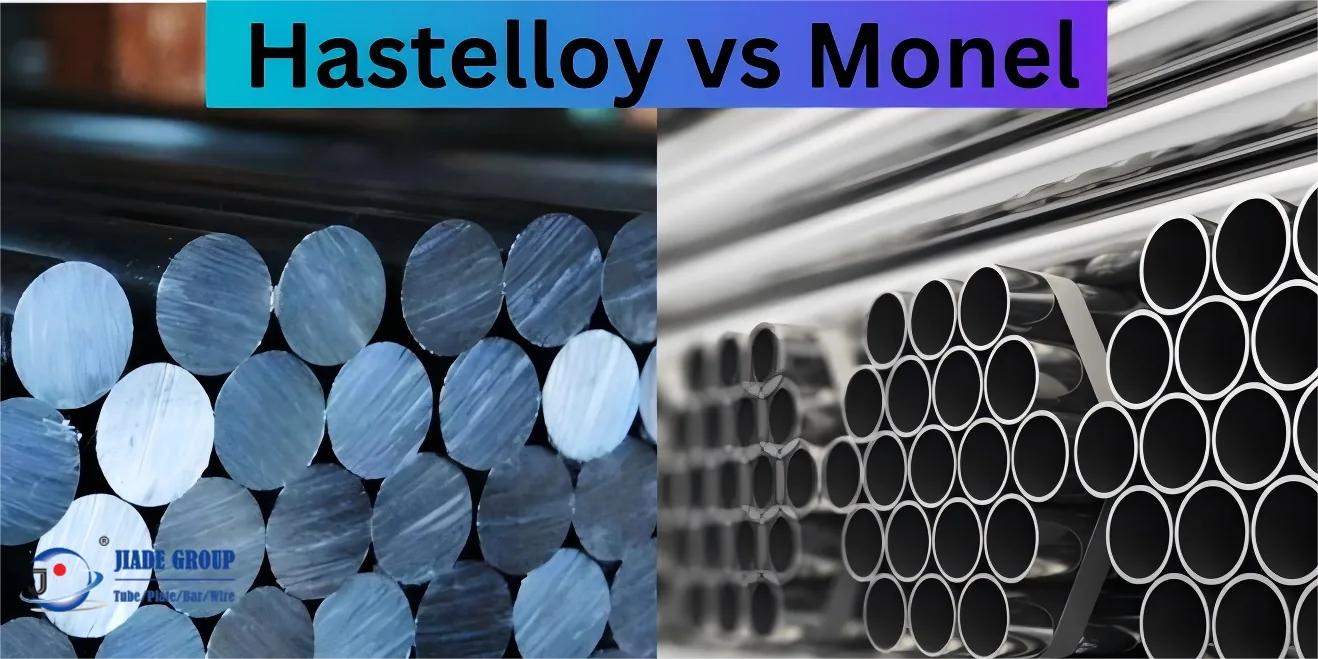
Hastelloy and Monel How to Tell Which One Your Process Needs
Both are nickel alloys and both are expensive, but they are built for different chemistry. Monel is a nickel copper alloy for alkali, hydrofluoric acid and seawater. Hastelloy is a nickel alloy for a wider range of acids including sulphuric and nitric.
What Monel Is Good At
Monel is stronger than steel, malleable and highly corrosion resistant. Beyond its superior resistance to alkali media, the group resists highly corrosive acids such as hydrofluoric and sulphuric acid. Because Monel contains a higher content of copper, it serves marine engineering applications well, and the copper also gives some resistance to biofouling, which is why Monel components work in brine solutions.
Related product: Monel 400 Alloy N04400
What Hastelloy Is Good At
Hastelloys show good resistance to acidic solutions including sulphuric, nitric, hydrochloric, hydrofluoric and chromic acid. Resistance to sulphuric acid in particular is an important contribution to processing industries, because very few alloys handle it well. The alloys also have excellent resistance to stress related corrosion cracking, and their high nickel content allows use at elevated temperature.
Related product: Hastelloy C-276 Alloy N10276
The Role of Chromium
Adding chromium to Hastelloy improves resistance to oxidation corrosion while also making the alloys resilient to uniform attack and to localised corrosion. That is the mechanism behind the high chromium grades such as G30, which is aimed at commercial phosphoric acid and highly oxidising acid media.
Related product: Hastelloy G30 Alloy N06030
Why Monel Usually Costs More
Most Monel alloys contain nickel between 60 and 70 percent, with 30 to 40 percent copper depending on the grade. Hastelloy carries less nickel in its chemistry alongside significant additions of iron and chromium. Since nickel is a commodity whose price is volatile and high, the higher nickel content makes Monel the more expensive metal of the two.
A Practical Decision Rule
If the service is seawater, brine, alkali or hydrofluoric acid, start with Monel. If it is a mixed acid stream, wet chlorine, hypochlorite or concentrated chloride, start with Hastelloy. If the part is highly loaded as well as wetted, step up to Monel K500 rather than Monel 400.
Products Covered in This Guide
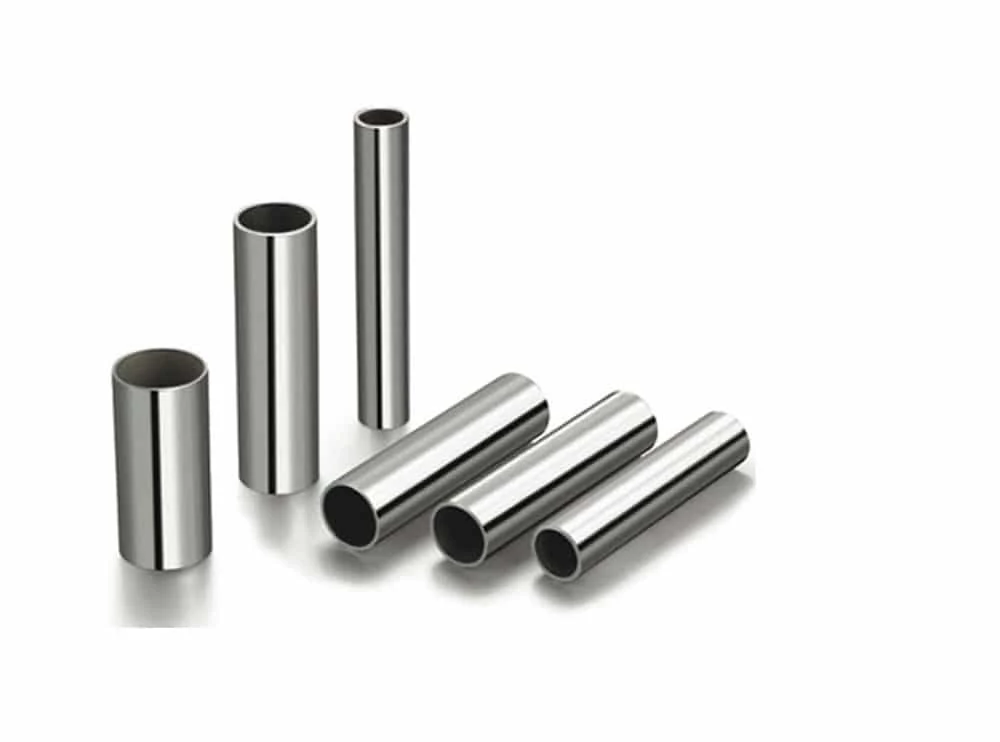
Monel 400 Alloy N04400
Monel 400 is a nickel copper alloy with high strength and broad corrosion resistance, including seawater, hydrofluoric acid,…
View specifications →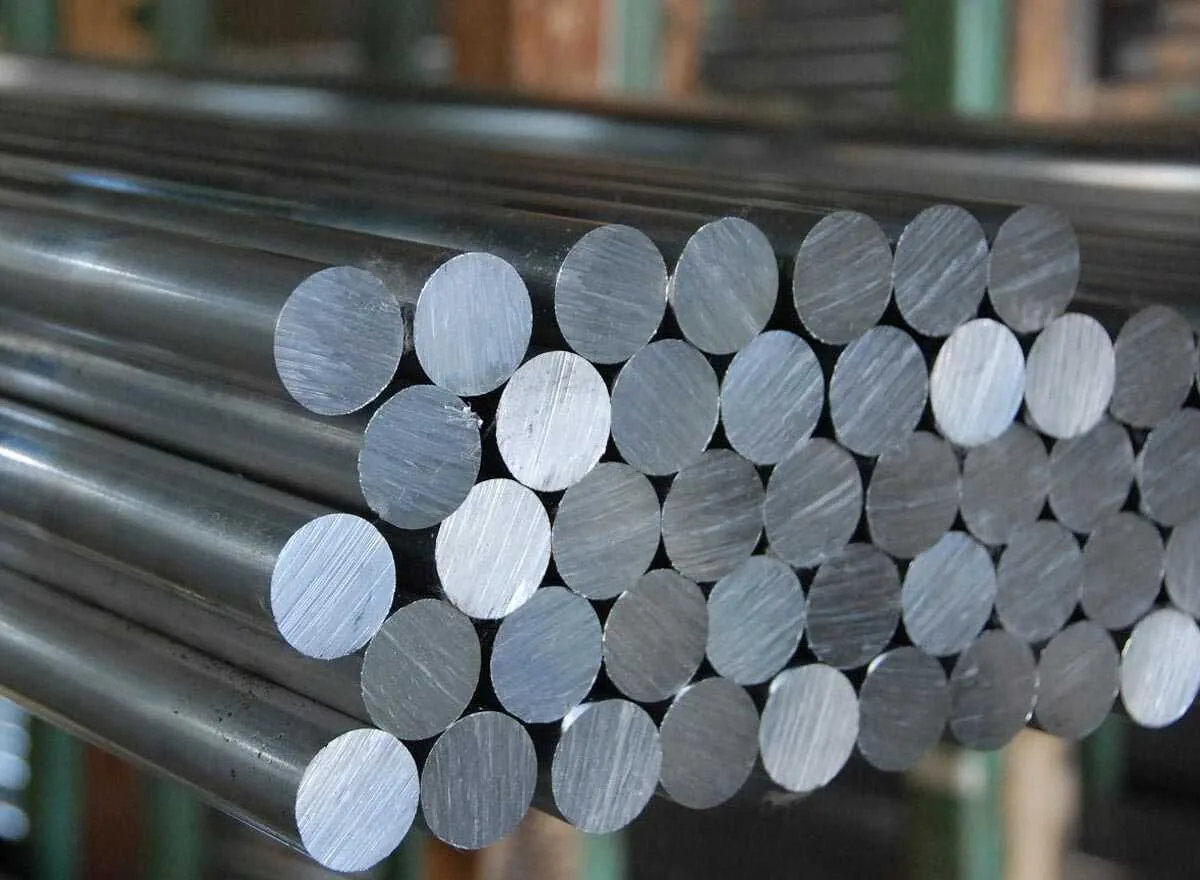
Monel Alloy K500
Monel Alloy K500 is a nickel copper superalloy with high strength and strong corrosion resistance in marine environments. It is…
View specifications →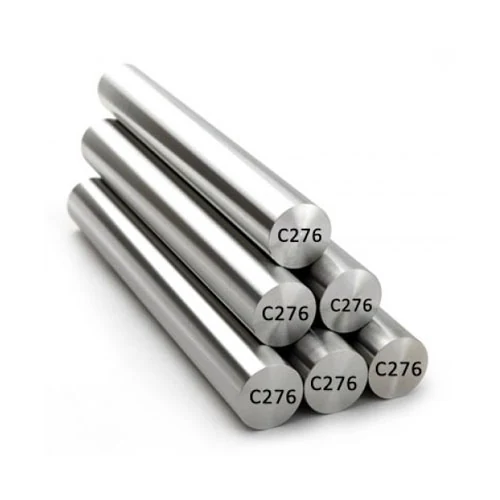
Hastelloy C-276 Alloy N10276
Hastelloy C-276 is a nickel molybdenum chromium alloy with tungsten, designated UNS N10276. High molybdenum and chromium let it…
View specifications →
Hastelloy G30 Alloy N06030
Hastelloy G30 is a nickel base superalloy of nickel, chromium, cobalt and tungsten with a nickel content of about 37 percent and a…
View specifications →Frequently Asked Questions
How much nickel is in Monel
Which acids does Hastelloy resist
Why is Monel good in seawater
Which is more expensive
Apply This to Your Own Specification
Send the service conditions and the grade recommendation comes back with a quotation for the sizes you need.