
Surface Treatment Options for Precision Stainless Tube
Precision tube is better than ordinary tube in size, performance and appearance, and the surface treatment is a large part of why. Three families of treatment cover almost every requirement.
Removing the Scale
Oxide scale is the layer of black hard material that appears on the surface during welding or high temperature treatment in forming. It is removed either by mechanical polishing or by pickling and passivation. Mechanical polishing tackles the oxidation physically and is simple and quick, but it can affect the precision of the tube body.
Related product: 316L Stainless Steel Pipe
Pickling and Passivation
Pickling and passivation uses chemistry rather than abrasion, so it has little effect on the precision of a precision tube. It also removes other stains and scars from the surface at the same time, which is why it is the classic surface oxidation treatment for this product.
Polishing Levels
Precision tube is usually made from 304 and 316L raw material whose surface starts at about 600 mesh brightness. As surface expectations rise, polishing is divided into bright and mirror levels, achieved by mechanical polishing, chemical polishing or electrochemical polishing depending on the gloss required.
Related product: Mirror Finish Stainless Steel Sheet
Brushed and Drawn Finishes
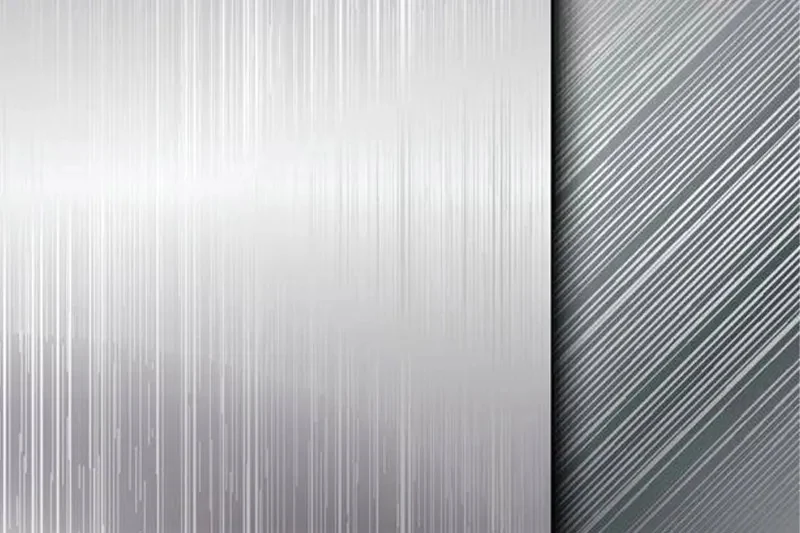
For a textured rather than reflective effect, the surface is polished progressively to produce a brushed finish, generally described as wire drawing. The common types are straight wire drawing, round wire drawing, snowflake wire drawing and nylon wire drawing, each reading differently under light.
Related product: Hairline Finish Stainless Steel Sheet
Colouring
The original colouring processes for stainless tube were painting, spraying and electroplating. Because traditional colouring has an environmental impact, the industry has moved toward alternatives, so state the colour requirement early and confirm the process that will be used.
Products Covered in This Guide
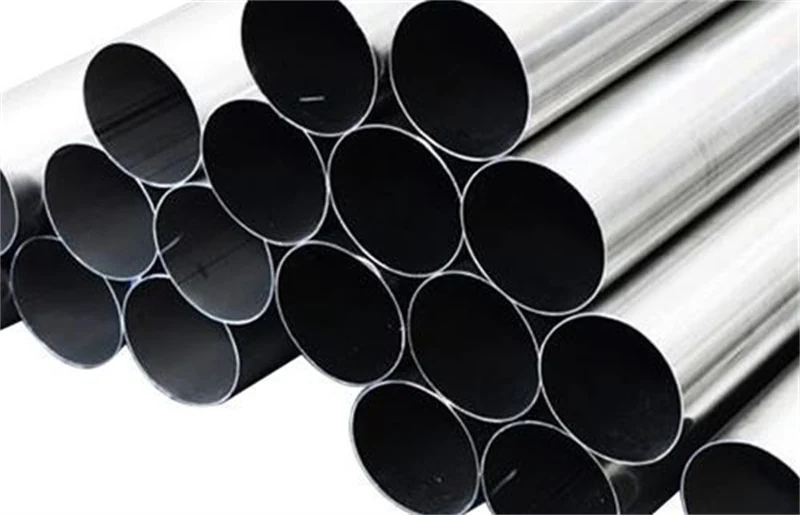
316L Stainless Steel Pipe
316L stainless steel pipe is a hollow round steel bar used in petroleum, chemical, medical, food, light industry, machinery and…
View specifications →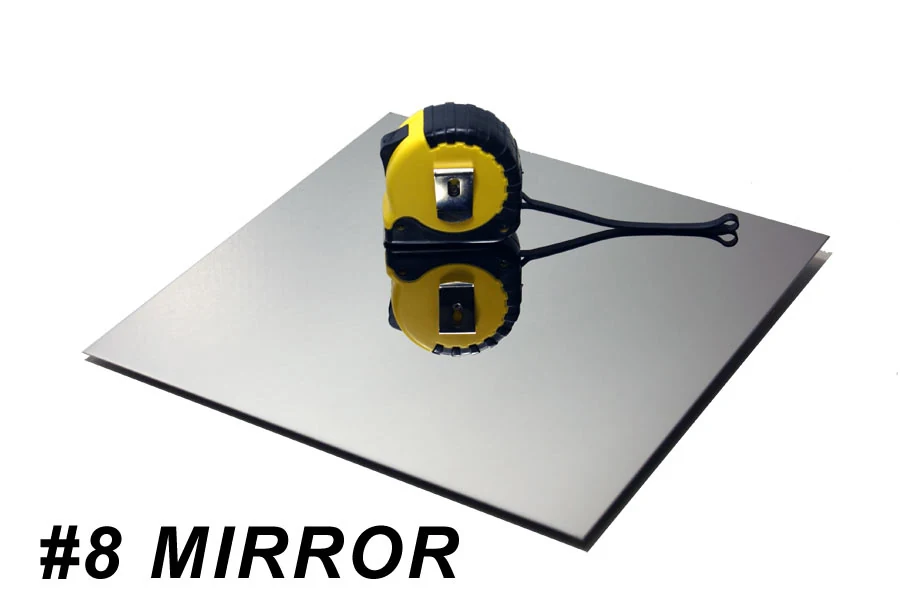
Mirror Finish Stainless Steel Sheet
A mirror finish is a bright non directional surface polished with a 1000 grit abrasive belt and then buffed. EN 10088-2 classifies…
View specifications →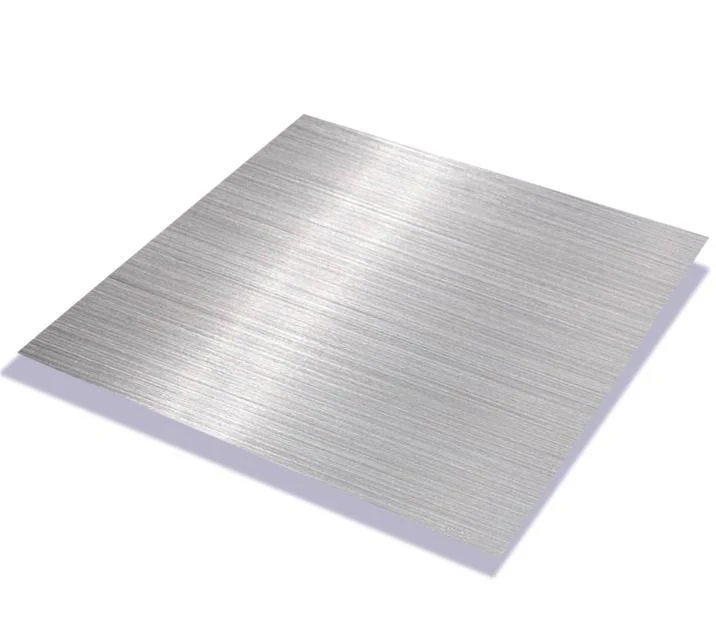
Hairline Finish Stainless Steel Sheet
A hairline finish is a directional surface where the metal carries a straight, fine grain running the length of the sheet. The…
View specifications →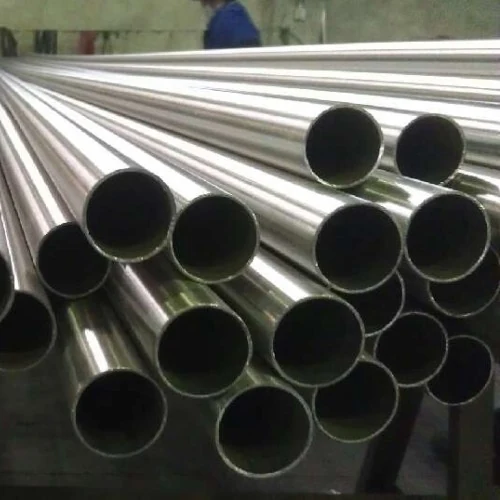
201 Stainless Steel Pipe
201 stainless steel pipe is produced as decorative pipe, industrial pipe, boiler pipe to A249 TP201, seamless pipe and A213 TP201…
View specifications →Frequently Asked Questions
Should I specify mechanical polishing or pickling for scale removal
What brightness does precision tube start at
What types of brushed finish are available
Can the tube be coloured
Apply This to Your Own Specification
Send the service conditions and the grade recommendation comes back with a quotation for the sizes you need.