
AKR307C Low Sulfur Low Phosphorus Heat-Resistant Steel Electrode.
A high-purity, low-impurity electrode for all-position welding of heat-resistant steels requiring high mechanical properties and clean weld metal, suitable for service up to 520℃.
Product Overview
AKR307C is a low-impurity, ultra-low sulfur and ultra-low phosphorus heat-resistant steel electrode designed for welding heat-resistant steels operating below 520℃. The electrode delivers excellent technological performance with low spatter, stable arc, good slag detachability, and a clean, well-formed weld bead.
It is suitable for all-position welding using direct current reversed polarity (DCRP). Preheating of the base metal to 160–220℃ before welding and post-weld tempering at 680–720℃ are required to achieve the specified mechanical properties and ensure weld integrity.
Application: Used for welding heat-resistant steel below 520℃ that require high me-chanical property and purtity like 15CrMoR(HIC). Such as boiler pipes, high pressur-e vessels, equipment for petroleum refining, etc.
Key Benefits
Ultra-Low Sulfur and Phosphorus Content.
The electrode's chemical composition limits sulfur to 0.008% and phosphorus to 0.01%, reducing the risk of hot cracking and improving weld metal toughness, especially in high-strength applications.
Stable Arc and Low Spatter.
The coating formulation ensures a stable arc and minimal spatter during welding, which improves weld quality and reduces post-weld cleaning time.
Good Slag Detachability
Slag lifts off easily after welding, reducing the need for extensive chipping and minimizing the risk of slag entrapment in subsequent passes.
All-Position Welding Capability
AKR307C can be used in flat, horizontal, vertical, and overhead positions, allowing consistent performance across complex joint geometries without changing consumables.
Where It Is Used
- Welding of heat-resistant steels below 520℃ requiring high mechanical strength and purity.
- Boiler tubes and pressure vessels made from materials like 15CrMoR(HIC)
- Equipment used in petroleum refining and high-pressure industrial applications.
- Structural components where clean weld metal and high toughness are critical.
Who It Is For
- Welding consumable distributors supplying specialty electrodes for high-temperature applications.
- Boiler and pressure vessel manufacturers requiring consistent, certified heat-resistant welds.
- Oil and gas contractors working with high-strength, low-impurity heat-resistant steels.
- Fabricators of equipment for petrochemical and refining industries.
Problems It Solves
- Achieving high mechanical properties and purity in weld metal when joining heat-resistant steels like 15CrMoR(HIC) with low sulfur and phosphorus content.
- Reducing the risk of weld defects such as hot cracking and embrittlement due to impurities in the filler metal.
- Maintaining consistent weld quality across all positions without changing electrode type.
Specifications
Published by the factory for AKR307C. Values not shown are not published on the datasheet and are marked as such rather than estimated.
| Standard | Designation |
|---|---|
| Classification 1 | EN ISO 3580 B E5516-1CM AWS A5.5 E8016-B2 |
| Classification 2 | GB/T 5118 E5516-1CM |
| Element | Content |
|---|---|
| C | 0.05-0.12 |
| Mn | 0.90 |
| P | 0.01 |
| S | 0.008 |
| Si | 0.06 |
| Cr | 1.0-1.5 |
| Mo | 0.4-0.65 |
| Property | Value |
|---|---|
| Tensile strength (MPa) | 450-590 |
| Yield Stress (MPa) | ≥290 |
| Elongation (%) | ≥19 |
| Impact values (J) | ≥60J/0℃ , ≥41J/-10℃ ,≥27J/-30℃ |
| Diameter | Current range |
|---|---|
| 2.5mm | |
| 300mm | 60-90A |
| 3.2mm | |
| 350mm | 90-120A |
| 4.0mm | |
| 400mm | 140-180A |
| 5.0mm |
Technical Features
- Supplied to EN ISO 3580 B E5516-1CM, AWS A5.5 E8016-B2, and GB/T 5118 E5516-1CM classifications.
- Chemical composition: C 0.05–0.12%, Mn 0.90%, P 0.01%, S 0.008%, Si 0.06%, Cr 1.0–1.5%, Mo 0.4–0.65%
- Deposited metal tensile strength: 450–590 MPa, yield stress: ≥290 MPa, elongation: ≥19%
- Impact values: ≥60 J at 0℃, ≥41 J at -10℃, ≥27 J at -30℃.
- Available in 2.5 mm, 3.2 mm, 4.0 mm, and 5.0 mm diameters with specified current ranges.
Use Guide
- Bake electrodes at 350–380℃ for one hour before use and consume immediately after baking to maintain low hydrogen content.
- Clean all contaminants such as rust, oil, and moisture from the joint surfaces before welding.
- Preheat the base metal to 160–220℃ prior to welding to prevent cracking.
- Perform post-weld tempering at 680–720℃ to relieve residual stresses and achieve the required mechanical properties.
- Use recommended welding parameters: 2.5 mm (60–90 A), 3.2 mm (90–120 A), 4.0 mm (140–180 A), 5.0 mm (170–210 A)
How It Compares
AKR307C is a low-impurity, high-purity electrode designed for heat-resistant steels requiring high mechanical strength and clean weld metal. It differs from standard E5516 electrodes by having lower sulfur and phosphorus levels, which improves toughness and reduces the risk of cracking. It is not intended for general-purpose welding but for applications where purity and performance at elevated temperatures are critical.
Related Grades
Other welding electrodes in the same family.
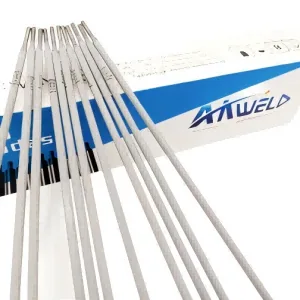
AKR307C Questions
What are the recommended preheat and post-weld tempering temperatures?
What is the chemical composition of AKR307C?
What mechanical properties does the deposited metal achieve?
What are the recommended welding parameters for each diameter?
What packing is AKR307C supplied in?
Can we test AKR307C before placing a production order?
Request a Quotation for AKR307C
Send the diameter, the quantity and the destination port. Our technical team replies with packing, pricing and the data you need to qualify the grade.