
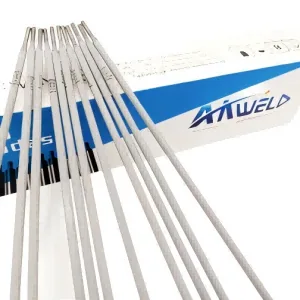
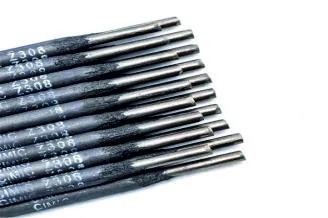
AK-J607RH Low Hydrogen Electrode for 600MPa Grade Pressure Equipment.
A low hydrogen, high toughness electrode for welding 600MPa grade low alloy steel in pressure equipment requiring low temperature performance and excellent weldability.
Product Overview
AK-J607RH is a low hydrogen, high toughness covered electrode for manual metal arc welding of 600MPa grade low alloy steel used in pressure equipment. It is designed for applications with higher low temperature requirements, such as water, electricity, and low temperature storage tanks.
The electrode is suitable for welding between heat-resistant and low temperature low alloy steel. It delivers excellent welding performance with less spatter, a beautiful bead shape, and easy slag removal. AKWELD supplies AK-J607RH to the EN ISO —— AWS A5.5 E9015-G and GB/T 32533 ES915-GPU classifications.
Application: AK-J607RH is a special low alloy steel electrode for pressure equipment with ultra-low hydrogen and high toughness, excellent welding performance, less spatter, beautiful shape, easy slag. It is used for welding 600MPA grade low alloy steel of pressure equipment with higher low temperature requirement, such as water, electricity and low temperature storage tank, or for welding between heat-resistant and low temperature low alloy steel.
Key Benefits
Ultra-Low Hydrogen Content
The deposited metal has a diffused hydrogen content of ≤4.0 mL/100g measured by mercury or thermal conductivity method, reducing the risk of hydrogen-induced cracking in high-strength steel welds.
High Toughness at Low Temperature.
The electrode produces deposited metal with tensile strength ≥620 MPa, yield stress ≥530 MPa, elongation ≥17%, and impact values meeting the requirements for low temperature service.
Excellent Welding Performance
The electrode provides stable arc, minimal spatter, and a smooth, attractive bead profile with slag that lifts off easily, reducing post-weld cleaning time.
Suitable for Critical Pressure Equipment.
It is recommended for welding high-strength low alloy steel in pressure vessels and storage tanks where mechanical properties and low temperature toughness are essential.
Where It Is Used
- Welding 600MPa grade low alloy steel in pressure equipment.
- Low temperature storage tanks and cryogenic service applications.
- Welding between heat-resistant and low temperature low alloy steel.
- Critical structural components in power generation and petrochemical plants.
Who It Is For
- Pressure vessel and boiler manufacturers requiring high-strength, low hydrogen welds.
- Fabricators working with 600MPa grade steels in low temperature environments.
- Welding teams handling heat-resistant and low temperature alloy transitions.
Problems It Solves
- Risk of hydrogen cracking in high-strength low alloy steel welds due to high diffused hydrogen content.
- Inadequate toughness in low temperature service when using electrodes with insufficient impact energy.
- Poor weld appearance and difficult slag removal to increased rework and cleaning time.
- Lack of consistent, certified consumables for critical pressure equipment welding.
Specifications
Published by the factory for AK-J607RH. Values not shown are not published on the datasheet and are marked as such rather than estimated.
| Standard | Designation |
|---|---|
| Classification | EN ISO —— AWS A5.5 E9015-G GB/T 32533 ES915-GPU |
| Element | Content |
|---|---|
| C | ≤0.10 |
| Si | ≤0.80 |
| Mn | ≥1.00 |
| S | ≤0.015 |
| P | ≤0.025 |
| Ni | 0.60-1.20 |
| Mo | 0.10-0.40 The mechanical properties of deposited metal were (620 ± 15 ° |
| Tensile strength (MPa) | ≥620 |
| Yield Stress (MPa) | ≥530 |
| Elongation (%) | ≥17 |
| Impact values (J) | —— Diffused hydrogen |
| content of molten metal | ≤4.0mL/100g(mercury method or thermal conductivity method) Molten metal |
| Grade I Recommended parameters | (Polarity: |
| DC) 2.5mm | F(H)-70-100A/ |
| V(OH)-60-90A 3.2mm | F(H)-90-130A/ |
| V(OH)-80-120A 4.0mm | F(H)-140-180A/ |
| V(OH)-130-170A 5.0mm | F(H)-170-200A |
Mechanical property data for this grade is not published on the factory datasheet. Ask our technical team for the test record before you qualify it.
Note: 1. The electrode must be baked for one hour at 380-400 ° C before using. 2. Impurities such as water, oil and embroidery must be removed from the surface of the welding part. 3. Short arc narrow pass welding, the maximum swing should not exceed three times the line diameter
Technical Features
- Low hydrogen coating with diffused hydrogen content ≤4.0 mL/100g (mercury or thermal conductivity method)
- Deposited metal tensile strength ≥620 MPa, yield stress ≥530 MPa, elongation ≥17%
- Chemical composition: C ≤0.10%, Si ≤0.80%, Mn ≥1.00%, S ≤0.015%, P ≤0.025%, Ni 0.60–1.20%, Mo 0.10–0.40%
- Supplied in 2.5 mm, 3.2 mm, 4.0 mm, and 5.0 mm diameters.
- Meets EN ISO —— AWS A5.5 E9015-G and GB/T 32533 ES915-GPU classifications.
Use Guide
- Bake the electrodes for one hour at 380–400 °C before use to maintain low hydrogen content.
- Remove all surface impurities such as water, oil, and grease from the joint area before welding.
- Use short arc, narrow pass welding technique with maximum swing not exceeding three times the electrode diameter.
- Follow recommended current ranges: 2.5 mm (F(H)-70–100 A / V(OH)-60–90 A), 3.2 mm (F(H)-90–130 A / V(OH)-80–120 A), 4.0 mm (F(H)-140–180 A / V(OH)-130–170 A), 5.0 mm (F(H)-170–200 A)
How It Compares
AK-J607RH and E9015-G both belong to the same classification and are used for high-strength low alloy steel with low hydrogen requirements. AK-J607RH offers a stable arc, low spatter, and easy slag removal, making it suitable for critical pressure equipment. Other electrodes in the same family may have higher hydrogen content or less consistent mechanical properties. For applications requiring even higher toughness or different base metal compatibility, a different electrode grade may be required.
Related Grades
Other welding electrodes in the same family.
AK-J607RH Questions
What is the diffused hydrogen content of the deposited metal?
What are the mechanical properties of the deposited metal?
Which diameters are available?
What are the recommended welding parameters?
What packing is AK-J607RH supplied in?
Can we test AK-J607RH before placing a production order?
Request a Quotation for AK-J607RH
Send the diameter, the quantity and the destination port. Our technical team replies with packing, pricing and the data you need to qualify the grade.