
Solution
Stop paying for fifteen minutes of the month
Industrial tariffs bill the highest measured interval across the whole billing period. Storage discharges through that interval so the meter never records it.
What it is
The mechanism, not the marketing
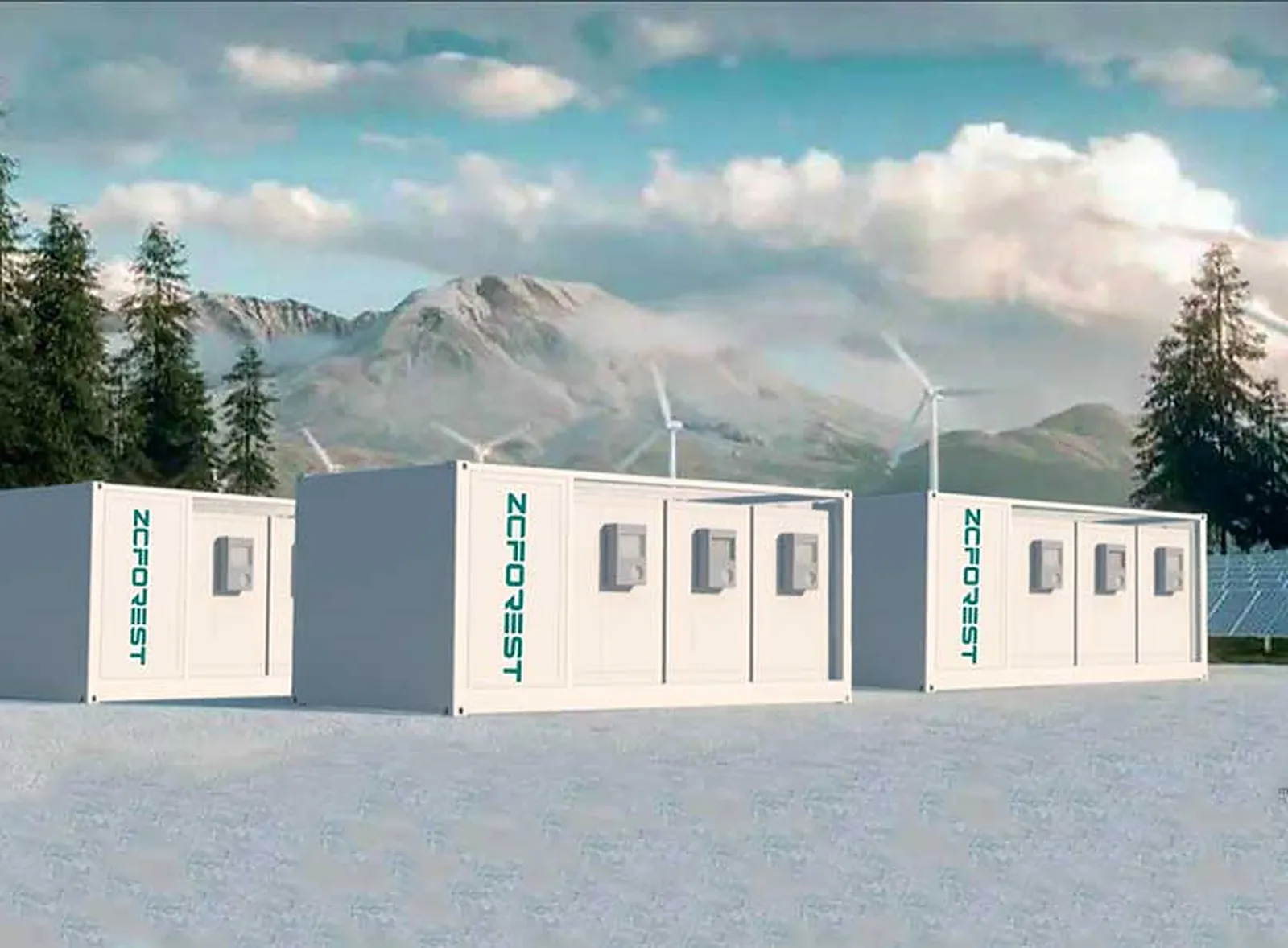
A peak-shaving system is a battery, a power conversion system and a controller that watches the incoming meter. When site demand approaches the threshold you have set, the battery supplies the difference. The utility never sees the peak, so the demand charge never records it. Everything else — solar self-consumption, arbitrage, backup — runs as a secondary objective around that constraint.
How we deliver it
Six stages, same on every project
Measure
Twelve months of half-hourly interval data plus the tariff structure. The shape of the curve sizes the capacity; the height of the peak sizes the PCS.
Model
Dispatch simulation against the real tariff: demand-charge reduction, energy arbitrage and solar self-consumption evaluated together rather than separately.
Specify
Capacity, PCS rating, cooling strategy and communications mapping, issued as a project parameter sheet rather than a generic datasheet.
Deliver
Production, export documentation, shipping and destination clearance, with trade-finance terms agreed in the contract stage.
Commission
Site preparation requirements issued in advance; remote or on-site commissioning, with engineer dispatch available for large projects.
Operate
Live telemetry to your operations centre, alarm management, and 24/7 remote diagnosis in English and Chinese.
Outcomes
What changes on site
The demand charge stops setting itself
The controller holds site draw below the threshold you set, so a single process start no longer defines the month.
Peak-window energy comes from the battery
Discharge through the highest-tariff hours, recharge on the cheapest overnight slot.
Solar becomes worth more
Surplus generation charges the battery instead of exporting at a tariff below what you buy back at.
Capacity without a connection upgrade
Where the utility will not reinforce the supply, storage carries the peak locally.
Products used
The building blocks
Proof
Where this approach has run
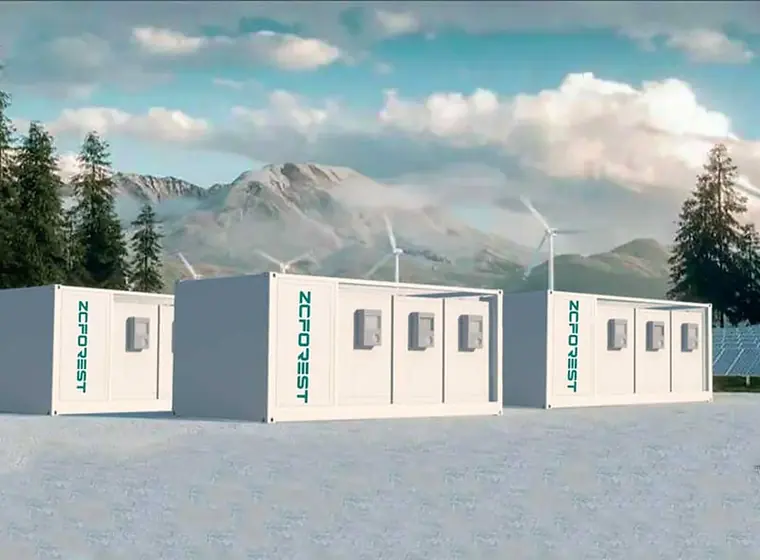 Textile manufacturing
Vietnamese Textile Group Cuts Energy Bills With On-Site Storage
A containerised storage system paired with rooftop solar changed the cost structure of an energy-intensive spinning facility — and the payback landed well inside the original model.
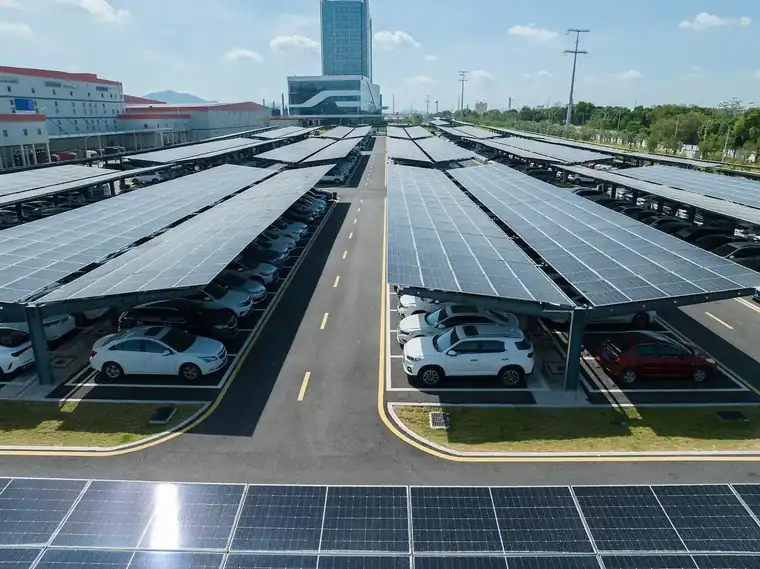 Industrial & commercial storage
Building a South American C&I Storage Pipeline
A project pipeline across Brazil, Chile and Peru pairing containerised storage with rooftop solar — where trade finance has repeatedly been the factor that decided whether the project happened at all.
FAQ
About peak shaving & demand-charge management
How much can we actually save?
Does peak shaving conflict with backup?
What is the typical payback?
Can the system be expanded later?
Industry applications
Model peak shaving for your site
Send the data and we run the numbers before anyone talks about equipment.