
Industry application
Where electric actually wins
Parcel, food, market and courier operators running short routes with high stop counts — the duty cycle where batteries beat engines on cost rather than on principle.
Industry pain points
What keeps costing money
Fuel cost that scales with every drop
Stop-start urban duty is the worst case for a combustion engine and the largest recurring cost in a delivery operation.
Addresses a van cannot reach
Narrow streets, markets and restricted zones where a 500 kg tricycle works and a van does not.
Downtime while vehicles recharge
Charging inside the shift is lost revenue. Swap packs on selected motorcycle models remove it entirely.
Noise rules that close delivery windows
Dawn and indoor deliveries are only available to quiet vehicles.
Three vehicle types, three yard standards
Mixed fleets accumulate incompatible chargers, spares and training until the yard becomes the bottleneck.
What customers need
The brief, in practice
- Vehicles specified against route length, load and gradient
- One charging standard across the whole fleet
- Cargo bodies that match the goods rather than the brochure
- Telematics for dispatch, where dispatch is how the business runs
- Battery warranty terms that survive daily cycling
Recommended products
What ZCForest supplies here
 New Energy Vehicles
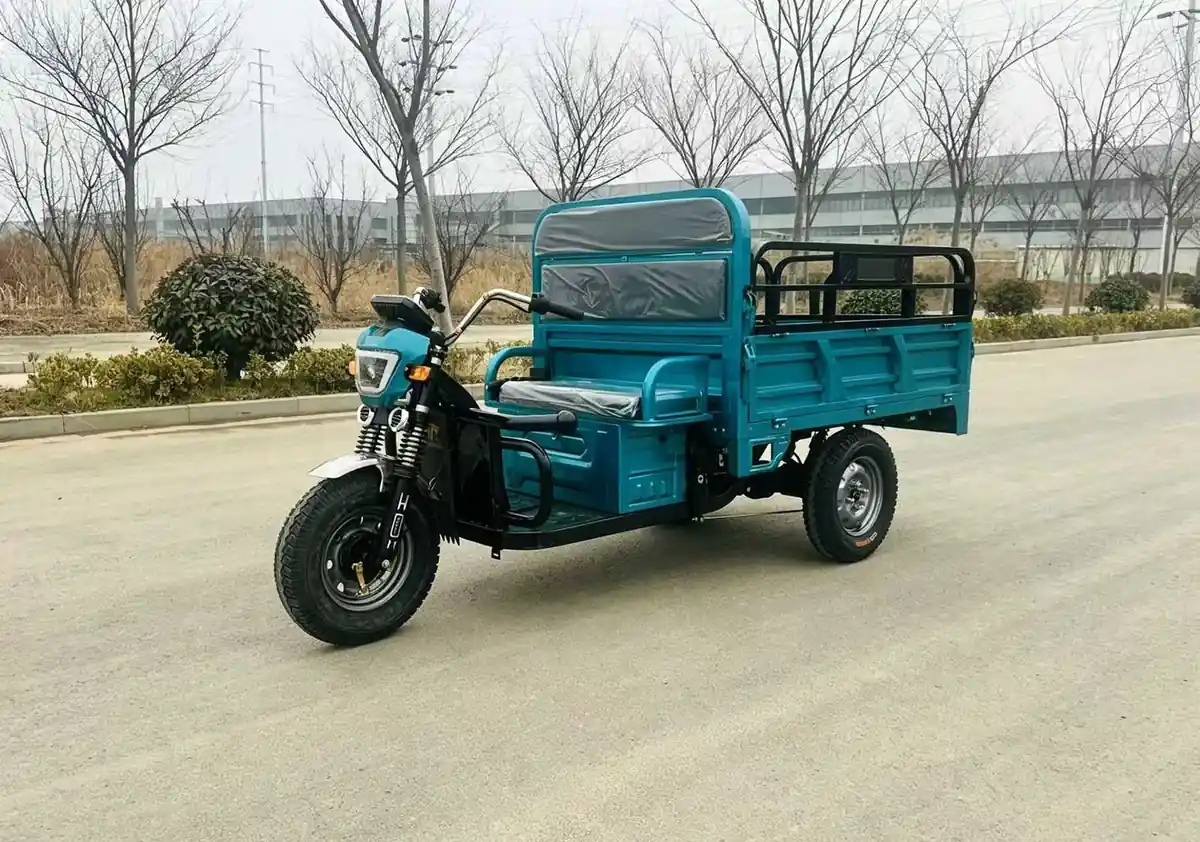
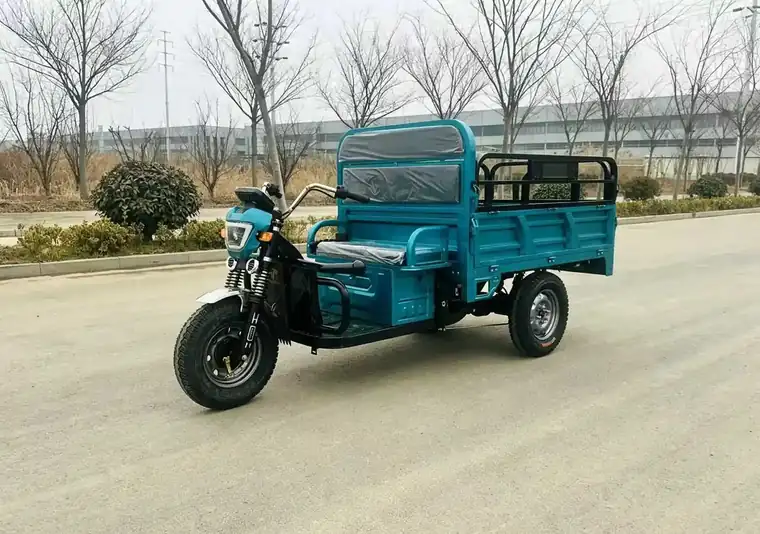
Electric Cargo Tricycle
200–500 kg open-bed, box, tipper and fridge bodies
 New Energy Vehicles
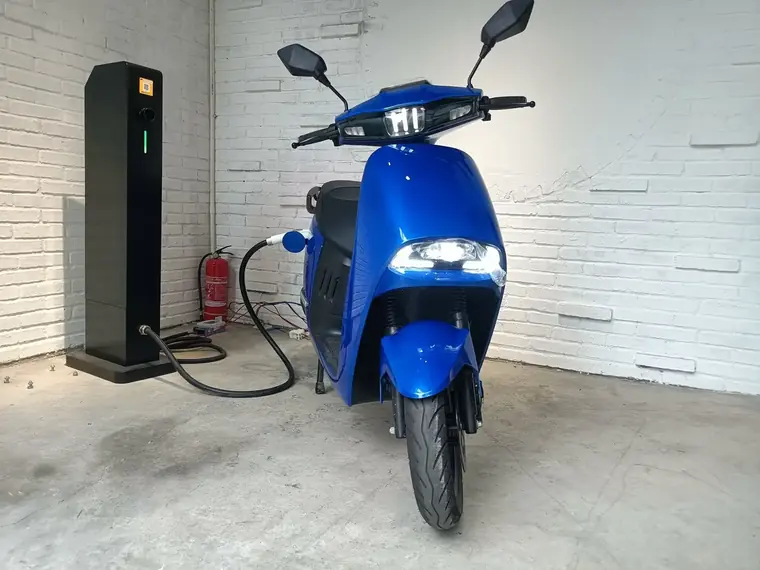
Electric Motorcycle
72 V LiFePO4 commuters and delivery scooters
 Solar Charging
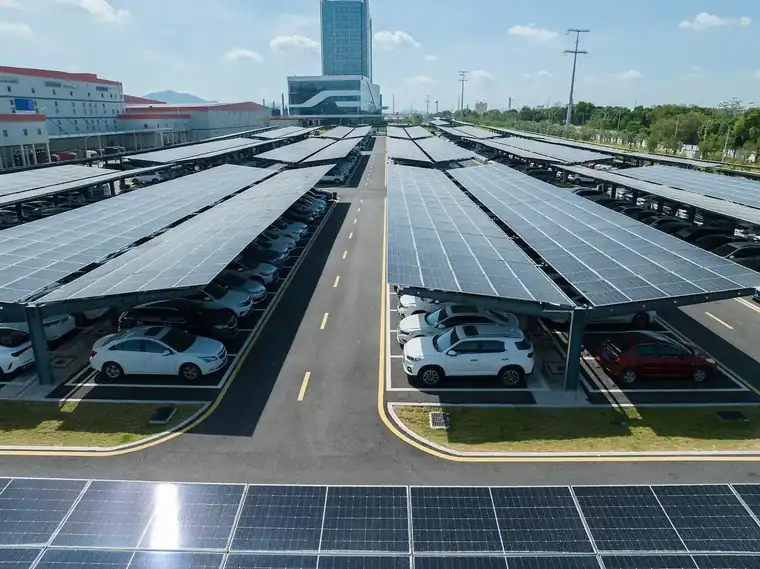
Commercial Solar Parking Station
100 kWp to multi-MW with up to 240 kW DC charging
Typical scenarios
Where this shows up
Parcel and multi-drop courier routes
Dozens of stops per shift, short hops, and a vehicle that returns to the same yard every night.
Food delivery fleets
High utilisation, predictable daily distances, and noise-sensitive residential routes.
Market and wholesale distribution
Bulk loads between market, store and customer through streets built before vans existed.
Cold-chain short runs
Refrigerated tricycle bodies for chilled delivery over short distances.
Delivery capability
From first call to long-term support
Route and duty-cycle review, vehicle and battery specification, yard charging design using one shared post standard, export logistics and customs support, delivery and handover, rider and maintenance training, then spare-parts supply and 24/7 remote support.
Requirement intake
Customer needs, site, load profile and goals.
Solution & quote
System design and pricing.
Contract
Order confirmation and trade-finance setup.
Production
Manufacturing and stocking.
Export & logistics
Customs, transport and destination clearance.
Delivery support
Remote or on-site commissioning.
Training
Operations team handover.
After-sales
Long-term support and warranty.
FAQ
About last-mile logistics projects
Motorcycle or tricycle for my routes?
How do I plan real-world range?
Can we charge the fleet from our own solar?
What happens when a battery fails in year three?
Have a last-mile logistics project?
Send the site, the load profile and the goal. We come back with a sized proposal.