
Solution
Electrify the fleet and the yard it lives in
Vehicles, charging infrastructure and on-site generation specified together — because fleet electrification usually fails in the depot, not on the road.
What it is
The mechanism, not the marketing
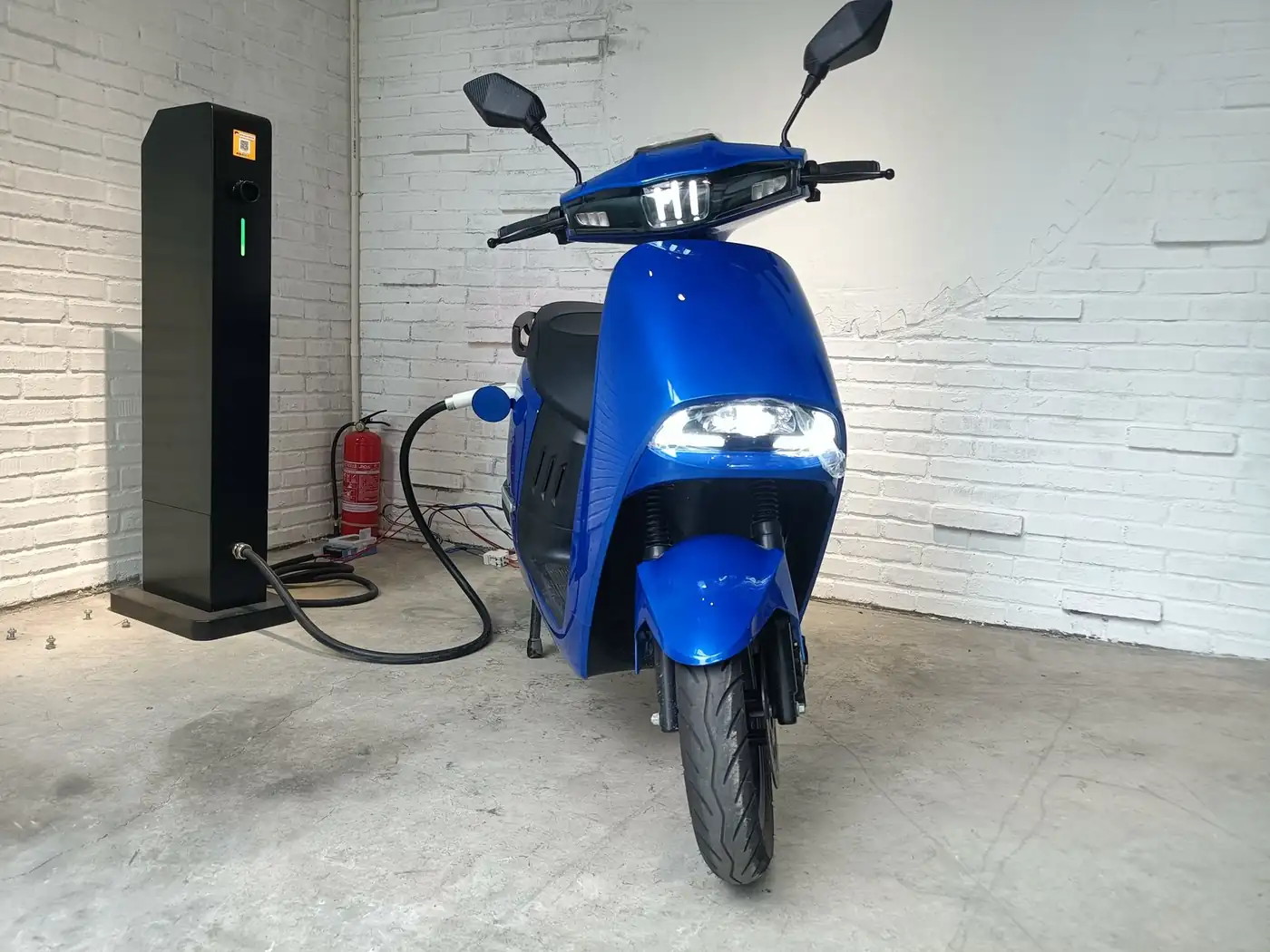
A fleet electrification project has three parts that are usually bought from three suppliers: the vehicles, the chargers, and the power to run them. ZCForest builds all three around one battery platform — so the motorcycles and tricycles share a charging post, the GSE charging plan is designed around rotations rather than vehicles, and a solar canopy with co-located storage can supply the yard without a connection upgrade.
How we deliver it
Six stages, same on every project
Duty-cycle audit
Routes, stop counts, loads, gradients and shift patterns. This decides battery capacity far more reliably than a brochure range figure.
Vehicle specification
Motorcycle, tricycle or GSE class selected per route, with cargo body, cabin and telematics options chosen against the work.
Charging architecture
One shared post standard across the fleet, with swap-pack provision where downtime costs more than spare packs.
Yard power
Solar canopy sizing and storage co-location to supply the charging peak without exceeding contracted capacity.
Deployment
Export logistics and customs support, delivery, commissioning, then rider and maintenance training before the fleet goes live.
Scale on evidence
Phase one proves the duty cycle and the charging logistics; later phases scale on demonstrated performance rather than assumptions.
Outcomes
What changes on site
One yard standard
Motorcycles and tricycles charge from the same post — one installation, one spares list, one training session.
Charging that fits the shift
DC fast top-ups between rotations for GSE, scheduled overnight charging for delivery fleets on the cheapest tariff slot.
Energy supplied on site
A solar canopy over the yard reduces both the energy cost and the connection capacity the fleet demands.
Lower running cost per vehicle
No oil, filters or plugs, and energy cost per operating hour meaningfully below diesel equivalents.
Products used
The building blocks
 New Energy Vehicles
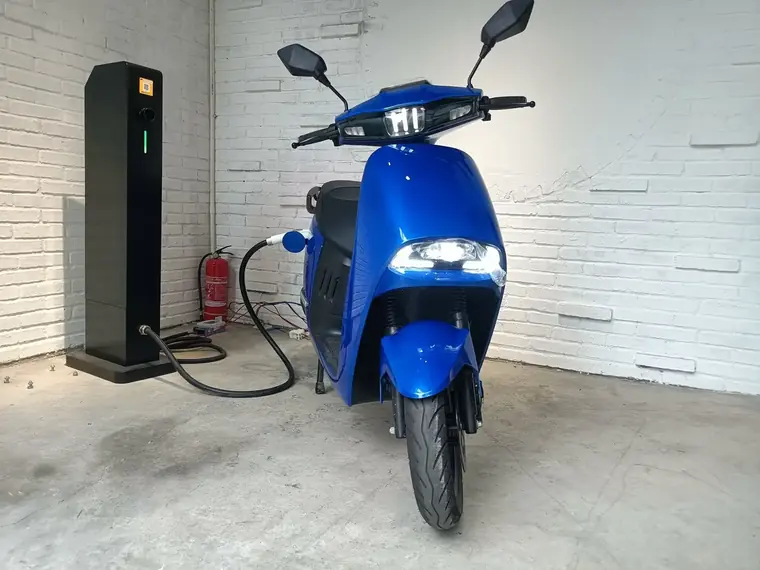
Electric Motorcycle
72 V LiFePO4 commuters and delivery scooters
 New Energy Vehicles
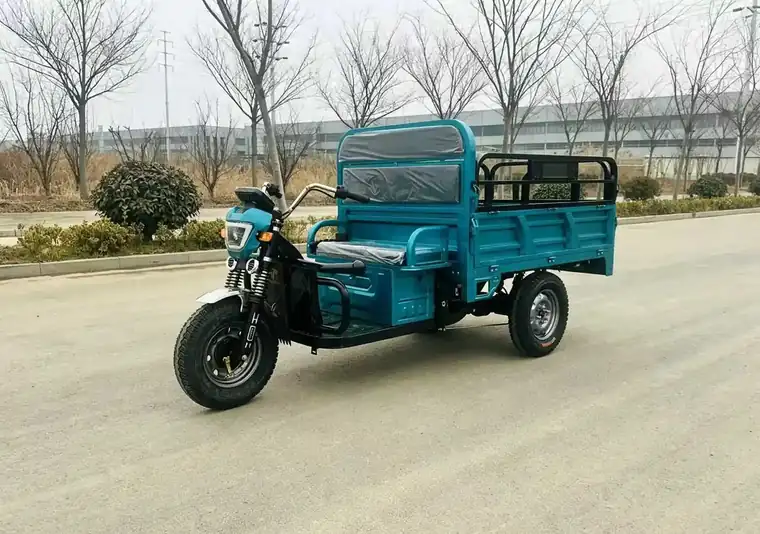
Electric Cargo Tricycle
200–500 kg open-bed, box, tipper and fridge bodies
 New Energy Vehicles
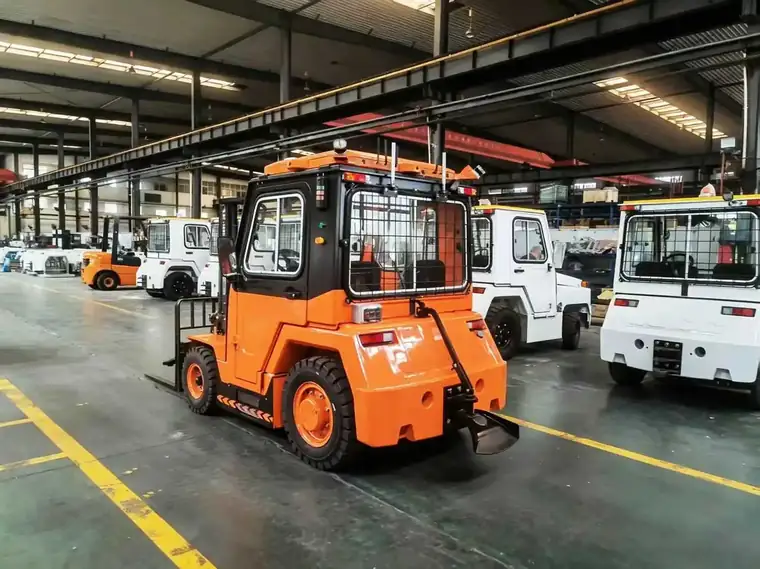
Airport Ground Support Equipment
Electric baggage tractors, belt loaders and GPUs
FAQ
About fleet electrification
Where do fleet electrification projects usually go wrong?
Do we need to replace the whole fleet at once?
Can we charge from our own generation?
What training is included?
Industry applications
Model fleet electrification for your site
Send the data and we run the numbers before anyone talks about equipment.