
A 14,000-spindle mill that stopped paying for its own peaks
A containerised storage system paired with rooftop solar changed the cost structure of an energy-intensive spinning facility — and the payback landed well inside the original model.
Client background
The customer is a textile manufacturing group in southern Vietnam operating a facility with roughly 14,000 spinning spindles, with all the energy intensity that implies. Production ran roughly six days a week, with a single overnight shift handling maintenance and lighter operations.
The site had a substantial roof, much of it suitable for photovoltaics, but limited space for ground-mounted equipment.
The challenge
The facility was on a standard industrial tariff with a significant time-of-day spread between peak and off-peak rates, plus a demand charge that was consistently a meaningful component of the monthly bill. Electricity represented one of the larger line items in the cost of goods.
The brief from the operations team was straightforward: reduce electricity costs without compromising production reliability.
Customer pain points
- A demand charge set by short peaks rather than by total consumption.
- A wide peak-to-off-peak tariff spread that penalised evening-shift operation.
- Roof area generating nothing while the plant bought daytime power at industrial rates.
- No tolerance for any measure that put production continuity at risk.
The system delivered
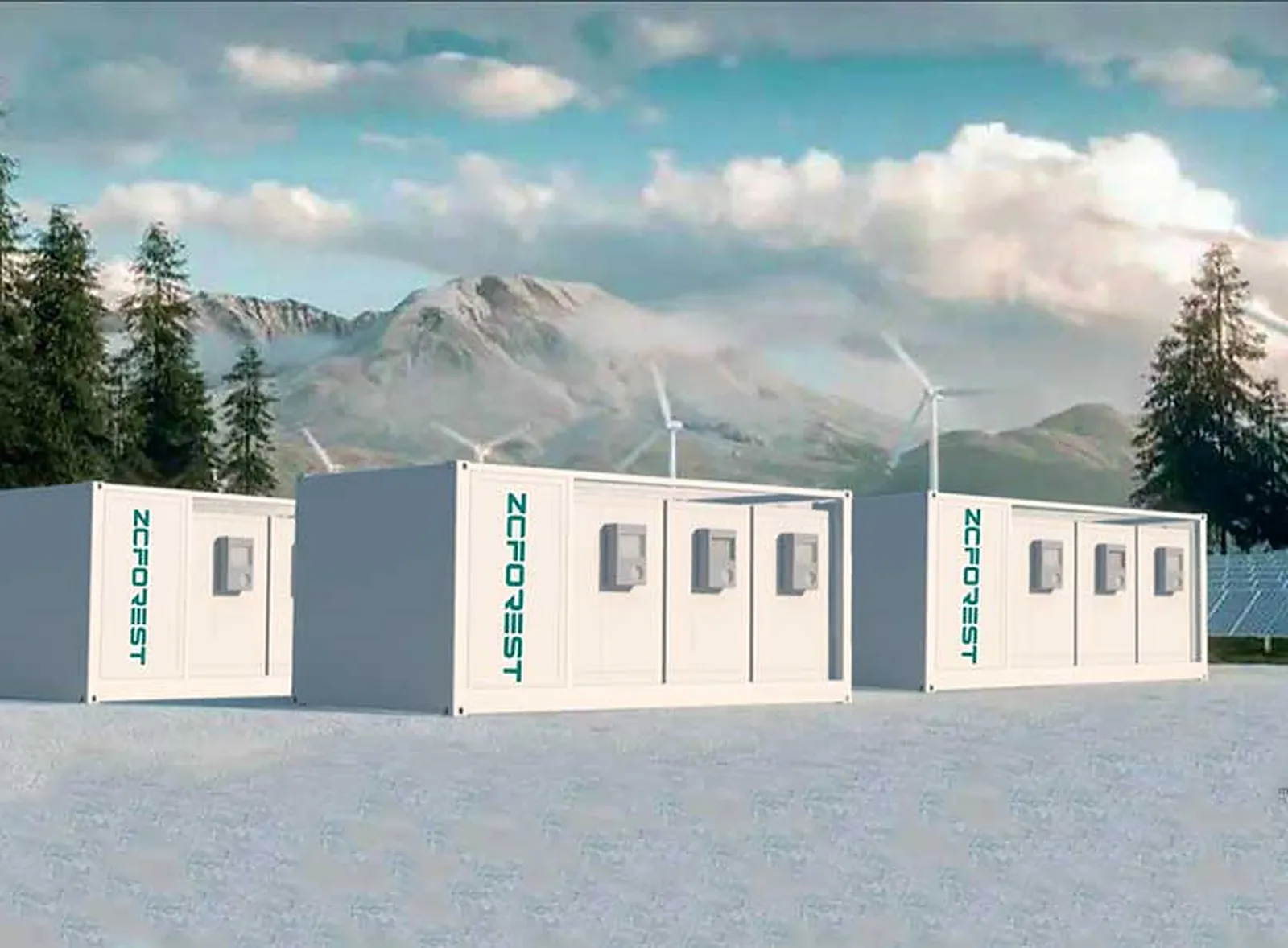
The configuration was a containerised LFP storage system with bidirectional power conversion, paired with a rooftop PV array sized to cover the majority of daytime base load.
The dispatch logic was deliberately simple: solar self-consumption first, surplus to the battery, battery discharge during peak windows, and demand-charge management running in parallel as a constraint on all of it.
What the system actually did
- Solar self-consumption covered the bulk of daytime production load directly, reducing daytime grid draw substantially.
- Battery discharge during peak hours further reduced grid draw across the highest-tariff windows of the evening shift.
- Demand-charge management trimmed the monthly peaks that previously drove a significant portion of the bill.
- Off-peak charging refilled the battery overnight on the cheapest tariff slot.
The result
Payback came in faster than the original financial model suggested. Three factors contributed: tariffs moved in a direction that favoured arbitrage, production ran consistently which kept the load profile predictable, and the demand-charge reduction proved larger than initially modelled.
Total monthly electricity cost reduction was significantly better than the conservative original model. The customer reached payback well inside the originally projected window and commissioned a second phase at a sister facility 14 months later.
What we learned
- Demand charges are often understated in initial models. Customers and integrators alike tend to model energy arbitrage carefully and demand-charge reduction loosely. In practice, the demand-charge component is often where the real money is.
- Production-load consistency matters more than peak load. A predictable load profile makes for better dispatch optimisation than a higher but more variable one.
- The boring engineering choices win. Conservative equipment, conservative dispatch logic and conservative warranty terms produced a project that has run reliably for years and paid back faster than the specification sheet suggested.
For industrial or commercial operations in Southeast Asia or South America with high electricity intensity, a time-of-day tariff spread, and roof or yard space for PV, this playbook is now reasonably well tested. The quickest first step is a short WhatsApp conversation about your load profile and tariff structure.
Industry applications
A similar profile to yours?
Send the load profile and tariff structure and we will tell you whether the same approach works on your site.