
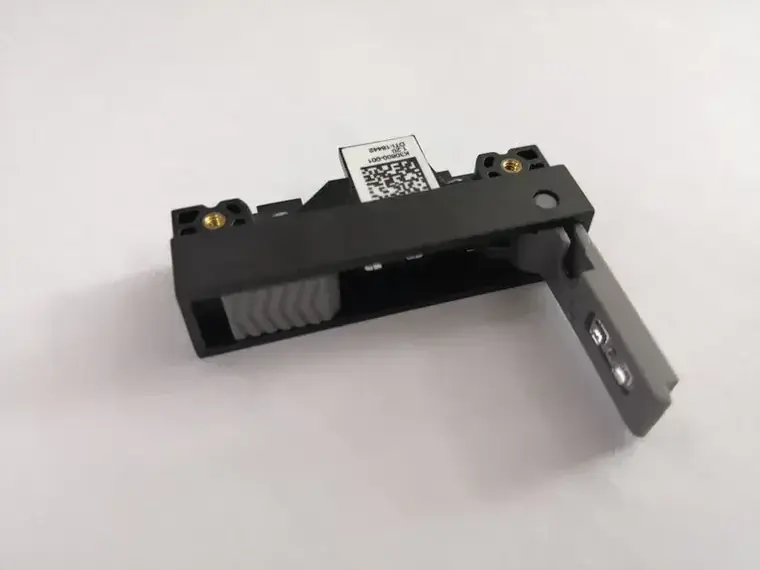
 Injection Moulding
Low Volume Injection Moulding
Real moulded parts before you commit to a production tool
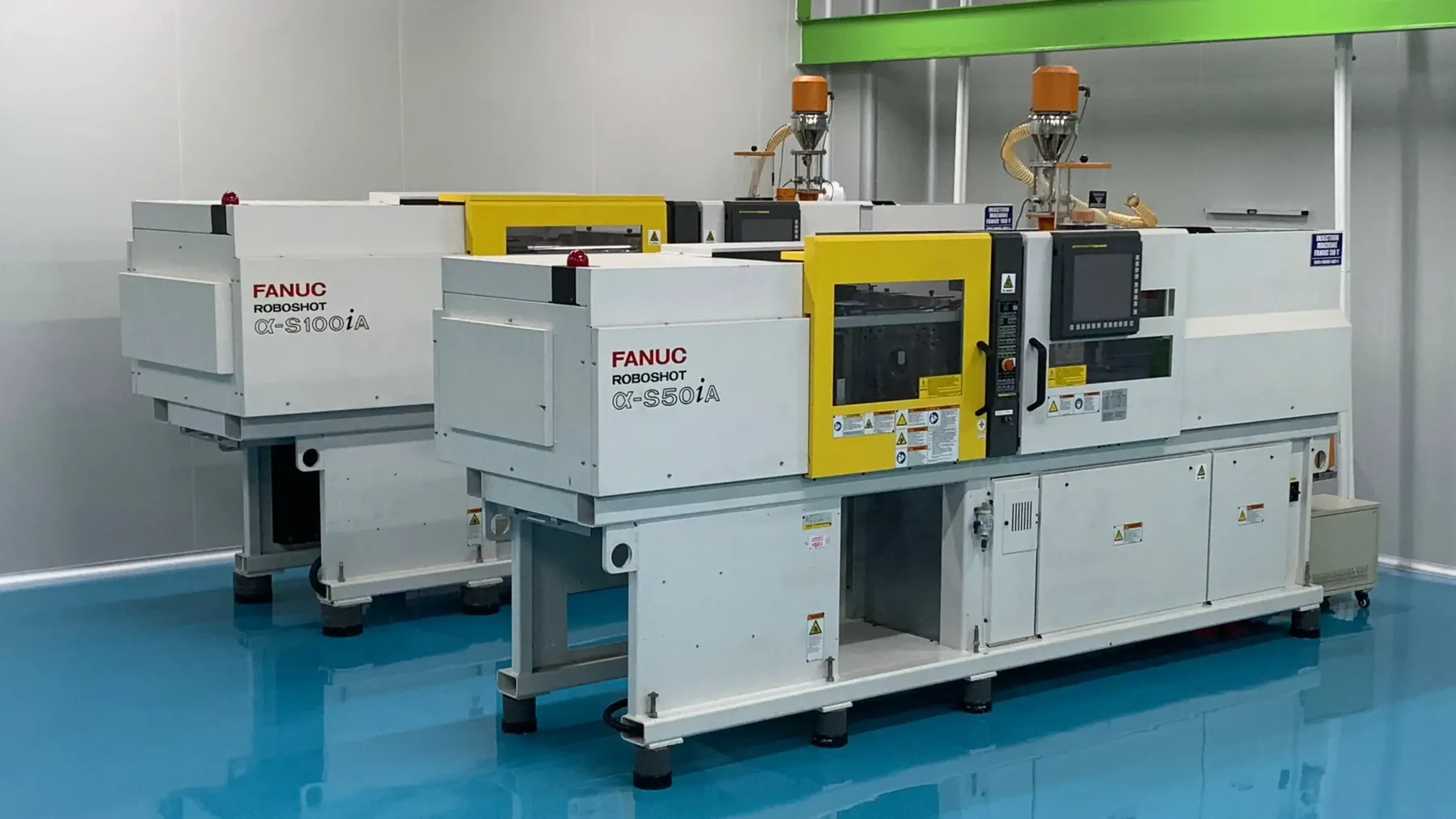
Sanpin Mould · since 2007
Overview
A production step sized for custom and niche markets, and for the period after the trial phase when precision has to be proven on real machines before the ramp. Small runs are moulded with the same inspection discipline as a full order, which is the only way the data from them is worth anything.
Problems
What This Fixes
- Launch volumes too small to justify a hardened production tool
- A market test that needs parts in the real resin, not a printed approximation
- Bridge volume between the T1 sample and the full production ramp
- Niche products whose lifetime volume will never reach a standard MOQ
Benefits
What You Get
- Efficient machinery run under expert surveillance, so time and cost stay contained
- Small runs meet the same standards applied to full production orders
- Sits directly after T1 sampling in our process, so the transition is planned, not improvised
- Flexible moulding for custom and niche markets rather than a fixed minimum
Who For
Suited To
- Start-ups validating a product in a real market before tooling up
- Medical and instrument makers with genuinely low annual volumes
- Teams needing bridge parts while the production tool is being hardened
Scenarios
Typical Jobs
- A pilot build for a customer trial in the production resin
- Replacement parts for an installed base too small for a new tool
- A regional launch that will only be scaled if it sells
Technical
How It Runs
- Low-volume runs follow the trial phase as a defined stage of the process
- Rapid tooling used where a full production tool is not yet justified
- Inspection against international tolerance standards applies to low-volume parts too
- Same post-treatment options as production work
At A Glance
Specification
Everything below is published because it is what an engineer checks before sending a drawing. Anything not listed is confirmed in the quotation rather than guessed at here.
| Capability | Low Volume Injection Moulding |
|---|---|
| Group company | Sanpin Mould, established 2007 |
| Category | Plastic Injection Moulding |
| Location | Shenzhen, Guangdong, China |
| Certification | ISO 9001:2015 |
| Post-treatment | Plating, Anodizing, Painting, UV printing, Screen printing |
| Response time | Engineer replies within 24 hours |
Order Process
How This Job Would Run
The same eight stages apply whether the order is a single tool or a production programme.
Request A Quote
Send the part drawing or 3D file by email. An engineer comes back within 24 hours with a consultation, not an auto-reply.
DFM Report
Before any steel is cut we return a design-for-manufacture report that flags flaws and errors in the design, so they are fixed on paper.
Mould Design & Moldflow
A predictive model analyses how the molten material behaves inside the cavity. Flow analysis settles gating and cooling before tooling.
Mould Tooling Production
Tooling is cut from the steel grade chosen for the application, not from whatever is on the rack.
T1 Sample Inspection
First-trial samples go out for your inspection and review. Errors are identified on T1, before mass production is committed.
Low Volume Production
A low-volume run follows the trial phase, so precision is proven on real machines under expert surveillance before the ramp.
Strict Inspection
Parts are inspected against international tolerance standards and against the specification you supplied.
Delivery
Parts are packaged to survive the journey and released through our logistics partners on a scheduled delivery.
Questions
About Low Volume Injection Moulding
How low can the volume go?
We specialise in low-volume production for custom and niche markets. Send the part and the annual quantity and an engineer will confirm what is sensible within 24 hours.
Will the low-volume parts match the eventual production parts?
That is the point of running them after the trial phase, on the same equipment and under the same inspection, before the ramp.
Do I need a different tool later?
Not necessarily. Where rapid tooling is used for the early run, we will tell you at DFM stage what the tool is good for and what a production tool would change.
Related
Often Quoted Together
Injection Moulding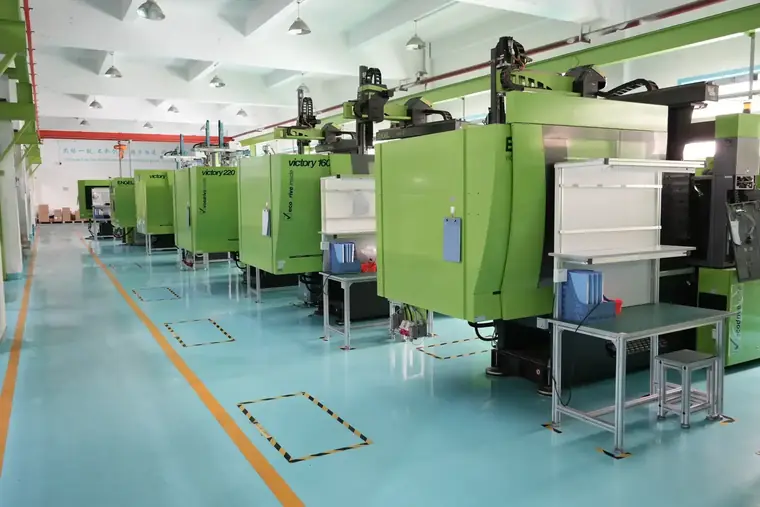 Injection Moulding
Custom Plastic Injection Moulding
Scientific moulding, from the first shot to the repeat order
Read more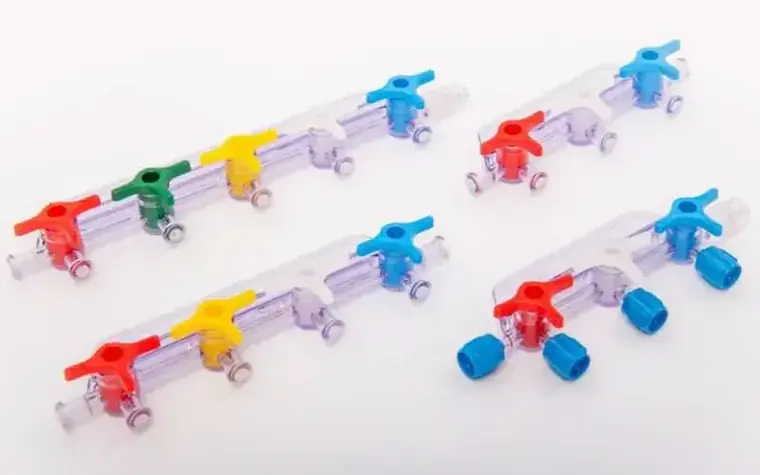 One-Stop Service
Get This Quoted
Attach the drawing or the 3D file and tell us the annual quantity. An engineer replies within 24 hours with a consultation.
An engineer replies within 24 hours. Attach a drawing or a 3D file and tell us the annual quantity.