
 Processes & Materials
Precision Manufacturing Processes
Seven process families and the material list that goes with each one.
Overview
What This Covers
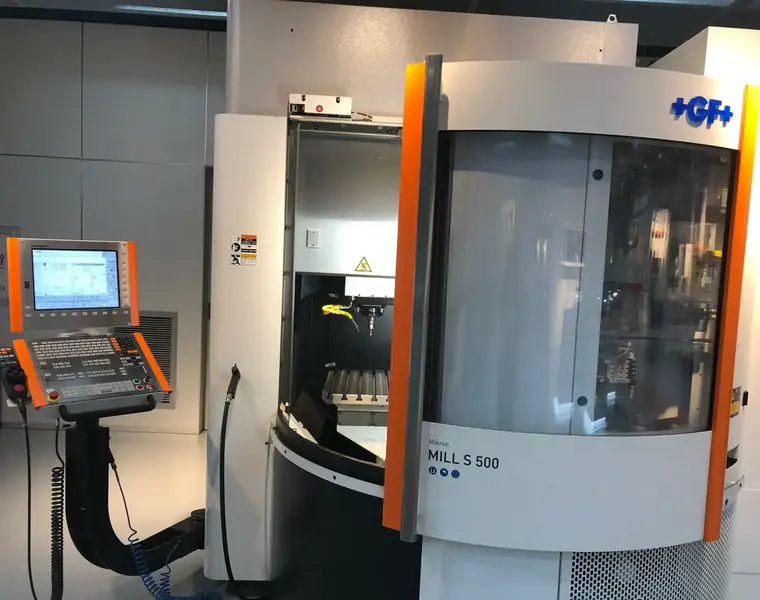
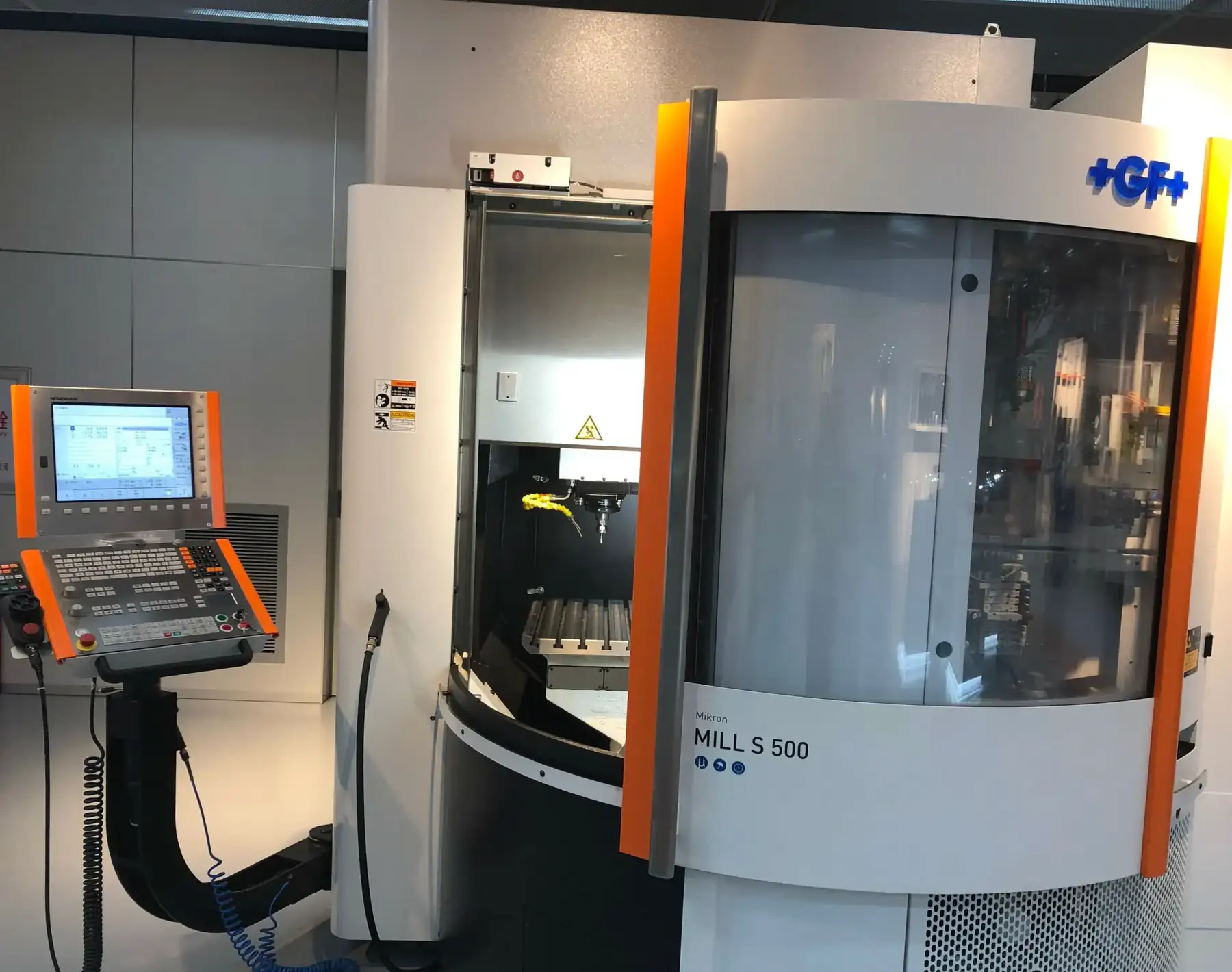
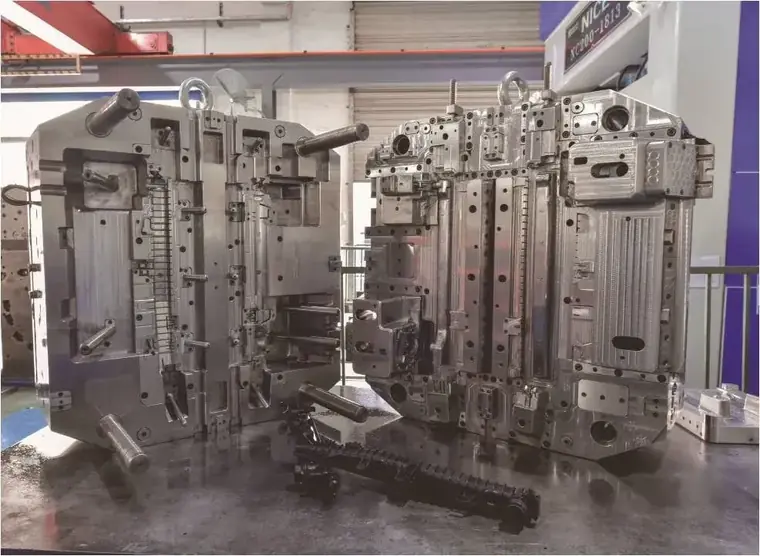
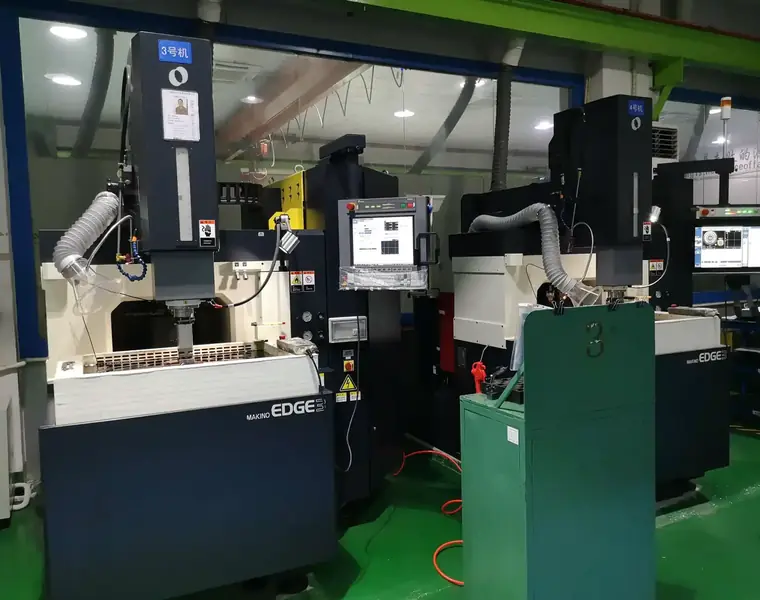
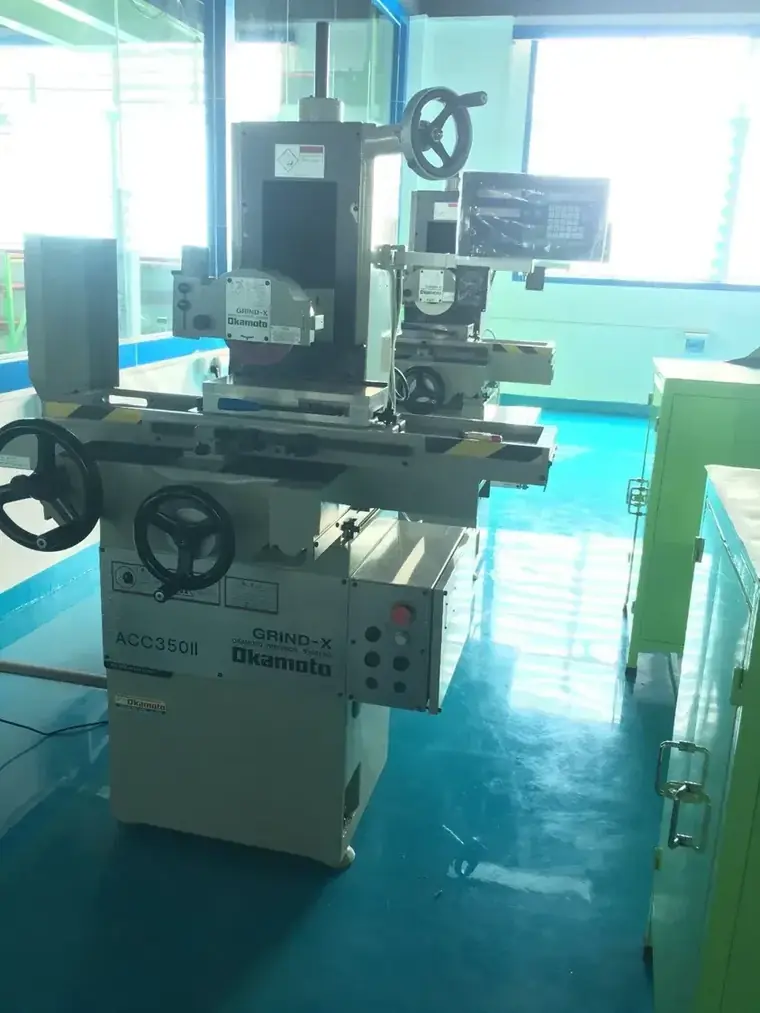
Most suppliers pick a process and then persuade every customer that it is the right one. The group runs seven, which means the conversation can start with the part instead of with the equipment. Each process below carries its own material list, taken directly from what we run, and post-treatment is available on the same site for all of them.
Problems
What This Solves
- A part forced onto the wrong process because that is all the supplier owns
- Mixed material bills of materials split across four vendors
- Material selection made by the factory rather than against the application
- Finishing treated as somebody else's problem after the part is made
Advantages
What Sits Behind It
- Seven process families with published material lists
- Metals, engineering plastics, silicones and ceramic all covered
- Tool room, machining and moulding on one site
- Five post-treatment processes available in-house
6 capabilities
Everything In This Group
Each page carries its own materials, process notes and the questions buyers ask before they commit.
Processes & Materials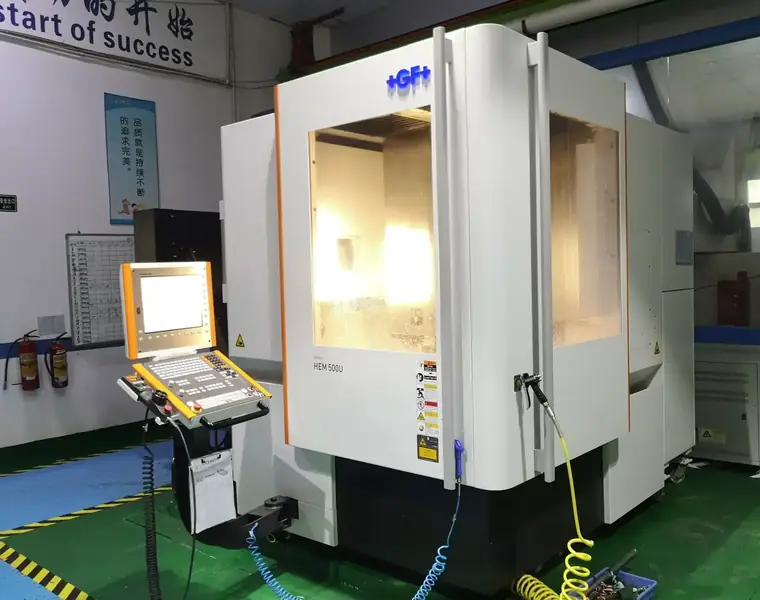 Processes & Materials
3D Printing & Additive Manufacturing
A Carbon 3D production partner, for parts that never need a tool
Read more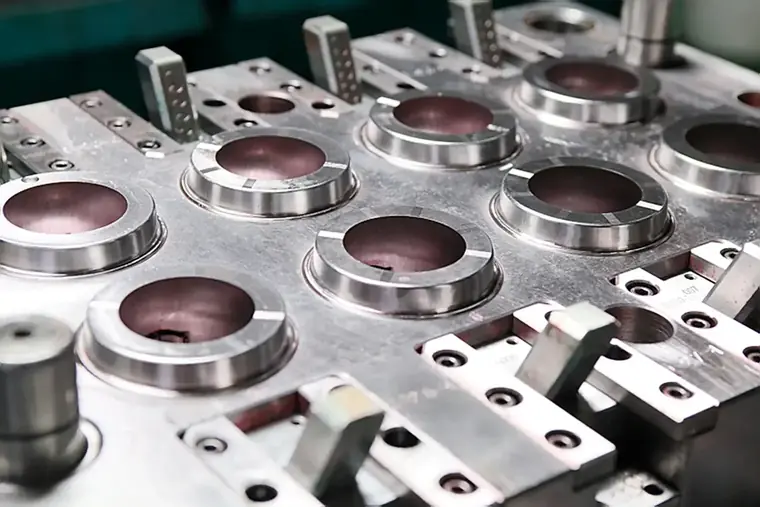 Processes & Materials
 Processes & Materials
 Processes & Materials
 Processes & Materials
Who It Is For
Typical Buyers
- Engineers with mixed metal, plastic and silicone bills of materials
- Buyers reducing vendor count without losing capability
- Teams who want the process chosen for the part, not the other way round
Industries
Where It Is Used
Solutions
How We Run It
Questions
About Precision Manufacturing Processes
How do you decide which process suits a part?
From the geometry, the material requirement and the annual volume. Send all three and an engineer will come back within 24 hours.
Can one product use several of these processes?
That is the usual case, and it is the reason they sit in one group rather than one workshop.
Which post-treatments are available?
Plating, anodizing, painting, UV printing and screen printing.
Start With The Part, Not The Process
Send the drawing and the annual quantity. We will confirm which capability in this group fits and what it would take to run it.
An engineer replies within 24 hours. Attach a drawing or a 3D file and tell us the annual quantity.