
 Injection Moulding
Custom Plastic Injection Moulding
Scientific moulding, from the first shot to the repeat order
Sanpin Mould · since 2007
Overview
Custom injection moulding built on scientific moulding principles: the process window is established from the material and the cavity, not copied from the last job that looked similar. Sanpin Mould has run this way since 2007, which is why the same tool can be pulled out three years later and still shoot parts that pass the same inspection sheet.
Problems
What This Fixes
- Parts that pass the first article and then drift over the following production runs
- Tools quoted by one supplier and sampled by another, with nobody owning the dimensions
- Flow and cooling problems discovered after the steel has already been cut
- Suppliers who will not release a DFM report until the purchase order is signed
Benefits
What You Get
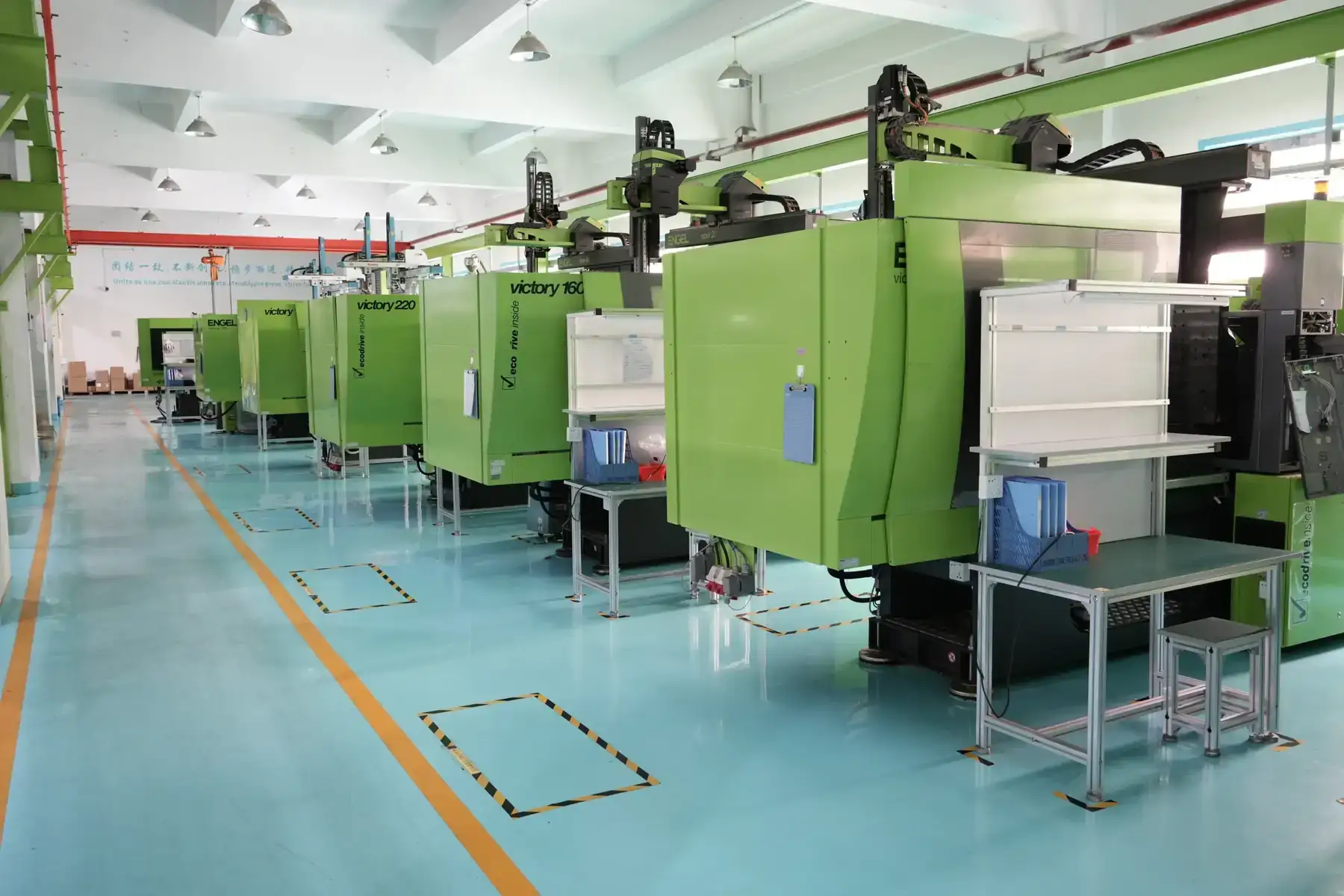
- Moulding and tooling sit in the same building, so a dimension argument is settled on the floor
- Moldflow analysis runs before tooling, so gate and cooling decisions are made on data
- T1 samples are inspected and reviewed with you before mass production is released
- Parts are checked against international tolerance standards and your own specification
Who For
Suited To
- OEMs moving a validated design from a prototype house to a production tool
- Buyers consolidating tooling and moulding with one vendor instead of two
- Engineering teams who need the DFM conversation before committing a budget
Scenarios
Typical Jobs
- A housing that has to hold flatness across a large flat face
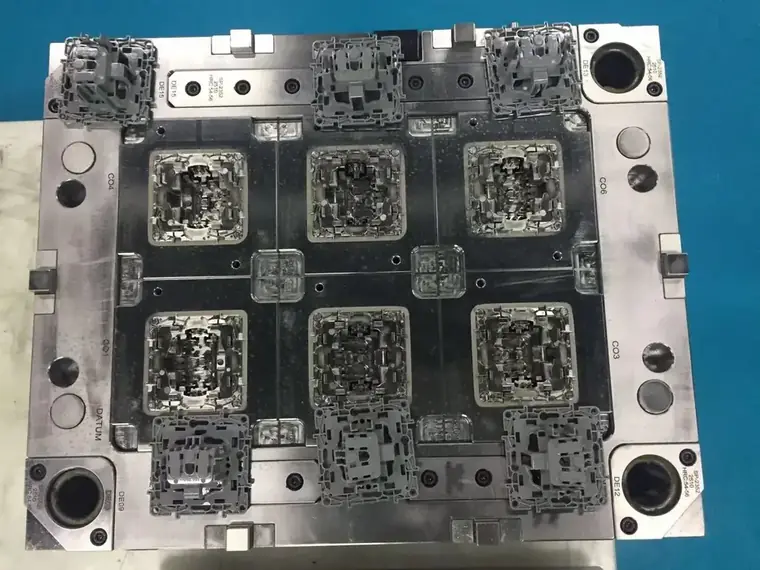
- A multi-cavity consumable where cavity-to-cavity consistency decides the yield
- A part being re-shored from an existing tool that has stopped holding tolerance
Technical
How It Runs
- Process windows set from material data and Moldflow output
- Gate, runner and cooling layout reviewed at design stage, not at T1
- Multi-cavity tooling with cavity-to-cavity inspection at sampling
- Post-treatment available in-house: plating, anodizing, painting, UV and screen printing
At A Glance
Specification
Everything below is published because it is what an engineer checks before sending a drawing. Anything not listed is confirmed in the quotation rather than guessed at here.
| Capability | Custom Plastic Injection Moulding |
|---|---|
| Group company | Sanpin Mould, established 2007 |
| Category | Plastic Injection Moulding |
| Location | Shenzhen, Guangdong, China |
| Certification | ISO 9001:2015 |
| Post-treatment | Plating, Anodizing, Painting, UV printing, Screen printing |
| Response time | Engineer replies within 24 hours |
Order Process
How This Job Would Run
The same eight stages apply whether the order is a single tool or a production programme.
Request A Quote
Send the part drawing or 3D file by email. An engineer comes back within 24 hours with a consultation, not an auto-reply.
DFM Report
Before any steel is cut we return a design-for-manufacture report that flags flaws and errors in the design, so they are fixed on paper.
Mould Design & Moldflow
A predictive model analyses how the molten material behaves inside the cavity. Flow analysis settles gating and cooling before tooling.
Mould Tooling Production
Tooling is cut from the steel grade chosen for the application, not from whatever is on the rack.
T1 Sample Inspection
First-trial samples go out for your inspection and review. Errors are identified on T1, before mass production is committed.
Low Volume Production
A low-volume run follows the trial phase, so precision is proven on real machines under expert surveillance before the ramp.
Strict Inspection
Parts are inspected against international tolerance standards and against the specification you supplied.
Delivery
Parts are packaged to survive the journey and released through our logistics partners on a scheduled delivery.
Questions
About Custom Plastic Injection Moulding
What do you need to quote a moulding job?
A 3D file or a drawing, the resin you intend to use or the application it has to survive, and an idea of annual volume. An engineer replies within 24 hours.
Do you sample before mass production?
Yes. T1 samples are produced and sent for inspection and review. Mass production is only released once that review is closed out.
Which resins do you mould?
PC, ABS, PP, PET, PETG, PEEK, PBT, FEP and Tritan are the grades listed for our injection tooling. Other grades are quoted case by case.
Related
Often Quoted Together
Injection Moulding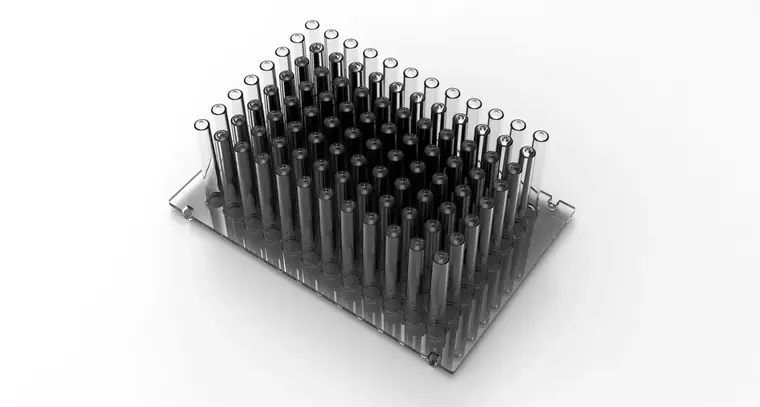 Injection Moulding
Mould Design & Moldflow Analysis
The argument about gating happens on screen, not on the shop floor
Read more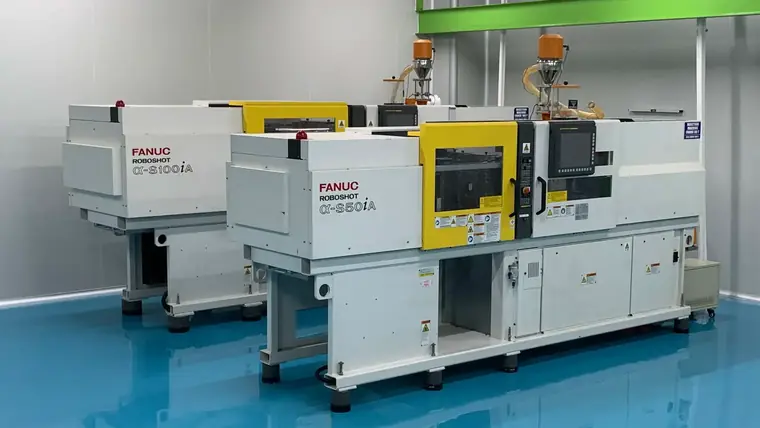 Injection Moulding
Get This Quoted
Attach the drawing or the 3D file and tell us the annual quantity. An engineer replies within 24 hours with a consultation.
An engineer replies within 24 hours. Attach a drawing or a 3D file and tell us the annual quantity.