
 Knowledge
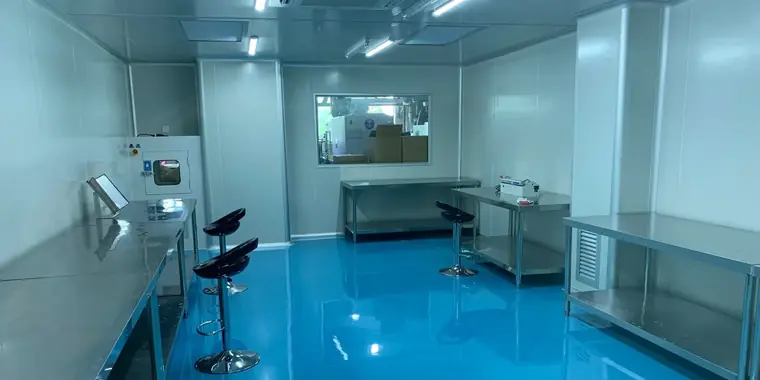
Why Clean Room Injection Moulding Matters In Medical Device Manufacturing
In medical device manufacturing, cleanliness and precision are not separate requirements. Clean room injection moulding is where both are decided.
Read morePrototyping is a critical step in medical device development. It accelerates the development cycle and makes sure the final product meets every requirement it has to.
Published 2024-07-26 · Wisdom Industrial Group
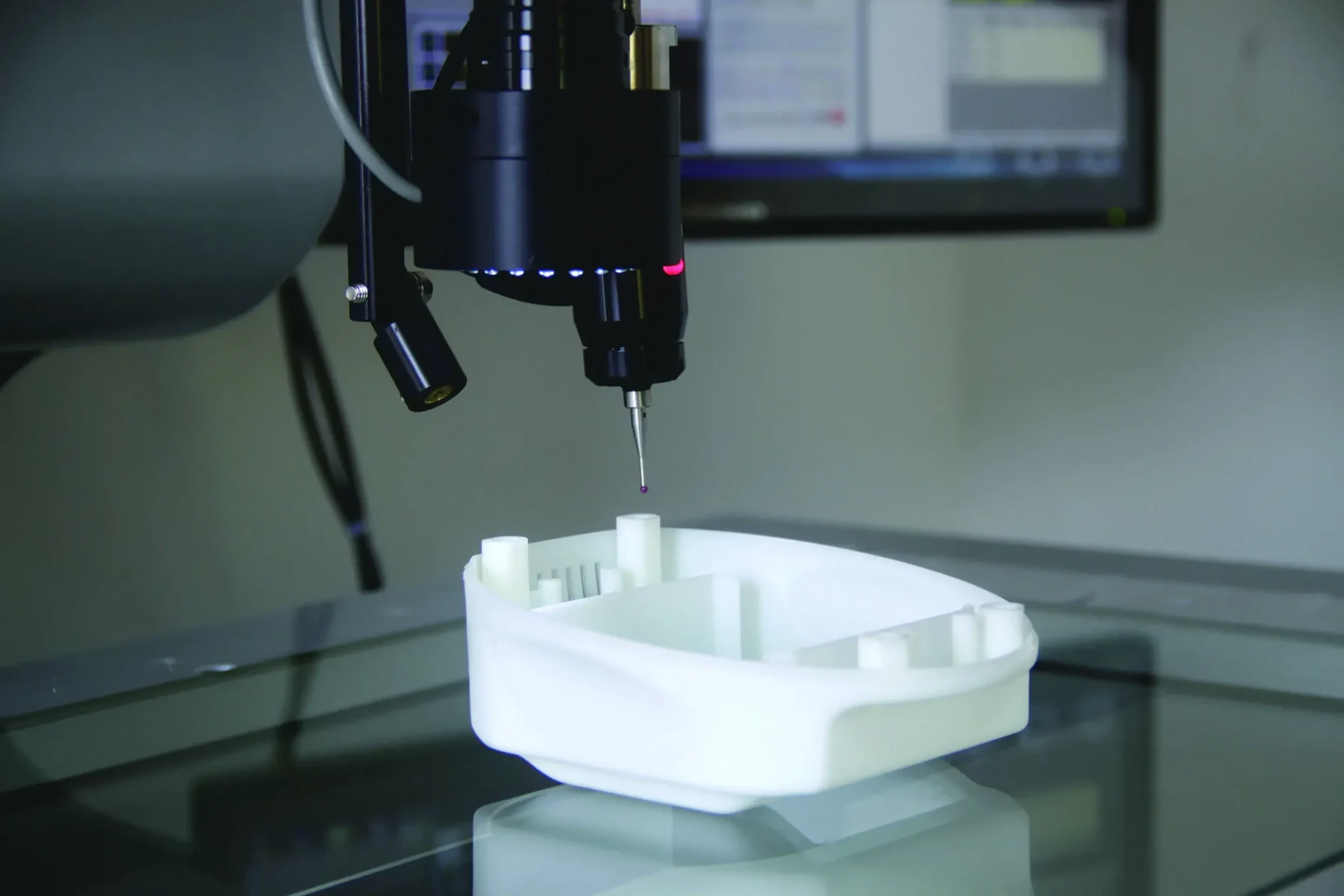
Prototyping allows quick iterations and refinements, which lets the design team identify and address potential issues early in the development process. The economics are simple and usually underestimated: a change made during iteration costs a file and a build, and the same change made after a production tool has been cut costs steel, schedule and credibility.
Physical prototypes provide the opportunity to conduct functional testing, confirming that the device performs as intended and meets the necessary standards. Some questions cannot be answered from a model. Whether a fluid path actually flows, whether a closure actually holds, and whether an assembly actually goes together are all questions that need an object.
Prototyping helps verify that the device complies with regulatory requirements, reducing the risk of delays during the approval process. Requirements found late become schedule risk; requirements verified during prototyping become documentation.
Prototypes can be used to gather feedback from stakeholders, including healthcare professionals and patients, so the final product meets real user needs and expectations. Feedback given on a drawing and feedback given on a device a clinician has held are not the same kind of evidence.
Medical Product Development & Design
Sanpin Medical offers rapid and accurate prototyping services to support product development, with facilities and an experienced team producing prototypes quickly to a high standard of quality and precision. Where material behaviour is what you are testing, the prototype can be moulded through rapid tooling rather than printed.
Working on something like this? Send the drawing and the annual quantity to an engineer and you will have a consultation within 24 hours.
Questions
Printed when you are checking form and fit; moulded when the material behaviour is the thing under test.
They help verify compliance with regulatory requirements before the submission, which reduces the risk of delays during approval.
More
KnowledgeIn medical device manufacturing, cleanliness and precision are not separate requirements. Clean room injection moulding is where both are decided.
Read more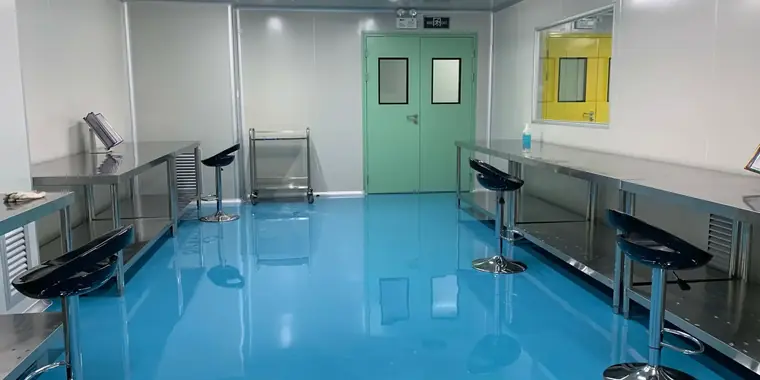 Knowledge
Regulatory compliance is what confirms that a medical device meets the safety and quality standards it claims to. It is a manufacturing question as much as a paperwork one.
Read more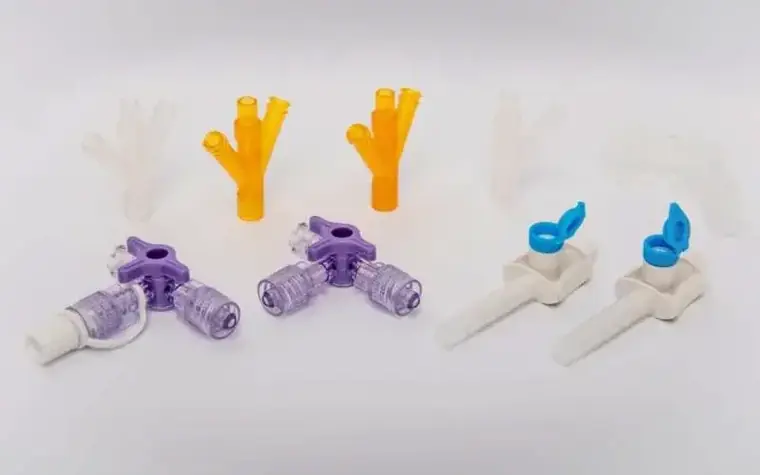 Knowledge
Custom components address specific needs and improve patient care. A catalogue part always forces a compromise; the question is who ends up carrying it.
Read moreWe run the tooling, the clean room and the machining this article describes. Tell us what you are making and we will tell you how we would make it.
An engineer replies within 24 hours. Attach a drawing or a 3D file and tell us the annual quantity.