Start With The Heat Load, Not The Lumens
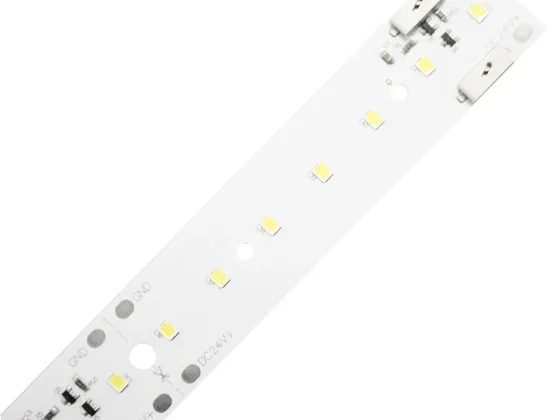
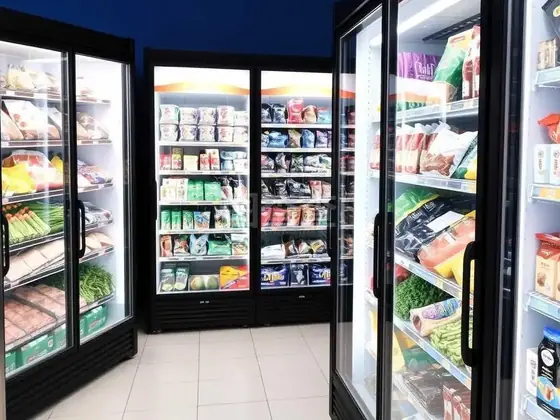
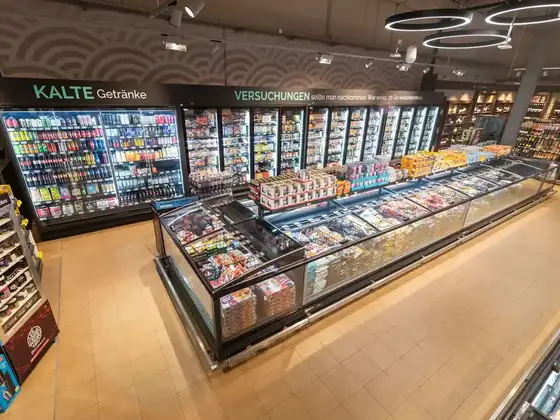
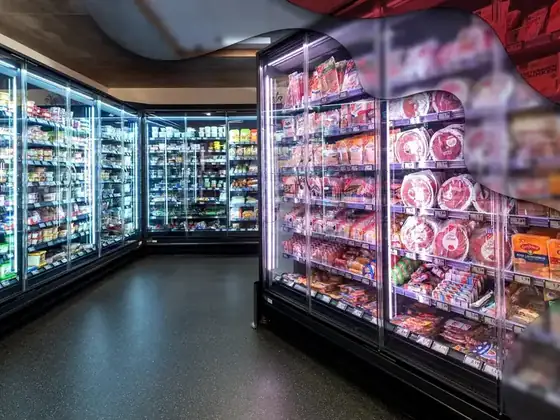
Every watt of lighting inside a refrigerated envelope has to be removed again by the plant, so lighting load in a cooler is worth roughly twice what it is worth in an ambient space. That is why the cooler range publishes efficacy per part number: the 84 LED build of the 24V cooler linear module runs at 200 lm/W, against 140 lm/W for the 42 LED build at the same board size.
See DC Linear Module Standard for Cooler Application →
Then Decide How Much Colour Rendering You Are Buying
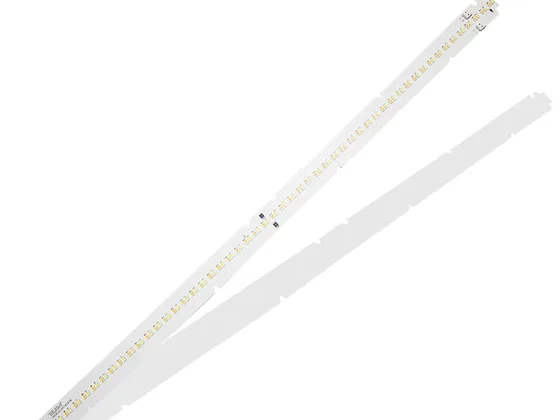
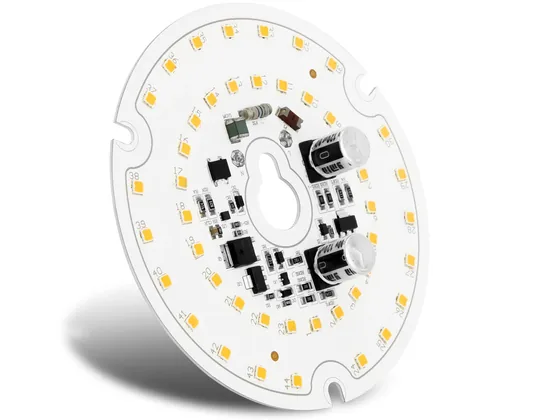
CRI and efficacy pull against each other. The tunable white cooler module publishes all three grades with their real efficacy: CRI 80 at 155 to 200 lm/W, CRI 90 at 130 to 150 lm/W and CRI 98 at 75 to 115 lm/W. Fresh meat, fish and bakery justify the CRI 98 build. Packaged ambient goods rarely do.
See DC Module Standard for Cooler Lighting Tunable White →
Check What Water Can Reach The Lighting
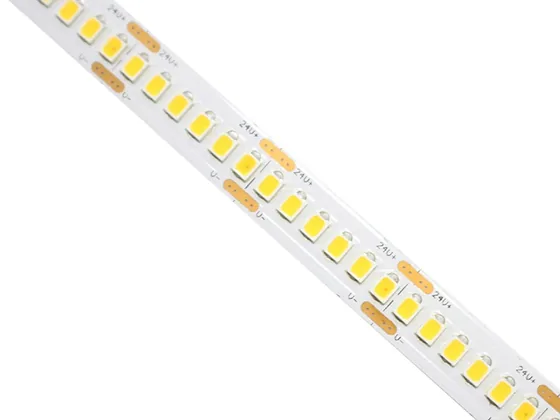
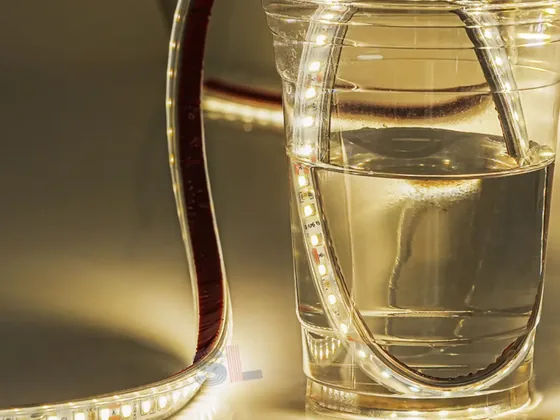
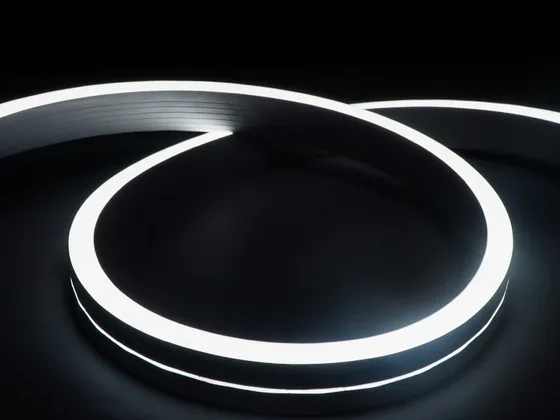
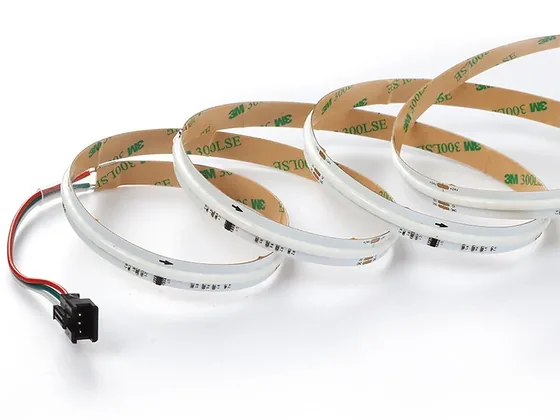
Condensation, defrost cycles and daily cleaning all reach places a datasheet does not consider. Where water can reach the lighting, use an IP67 build such as the 800 LED 2835 strip or the neon flex range, and remember the rating only holds if every cut is sealed with an end cap.
See Strip Light 2835 Energy Saving Solution →
Decide How It Mounts Before You Decide What It Is
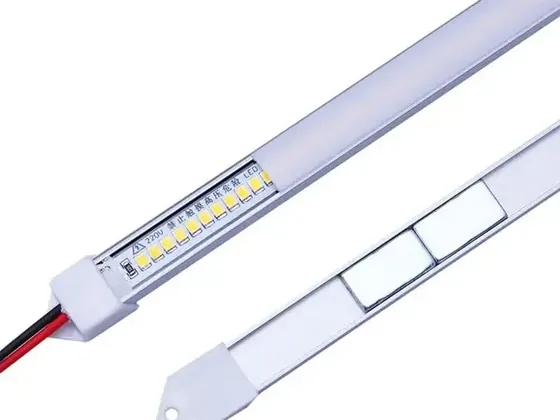
On a new case, a rigid board sized to the extrusion is the cheapest answer. On an existing case, drilling the liner is often not allowed at all, and a magnet mounted bar rated from minus 20 to 45 degrees Celsius solves the problem without a single new hole.
See Magnetic Light Energy Saving Solution →
Buy The Whole Run At Once
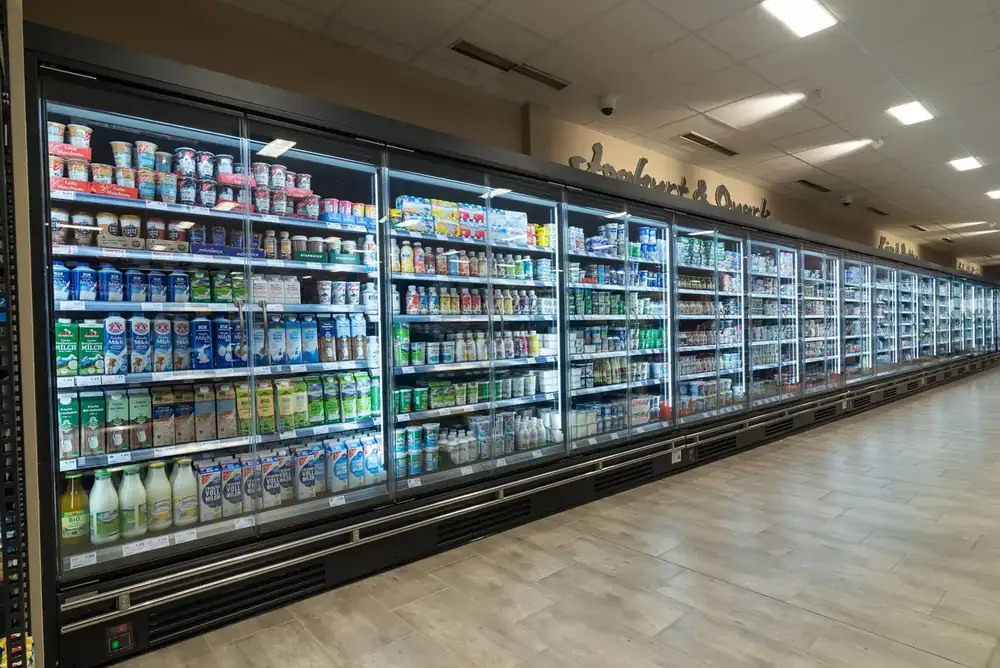
Colour differences between modules are invisible on a bench and obvious along an aisle of glass doors. Order a run of cases from one batch so the colour binning holds, and record the part number so a later refit can match it.