
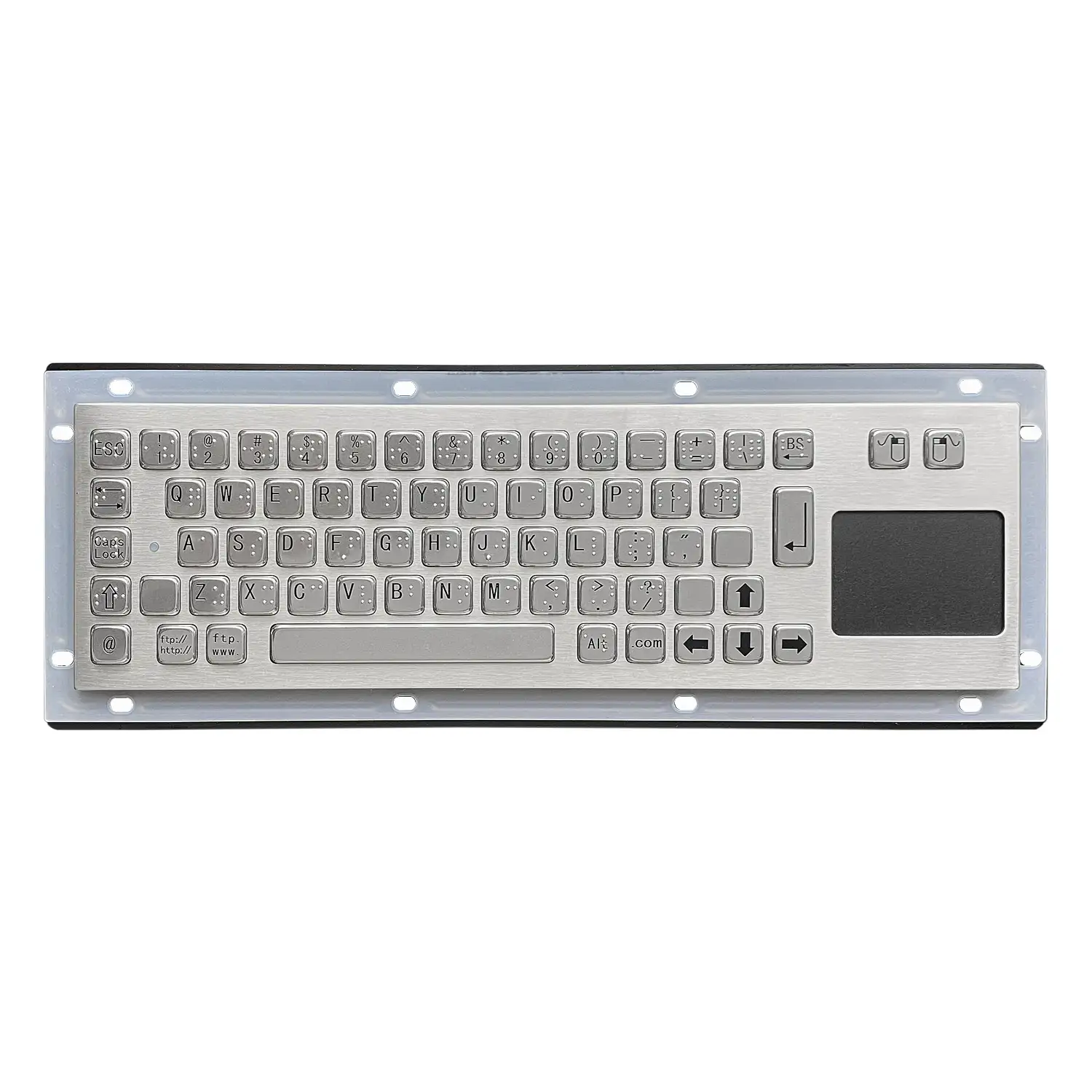
Surface Treatment Methods for Metal Keyboards
Why Surface Treatment Matters on Stainless Steel
The body of an industrial metal keyboard is made from stainless steel, but the finished surface is rarely left as the bare base material. Surface treatment adds a protective layer that determines how the panel behaves when it meets moisture, cleaning agents and corrosive substances over years of service, and it also decides how the keys look and feel under the operator's fingers. Because the panel and the keys face different demands, they are not always treated the same way. The panel is a large flat surface that needs corrosion and oxidation resistance; the keys are small parts handled thousands of times, where finish and feel carry as much weight as protection.
Electroplating the Keyboard Panel
Electroplating is the mildest of the three processes. The keyboard panel is immersed in an electrolytic solution and current is applied, which drives a chemical reaction between the metal at the panel surface and the mineral elements in the solution. The result is a protective alloy film on the panel containing copper, zinc and nickel. The process is straightforward and gives an even protective layer across the face of the keyboard. There is a trade-off to be aware of at the specification stage: electroplating partially reduces the strength of the panel, because hydrogen embrittlement introduced during plating lowers the mechanical strength of the base material.
The Dacromet Zinc Chromium Film Process
Dacromet is another name for a zinc chromium film, and the process works differently from electroplating. The keyboard panel is soaked together with the chemical zinc chromium film, then transferred to a heating furnace. The furnace is typically held at around 300 degrees for an hour, until the zinc chromium film has formed on the surface of the panel. The coating that results does two jobs. It prevents corrosive substances encountered in service from attacking the keyboard surface directly, and it contributes meaningfully to the panel's resistance to oxidation. For installations where the keyboard is exposed to chemically aggressive conditions, this is the process worth asking about by name.
Mechanical Drum Plating for Keys
The mechanical method is applied to the keys rather than the panel. The keys are loaded into a drum together with metal particle materials, a media and water, and the drum is rotated at high speed for approximately sixty minutes. Over that period a zinc coating builds up on the key surfaces. The coating protects the keys against wear and corrosion in the same way the panel treatments protect the face of the keyboard. It also changes the appearance and the touch: the treated keys carry a full metallic texture and feel better under the finger, which matters on a device an operator uses continuously throughout a shift.
Choosing Between the Three Processes
The three treatments are not interchangeable, and the choice follows the part and the environment. Electroplating suits panels where an even alloy film is the goal and the slight strength reduction from hydrogen embrittlement is acceptable for the mechanical loading involved. Dacromet suits panels where corrosion and oxidation resistance are the controlling requirements. Mechanical drum plating is the process for key parts, where the zinc coating protects small components and improves the metallic feel at the same time. When you brief a supplier, describe what the keyboard will be exposed to and where the wear occurs, and let the treatment be selected per component rather than applied uniformly.
What to Confirm With Your Supplier
Surface treatment rarely appears on a purchase order, which is why two visually similar keyboards can perform very differently after a year on site. Ask which treatment is applied to the panel and which to the keys, and confirm it in the order documentation so repeat batches match the sample. If the installation involves regular contact with cleaning chemicals or a corrosive atmosphere, raise that in the enquiry so the treatment is chosen against the real exposure. KEYU carries out sheet metal processing under an ISO 9001:2015 quality management system, so the treatment applied to a given model is a documented production step that can be repeated across orders.
Products Mentioned
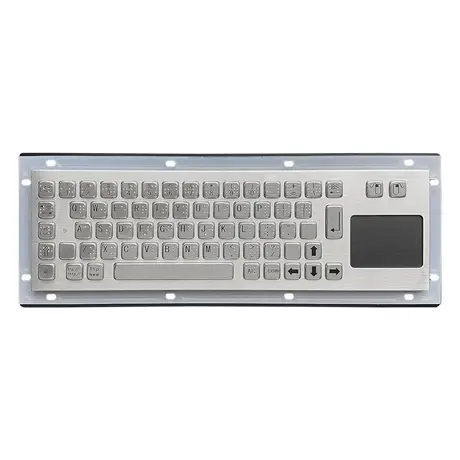
67 Key Metallic Keyboard With Braille KY-PC-NT3 BR
View Specification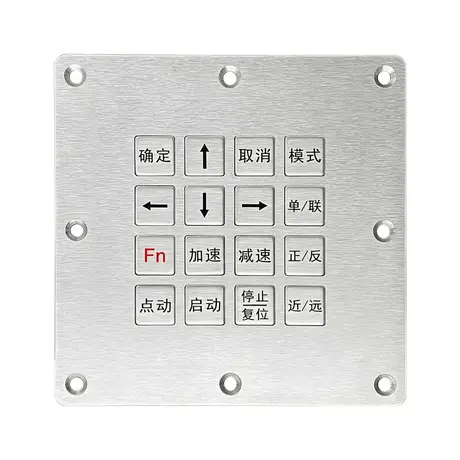
Industrial RS485 Keyboard With 16 Stainless Steel Keys
View Specification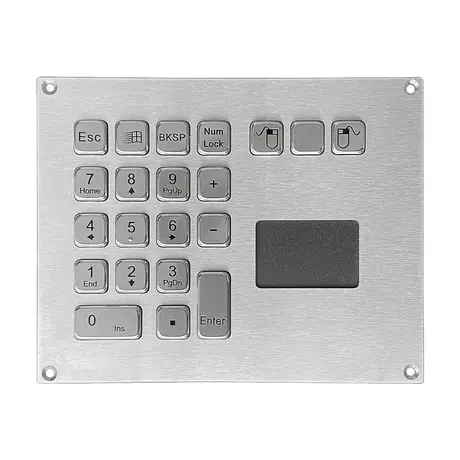
IP65 Mini Keyboard With Trackpad KY-PC-VG160T
View Specification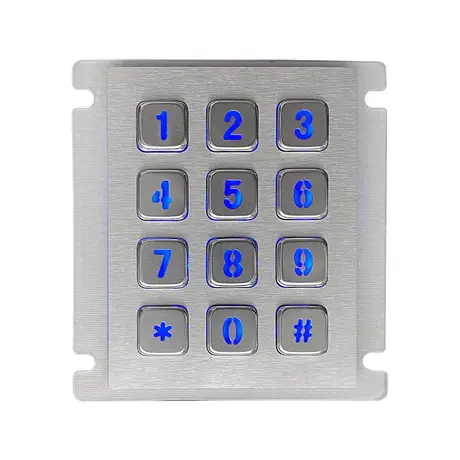
12 Key Industrial Backlight USB Keypad KY2068A-LED
View Specification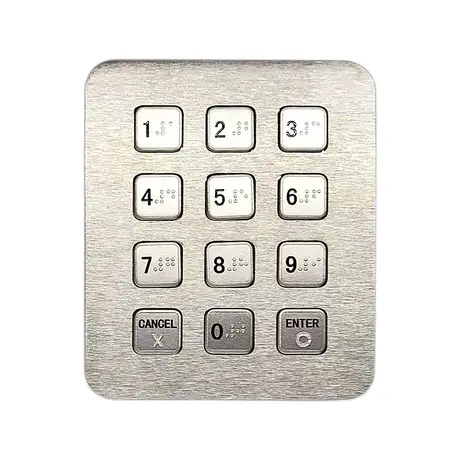
12 Key Industrial Numeric USB Keypad KY2073C-USB
View Specification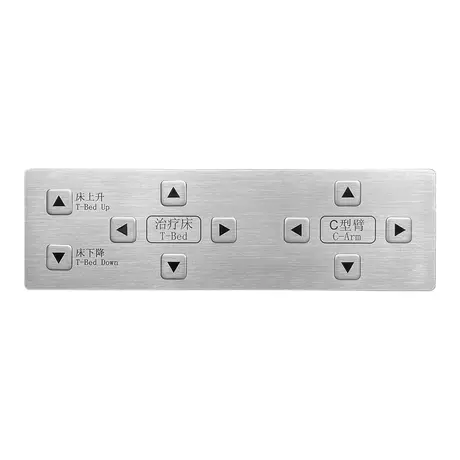
Custom Medical OEM Stainless Steel Keypad KY-2123
View SpecificationQuestions On This Topic
What metal are industrial keyboards made from?
Does electroplating have any downside?
What is Dacromet?
How are the keys themselves treated?
Put This Into A Specification
Send us the application and we will tell you which of these choices actually matter for your terminal.