
Five Reasons to Specify an Embedded Industrial Keyboard
What an Embedded Keyboard Is
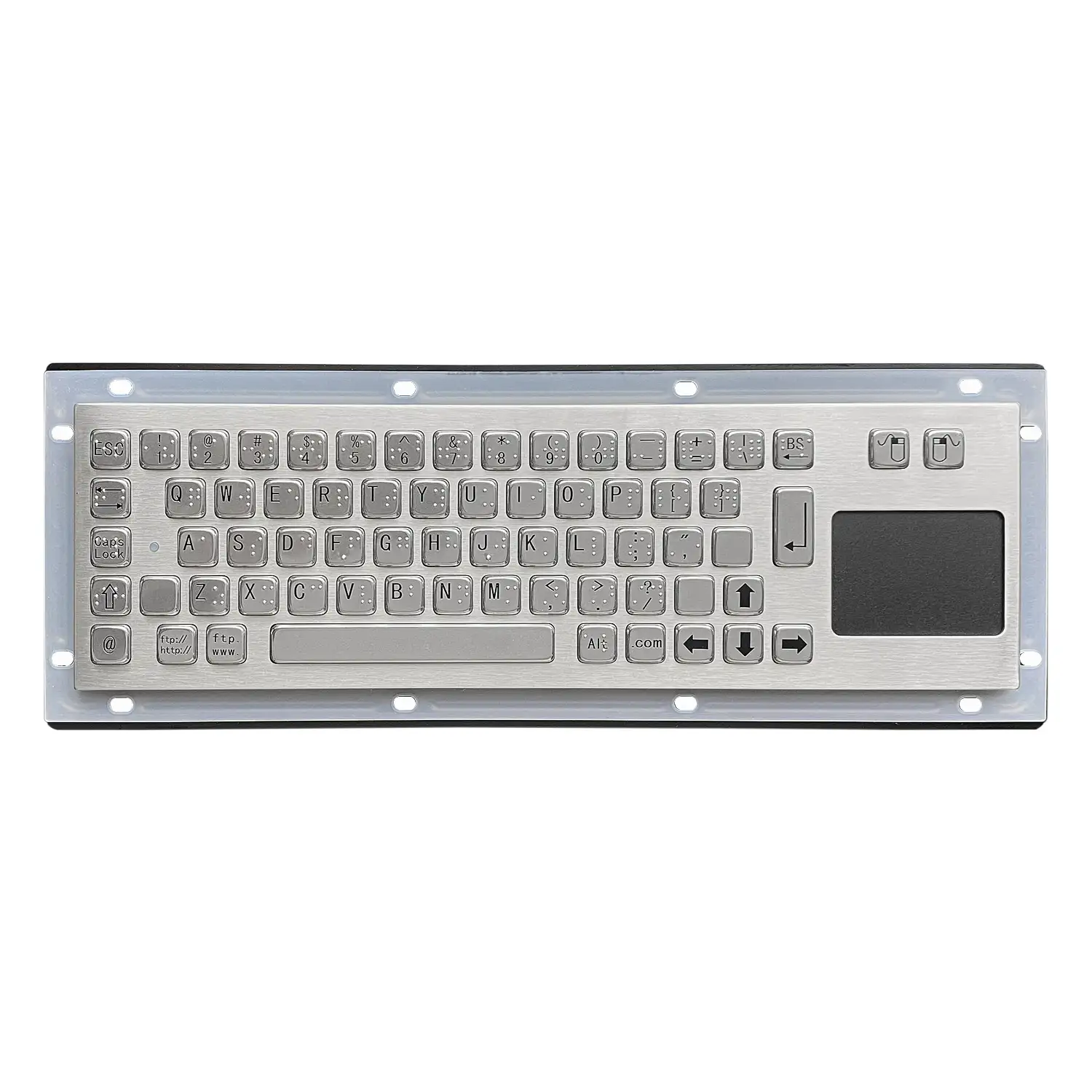
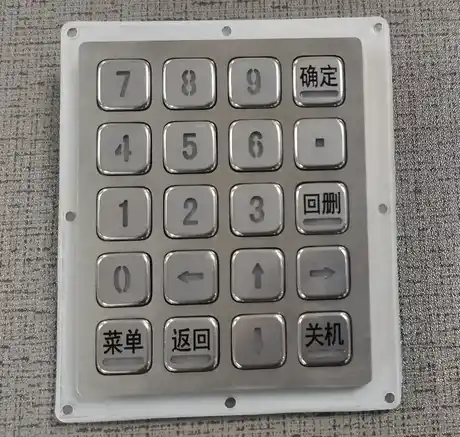
An embedded industrial keyboard is an input device designed to be built into machinery, a control panel, or other equipment rather than used as a loose desktop peripheral. It gives operators a fixed, known place to enter data or issue commands, which matters when the same station is used by different people across shifts. Many are sealed against dust, moisture, and other contaminants, and some models are waterproof. Because the keyboard becomes part of the machine, its specification has to be settled at the enclosure design stage rather than treated as an accessory chosen after the equipment is built.
Durability Under Real Conditions
Standard keyboards fail in industrial settings for predictable reasons: the case cracks under impact, dust works into the key mechanism, liquid reaches the membrane, and temperature swings distort plastic parts. Embedded industrial keyboards are made from materials chosen to resist heavy impact, dust, water, and extremes of temperature, so they survive conditions that would take an office unit out of service within months. The commercial argument follows from that. A keyboard that has to be replaced repeatedly costs not only its own price each time but also the machine downtime and the labour involved in every swap, which usually outweighs the hardware saving.
Ergonomics for Long Shift Use
Embedded keyboards are laid out with the operator in mind rather than simply copying a desktop layout into a metal panel. Keys are spaced appropriately for the way the station is used, and the arrangement is organised for ease of use at the position the operator actually stands or sits in. Over a full shift that reduces the repetitive strain risk that comes with awkward reach and cramped key spacing, and it keeps entry rates steady. Getting the ergonomics right at design stage is also cheaper than correcting it afterwards, since the panel cut out and mounting height are fixed once the enclosure is in production.
Custom Layouts That Remove Errors
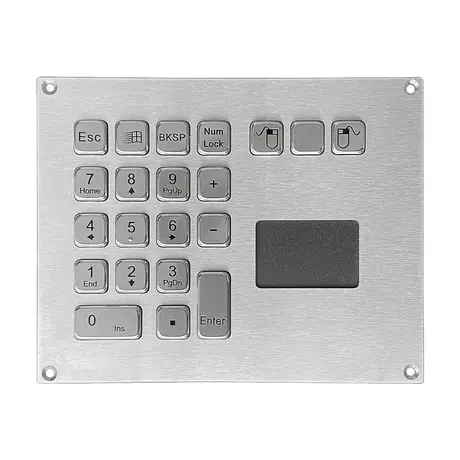
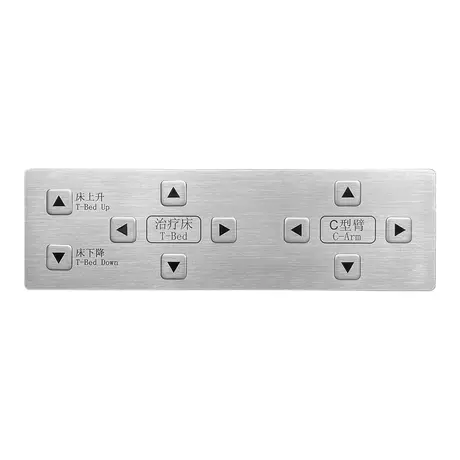
One of the strongest arguments for an embedded keyboard is that its layout can be built around the task. A keyboard can be specified to carry only the keys a particular operation needs, so the operator is not presented with dozens of irrelevant keys that do nothing or, worse, do something unintended. Fewer keys means fewer wrong keystrokes, faster training for new staff, and a simpler panel to label. Industry specific arrangements follow the same logic: a keyboard for a healthcare setting may combine a wipeable surface with dedicated shortcut keys for routine tasks such as charting or ordering medication.
Compatibility With Existing Systems
Embedded industrial keyboards work with a broad range of host systems, including industrial computers, programmable logic controllers, and machinery controllers. That breadth is what makes them practical to retrofit as well as to design in, because the keyboard can normally be integrated into an existing system without adding interface hardware or installing extra software on the host. For an integrator, avoiding a driver installation on a validated or locked down control system removes a significant approval step. It also makes field replacement simpler, since a technician can fit a new unit and return the station to service without software work.
Safety Built Into the Panel
An embedded keyboard can carry safety functions that a desktop keyboard cannot. An emergency stop key can be built into the same panel as the data entry keys, giving the operator a single place to look when machinery has to be shut down quickly. Surface finish contributes as well: a non reflective panel reduces glare from overhead lighting and improves key visibility in low light conditions, so the operator can read the layout under the lighting the plant actually has. Both points are decisions made during panel design, which is another reason to specify the keyboard early rather than late.
Questions On This Topic
Why not just use a sealed desktop keyboard?
Can the key layout be reduced to only what the task needs?
What hosts do embedded keyboards connect to?
When should the keyboard be specified in a project?
Put This Into A Specification
Send us the application and we will tell you which of these choices actually matter for your terminal.