Rotating exhibition stand slip ring structure and working principle
Rotating exhibition stands are a common piece of equipment in modern exhibitions and presentations. It can achieve smooth rotation, allowing exhibits or actors to be displayed in front of the audience, giving people a full viewing experience. An important component in the rotating mechanism of the rotating exhibition stand is the slip ring. Below, slip ring manufacturer INGIANT Technology will introduce the structure and working principle of the rotating exhibition stand slip ring.
1.Structure of the slip ring of the rotating exhibition stand
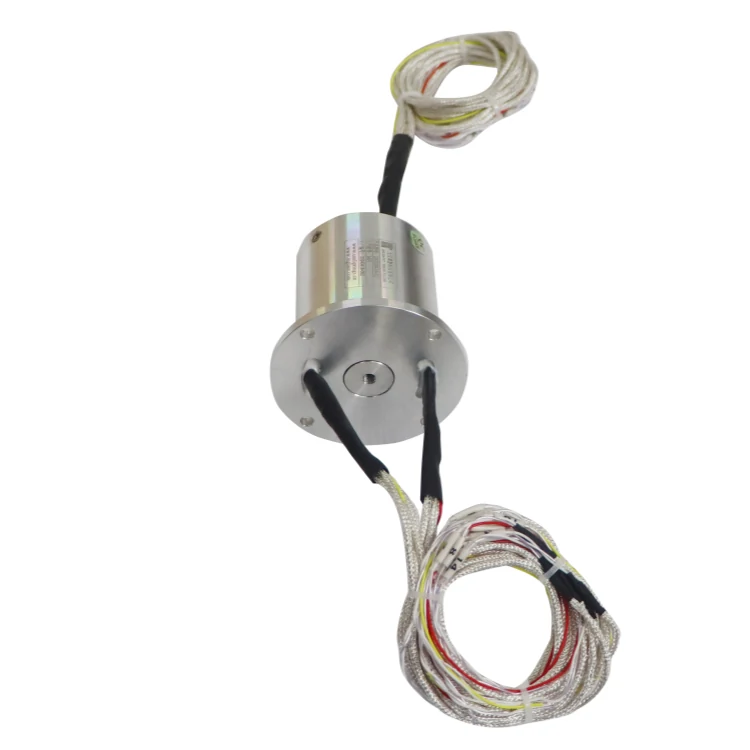
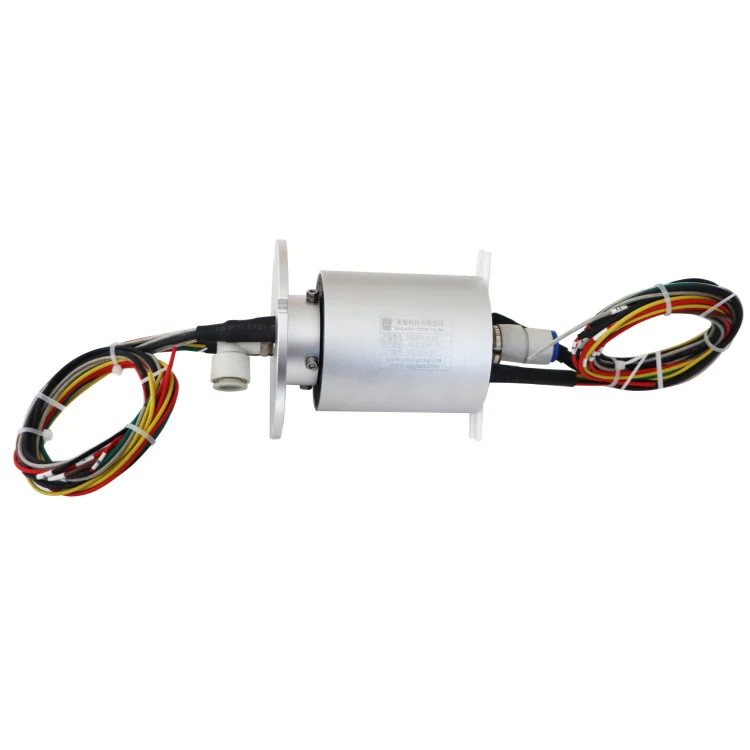
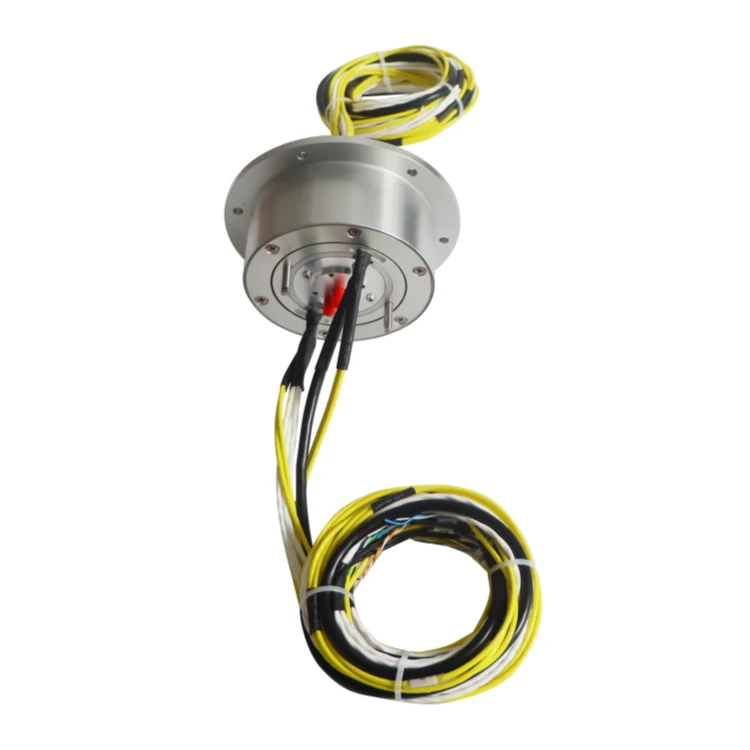
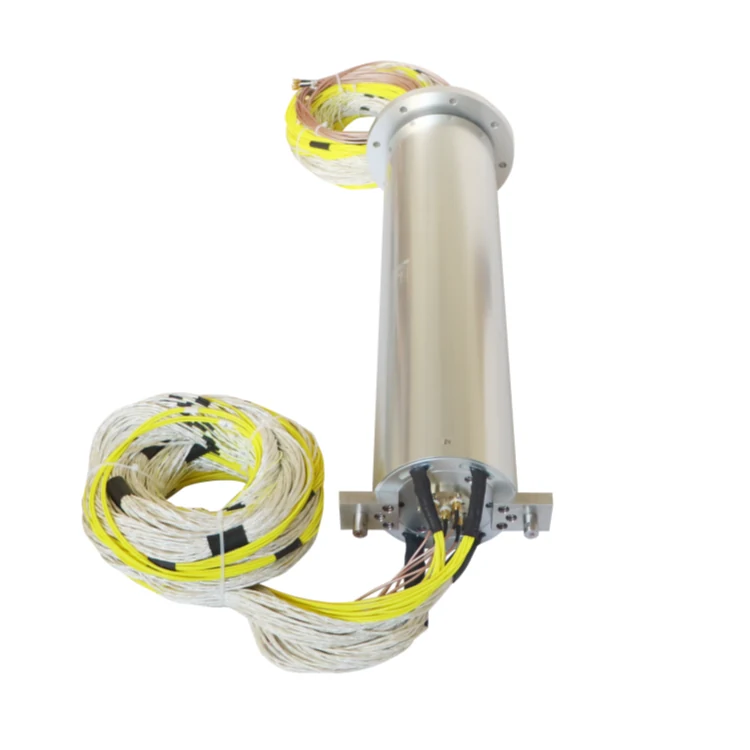
A slip ring, also known as a rotary transmitter or rotary electrical contact, is an electrical rotary joint used to transmit power and signals during rotational motion. The structure of the slip ring mainly consists of a shell, a rotor, contacts and a conductive brush.
Housing: The housing of the slip ring is a disc-shaped structure, usually made of metal material. It has good mechanical strength and stiffness, which can protect internal components, and has thermal conductivity properties to ensure heat dissipation when the slip ring is running.
Rotor: The rotor is the core component of the slip ring and is usually installed on the shaft of the rotating exhibition stand. A series of contacts are provided on the inner ring of the rotor for transmitting power and signals.
Contacts: Contacts are the key part of the slip ring. They are responsible for the transmission of power and signals. The contacts realize the flow of current or signals by contacting the conductive brushes. Contacts usually use highly conductive materials, such as brass or precious metals, to ensure reliability and stability of transmission.
Conductive brush: The conductive brush is located on the fixed part of the slip ring and is used to contact the contacts on the rotor. They connect the slip ring to an external power source or device, allowing electrical energy or signals to be transmitted.
2.Working principle of rotating exhibition stand slip ring
The working principle of the rotary exhibition stand slip ring is based on two key concepts: separation contact and sliding contact.
Separation contact: During the rotation of the slip ring, there will be relative movement between the contact and the conductive brush. When the contacts are about to leave the conductive brush, due to the effect of mechanical inertia, they will not separate immediately, but will form a short closed circuit. This process is called split contact, and it ensures stable transmission of current and avoids signal interruption or arcing.
Sliding contact: When the contact separates the contact, the next action is sliding contact. At this stage, a tiny contact area is maintained between the contacts and the conductive brush, and current or signals are transmitted through sliding contact. Sliding contacts need to maintain good contact quality and stability to avoid resistance or interference during transmission.
By alternating separate contacts and sliding contacts, slip rings realize the transmission of power and signals, allowing the rotating exhibition stand to operate smoothly while maintaining a stable connection between the power supply and the equipment.
This article introduces the structure and working principle of the slip ring of the rotating exhibition stand. By understanding the working principle of the slip ring, we can better understand the operating mechanism of the rotating exhibition stand, and pay attention to the maintenance and inspection of the slip ring during maintenance and use.