Advantages and Disadvantages of Fiber Optic Slip Rings
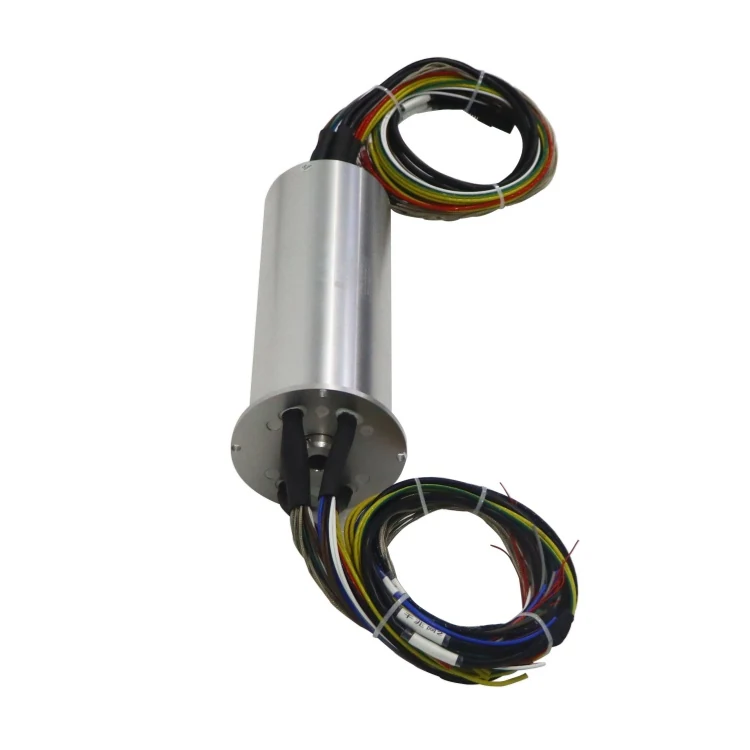
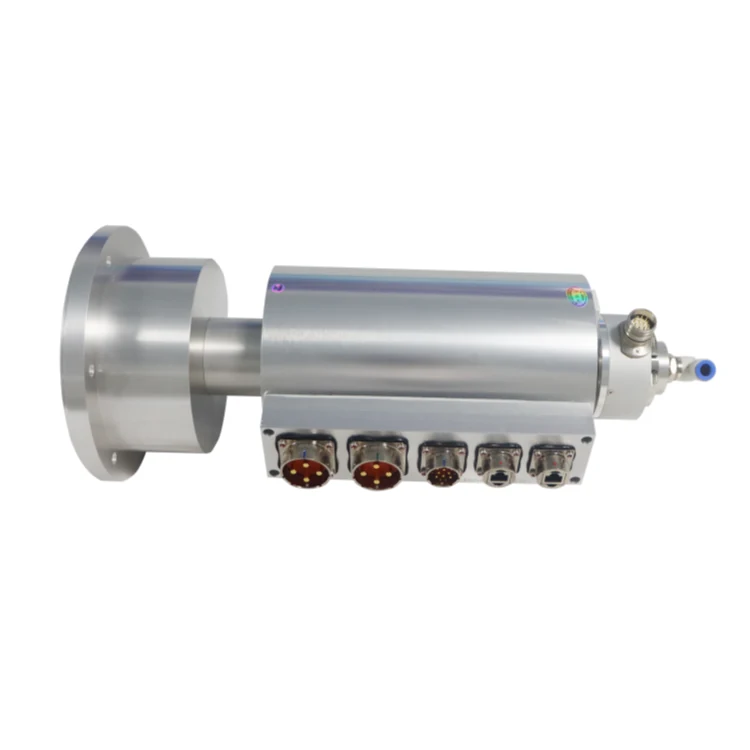
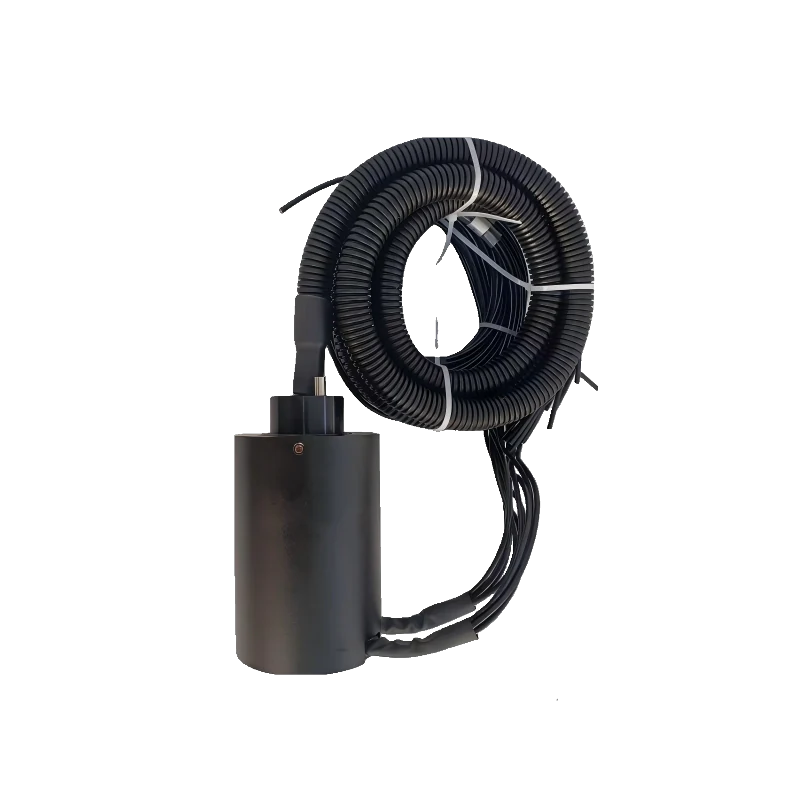
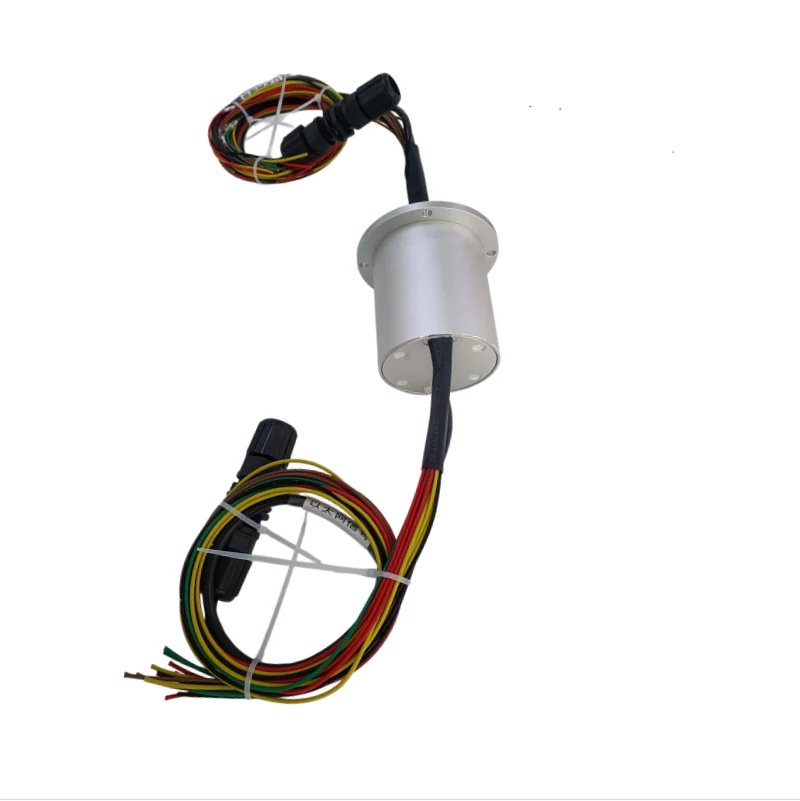
Fiber optic rotary joint, also known as fiber optic rotary connector, fiber optic slip ring or smooth ring, abbreviated as FORJ, is a precision device for transmitting light. It shows significant advantages in many aspects, but there are also some shortcomings. In order to meet the needs of different customers, INGIANT usually provides customized services.
One of the main advantages of fiber optic rotary joints is its ultra-long transmission distance. One of the advantages of using optical fiber for communication is the ability to transmit information over long distances, which is fully reflected in the design of the optical fiber rotary joint. Fiber optic rotary joints also have significant advantages in terms of communication capacity. Fiber optics are capable of transmitting much larger amounts of data than traditional metal wires, making fiber optic rotary joints excellent at handling large amounts of information.
Fiber optic rotary joints also have strong anti-interference properties. Because optical fibers transmit information in the form of light, they are not as susceptible to electromagnetic interference as metal wires. This makes fiber optic rotary joints perform well in certain high-interference environments.
However, fiber optic rotary joints also have some disadvantages. One of them is its brittle texture and poor mechanical strength. Because fiber optics are made of glass or plastic, they are more susceptible to damage than metal wires. Therefore, extreme care is required during use and maintenance.
When evaluating the performance of fiber optic rotary joints, three important performance evaluation indicators are usually considered: insertion loss, insertion loss fluctuation, and return loss. Insertion loss refers to the loss suffered by optical signals during transmission. Insertion loss fluctuation refers to the change in insertion loss experienced by optical signals at different points in time. Return loss refers to the energy reflected back by the optical signal during transmission. These metrics are critical for evaluating the performance of fiber optic rotary joints.