

Ultrasonic sensors built from the ceramic up
Guangye Technology develops the sensitive material, simulates the device, designs the process and analyses the signal - all inside one team. That is what keeps echo behaviour consistent from the first sample to the ten-thousandth unit.
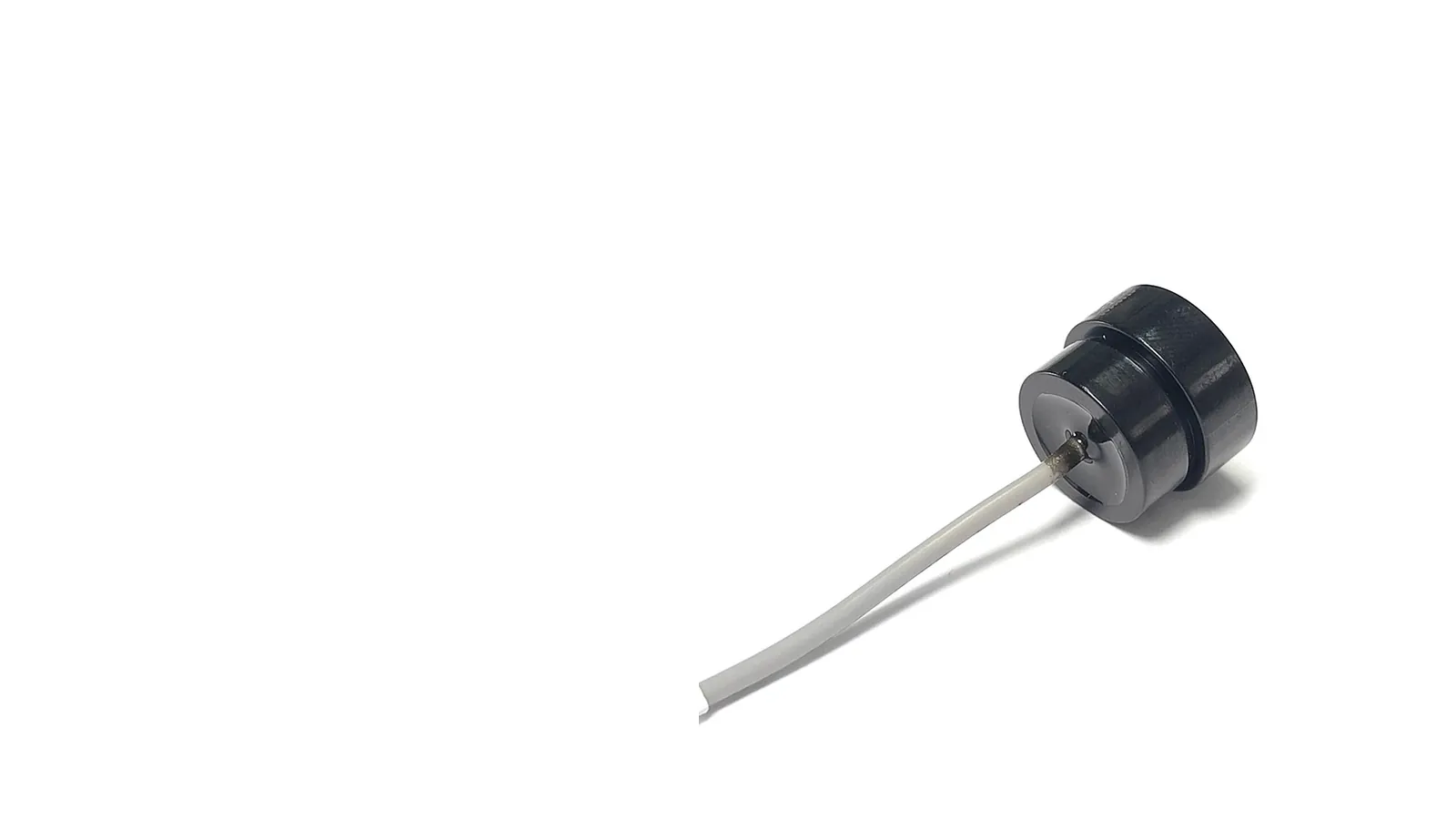
Know the surface before you touch it
Reflection-type transducers separate metals, plastics and wood from the change in the returning wave - and tell one sheet of paper from two. Non-contact, unaffected by colour or gloss.
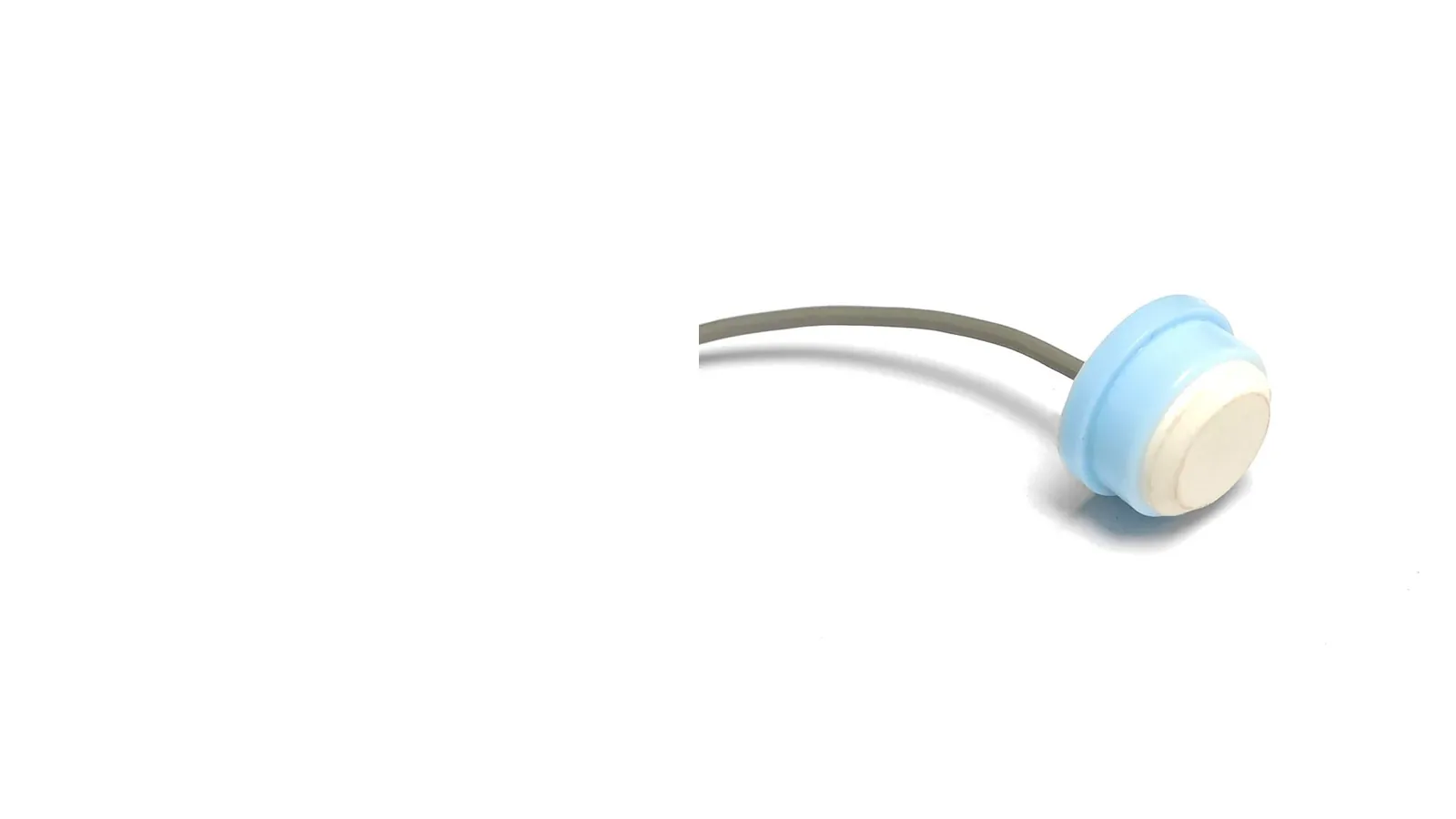
Meter the flow without a moving part
Transit-time transducers at 1 MHz, 2 MHz and 200 kHz for smart water meters, gas metering, HVAC fresh air and energy monitoring. Low pressure loss, wide range ratio, nothing to wear out.
Three sensing problems, six transducers
Every GuangYene sensor answers a question a machine has to settle without touching anything: what is this material, how fast is this liquid moving, how much gas has passed. Start from the problem, not the part number.
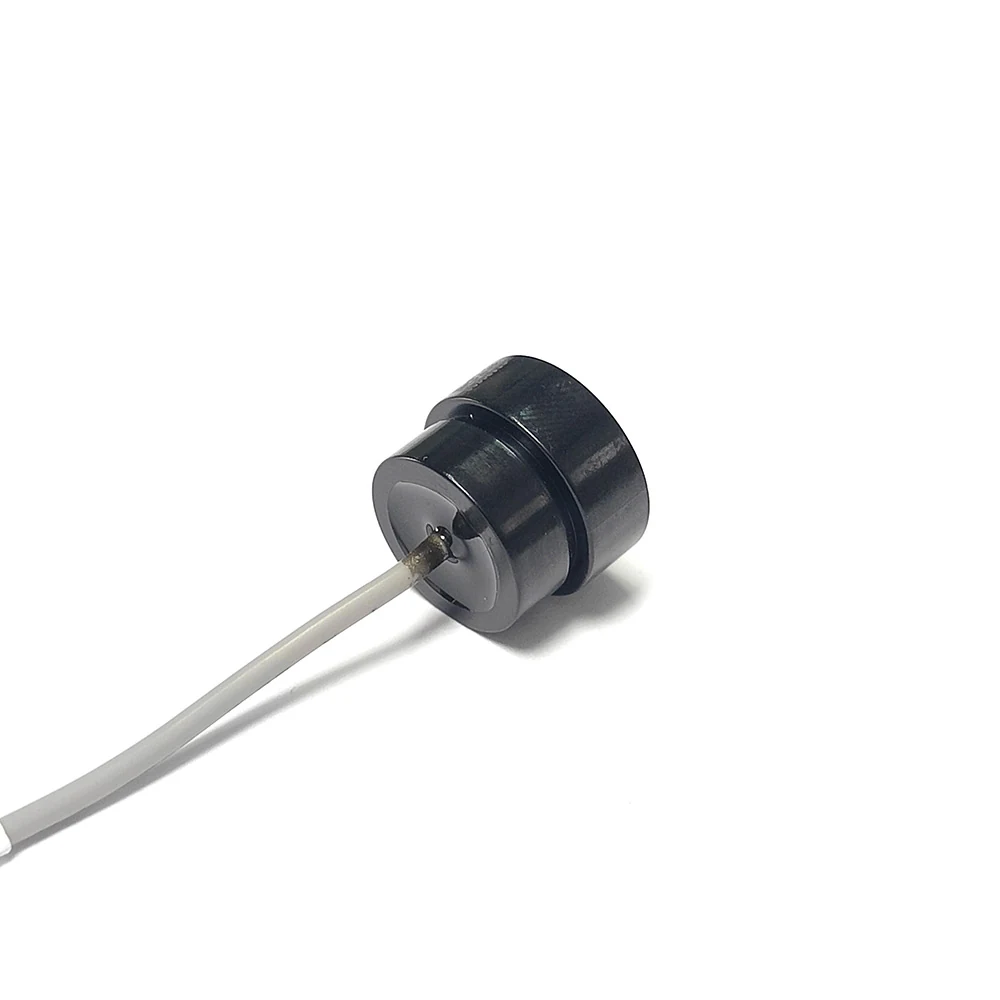
Material Recognition Sensors
Reflection-based transducers that tell one material or one sheet count from another, without touching the target.
3 sensors →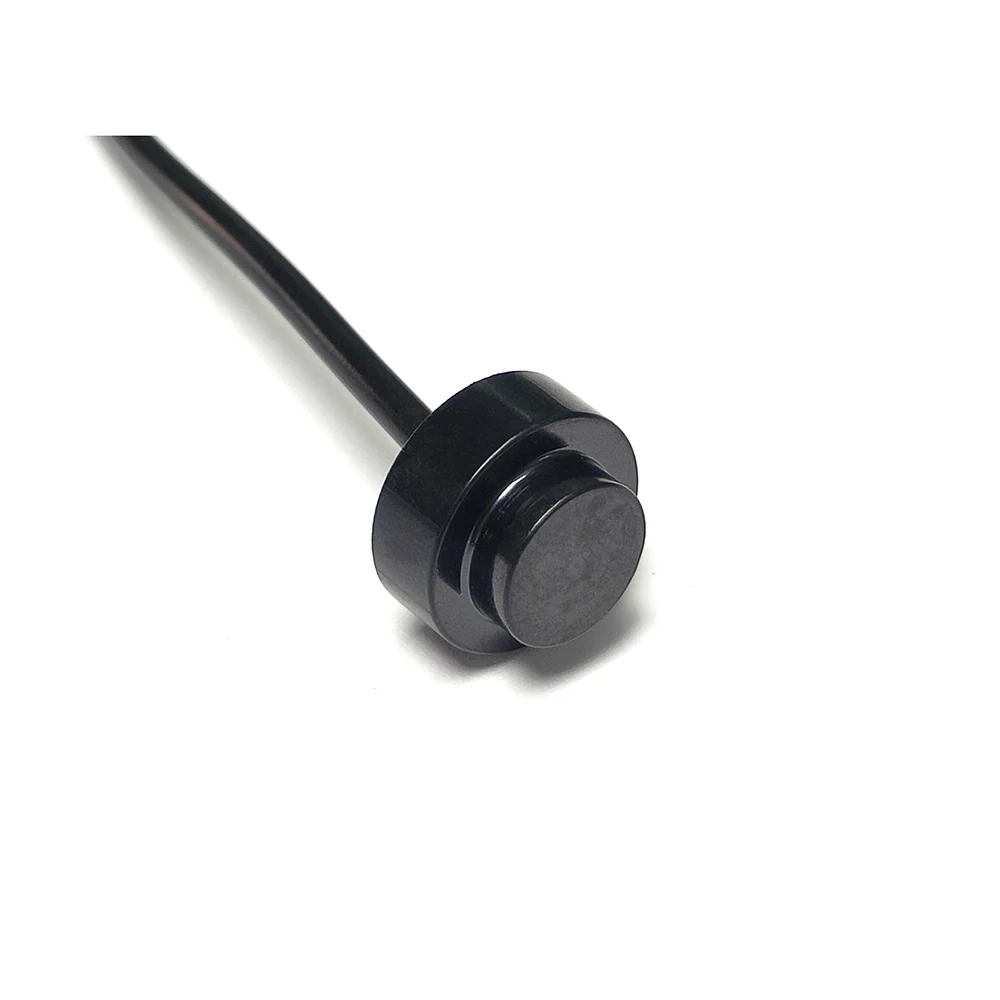
Liquid Flow Sensors
Transit-time transducer pairs for water metering and in-water ranging, at 1 MHz and 2 MHz.
2 sensors →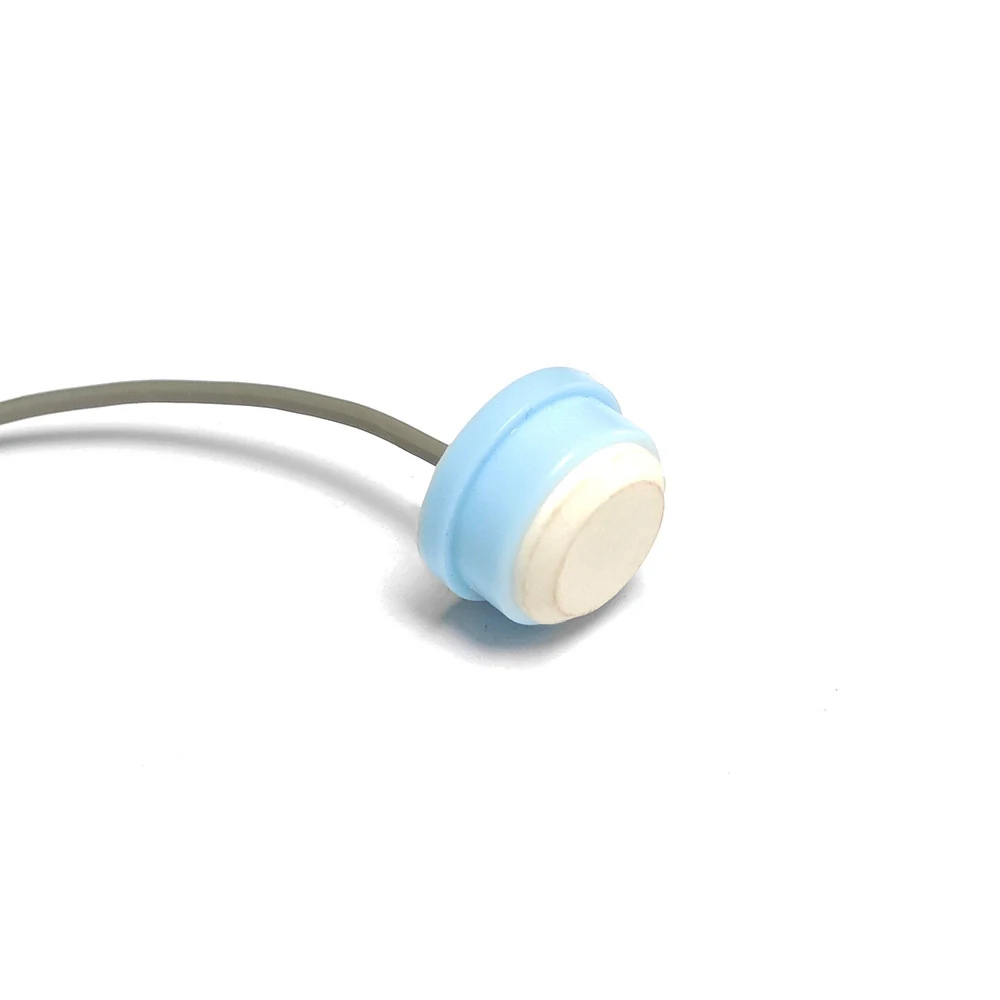
Gas Flow Sensors
200 kHz transducers for gas metering, with chemical corrosion resistance and low pressure loss.
1 sensor →All six ultrasonic sensors
Nothing is hidden behind a login and nothing is listed that we do not build. Where a figure has not been published, the specification table says so rather than guessing.
Ultrasonic Material Recognition Sensor 1
A reflection-type ultrasonic transducer that reads back the change in frequency and amplitude of the returned wave, so metal, plastic and wood separate cleanly without any contact with the target.
View specifications →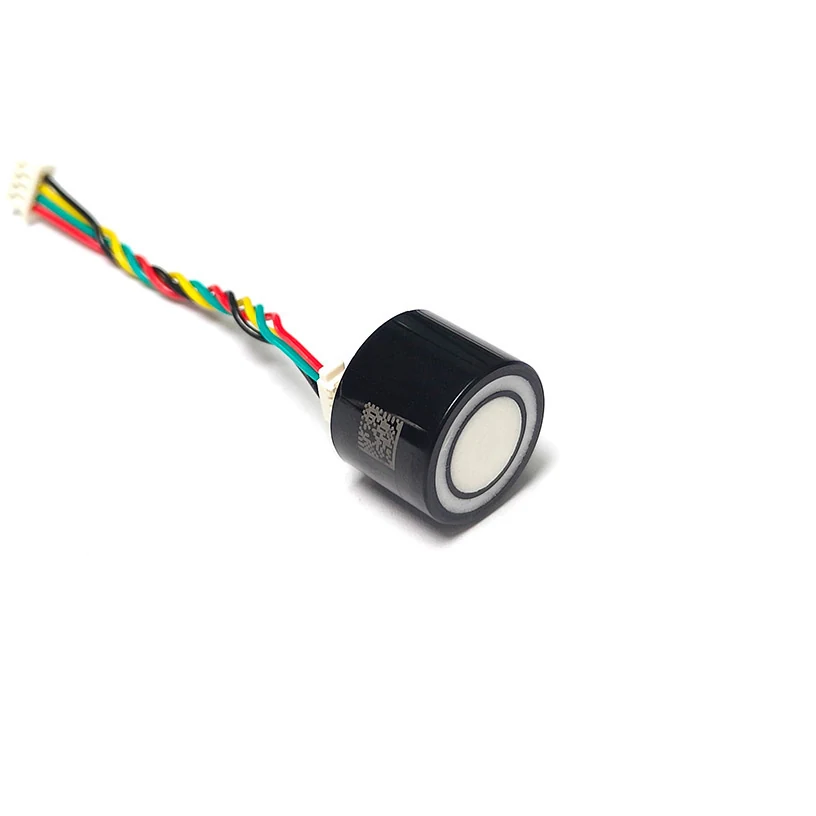
Ultrasonic Material Recognition Sensor 2
The same reflection-type sensing element supplied on a twisted, colour-coded harness with a pitch connector already fitted, so it drops straight onto a board-level mating header.
View specifications →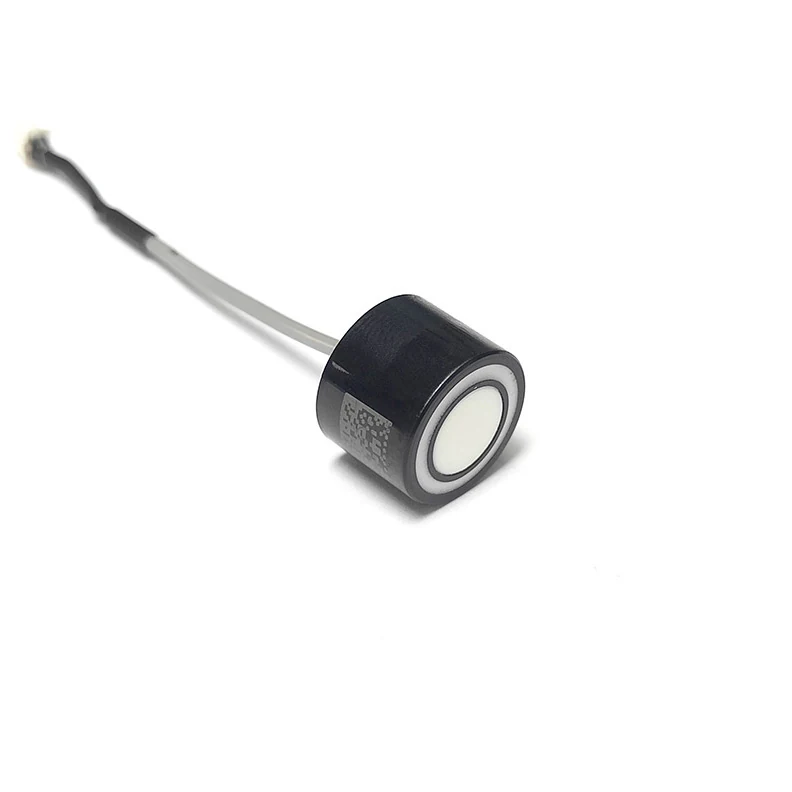
Ultrasonic Material Recognition Sensor 3
A short-body reflection transducer with a fine centre-exit lead and micro connector, so it seats in a shallow boss and routes straight back to the board.
View specifications →Ultrasonic Flow Sensor 1MHz
A 1 MHz transit-time transducer pair that starts up quickly and returns an easily identified signal edge, so the metering ASIC can lock onto the upstream and downstream arrival times without long averaging.
View specifications →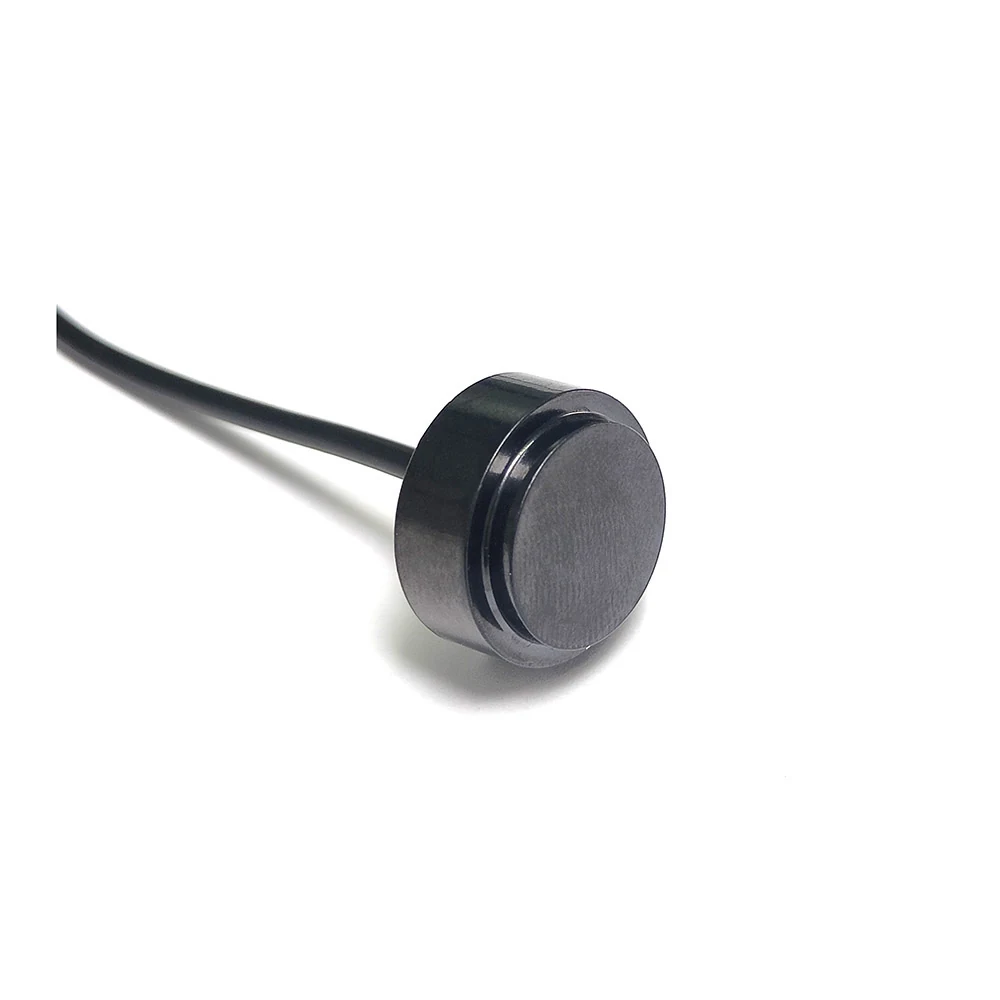
Ultrasonic Flow Sensor 2MHz
A 2 MHz transit-time transducer with a metal-faced housing: the shorter wavelength gives finer timing resolution on a short acoustic path, and the metal face takes the pressure and the wetted duty.
View specifications →Ultrasonic Gas Flow Sensor 200KHz
A 200 kHz transducer matched to a gas load, measuring transit time across the duct so the meter has no moving part, low pressure loss and a wide range ratio, while resisting chemical corrosion from the medium.
View specifications →A transducer is only as consistent as its ceramic
A meter's calibration constant stays valid for exactly as long as its transducers keep behaving the same way. That consistency is not set during assembly - it is set in the piezoelectric material and in the process that turns a working prototype into a repeatable one.
Our core team's capability covers that whole chain: design theory, device simulation, sensitive material development, high-quality operation process design and development, and product signal analysis and failure handling. Over twenty years of industry experience sits behind it.

What we actually do ourselves
Sensitive material development
The piezoelectric ceramic is developed in-house, which is where a transducer's sensitivity and consistency are actually decided.
Design theory and device simulation
Geometry and material are checked in simulation before anything is tooled, so the first sample answers a question instead of raising one.
Process design for volume
High-quality operation process design and development is what keeps unit two thousand behaving like unit two.
Signal analysis and failure handling
When an echo goes wrong in the field, the people who designed the device read the waveform.
Industries we build for
Smart Water Metering
Static water meters have to bill accurately for years on a single battery, with no impeller to silt up or wear.
How we serve it → IndustryGas Metering & HVAC
Metering a gas means fighting an impedance mismatch, without adding pressure loss to the line.
How we serve it → IndustryRobotics & Home Appliance
A floor-cleaning robot has to tell carpet from tile before it drives onto it, in a housing with no room to spare.
How we serve it → IndustryIndustrial Sorting & Inspection
Sorting and quality inspection lines need a verdict per part, at line rate, without marking the part.
How we serve it →Engineering notes, not marketing
How Transit-Time Ultrasonic Flow Measurement Works
Sound travelling with the current arrives sooner than sound travelling against it. Everything else in a static flow meter is arithmetic.
Read the article → KnowledgeChoosing Between 1 MHz and 2 MHz Flow Transducers
A short path wants a short wavelength. A long or attenuating path wants the opposite.
Read the article → KnowledgeUltrasonic Material Recognition Explained
Different materials send back a different wave. That difference is the measurement.
Read the article →Frequently asked
What do you manufacture?
Ultrasonic sensors - piezoelectric transducers for material recognition, liquid flow measurement and gas flow measurement. Guangye Technology has focused on production since 2007 and is committed to becoming a global supplier of ultrasonic sensors.
Can you do OEM and private label?
Yes. Private label your brand, and products can be customised for you. Housing, lead, connector and marking are specified per order.
Do you develop the sensing element yourselves?
Yes. Our core team's capabilities cover design theory, device simulation, sensitive material development, high-quality operation process design and development, and product signal analysis and failure handling.
Where are you located?
Building 4, South District, COFCO Yunjing, Songbai Road, Guangming District, Shenzhen, Guangdong, China. The site covers 2,000 square metres.
How do I get a quotation?
Message us on WhatsApp or email with your medium, acoustic path, what you need to resolve and your mechanical envelope. The Knowledge article on requesting a quotation lists exactly what to include.
What are your lead times and certifications?
Sample and production lead times are confirmed with each quotation, and certification documents are issued per order. Ask for the current position when you enquire - we do not publish figures we cannot stand behind for every order.
Tell us the acoustic problem, not the part number
Medium, path length, what you need to resolve, and the mechanical envelope. With those four answers we can tell you which transducer to sample - or whether it needs to be developed.