
Guides For People Who Have To Specify A Scale
Twelve guides covering load cell selection, accuracy classes, protection ratings, indicator choice, weighbridge sizing, calibration and container planning. Every figure comes from the specification data on our product pages.
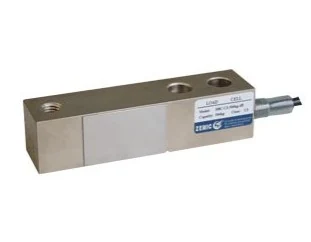
How To Choose Load Cell Capacity And Accuracy Class
Capacity and accuracy class are the two numbers that decide whether a scale can be built and verified. Here is how to derive both before you commit to a design.
Read the guide →
OIML R60 Accuracy Classes Explained For Scale Builders
Every load cell datasheet in this catalogue is a table of accuracy classes. This is how to read the columns and turn them into a decision.
Read the guide →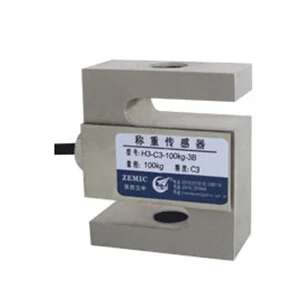
Shear Beam S Type And Column Load Cells Compared
Four structures cover nearly every weighing build. Choosing the wrong one creates mounting problems that no amount of calibration will fix.
Read the guide →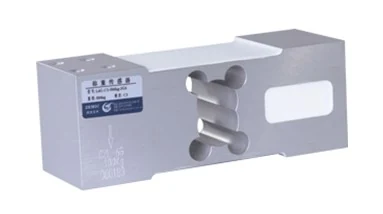
Single Point Load Cells And Platform Size Limits
Six aluminium single point families, six different platform limits. This is the number that decides the design, and it is published for every family.
Read the guide →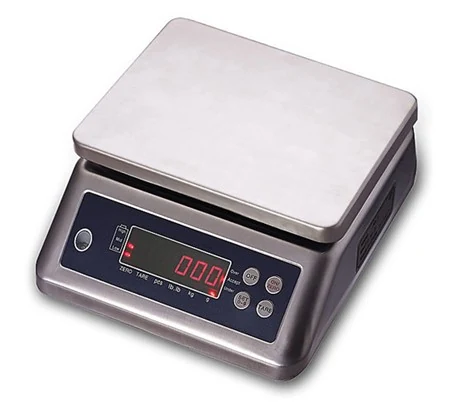
IP65 IP67 And IP68 Protection Ratings For Scales
The IP rating is the single most misread number in weighing. Here is what each level survives and how to pick one from your cleaning routine rather than a brochure.
Read the guide →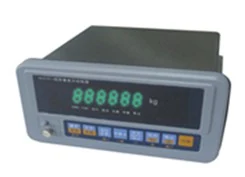
How To Choose A Weighing Indicator
Indicators are bought by part number and regretted by function. Decide what the head has to do on site first, then check it can drive your cells.
Read the guide →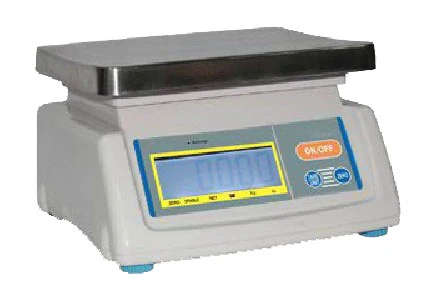
Platform Scale Buying Guide For Food Processing
Six questions decide the right bench scale for a food line. Answer them in order and the shortlist writes itself.
Read the guide →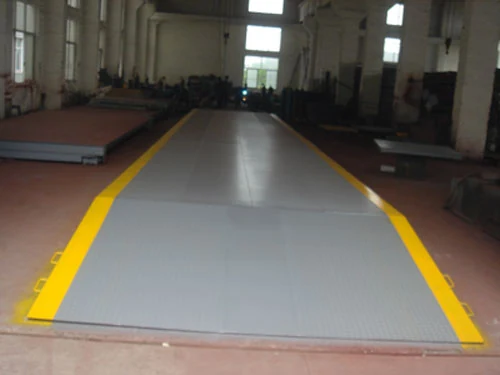
Truck Scale Deck Sizing And Site Preparation
A weighbridge is bought once and lived with for a decade. These are the decisions that cannot be changed afterwards.
Read the guide →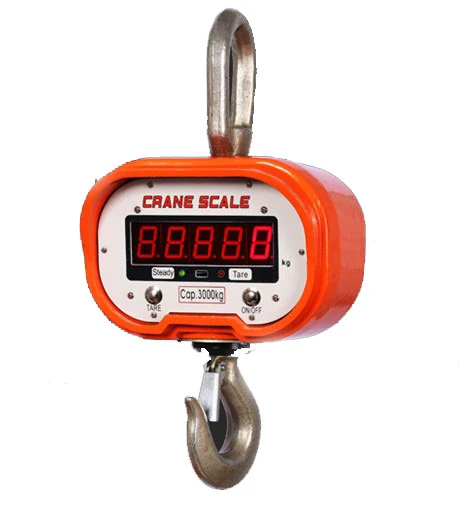
Crane Scale Safety And Inspection Basics
A crane scale sits in the load path of a lift. Treat it as lifting equipment first and a measuring instrument second.
Read the guide →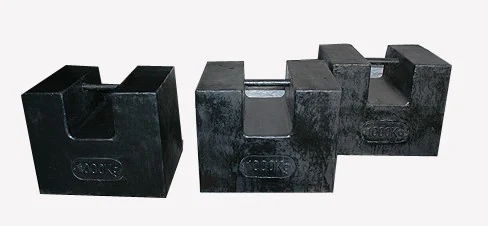
Calibrating Scales With Test Weights
Official verification happens once a year. Everything in between is your own responsibility, and it takes a set of weights and twenty minutes.
Read the guide →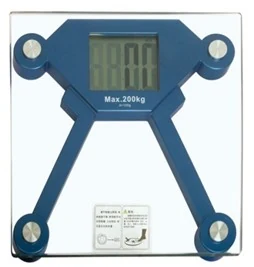
Container Loading And Lead Times For Scale Imports
Landed cost, not unit price, decides whether an import works. These are the numbers to ask for before you place the order.
Read the guide →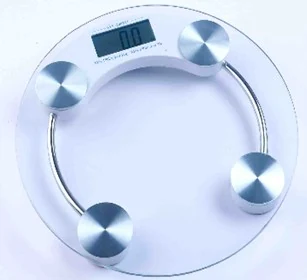
How To Choose A Body Scale For Retail Programmes
Body scales look identical on a shelf. The differences that drive returns are in six lines of the specification.
Read the guide →About The Knowledge Centre
Who writes these guides?
They are written from the same specification data our engineers quote from, which is why the figures in them match the product pages rather than a general industry article.
Can you advise on a specification we already have?
Yes. Send the drawing, the existing scale details or the specification you have been given and we will comment on it before you order.
Do you cover installation as well as selection?
The guides cover selection, sizing and verification. Civil works and installation are carried out locally, and we supply the load and dimension data your contractor needs.
Still Not Sure Which Model To Specify
Send us the application in one message. We will point you at the right guide and the right two or three models.