
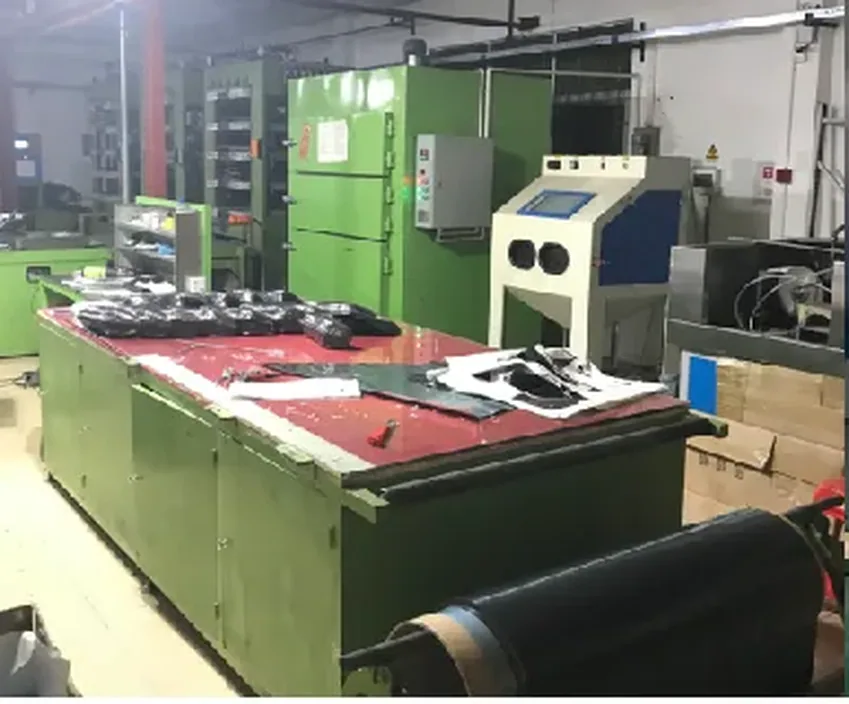
Technical Guides for Specifying Composite Parts
Eight guides covering material selection, plate thickness, tube against plate, weave and finish, machining, drone weight budgets and what to send with an enquiry. Written for the engineer doing the specifying, not for search engines.
Eight Guides From Material Choice to Purchase Order
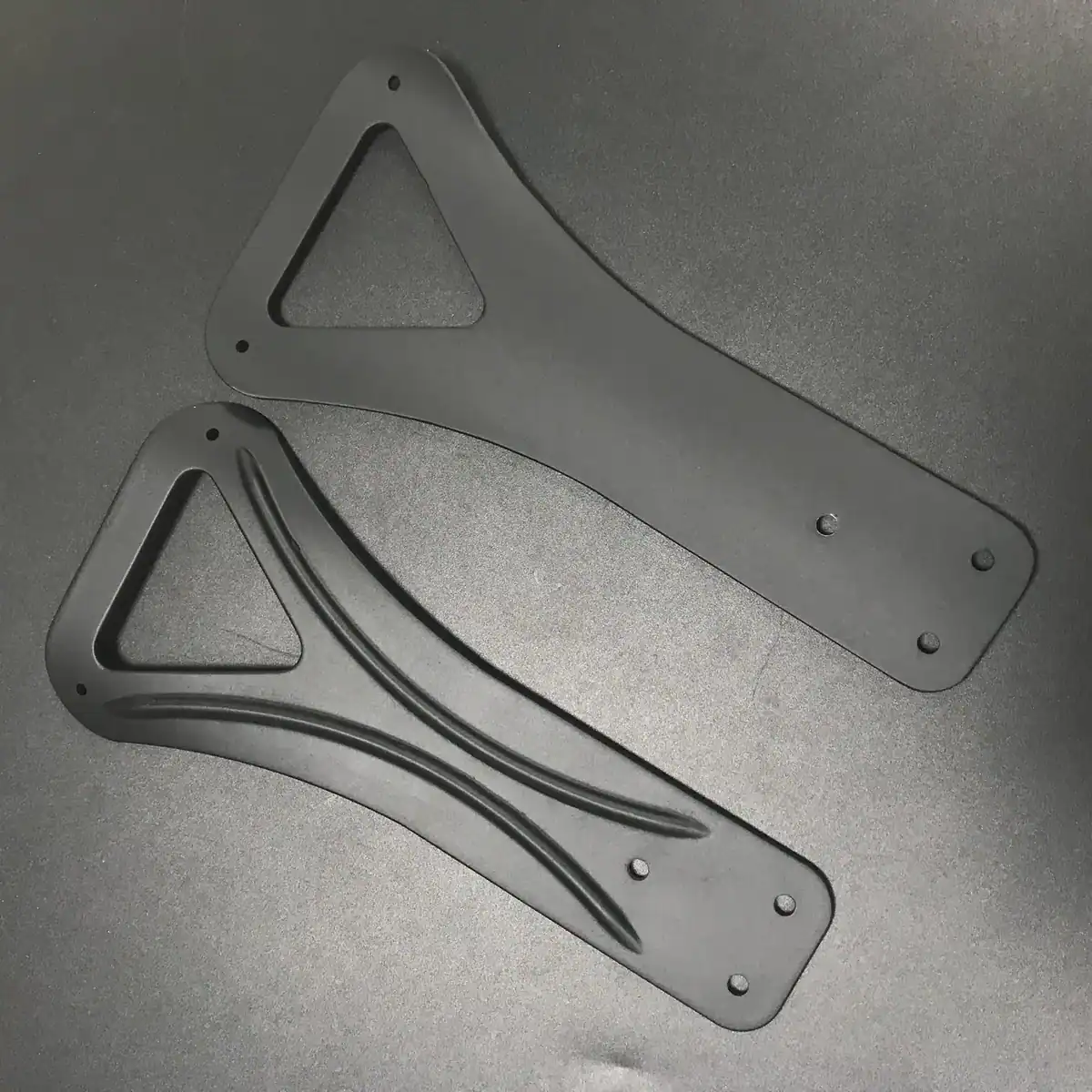
Why Verify a Composite Part Before You Cut the Mould
Tooling is the irreversible step in a composite programme. A full carbon fiber sample lets you test strength, rigidity and precision while changes still cost machining time instead of tooling money.
Read the guide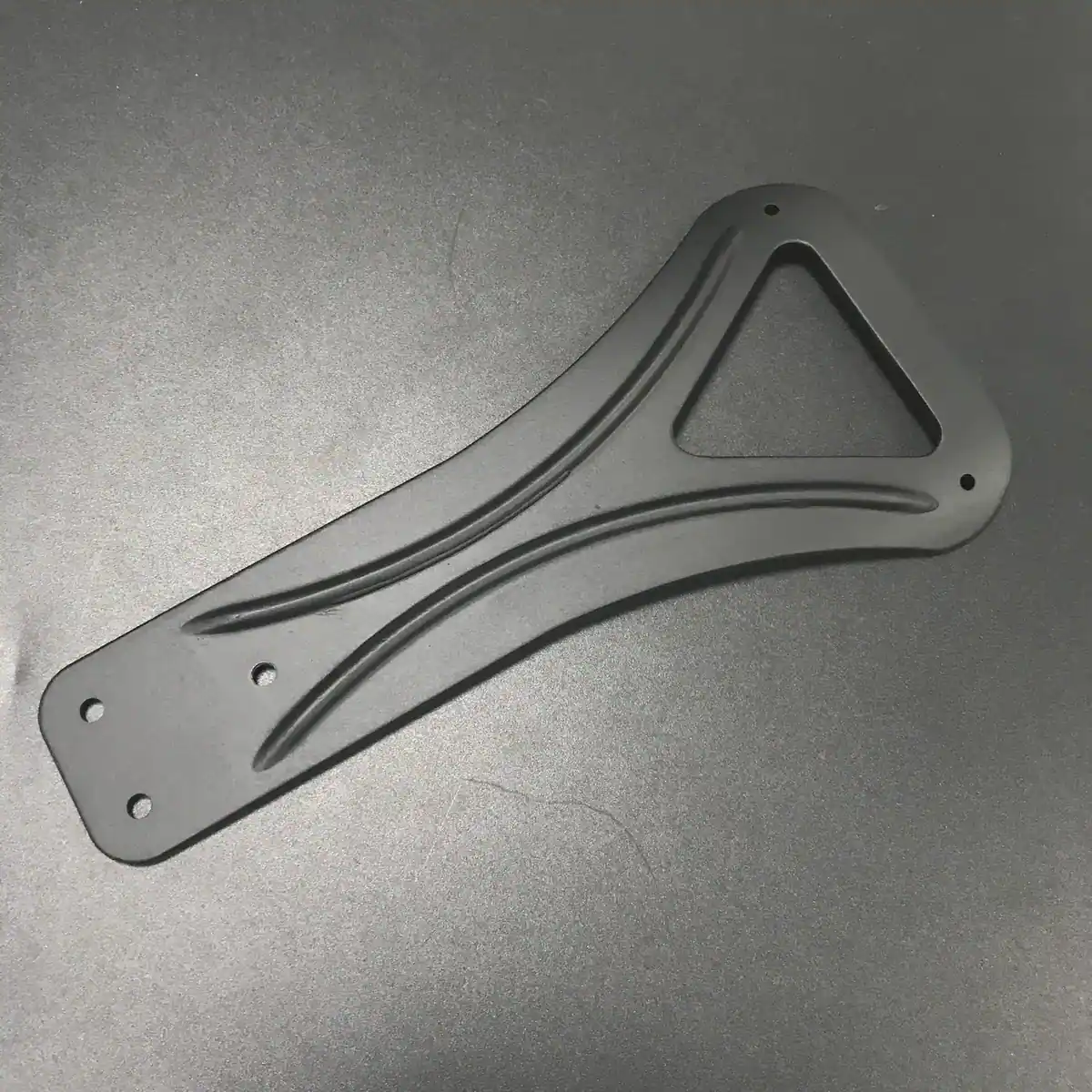
Carbon Fiber or Aluminium for a Structural Part
Aluminium is predictable, machinable and cheap to buy. Carbon fiber is lighter and stiffer per gram and lets you place fibre where the load is. Which wins depends on three questions.
Read the guide
How to Choose Carbon Fiber Plate Thickness
Stock plate runs from 0.5 mm to 5.0 mm in 0.5 mm steps. Choosing between them is a stiffness calculation, not a strength one - and the lay-up matters as much as the number.
Read the guide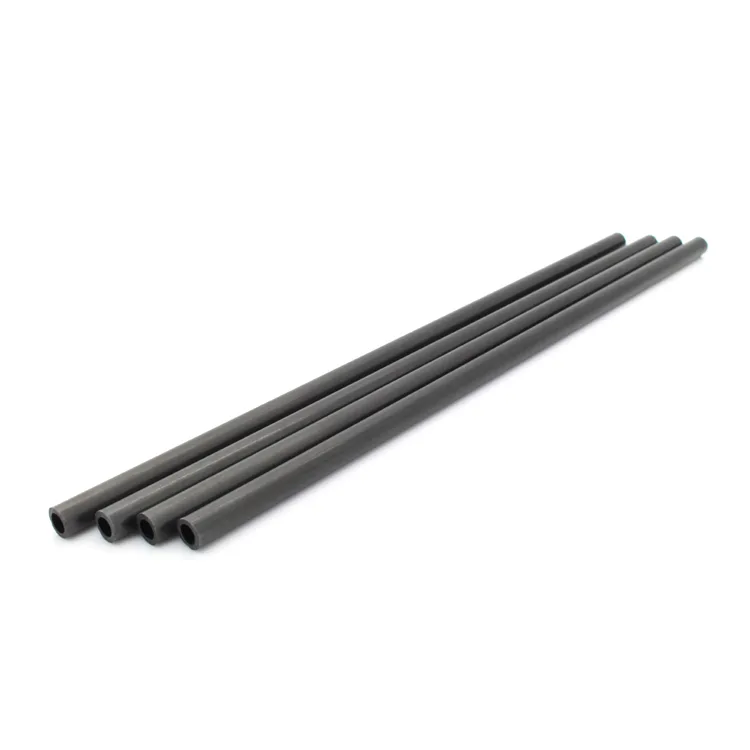
Carbon Fiber Tube or Plate for a Structural Member
Tube is far more efficient in bending and torsion. Plate is easier to attach to and cheaper to machine. The choice usually comes down to how the member is loaded and how it connects.
Read the guide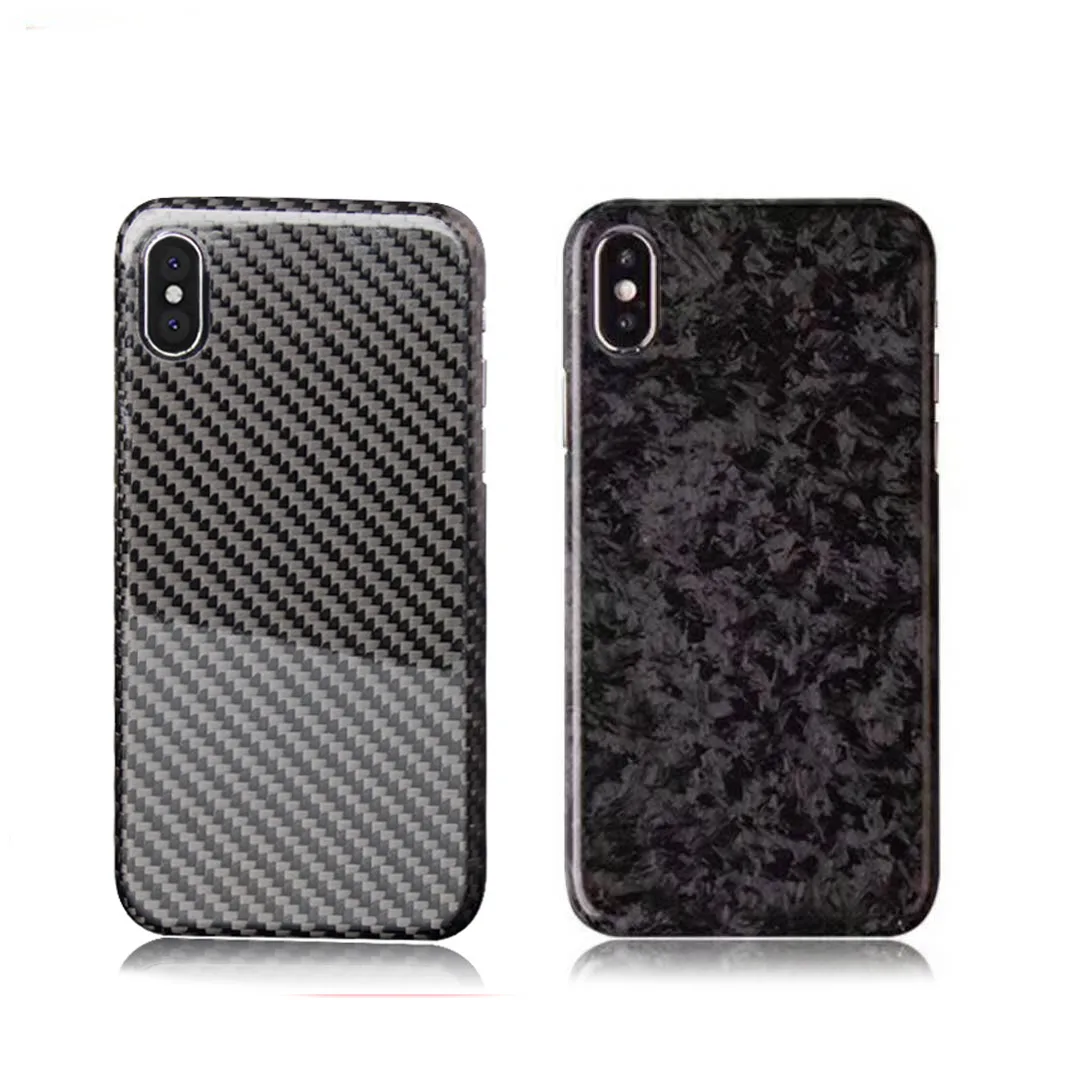
Plain Weave Twill and Forged Carbon Explained
Weave pattern and surface finish are the two decisions buyers argue about most, and they affect appearance far more than structure. Here is what each one actually is.
Read the guideMachining Carbon Fiber Plate and Tube to Print
Stock plate and tube become finished parts through CNC milling or waterjet cutting. What you mark on the drawing decides whether the result looks engineered or unfinished.
Read the guide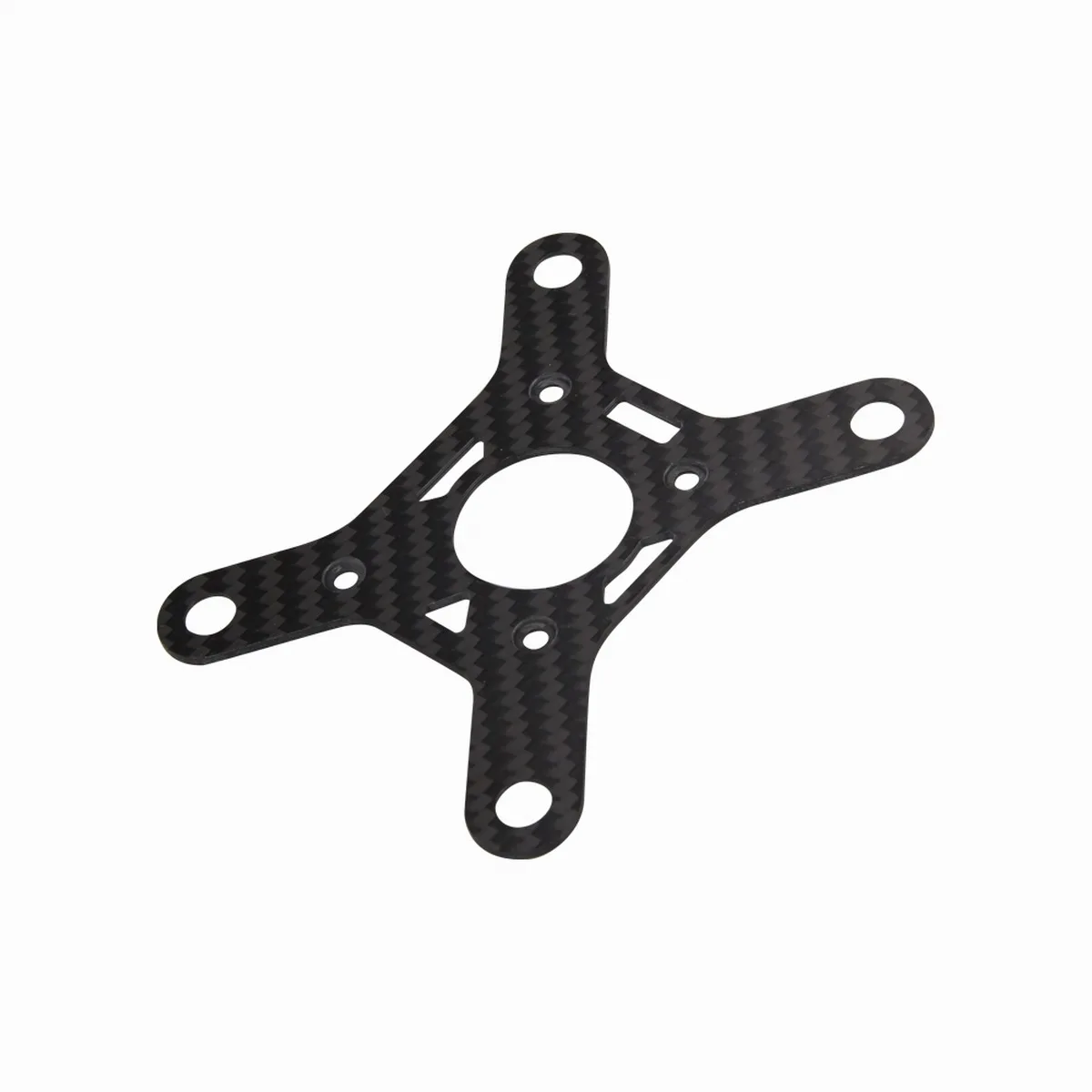
Building a UAV Airframe Weight Budget
Carbon fiber parts cut roughly 40 per cent of airframe weight against traditional materials. Knowing where that 40 per cent comes from is how you hit an endurance specification.
Read the guide
What to Send When You Order Custom Carbon Fiber Parts
Most quoting delays come from missing information, not from difficult parts. Here is the set of details that lets a composite supplier quote in one pass.
Read the guideQuestions About These Guides
Who writes these guides?
They are written from the CarbonWizer manufacturing specification - the same stock tables, processes and materials the production side works from.
Can you review my drawing before I order?
Yes. Email the geometry and the load case and the engineering team will comment on material, process and tolerance before anything is quoted.
Do you publish the stock part number tables?
Yes. The full plate and tube tables are on the carbon fiber sheet and carbon fiber tube product pages.
Still Not Sure Which Material to Specify
Email the application. Choosing between five reinforcements and nine processes is the part CarbonWizer does before quoting.