
Carbon Fiber Drone Parts
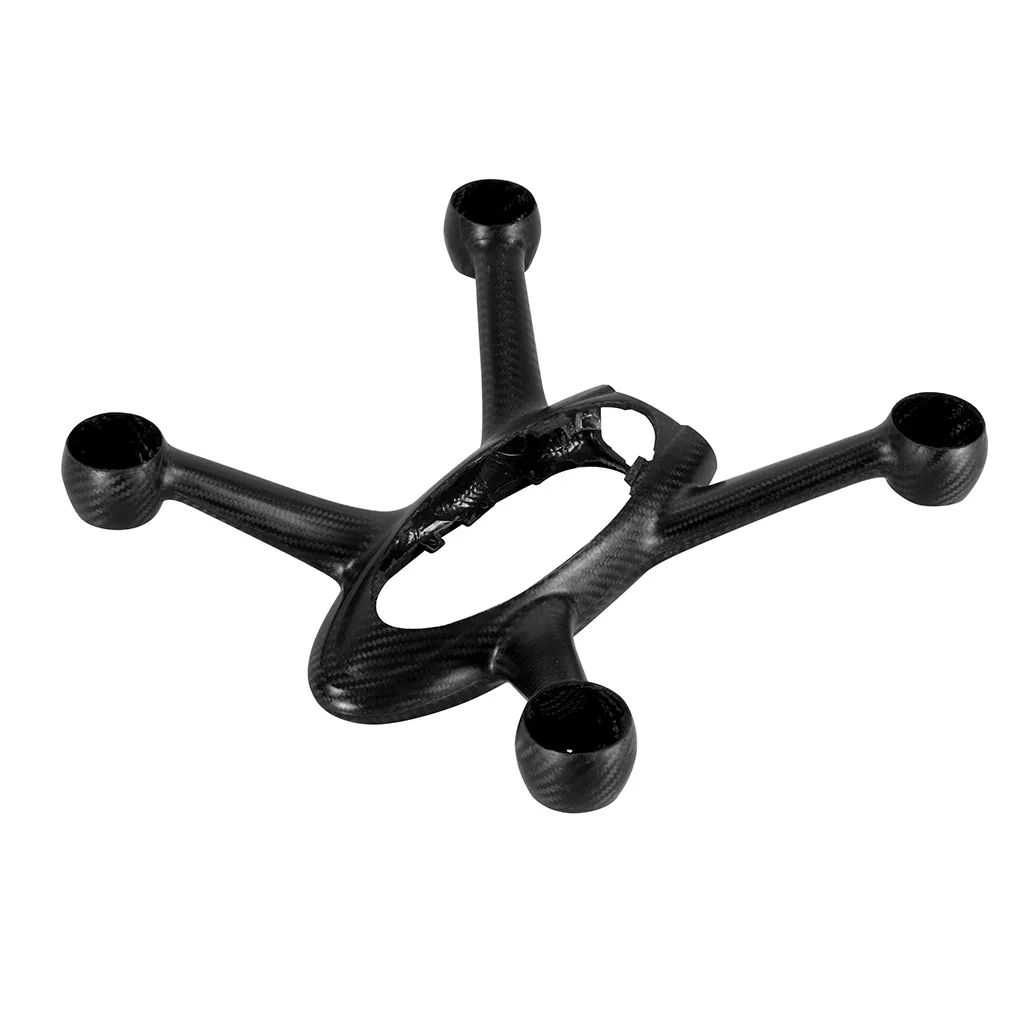
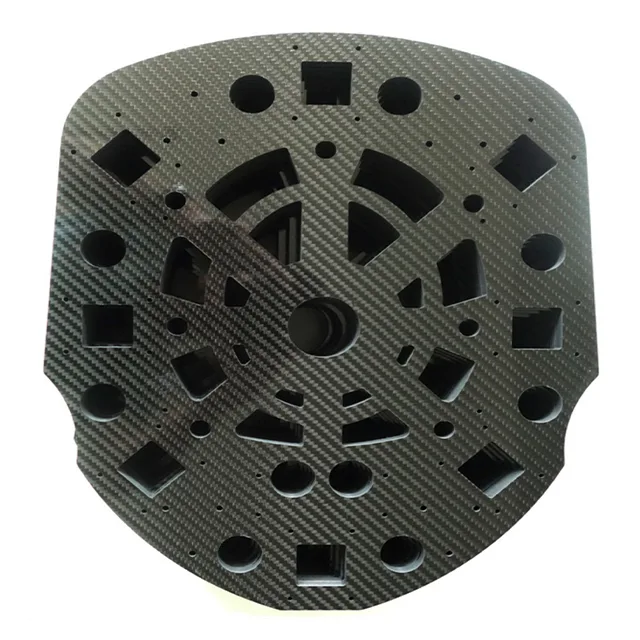
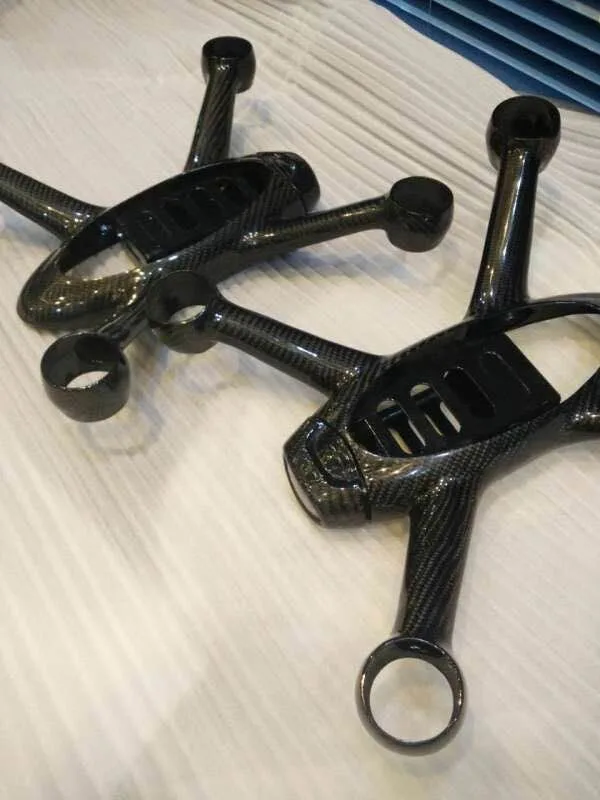
Frames, arms, plates and propellers in carbon fiber composite, which cut roughly 40 per cent of the weight against traditional materials and directly extend flight duration.
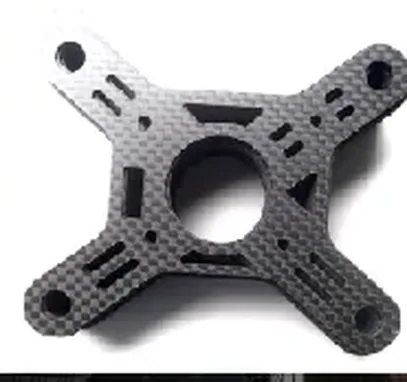
What This Part Is and Why It Exists
Carbon fiber composite is applied widely in consumer drone fields because of one property above all: its light weight vastly decreases the whole weight of the aircraft. Compared with traditional materials, carbon fiber parts reduce weight by about 40 per cent, which largely increases the duration of flight.
Weight is only half the argument. The high strength character of the material ensures the strength, stiffness and stability of the overall drone. In professional UAV work this matters twice over - beyond ensuring body strength and stiffness, the reduced weight maximises endurance, which is usually the number the customer is buying.
Four Reasons Buyers Specify This Part
Roughly 40 Per Cent Lighter
Against traditional materials, carbon fiber parts cut about 40 per cent of the weight, which turns straight into flight time.
Stiff Enough to Fly Straight
High strength keeps the frame rigid so the flight controller sees a stable platform and not a flexing airframe.
Built for Production, Not Just Prototypes
Frames start as structural samples and move into repeat production on the same geometry.
Plates, Arms and Propellers Together
Centre plates, arms, booms and propellers are produced as a matched set rather than sourced separately.
Where This Part Is Used
- Consumer multirotor frames and centre plates
- Professional survey and inspection UAV airframes
- Camera gimbal mounts and vibration isolation plates
- Booms, landing gear and propeller blades
Buyers This Part Was Made For
- Drone manufacturers building their own airframe
- Survey, inspection and agricultural UAV integrators
- Research teams developing experimental platforms
Three Failure Modes This Part Removes
Flight time too short
Every gram of airframe is a gram the battery has to lift; composite removes roughly 40 per cent of it.
Frame flex under load
A soft frame feeds vibration into the flight controller and the camera, and the footage shows it.
Parts that do not match
Plates, arms and mounts bought from different suppliers rarely line up on the first build.
Technical Data for Carbon Fiber Drone Parts
Every value below is taken from the published CarbonWizer specification for this part. Anything not published is marked TBC rather than estimated.
| Material | Carbon fiber composite |
| Weight Saving | About 40 per cent against traditional materials |
| Part Types | Frames, centre plates, arms, booms, mounts, propellers |
| Plate Stock | 3K twill, 0.5 mm to 5.0 mm, 500 x 400 mm sheets |
| Tube Stock | Roll-wrapped UD tube, 5.0 mm to 242.0 mm nominal diameter |
| Machining | CNC milling or waterjet cutting to print |
| Lead Time | Sample within one week; production 15 to 25 days |
| Certification | TBC - confirm in writing before order |
Technical Features
- Carbon fiber composite construction throughout
- Weight reduction of about 40 per cent against traditional materials
- High strength for frame stiffness and flight stability
- Centre plates, arms, booms, mounts and propellers
- Plate thickness selected from stock 0.5 mm to 5.0 mm where suitable
Materials
Carbon fiber composite, combined with traditional metal materials where the design needs a metal interface. A variety of high strength structural parts are built this way and are widely applied in bicycle, sports equipment and drone fields.
How This Part Is Made
Airframe review
Drawing, load case and finish reviewed against the geometry.
Plate and tube selection
Material, fibre architecture and process selected for the part.
Lay-up or stock machining
The part is formed by the chosen composite or machining route.
Cure
Cure or finish machining brings the part to final geometry.
CNC profiling
Surface and edges finished to the agreed appearance.
Fit check
Dimensions checked against the drawing before despatch.
Quality Control
Plate profiles are cut to print and checked against the drawing. Where the frame is an assembly of plates, arms and standoffs, the set is trial fitted before despatch.
Certifications: No third-party certification records were published on the previous CarbonWizer site. Certification status for this part is marked TBC and is confirmed in writing before an order is placed.
What Can Be Changed
- Frame geometry from your drawing or 3D model
- Plate thickness selected for the stiffness target
- Tube diameter and wall matched to the boom load
- Matte or gloss exterior fabric
How It Compares
| Carbon fiber airframe | About 40 per cent lighter than traditional materials with high stiffness; best endurance per gram |
| Glass fiber airframe | Cheaper and tougher against impact, but heavier and less rigid for the same section |
| Aluminium or plastic airframe | Simple to machine or mould, but either heavy or too flexible for a stable camera platform |
How to Specify and Order This Part
Send the frame drawing with the motor mounting pattern, the boom diameter and the all-up weight target. If the aircraft has an endurance specification, state it - it decides where the weight has to come out. Ask for a structural sample before committing to a production run.
Parts Often Specified Alongside This One
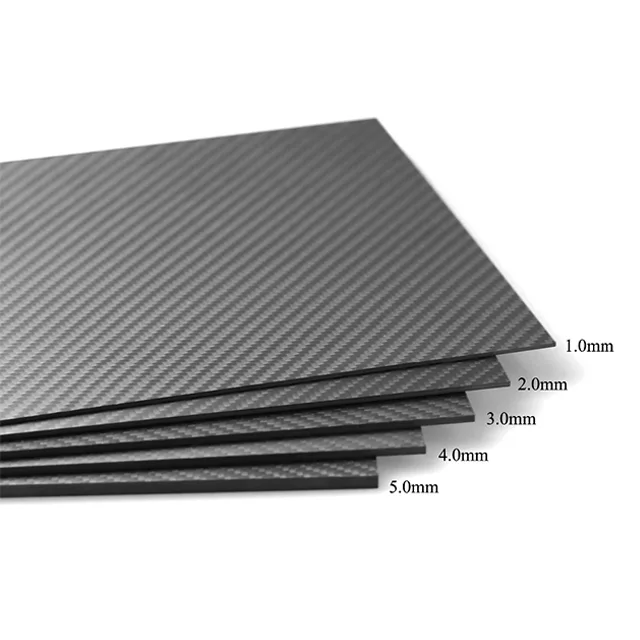
Carbon Fiber Sheet
Stock carbon fiber plates fabricated from multiple layers of high strength prepreg under high pressure moulding, in ten thicknesses from 0.5 mm to 5.0 mm at 500 x 400 mm.
View details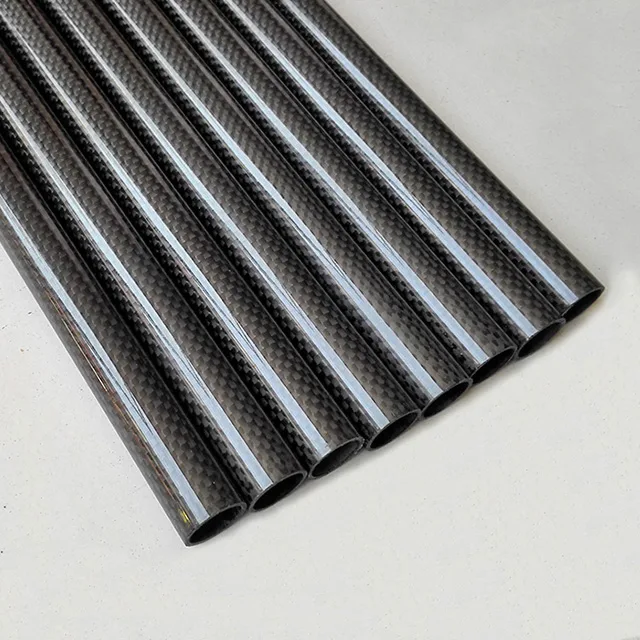
Carbon Fiber Tube
High strength carbon fiber tubing fabricated with unidirectional prepreg and wrapped in 3K plain or twill fabric, in fifteen stock part numbers from 5.0 mm to 242.0 mm nominal inside diameter.
View details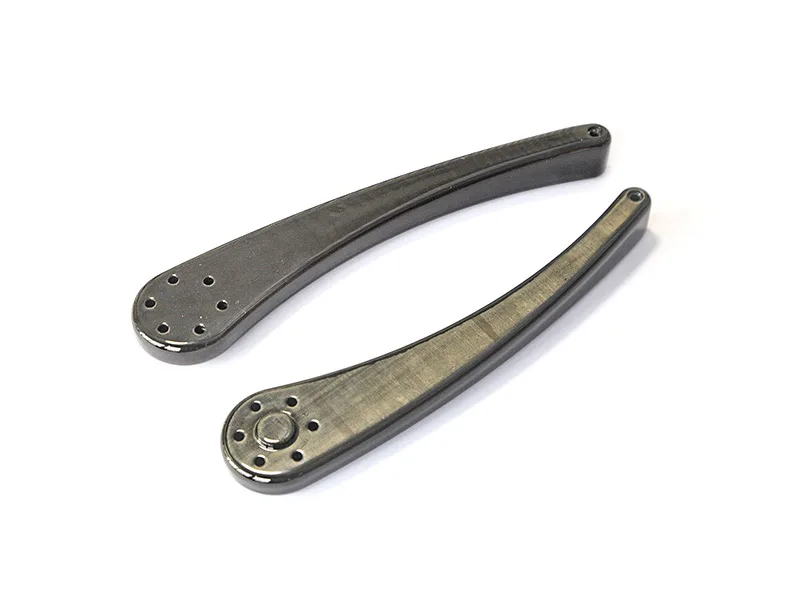
Carbon Fiber Structural Arm
A full carbon fiber arm made as a verification sample, carrying the strength and stiffness of a production composite part so the structure can be tested before a mould is cut.
View detailsRelated Cases and Technical Guides
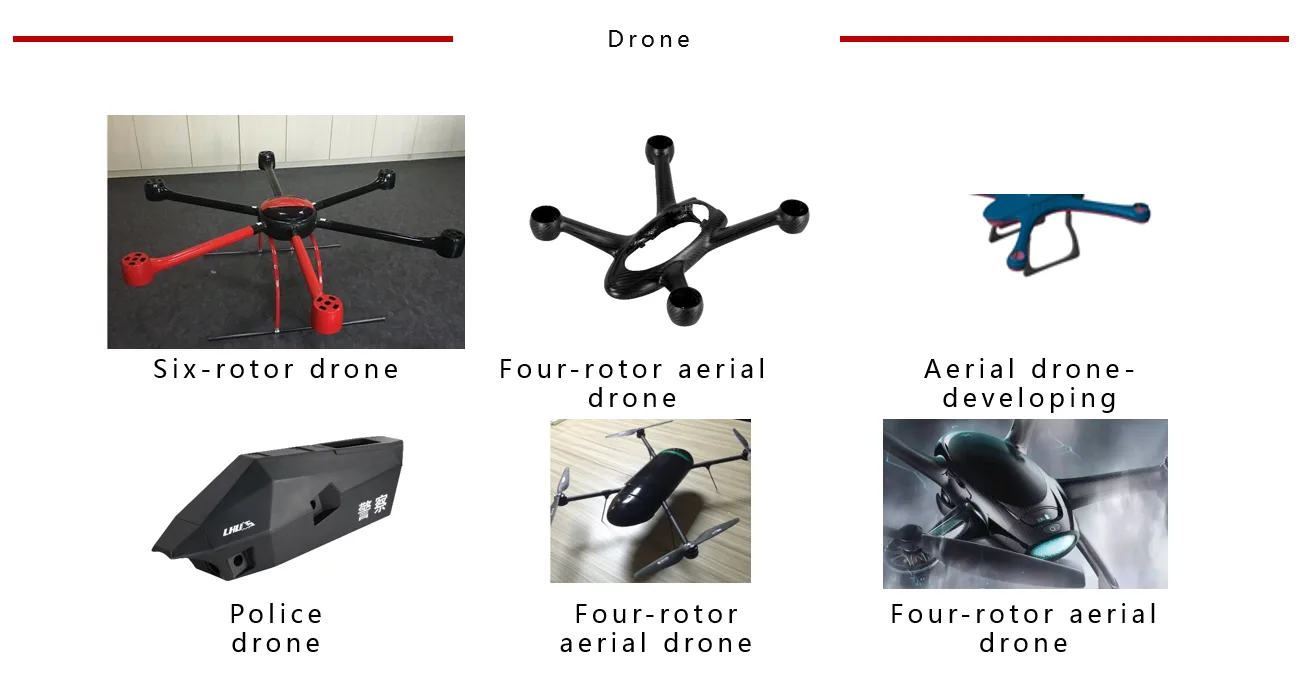
Carbon Fiber Drone Parts Programme
Carbon fiber drone parts is one of the success case areas developed by the CarbonWizer team, spanning six-rotor and four-rotor airframes, aerial and police drone platforms.
Read the case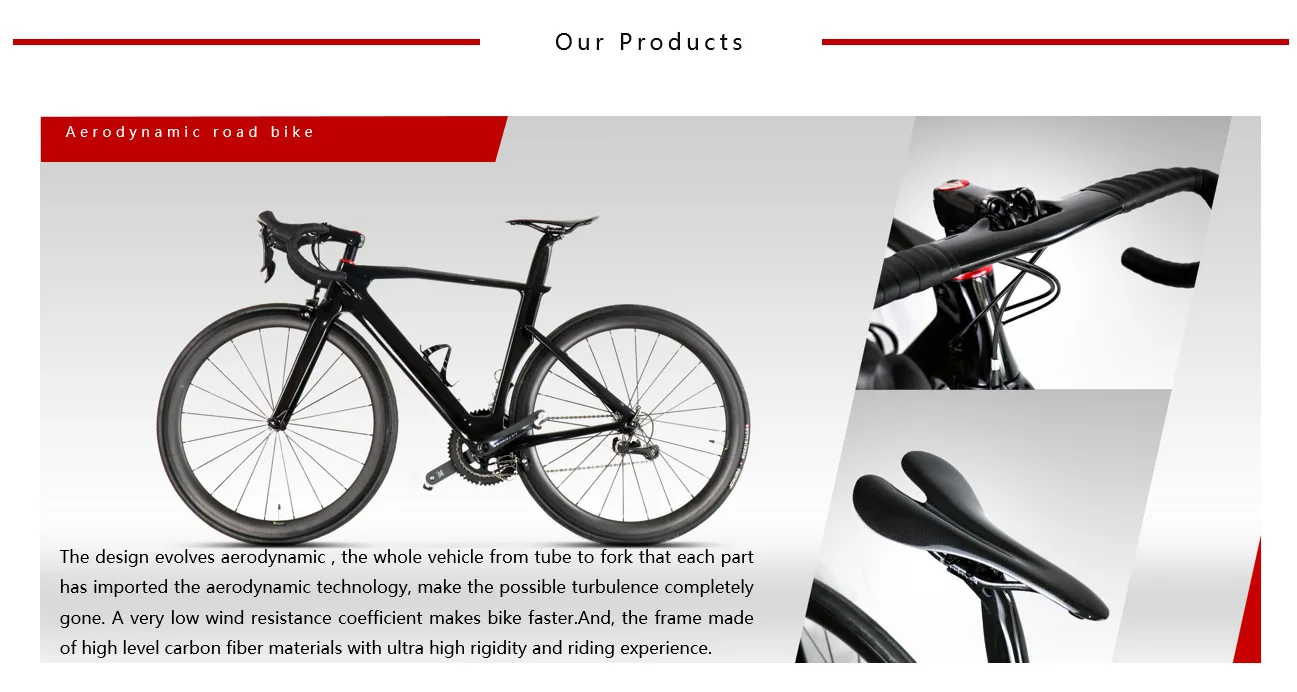
Carbon Fiber Bicycle Programme
Carbon fiber bike is one of the success case areas developed by the CarbonWizer team, covering aerodynamic road bicycle frames and components.
Read the case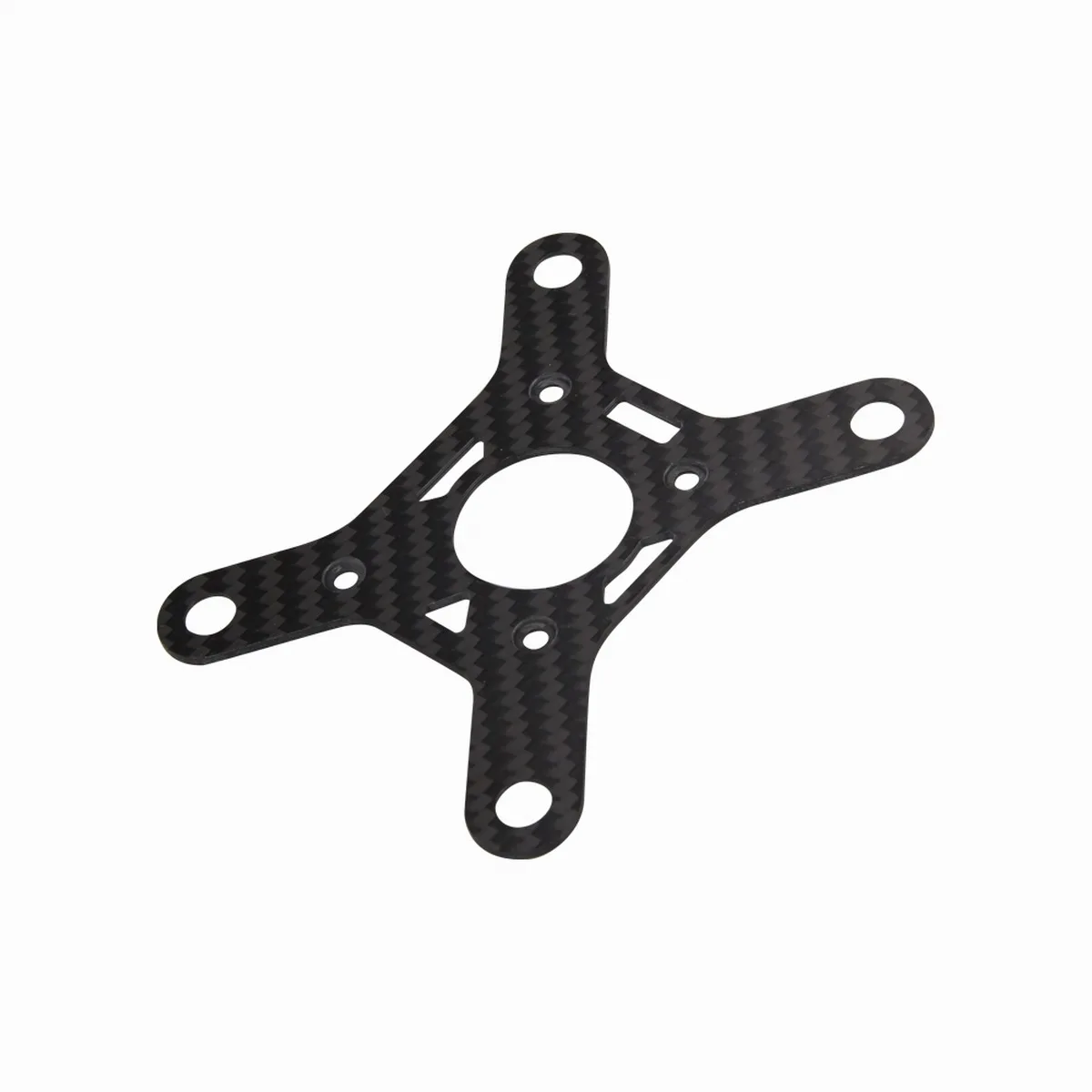
Building a UAV Airframe Weight Budget
Carbon fiber parts cut roughly 40 per cent of airframe weight against traditional materials. Knowing where that 40 per cent comes from is how you hit an endurance specification.
Read the guide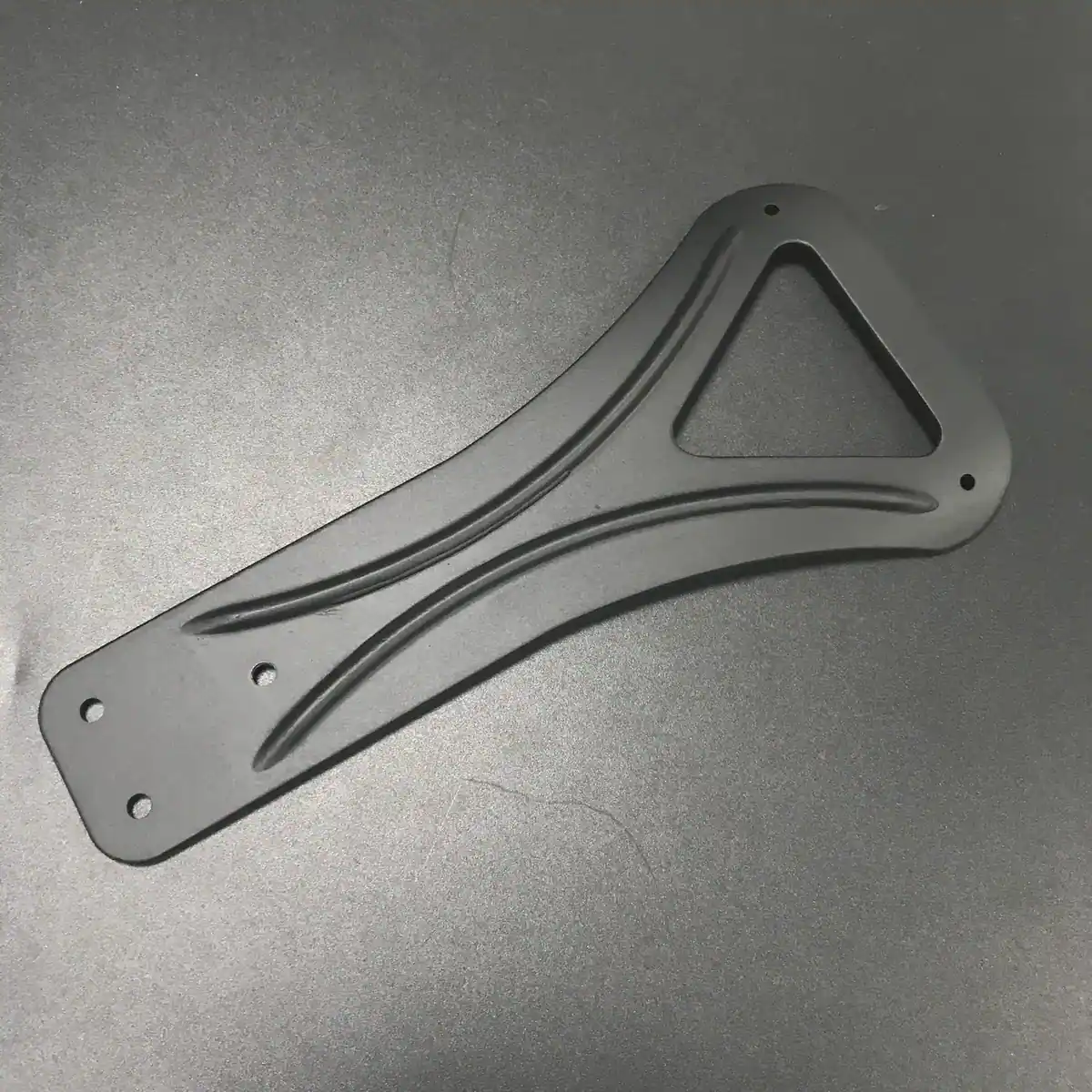
Carbon Fiber or Aluminium for a Structural Part
Aluminium is predictable, machinable and cheap to buy. Carbon fiber is lighter and stiffer per gram and lets you place fibre where the load is. Which wins depends on three questions.
Read the guideQuestions About Carbon Fiber Drone Parts
How much weight does carbon fiber actually save?
Compared with traditional materials, carbon fiber parts reduce weight by about 40 per cent, which largely increases the duration of flight.
Will the frame still be stiff enough?
Yes. The high strength character of carbon fiber ensures the strength, stiffness and stability of the overall drone while the weight comes down.
Can you cut plates to my own profile?
Yes. Stock plates can be cut to size or machined to print by CNC milling or waterjet cutting.
Do you supply arms and booms as well as plates?
Yes. Roll-wrapped carbon fiber tube is available from 5.0 mm to 242.0 mm nominal diameter, so booms and plates can be supplied as a set.
Quote Carbon Fiber Drone Parts for Your Project
Email the drawing or the part number with the quantity and finish you need. Samples are normally despatched within one week.