
Building a UAV Airframe Weight Budget
Carbon fiber parts cut roughly 40 per cent of airframe weight against traditional materials. Knowing where that 40 per cent comes from is how you hit an endurance specification.
Endurance Is a Weight Problem
Flight duration is set by how much energy the battery holds and how much mass the motors lift. Airframe mass is the one number the designer fully controls, and it is the first place to look when endurance falls short.
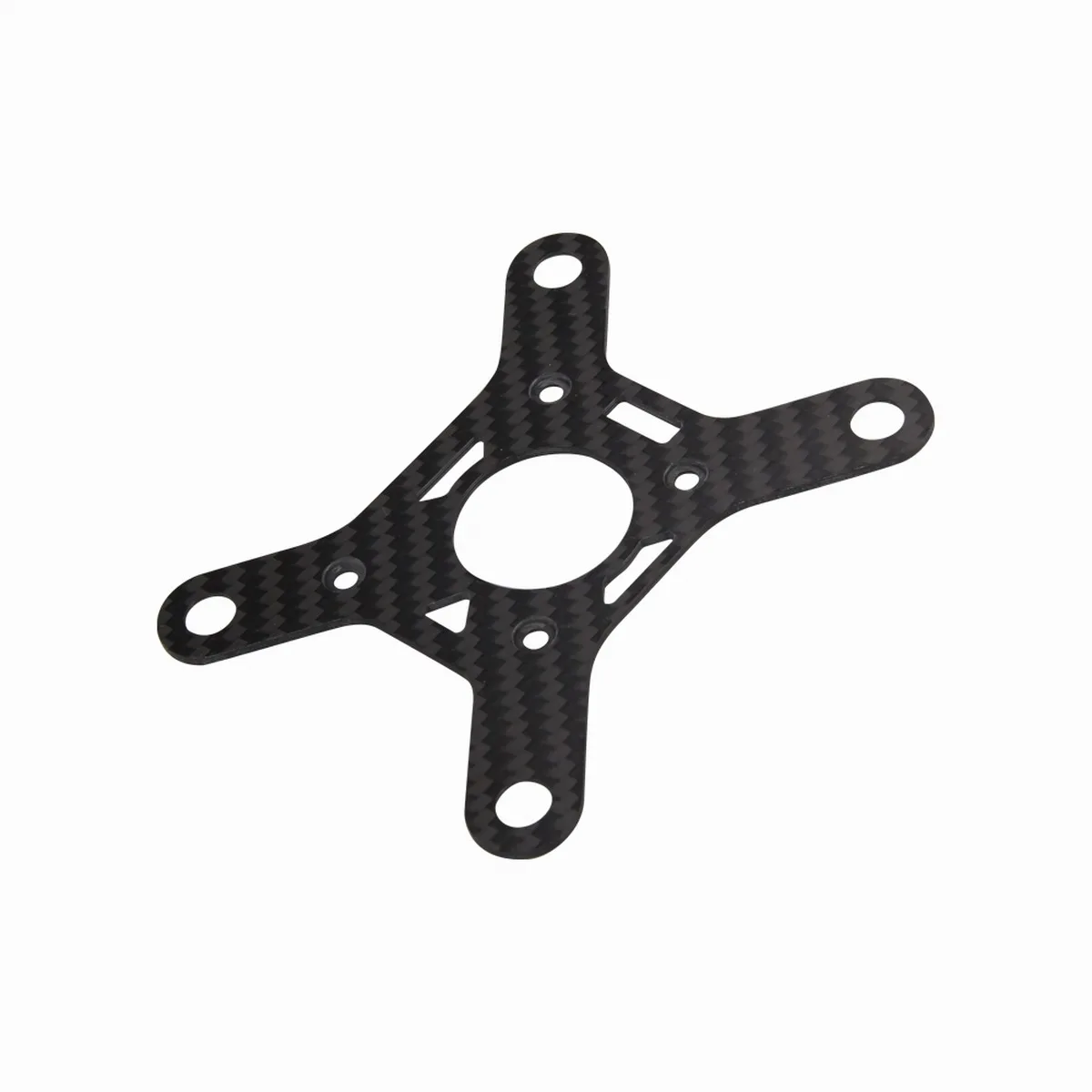
Carbon fiber composite is applied widely in consumer drone fields precisely because its light weight vastly decreases the whole weight of the drone. Compared with traditional materials, carbon fiber parts reduce weight by about 40 per cent, which largely increases the duration of flight.
Weight Without Stiffness Is Useless
Cutting mass by making the frame flexible trades one problem for another. A soft frame feeds vibration into the flight controller and the camera, and the footage shows it.
The high strength character of carbon fiber ensures the strength, stiffness and stability of the overall drone, which is why the weight saving does not have to be paid for in platform stability.
Where the Mass Actually Sits
Centre plates, arms, booms, landing gear and propellers are the structural mass. Plates are usually the largest single item, and their thickness is set by deflection rather than strength.
Stock plate runs from 0.5 mm to 5.0 mm in 500 x 400 mm sheets, which is normally enough range to hit a stiffness target without a custom lay-up.
Booms Are Sized by Deflection
A boom is a cantilever with a motor on the end. Its stiffness decides how much the motor mount moves under thrust, and that movement is what the flight controller has to fight.
Stock tube spans 5.0 mm to 236.0 mm nominal inside diameter in standard, high modulus and ultra high modulus grades, so stiffness can be raised by changing grade rather than adding wall thickness.
Build the Budget Before the Frame
List every structural item with a target mass and a stiffness requirement before any part is drawn. Then select plate thickness and tube grade against those numbers.
Order a structural sample before committing to a production run. A full carbon fiber sample can be used as an industrial article for testing, so the airframe can be loaded rather than estimated.
Parts Referenced Above
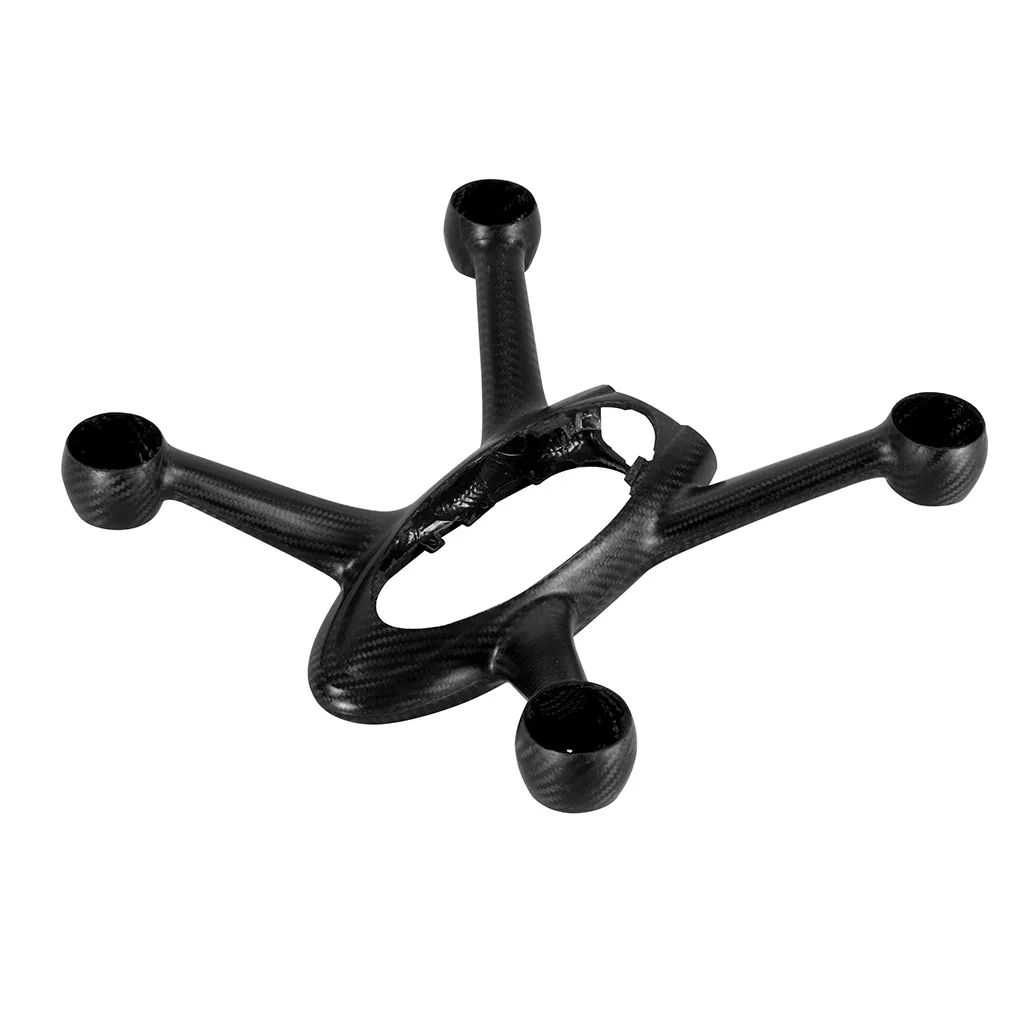
Carbon Fiber Drone Parts
Frames, arms, plates and propellers in carbon fiber composite, which cut roughly 40 per cent of the weight against traditional materials and directly extend flight duration.
View details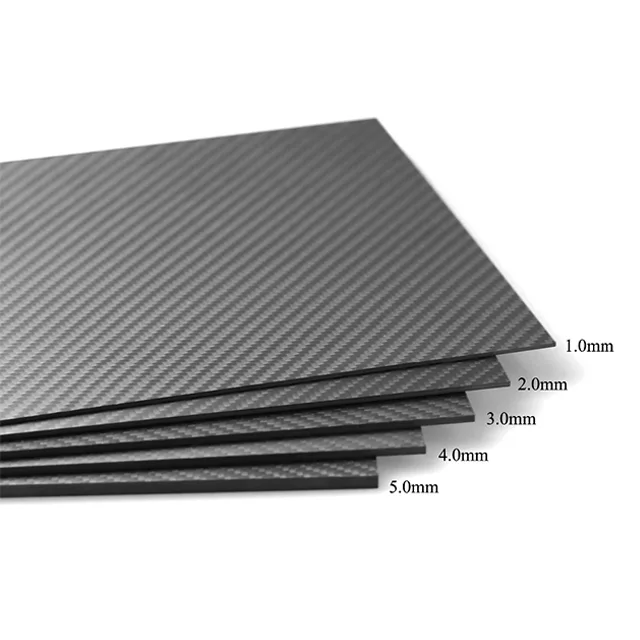
Carbon Fiber Sheet
Stock carbon fiber plates fabricated from multiple layers of high strength prepreg under high pressure moulding, in ten thicknesses from 0.5 mm to 5.0 mm at 500 x 400 mm.
View details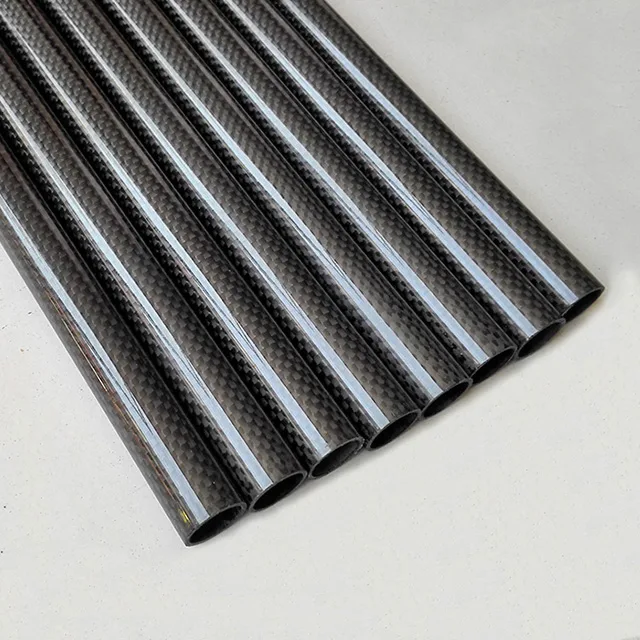
Carbon Fiber Tube
High strength carbon fiber tubing fabricated with unidirectional prepreg and wrapped in 3K plain or twill fabric, in fifteen stock part numbers from 5.0 mm to 242.0 mm nominal inside diameter.
View detailsRelated Technical Guides
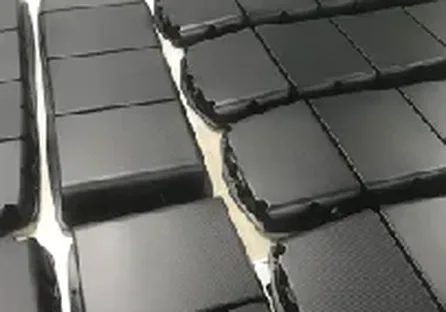
How to Choose Carbon Fiber Plate Thickness
Stock plate runs from 0.5 mm to 5.0 mm in 0.5 mm steps. Choosing between them is a stiffness calculation, not a strength one - and the lay-up matters as much as the number.
Read the guide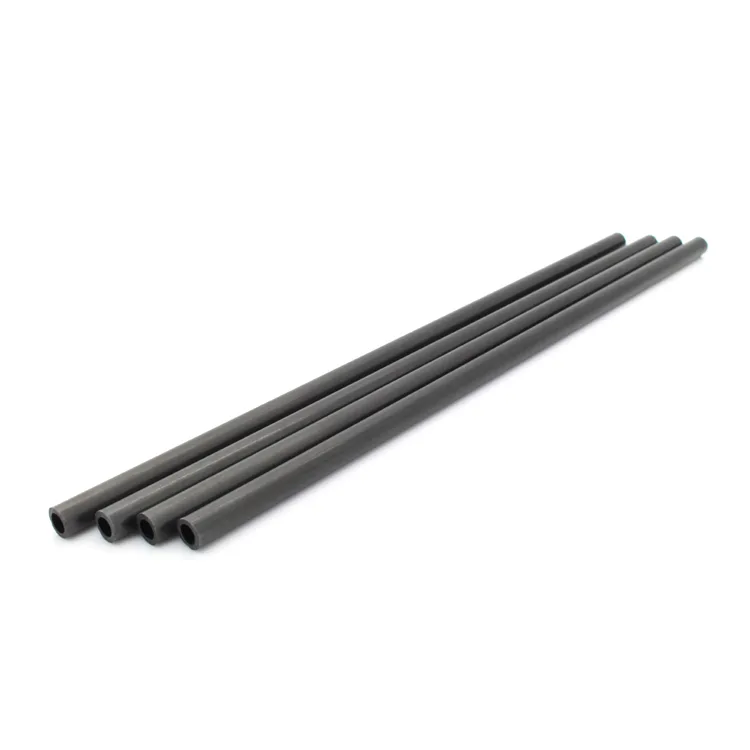
Carbon Fiber Tube or Plate for a Structural Member
Tube is far more efficient in bending and torsion. Plate is easier to attach to and cheaper to machine. The choice usually comes down to how the member is loaded and how it connects.
Read the guideHave a Part You Want Reviewed
Email the drawing and the load case. The engineering team will say which material and process the part actually needs before you commit.