
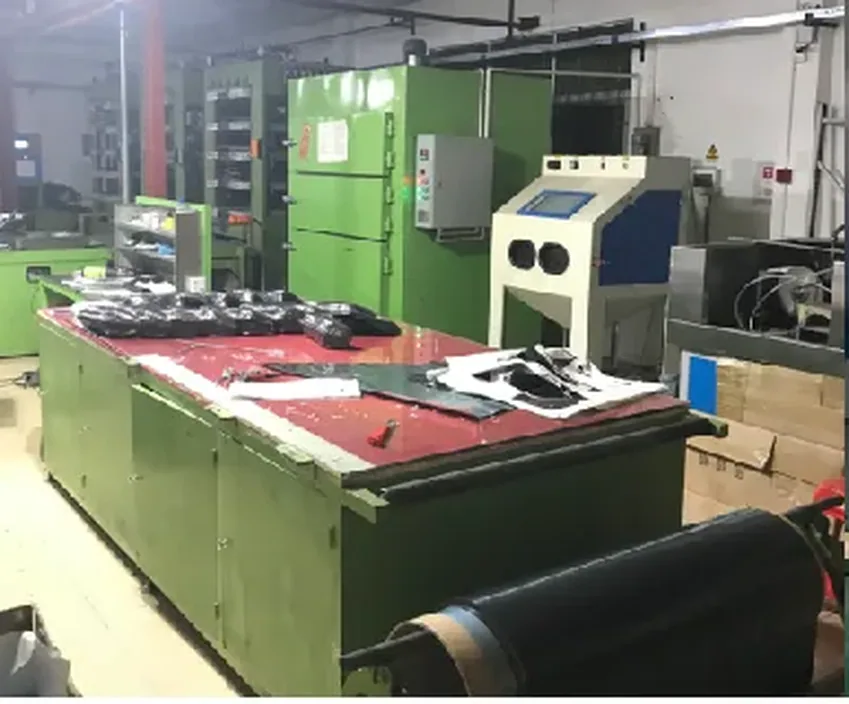
Machining Carbon Fiber Plate and Tube to Print
Stock plate and tube become finished parts through CNC milling or waterjet cutting. What you mark on the drawing decides whether the result looks engineered or unfinished.
Two Routes, Different Strengths
Plates can be cut to size or machined to print via CNC milling or waterjet cutting. Milling gives pockets, steps, chamfers and threaded features. Waterjet gives profiles and holes through the full thickness without heat.
For a flat profile with no features, waterjet is usually faster. For anything with depth variation, milling is the only option.
Cut Edges Expose the Core
Every cut edge exposes the laminate. On a stock plate that means the 0/90 balanced unidirectional core appears at the edge underneath the twill skin.
This is not a defect, but it is visible. Mark which edges are cosmetic on the drawing so those can be finished deliberately rather than left as cut.
Fixturing Decides Whether Thin Parts Survive
A 0.5 mm plate held badly will chatter and delaminate. Tell the supplier where the part may be clamped and where it must not be, especially on thin sections and around large cut-outs.
Tolerances Cost Money Where They Are Not Needed
Assembly-grade composite parts can be held to a dimensional tolerance of plus or minus 0.01 mm where the drawing calls for it. Applying that everywhere rather than at the controlled features is the fastest way to double a quote.
Mark datums and controlled dimensions specifically. Leave everything else at a general tolerance.
Tube Needs Its Own Instructions
Tube customisation covers cutting to length, drilling and bonded metal end fittings. For bonded joints, allow a bond length of several times the wall thickness and say whether the tube will see torsion, since that changes the joint design.
What to Send With an Enquiry
A DXF or STEP file, the stock thickness or tube part number you want to work from, the controlled dimensions marked, the cosmetic edges identified, and the quantity. That set is enough to quote without a further round of questions.
Parts Referenced Above
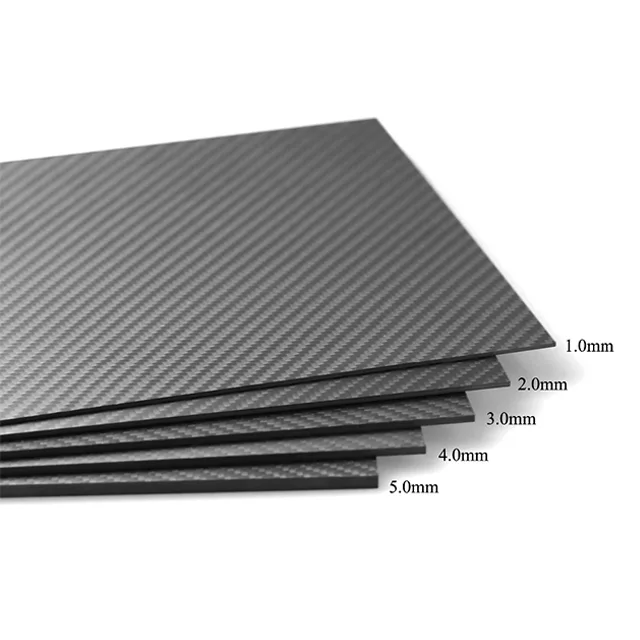
Carbon Fiber Sheet
Stock carbon fiber plates fabricated from multiple layers of high strength prepreg under high pressure moulding, in ten thicknesses from 0.5 mm to 5.0 mm at 500 x 400 mm.
View details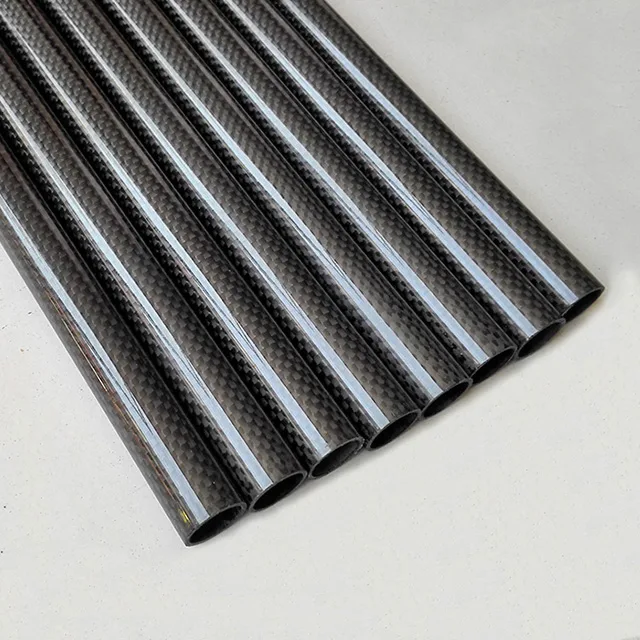
Carbon Fiber Tube
High strength carbon fiber tubing fabricated with unidirectional prepreg and wrapped in 3K plain or twill fabric, in fifteen stock part numbers from 5.0 mm to 242.0 mm nominal inside diameter.
View details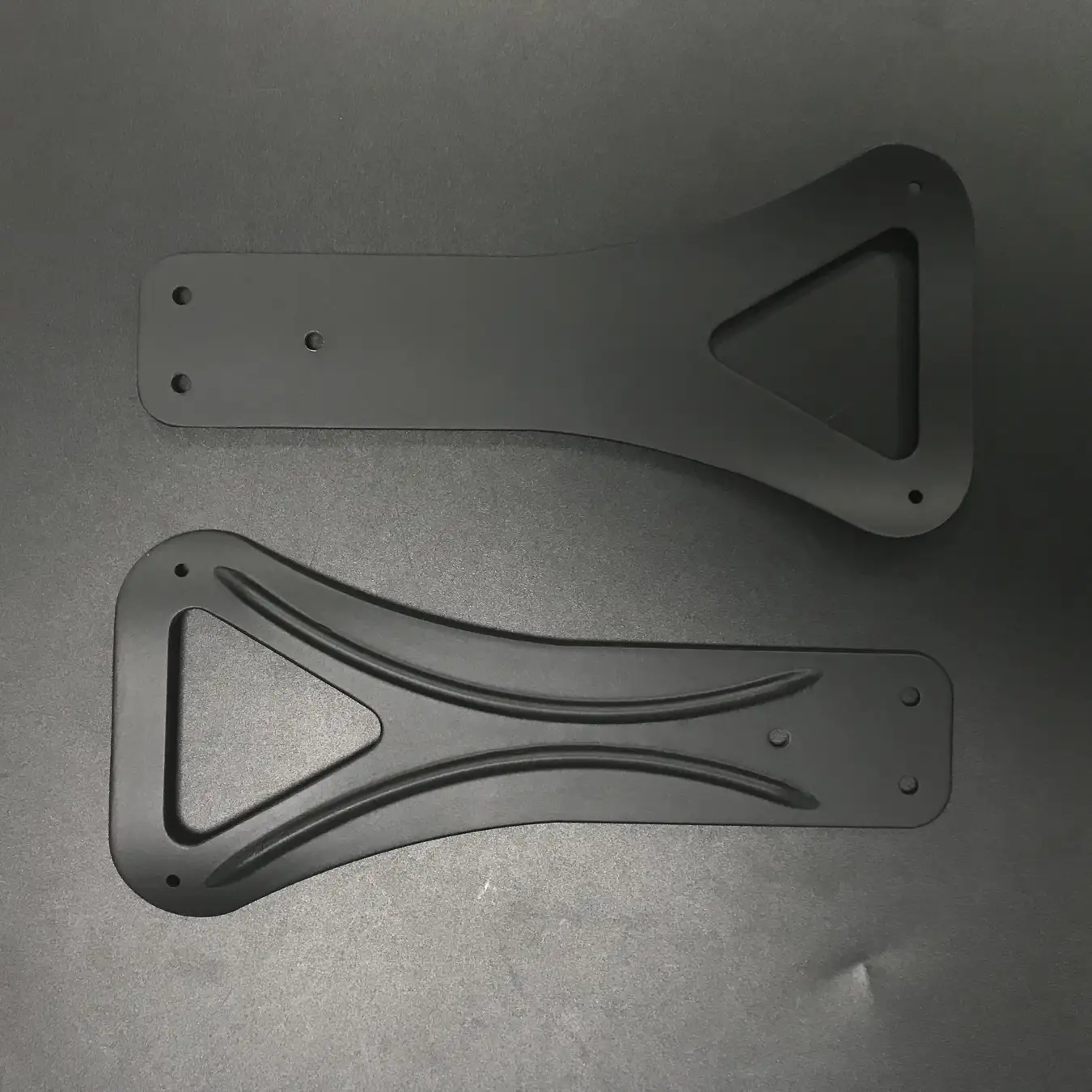
Carbon Fiber Gasket
A real carbon fiber gasket produced to a dimensional tolerance of plus or minus 0.01 mm, so it can form part of a small high-precision assembly rather than a loose fit-check.
View detailsRelated Technical Guides
How to Choose Carbon Fiber Plate Thickness
Stock plate runs from 0.5 mm to 5.0 mm in 0.5 mm steps. Choosing between them is a stiffness calculation, not a strength one - and the lay-up matters as much as the number.
Read the guide
What to Send When You Order Custom Carbon Fiber Parts
Most quoting delays come from missing information, not from difficult parts. Here is the set of details that lets a composite supplier quote in one pass.
Read the guideHave a Part You Want Reviewed
Email the drawing and the load case. The engineering team will say which material and process the part actually needs before you commit.