
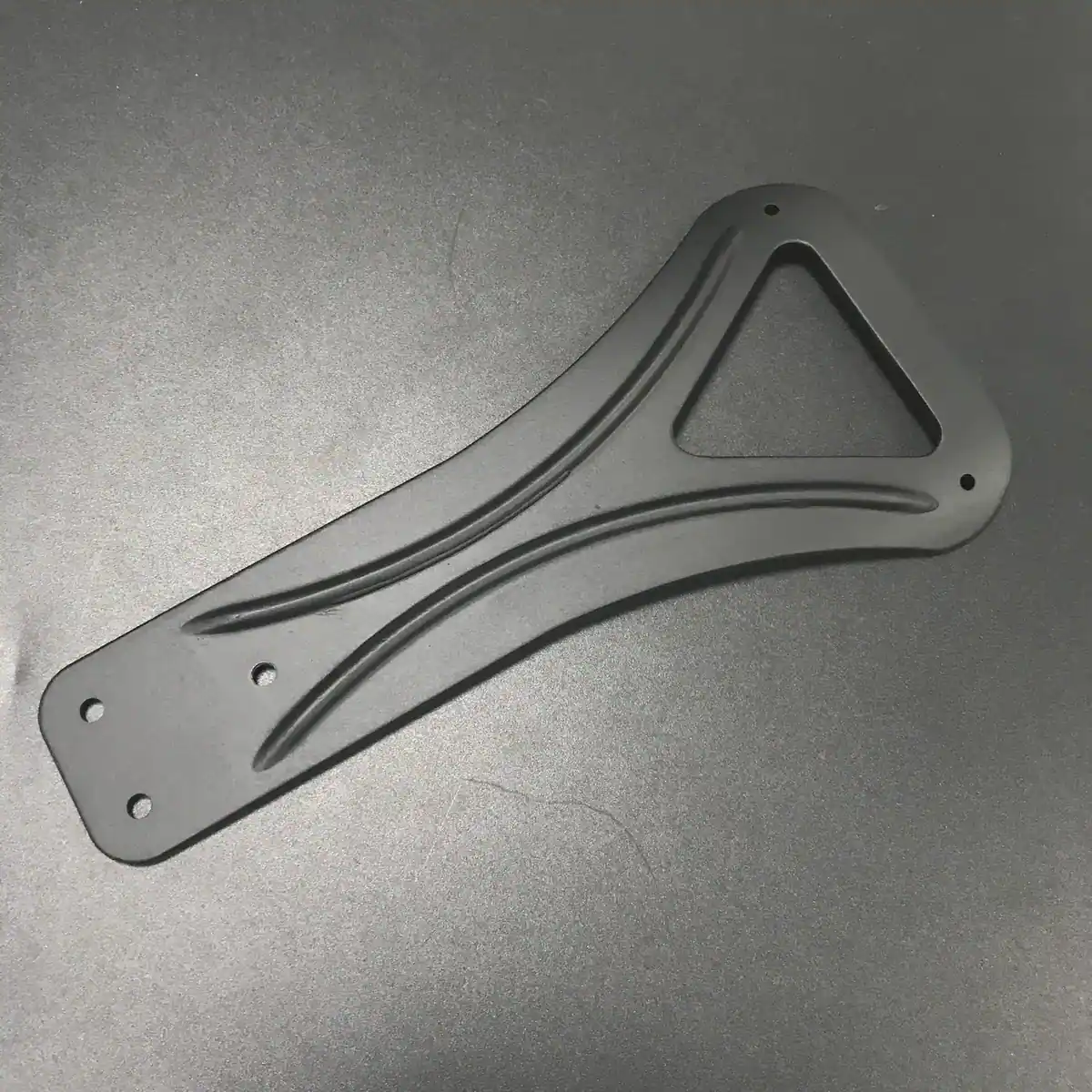
Carbon Fiber or Aluminium for a Structural Part
Aluminium is predictable, machinable and cheap to buy. Carbon fiber is lighter and stiffer per gram and lets you place fibre where the load is. Which wins depends on three questions.
The Property That Actually Matters
Most structural parts are not limited by strength. They are limited by deflection - the part is strong enough but bends too much, so the machine loses accuracy or the camera loses stability.
Carbon fiber has high tensile strength, low weight, high chemical resistance, high temperature tolerance and low thermal expansion. It is the combination of low weight with high stiffness that makes it desirable in aerospace, civil engineering, military and competition sports equipment manufacturing.
Question One: Does Weight Cost You Anything
On a drone, weight costs flight time directly. Compared with traditional materials, carbon fiber parts reduce weight by about 40 per cent, which largely increases the duration of flight.
On a robot arm, weight costs cycle time through inertia. On a static bracket bolted to a wall, weight costs nothing at all - and there aluminium usually wins on price.
Question Two: Is the Load Directional
Metal is isotropic: the same properties in every direction, whether you need them or not. Composite is not. Unlike metal tubing, carbon fiber tubing is designed with layers of fibres oriented at different angles to provide properties designed for a specific application.
If the load is predominantly in one direction, that is an argument for composite. If the load comes from everywhere, some of the advantage is lost.
Question Three: What About Heat and Interfaces
Aluminium conducts heat. If the part is a heat path, that is not negotiable, and a housing may need to stay metal even in an otherwise composite assembly.
Interfaces matter too. Threads, bearing seats and sealing faces are usually easier in metal. A common answer is a hybrid: high strength structural parts made from carbon fiber composite combined with traditional metal materials, which is exactly how many bicycle, sports equipment and drone parts are built.
A Practical Way to Decide
Quote both. CarbonWizer machines aluminium prototypes from solid and moulds composite parts in the same facility, so a housing can be priced in both materials before the decision is made rather than after.
Parts Referenced Above
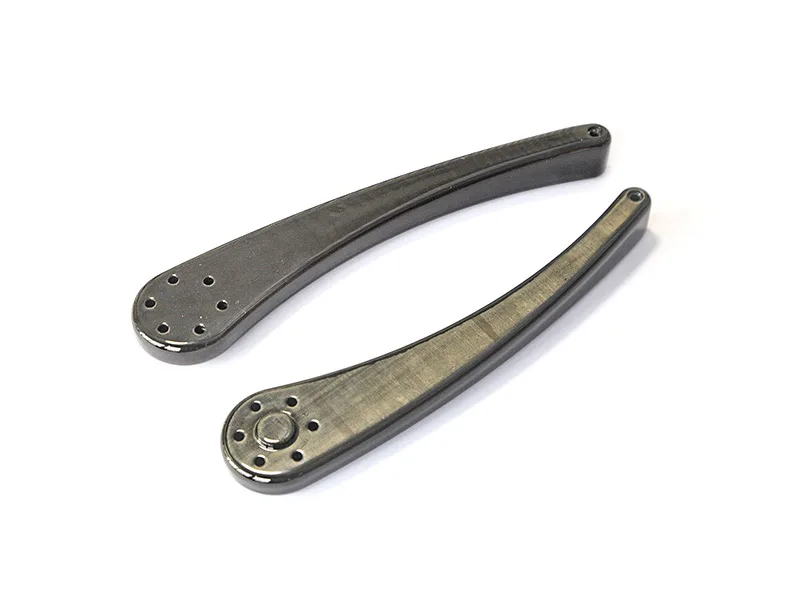
Carbon Fiber Structural Arm
A full carbon fiber arm made as a verification sample, carrying the strength and stiffness of a production composite part so the structure can be tested before a mould is cut.
View details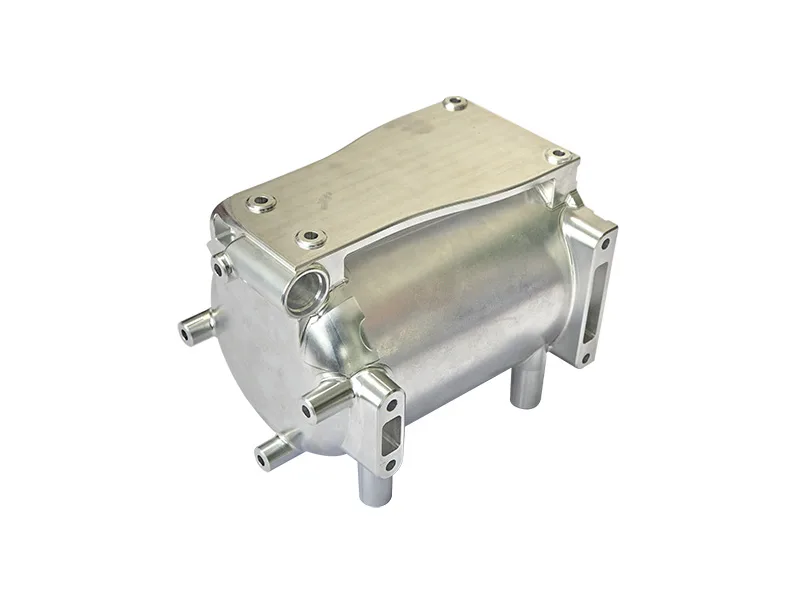
Aluminum Alloy Engine Housing
A CNC machined aluminium alloy engine housing prototype at 320 x 195 x 180 mm, cut from solid so the casting design can be tested before a tool is ordered.
View details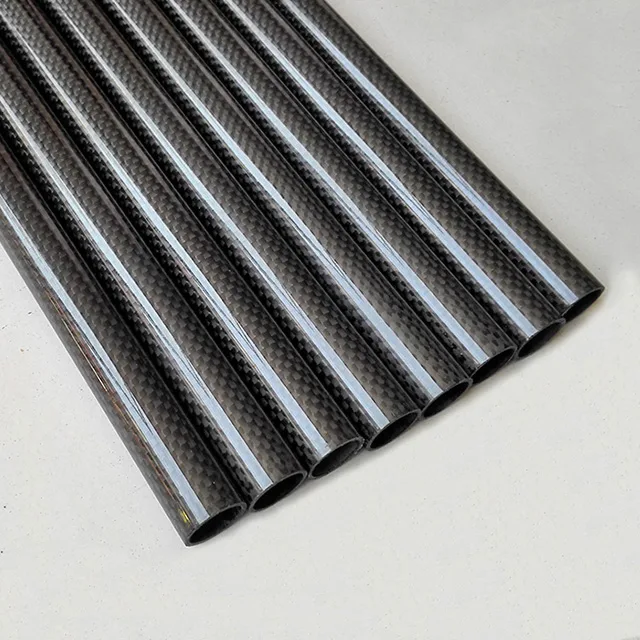
Carbon Fiber Tube
High strength carbon fiber tubing fabricated with unidirectional prepreg and wrapped in 3K plain or twill fabric, in fifteen stock part numbers from 5.0 mm to 242.0 mm nominal inside diameter.
View detailsRelated Technical Guides
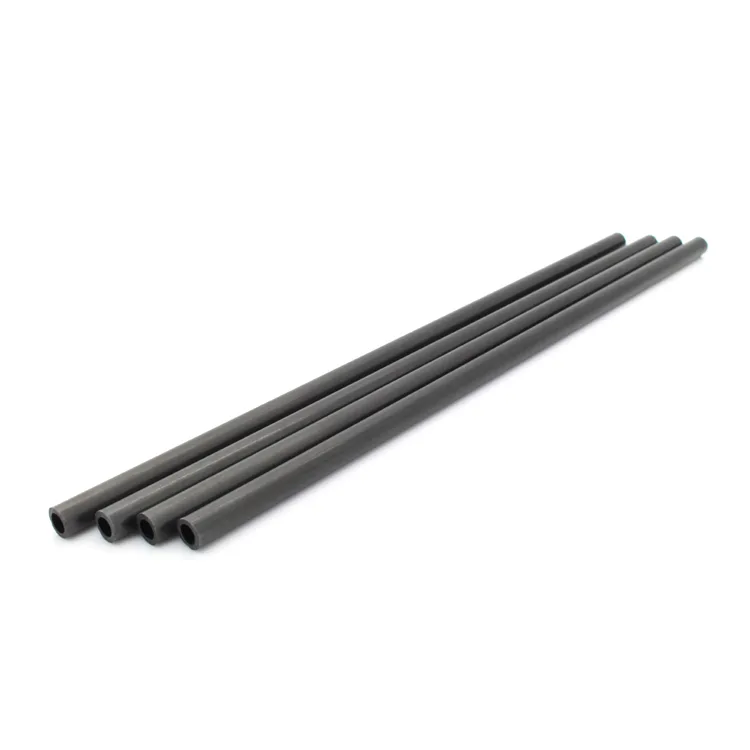
Carbon Fiber Tube or Plate for a Structural Member
Tube is far more efficient in bending and torsion. Plate is easier to attach to and cheaper to machine. The choice usually comes down to how the member is loaded and how it connects.
Read the guide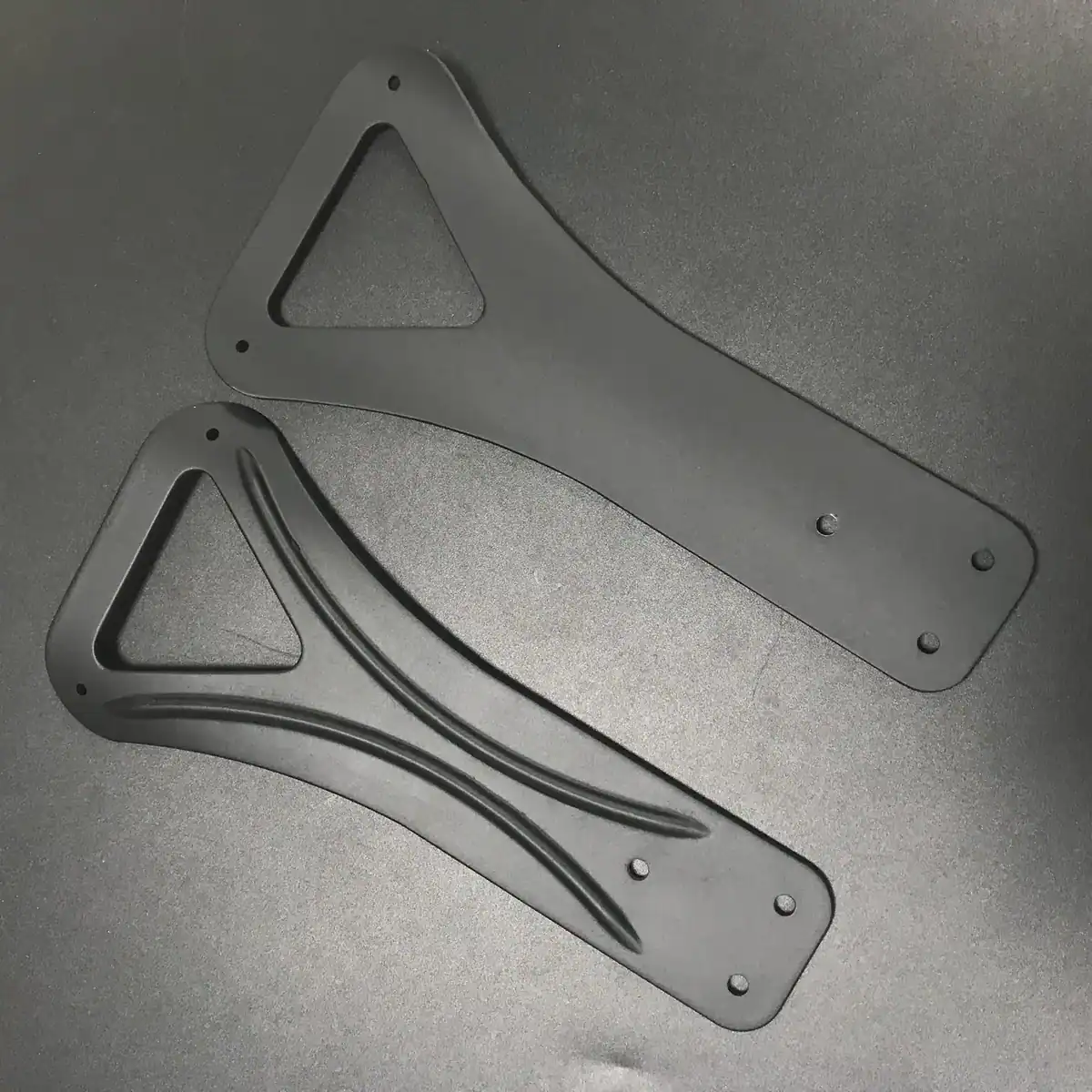
Why Verify a Composite Part Before You Cut the Mould
Tooling is the irreversible step in a composite programme. A full carbon fiber sample lets you test strength, rigidity and precision while changes still cost machining time instead of tooling money.
Read the guideHave a Part You Want Reviewed
Email the drawing and the load case. The engineering team will say which material and process the part actually needs before you commit.