
How to Choose Carbon Fiber Plate Thickness
Stock plate runs from 0.5 mm to 5.0 mm in 0.5 mm steps. Choosing between them is a stiffness calculation, not a strength one - and the lay-up matters as much as the number.
Stiffness Scales With the Cube
Bending stiffness rises with the cube of thickness. Going from 2.0 mm to 3.0 mm is not a 50 per cent improvement - it is roughly a threefold one. This is why flat composite parts are almost always sized by deflection rather than by strength.
Stock thicknesses are 0.5, 1.0, 1.5, 2.0, 2.5, 3.0, 3.5, 4.0, 4.5 and 5.0 mm, all in 500 x 400 mm sheets, so the step you need is usually available without a custom lay-up.
The Lay-Up Is Half the Answer
Two plates of the same thickness can behave very differently. Stock plates are fabricated with multiple layers of high strength carbon fiber prepreg using a high pressure moulding process, with a specific construction: the outer material is 2 x 2 twill carbon fiber prepreg and the inner material is 0/90 balanced unidirectional carbon fiber prepreg.
That balanced core is what makes the plate predictable. A part cut from it does not have a weak axis the designer did not expect, which is the usual failure mode with plate bought on thickness alone.
Where the Material Should Be
In bending, the fibres furthest from the neutral axis do most of the work. That is the logic behind a twill skin over a unidirectional core: the outer layers carry the load and give the surface, while the core keeps the two faces apart.
If a part is deflection-limited and weight-limited at once, adding thickness is often more efficient than adding layers of the same thickness, because thickness is what moves fibre away from the neutral axis.
Machining Changes the Answer
Plates can be cut to size or machined to print via CNC milling or waterjet cutting. Both expose the core at the cut edge. On a visible part, decide which edges are cosmetic before the profile is programmed.
Large pockets and lightening holes remove material from exactly where bending stiffness comes from. If a plate needs both cut-outs and stiffness, it is often better to go one step thicker and keep the cut-outs small.
A Simple Selection Order
Start with the span and the allowable deflection. Work out the required section. Pick the nearest stock thickness at or above it. Then check the weight, and only then consider whether a custom lay-up is worth the cost over stock plate.
Parts Referenced Above
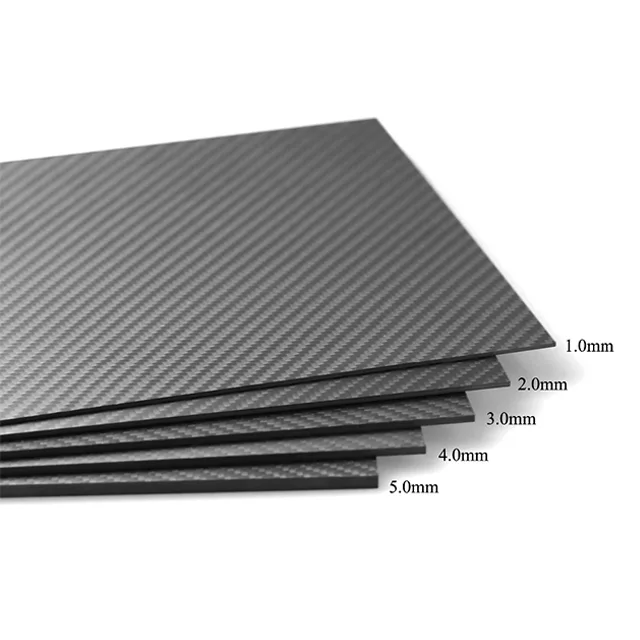
Carbon Fiber Sheet
Stock carbon fiber plates fabricated from multiple layers of high strength prepreg under high pressure moulding, in ten thicknesses from 0.5 mm to 5.0 mm at 500 x 400 mm.
View details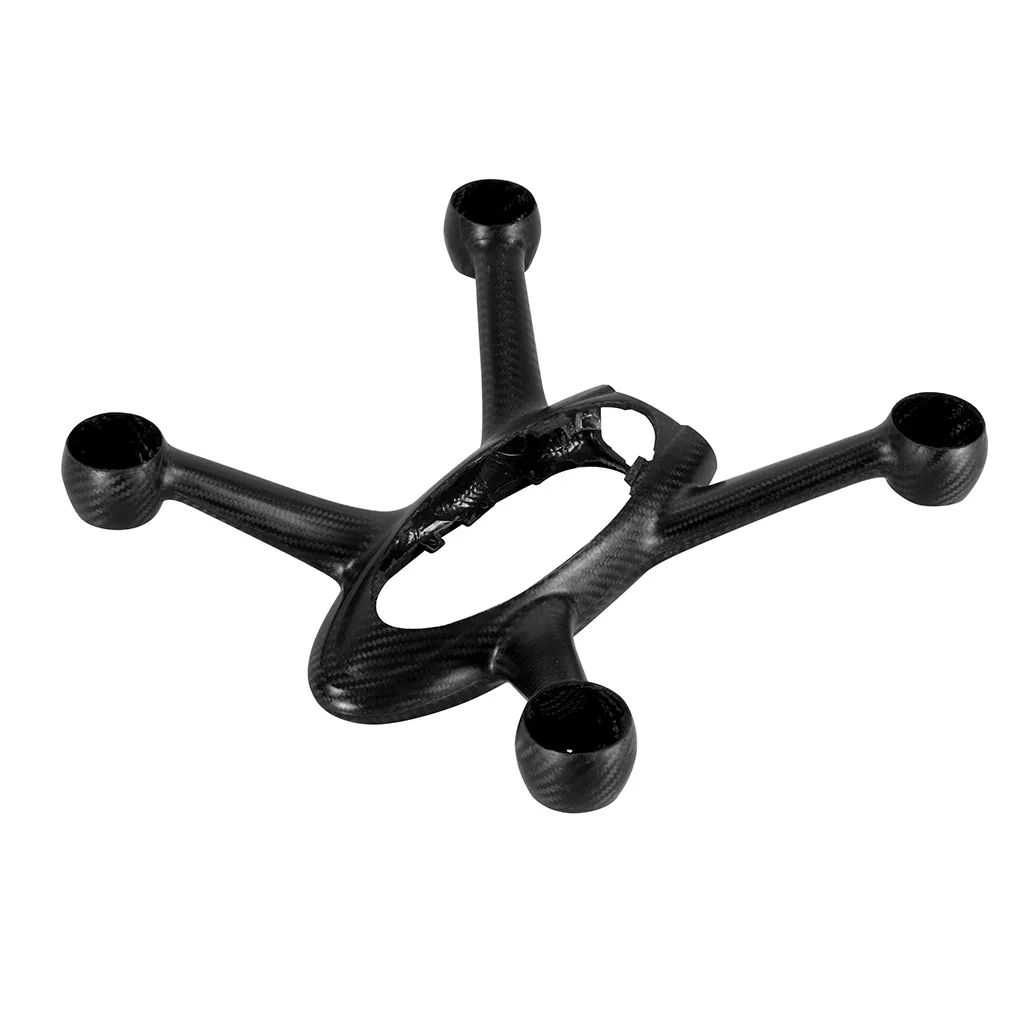
Carbon Fiber Drone Parts
Frames, arms, plates and propellers in carbon fiber composite, which cut roughly 40 per cent of the weight against traditional materials and directly extend flight duration.
View details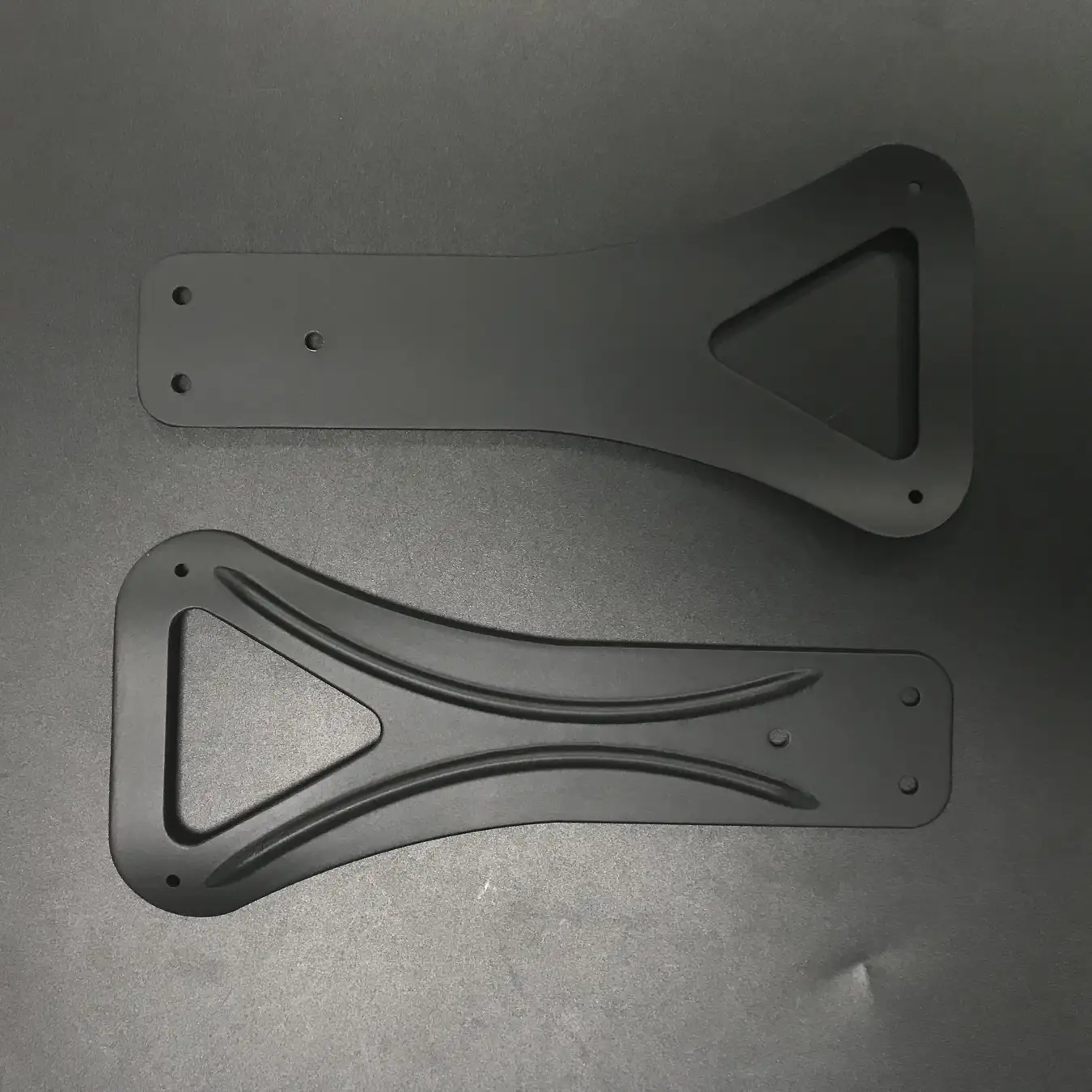
Carbon Fiber Gasket
A real carbon fiber gasket produced to a dimensional tolerance of plus or minus 0.01 mm, so it can form part of a small high-precision assembly rather than a loose fit-check.
View detailsRelated Technical Guides
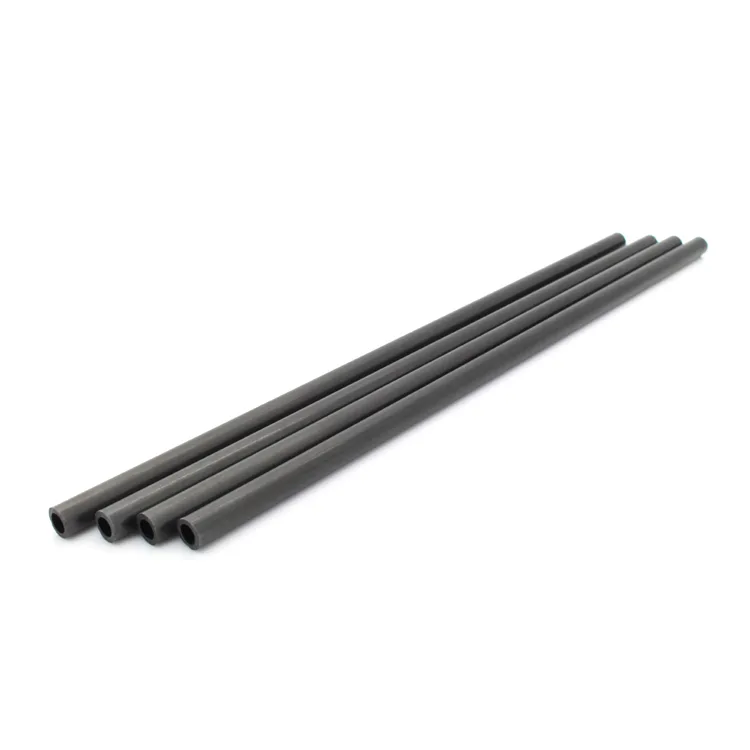
Carbon Fiber Tube or Plate for a Structural Member
Tube is far more efficient in bending and torsion. Plate is easier to attach to and cheaper to machine. The choice usually comes down to how the member is loaded and how it connects.
Read the guide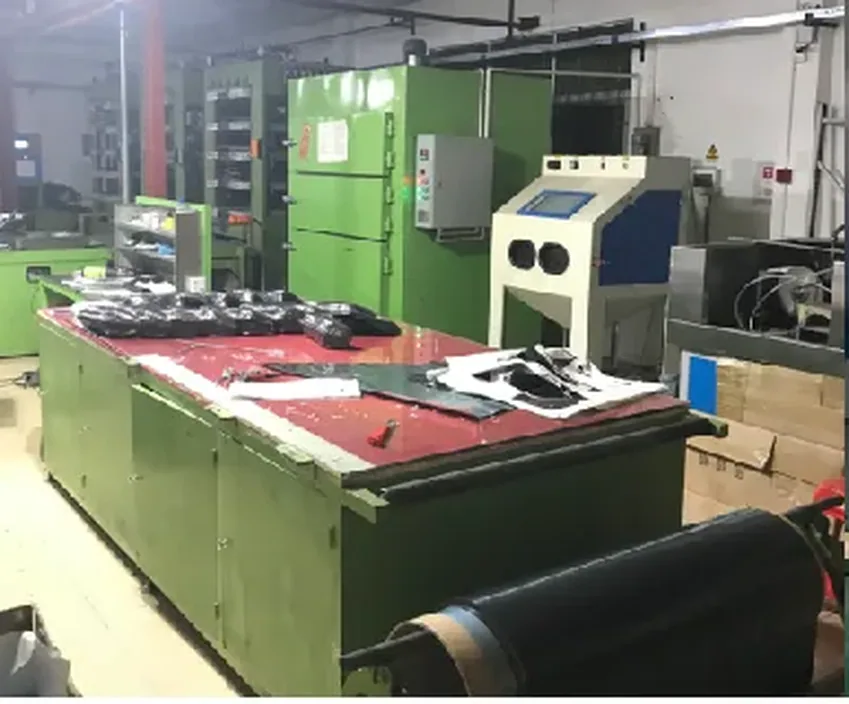
Machining Carbon Fiber Plate and Tube to Print
Stock plate and tube become finished parts through CNC milling or waterjet cutting. What you mark on the drawing decides whether the result looks engineered or unfinished.
Read the guideHave a Part You Want Reviewed
Email the drawing and the load case. The engineering team will say which material and process the part actually needs before you commit.