
Carbon Fiber Tube or Plate for a Structural Member
Tube is far more efficient in bending and torsion. Plate is easier to attach to and cheaper to machine. The choice usually comes down to how the member is loaded and how it connects.
Tube Wins on Efficiency
A tube puts material as far from the neutral axis as the geometry allows, in every direction at once. For a member that sees bending from more than one plane, or any torsion at all, tube is the efficient answer.
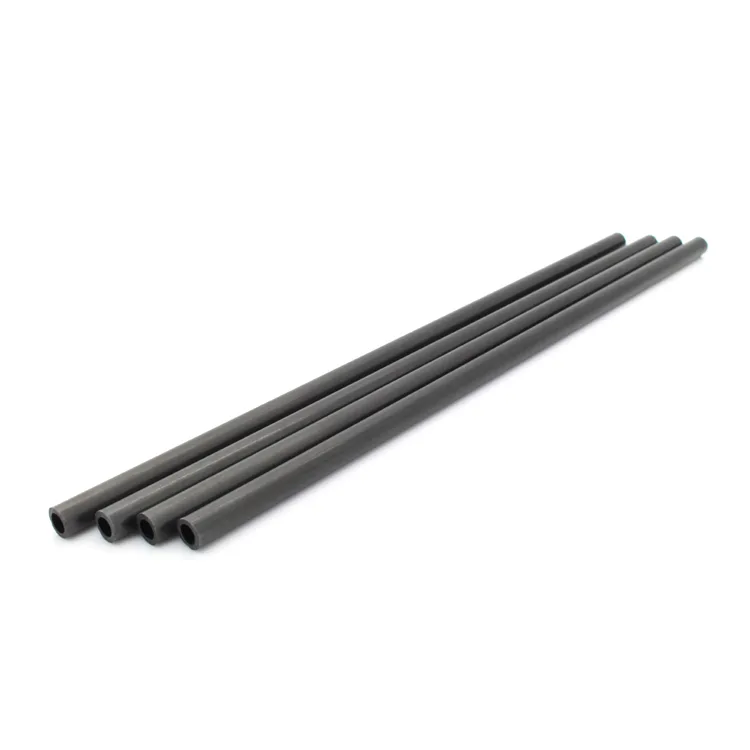
Stock tube runs from CT-5.0-7.0 at 5.0 mm nominal inside diameter up to CT-236.0-242.0 at 236.0 mm, with wall thicknesses from 1.0 mm to 4.0 mm and a standard length of 1000 mm.
Plate Wins on Connections
The problem with tube is always the ends. Attaching to a round section means bonded fittings, clamps or moulded-in inserts, and each of those is a design problem of its own.
Plate is flat, so it can be drilled, bolted and stacked. For a drone centre plate carrying a dozen fixings in two planes, plate is not a compromise - it is the correct shape.
Grades Change the Calculation
Tube is available in standard modulus, high modulus and ultra high modulus grades. Moving up a grade raises stiffness without adding wall thickness, which is the cheapest weight saving available on a long span.
Exterior material is either 3K plain fabric or 3K twill fabric, in matte or gloss, so appearance is a separate decision from structure.
Fibre Angle Is the Real Variable
Unlike metal tubing, carbon fiber tubing is designed with layers of fibres oriented at different angles to provide properties designed for a specific application. Axial fibre resists bending; angled fibre resists torsion. A tube optimised for one is not optimised for the other.
State the load case when ordering. A tube specified only by diameter and wall leaves the most important variable undefined.
A Rule of Thumb
Long unsupported span with bending or torsion, few attachment points: use tube. Short span, many fixings, flat mating faces: use plate. Both in the same assembly is common, and stock exists for both.
Parts Referenced Above
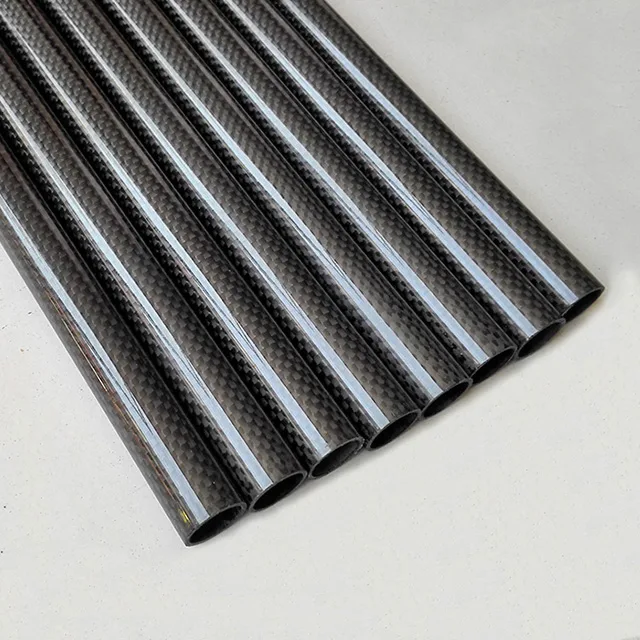
Carbon Fiber Tube
High strength carbon fiber tubing fabricated with unidirectional prepreg and wrapped in 3K plain or twill fabric, in fifteen stock part numbers from 5.0 mm to 242.0 mm nominal inside diameter.
View details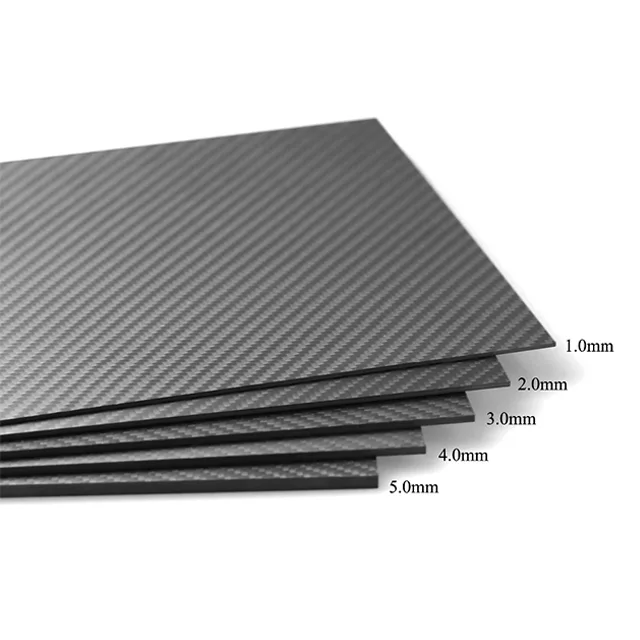
Carbon Fiber Sheet
Stock carbon fiber plates fabricated from multiple layers of high strength prepreg under high pressure moulding, in ten thicknesses from 0.5 mm to 5.0 mm at 500 x 400 mm.
View details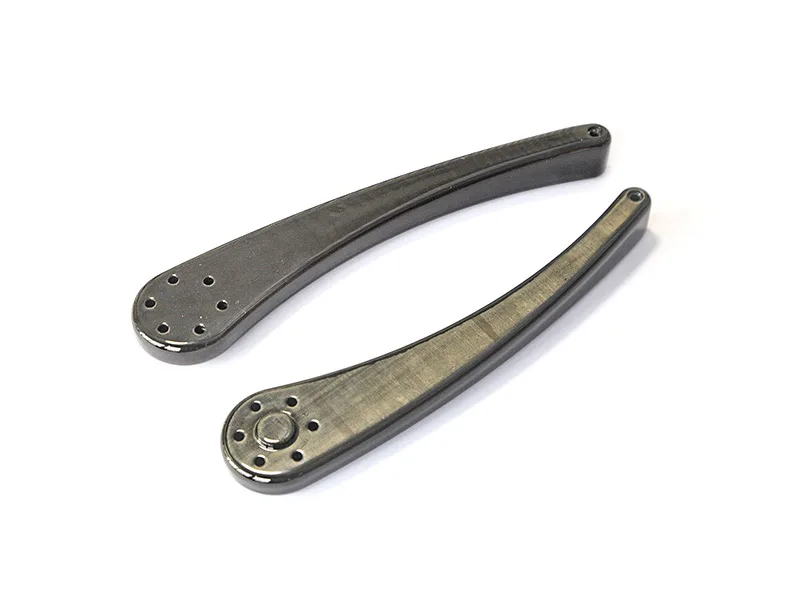
Carbon Fiber Structural Arm
A full carbon fiber arm made as a verification sample, carrying the strength and stiffness of a production composite part so the structure can be tested before a mould is cut.
View detailsRelated Technical Guides
How to Choose Carbon Fiber Plate Thickness
Stock plate runs from 0.5 mm to 5.0 mm in 0.5 mm steps. Choosing between them is a stiffness calculation, not a strength one - and the lay-up matters as much as the number.
Read the guide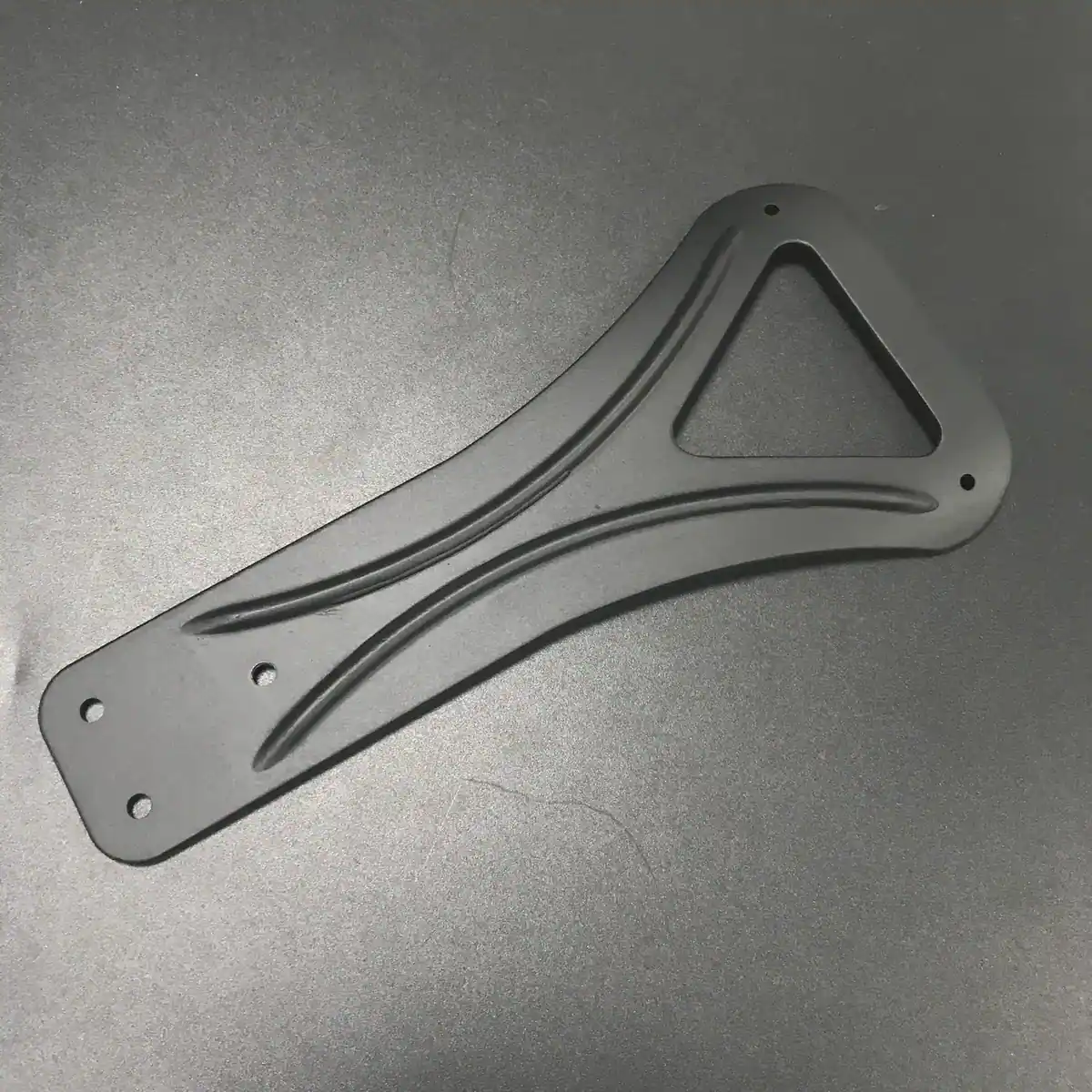
Carbon Fiber or Aluminium for a Structural Part
Aluminium is predictable, machinable and cheap to buy. Carbon fiber is lighter and stiffer per gram and lets you place fibre where the load is. Which wins depends on three questions.
Read the guideHave a Part You Want Reviewed
Email the drawing and the load case. The engineering team will say which material and process the part actually needs before you commit.