
Plain Weave Twill and Forged Carbon Explained
Weave pattern and surface finish are the two decisions buyers argue about most, and they affect appearance far more than structure. Here is what each one actually is.
Plain Weave and Twill
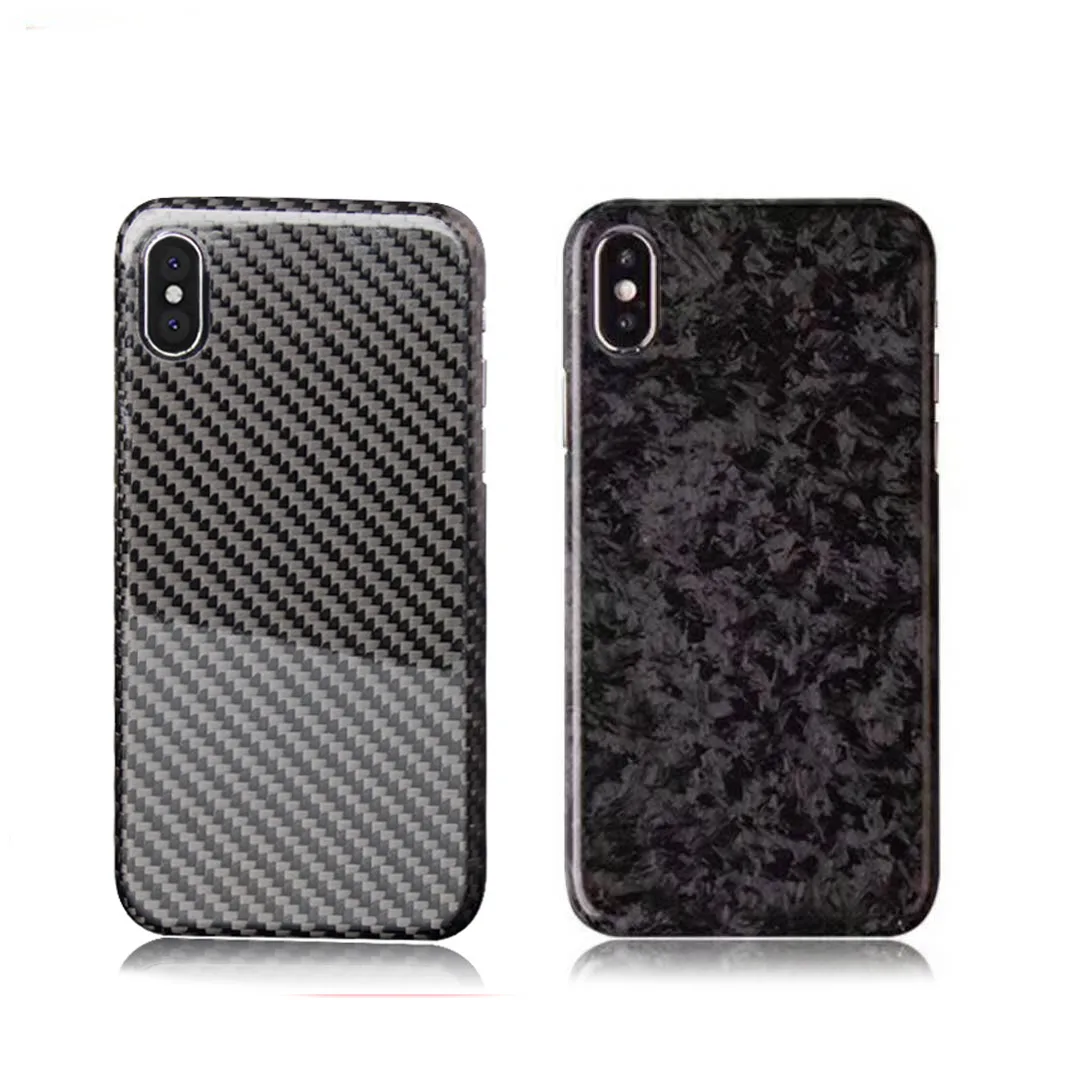
Plain weave alternates each fibre tow over and under, giving a tight chequered pattern. Twill - the familiar 2 x 2 diagonal - passes each tow over two and under two, which drapes better over curves and gives the diagonal pattern most people picture when they hear carbon fiber.
Both are available as exterior materials on stock tube: 3K plain fabric and 3K twill fabric. Stock plate uses 2 x 2 twill carbon fiber prepreg as the outer material over a 0/90 balanced unidirectional core.
Matte and Glossy
Finish is independent of weave. Tube finishes are available as plain matte, plain glossy, twill matte and twill glossy, and unidirectional surfaces come in both matte and gloss as well.
Stock plate is supplied matte on matte. On custom parts the appearance can be painted to the customer's choice - a bright finish reads high-end and cool, a matte finish reads low-key and restrained.
Forged Carbon
Forged carbon is not woven at all. Chopped fibre is pressed into the tool, which produces a marbled, random pattern where no two parts are identical. It also fills complex shapes that woven fabric cannot drape into without wrinkling.
Both surfaces are used on phone cases: standard carbon fiber for the regular 3K twill look, forged carbon for the marbled one. The choice is purely cosmetic, and it is worth deciding before tooling because the two need different mould surfaces.
Unidirectional Surfaces
Unidirectional fabric shows parallel fibre rather than a weave. It is structurally the most efficient, since none of the fibre is crimped over another tow, and visually it reads as a fine straight grain.
On tube it is offered in matte and gloss alongside the woven options.
What the Weave Does Not Change
Surface fabric is a thin outer layer. The structural work is done by the laminate underneath, which is why the same plate can be offered in different surface materials without changing its stated thickness or type.
Choose the weave for how the part should look and how it has to drape. Choose the laminate underneath for how it has to perform.
Parts Referenced Above
Carbon Fiber Phone Case
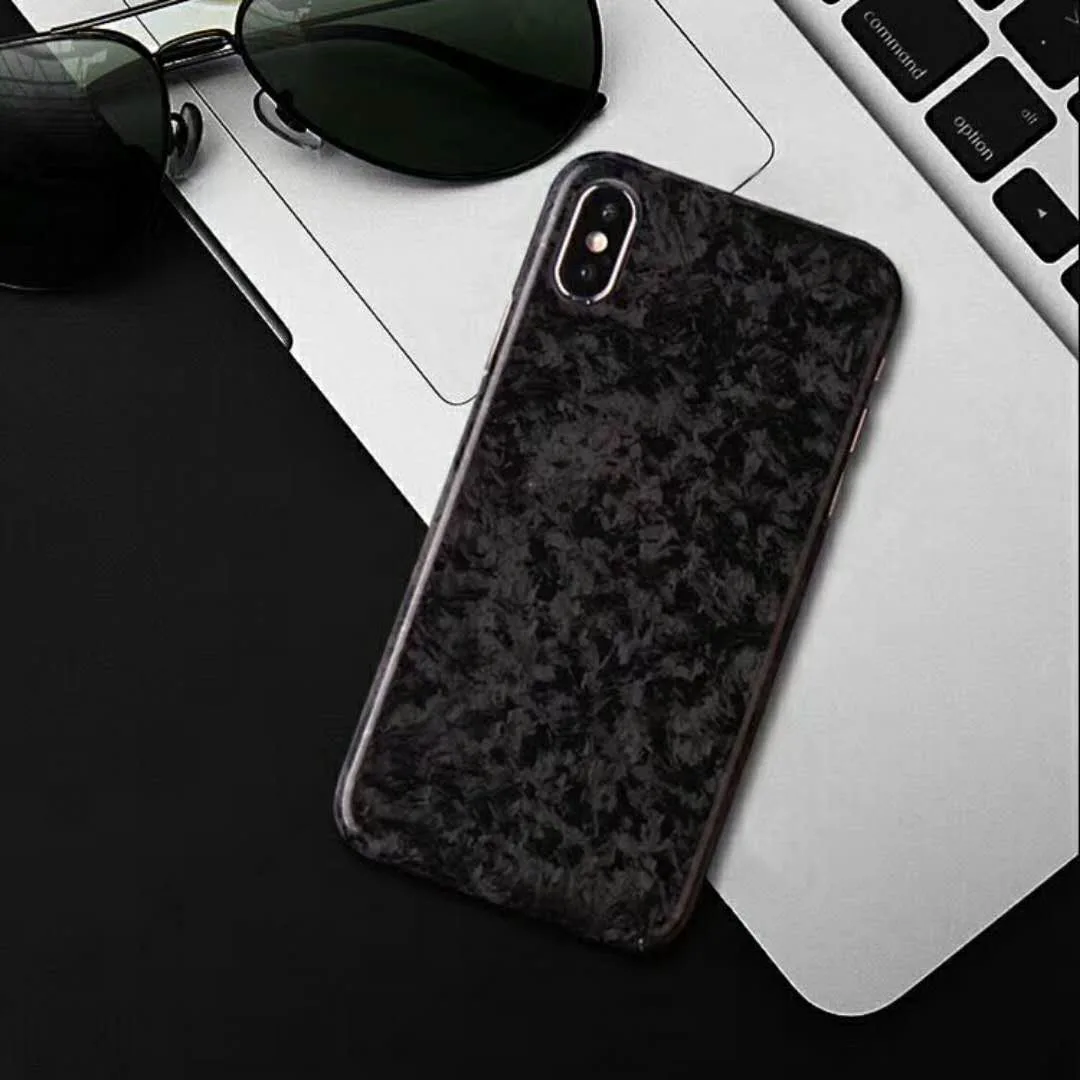
Carbon fiber and forged carbon phone cases with a minimum thickness of 0.6 mm and a weight of 7.0 to 12.0 g, produced for iPhone 7 through iPhone XS Max.
View details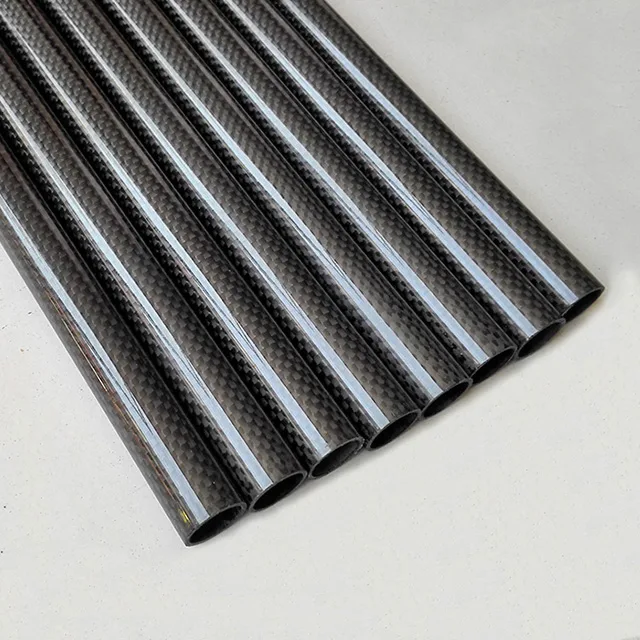
Carbon Fiber Tube
High strength carbon fiber tubing fabricated with unidirectional prepreg and wrapped in 3K plain or twill fabric, in fifteen stock part numbers from 5.0 mm to 242.0 mm nominal inside diameter.
View details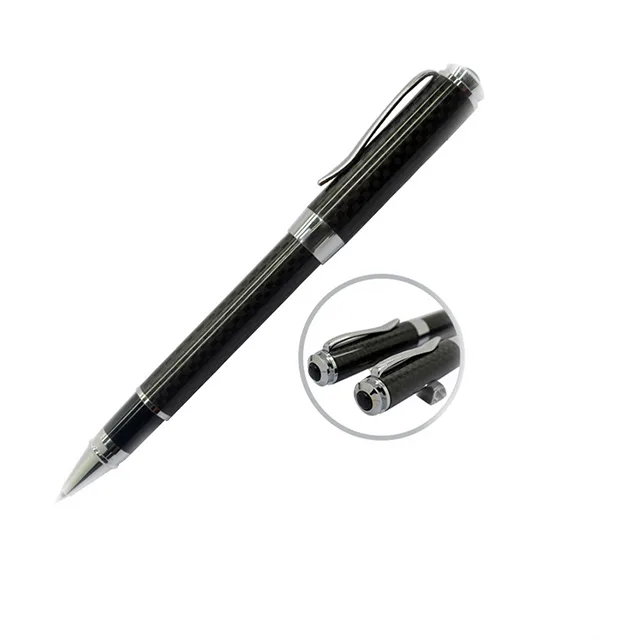
Carbon Fiber Gift Items
Wallets, money clips, card holders, pens and other consumer items in 3K carbon fiber, with specialised coating material where touch feel matters.
View detailsRelated Technical Guides
How to Choose Carbon Fiber Plate Thickness
Stock plate runs from 0.5 mm to 5.0 mm in 0.5 mm steps. Choosing between them is a stiffness calculation, not a strength one - and the lay-up matters as much as the number.
Read the guide
What to Send When You Order Custom Carbon Fiber Parts
Most quoting delays come from missing information, not from difficult parts. Here is the set of details that lets a composite supplier quote in one pass.
Read the guideHave a Part You Want Reviewed
Email the drawing and the load case. The engineering team will say which material and process the part actually needs before you commit.