
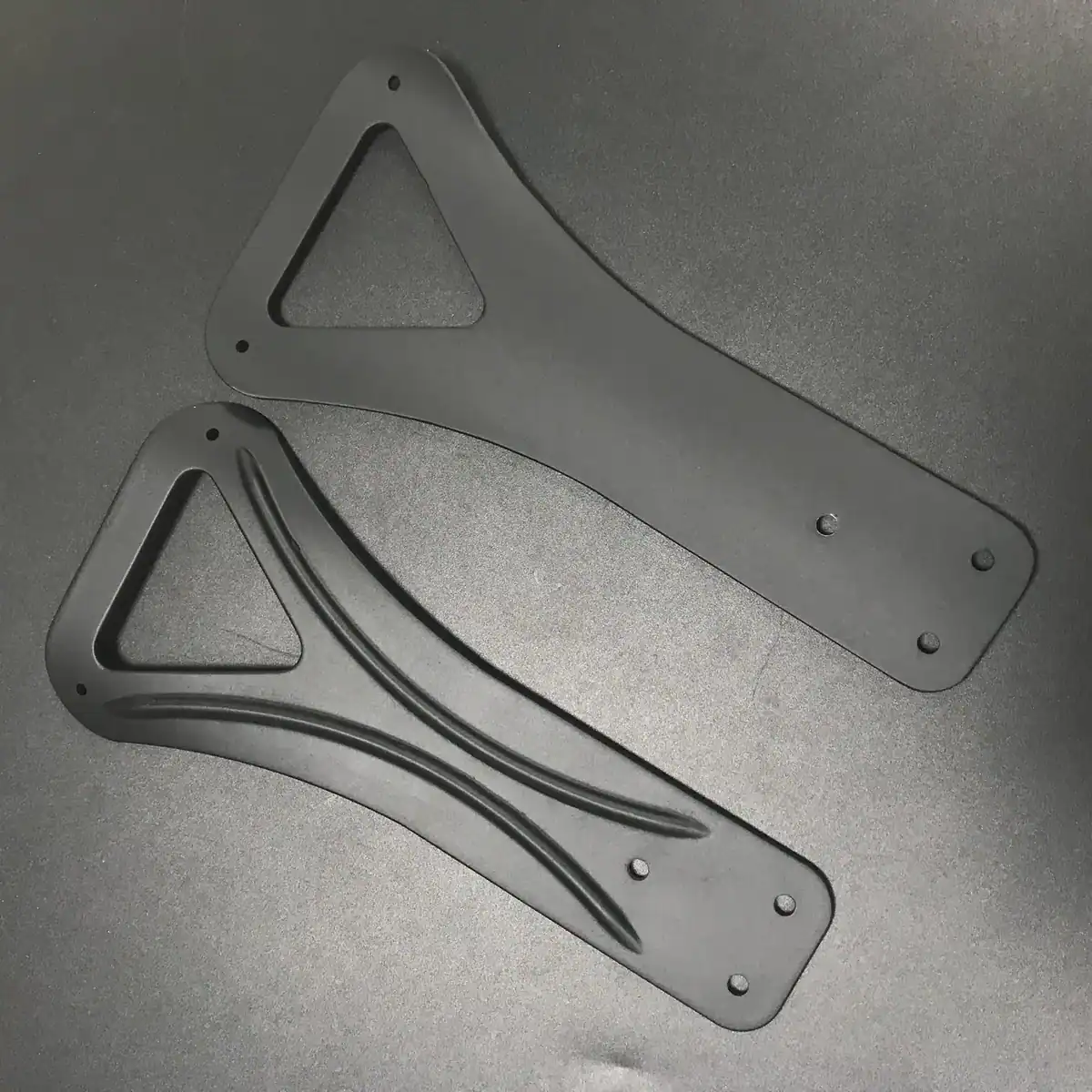
Why Verify a Composite Part Before You Cut the Mould
Tooling is the irreversible step in a composite programme. A full carbon fiber sample lets you test strength, rigidity and precision while changes still cost machining time instead of tooling money.
The Expensive Step Is Not the Part
In a composite programme the part is rarely what breaks the budget. The mould is. Once steel is cut, every geometry change is a tooling change, and tooling changes are measured in weeks and in money that was already committed.
This is why the design and verification phase exists at all. The question it has to answer is not whether the part looks right, but whether the structure behaves the way the analysis said it would.
A Plastic Model Answers the Wrong Question
A printed or machined plastic sample tells you about fit, clearance and assembly sequence. It tells you nothing about how a laminate will behave under load, because it is not a laminate.
A full carbon fiber sample is different. Made from full carbon fiber material, it has the strength and rigidity of a carbon fiber part - high strength, high rigidity and low specific gravity - which means it can be used as an industrial product for testing and use, not just for looking at.
What You Can Verify Without a Mould
In the design and verification phase the characteristics of the composite are fully exploited, and structural strength, rigidity and precision can all be verified without opening the mould.
Precision is the part engineers usually underestimate. Where the drawing calls for it, assembly-grade composite parts are produced to a dimensional tolerance of plus or minus 0.01 mm, which is tight enough to form a small assembly structure rather than a loose fit check.
Appearance Is Also a Decision
The finish argument is easier to settle with a part in hand. The appearance can be painted for the customer to choose: a bright finish reads high-end and cool, a matte finish reads low-key and restrained. Renderings never settle this.
Moving From Sample to Production
The useful property of this route is that it does not end at the sample. Parts can be opened without proofing and still be mass produced afterwards, so the verified geometry carries straight into production rather than being reinterpreted for a different process.
Sample orders normally ship within one week, and normal production orders take 15 to 25 days.
Parts Referenced Above
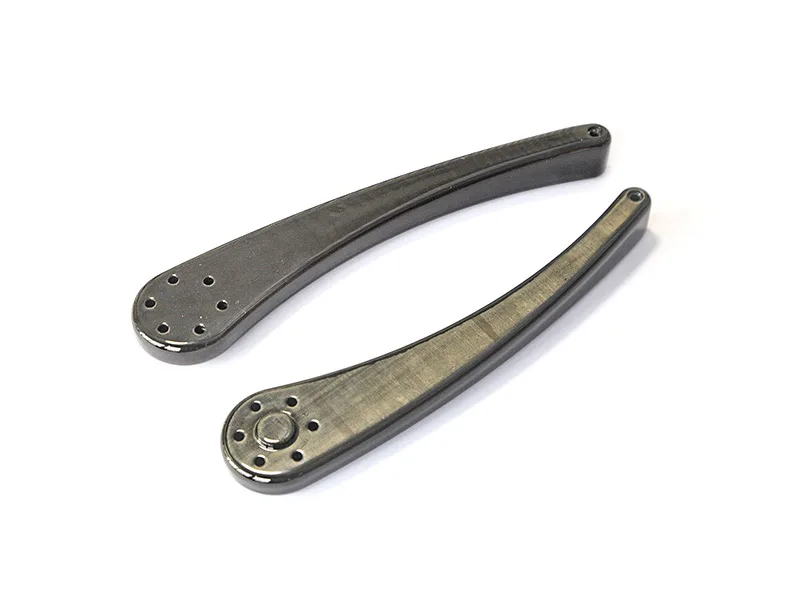
Carbon Fiber Structural Arm
A full carbon fiber arm made as a verification sample, carrying the strength and stiffness of a production composite part so the structure can be tested before a mould is cut.
View details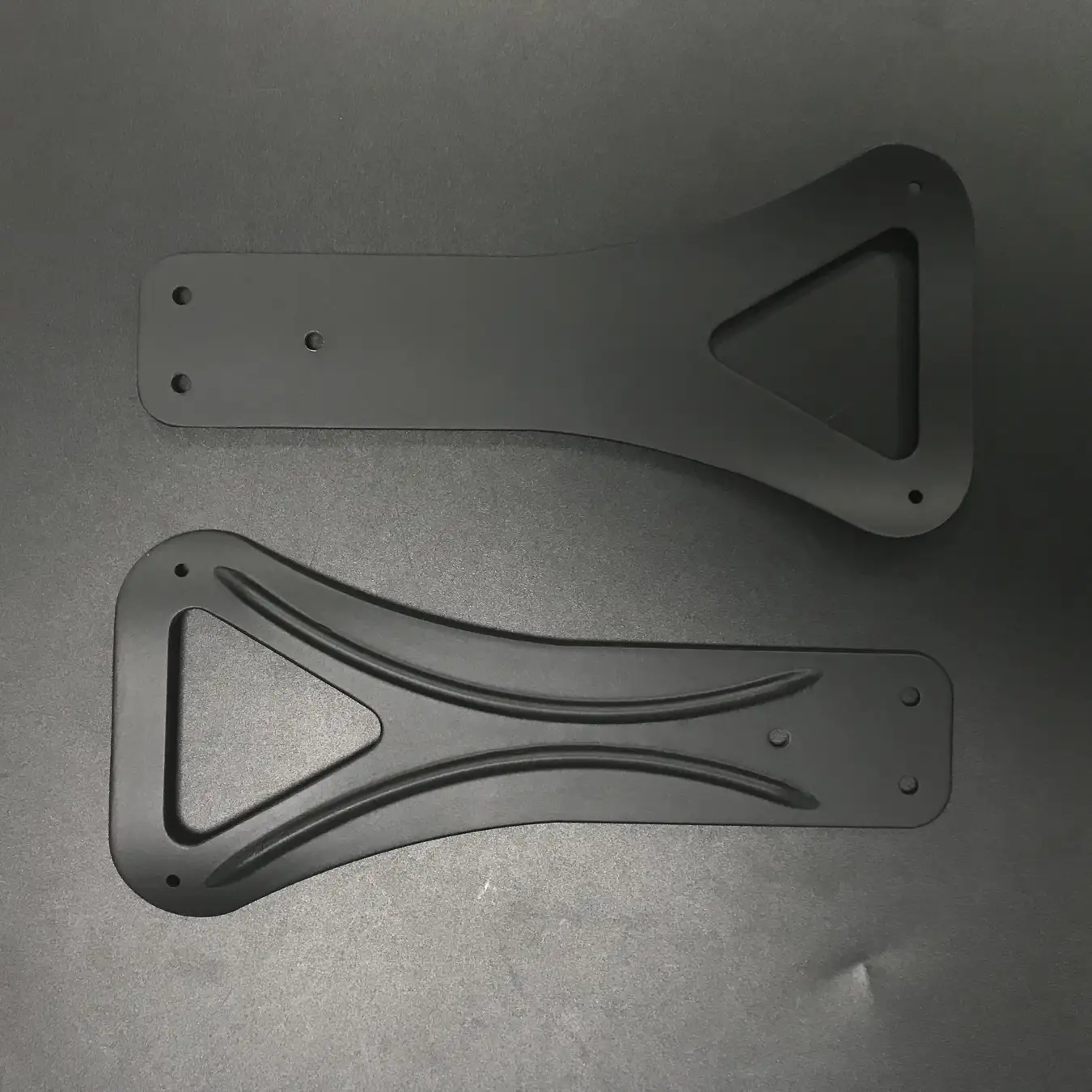
Carbon Fiber Gasket
A real carbon fiber gasket produced to a dimensional tolerance of plus or minus 0.01 mm, so it can form part of a small high-precision assembly rather than a loose fit-check.
View details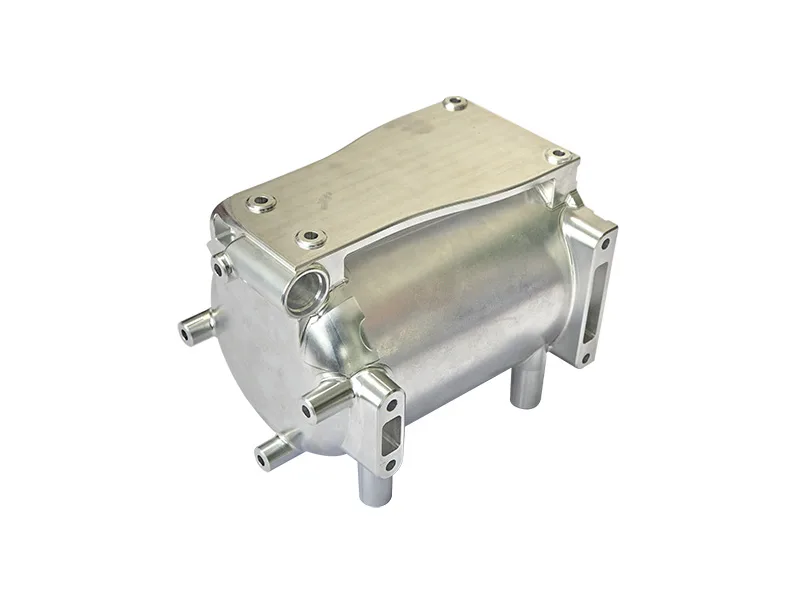
Aluminum Alloy Engine Housing
A CNC machined aluminium alloy engine housing prototype at 320 x 195 x 180 mm, cut from solid so the casting design can be tested before a tool is ordered.
View detailsRelated Technical Guides
Machining Carbon Fiber Plate and Tube to Print
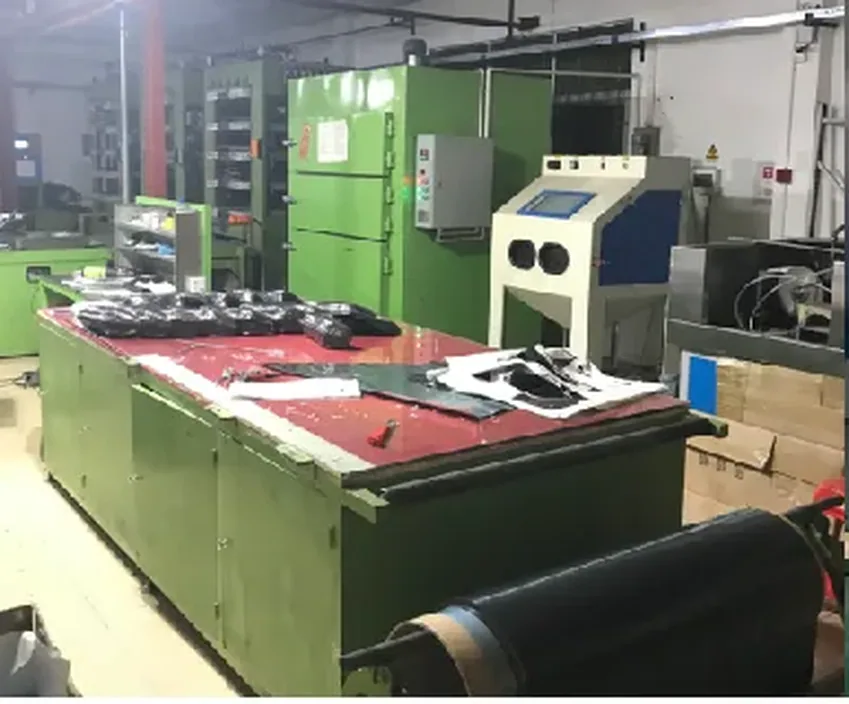
Stock plate and tube become finished parts through CNC milling or waterjet cutting. What you mark on the drawing decides whether the result looks engineered or unfinished.
Read the guide
What to Send When You Order Custom Carbon Fiber Parts
Most quoting delays come from missing information, not from difficult parts. Here is the set of details that lets a composite supplier quote in one pass.
Read the guideHave a Part You Want Reviewed
Email the drawing and the load case. The engineering team will say which material and process the part actually needs before you commit.