
XP500 Student Chidren Biological Microscope for Specimen Observation
The XP500 is a student biological microscope with a monocular, binocular or trinocular head, designed for classroom specimen observation.
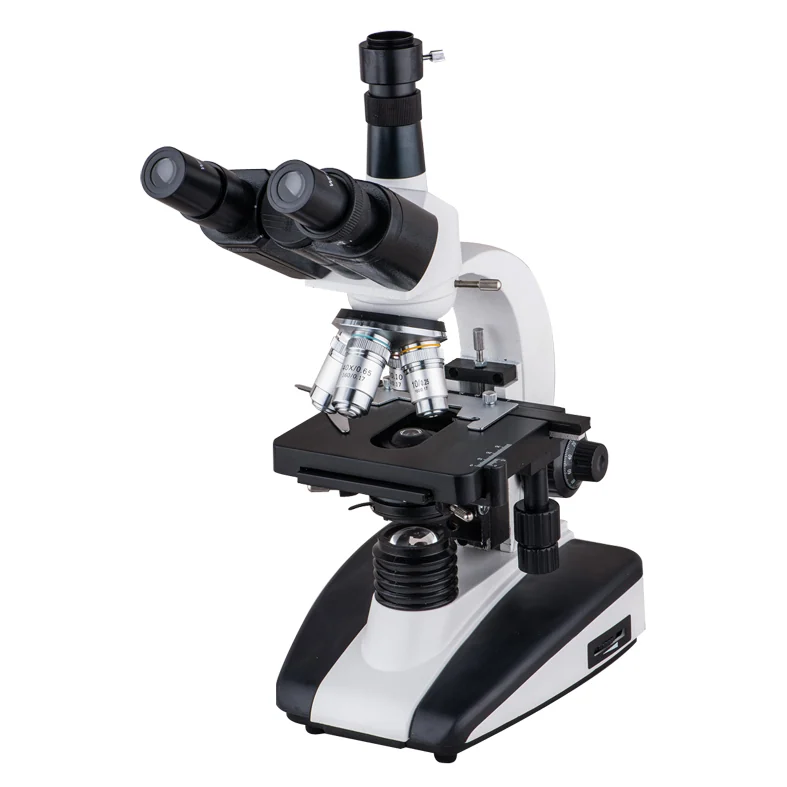
Product Overview
The XP500 is a student biological microscope with a monocular, binocular or trinocular head, designed for classroom specimen observation. It features achromatic objectives of 4X, 10X, 40X (spring), and 100X (oil), a 125mm x 135mm double-layer mechanical stage, and coaxial coarse and fine focusing with a 0.002mm focusing interval. The 45° inclined monocular head or 30° inclined binocular head allows comfortable viewing for students. The Abbe condenser with NA=1.25 and iris diaphragm supports high-resolution imaging. The halogen lamp is standard; LED is optional.
- Objective lenses4X, 10X, 40X (Spring), 100X (Oil Immersion)
- EyepieceWF10X (standard), WF16X (optional)
- Head typeMonocular (45° inclined), Binocular (30° inclined), Trinocular (dual tube, 360° rotatable)
- StageDouble-layer mechanical stage, 125mm x 135mm
- Focusing systemCoaxial coarse and fine adjustment, 30mm focusing range, 0.002mm interval
- CondenserAbbe NA=1.25 with iris diaphragm and filter holder
Key Benefits
- Monocular, binocular or trinocular head options suit different classroom setups and student needs
- 45° inclined monocular head or 30° inclined binocular head reduces neck strain during long observation sessions
- Achromatic objectives (4X, 10X, 40X, 100X) deliver clear, color-corrected images for specimen analysis
- 125mm x 135mm double-layer mechanical stage with precise specimen positioning for consistent observation
- Coaxial coarse and fine focusing with 0.002mm interval allows fine control for sharp focus at high magnification
- Abbe condenser with NA=1.25 and iris diaphragm improves resolution and contrast in transmitted light
- Halogen lamp standard; LED option available for lower power consumption and longer life
- 100X objective includes oil immersion capability for maximum resolution in high-magnification work
Application Scenarios
- Classroom biology lessons where students observe plant cells, animal tissues, and microorganisms
- School science fairs requiring consistent, repeatable specimen imaging across multiple users
- Laboratory training sessions for students learning slide preparation and focus techniques
- Schools with limited budget that need a durable, multi-user microscope with interchangeable heads
- Teaching labs where a trinocular head allows simultaneous viewing and camera capture for documentation
Who It Is For
- Elementary and secondary school science teachers
- University teaching laboratories for introductory biology courses
- Schools with limited budgets needing durable, multi-user microscopes
- Science education programs in developing regions with variable power supplies
- Instructors training students in slide mounting, staining and optical focusing
Problems It Solves
- Fixed-angle monocular heads force students to strain their necks during prolonged observation
- Lack of mechanical stage control leads to inconsistent specimen positioning between users
- No coaxial focusing makes it hard to maintain focus when switching between coarse and fine adjustments
- Low NA condensers limit resolution at 40X and 100X, reducing image clarity in high-magnification work
- Single head type limits classroom flexibility when some students need binocular viewing and others need camera access
- No oil immersion option at 100X prevents high-resolution observation of fine cellular structures
Technical Features
- Achromatic objectives: 4X, 10X, 40X (spring), 100X (oil immersion)
- Monocular head inclined at 45° or binocular head inclined at 30° with compensation free design
- Trinocular head with dual observation tubes: one 30° inclined, one vertical, 360° rotatable
- Double-layer mechanical stage, 125mm x 135mm, for precise specimen movement
- Coaxial coarse and fine focusing with 30mm focusing range and 0.002mm focusing interval
- Abbe condenser with NA=1.25, iris diaphragm, and filter holder
- Halogen lamp: 220V/6V20W or 110V/6V20W standard; LED lamp optional
- Standard configuration includes monocular head; binocular and trinocular available as options
Specifications
| Objective lenses | 4X, 10X, 40X (Spring), 100X (Oil Immersion) |
|---|---|
| Eyepiece | WF10X (standard), WF16X (optional) |
| Head type | Monocular (45° inclined), Binocular (30° inclined), Trinocular (dual tube, 360° rotatable) |
| Stage | Double-layer mechanical stage, 125mm x 135mm |
| Focusing system | Coaxial coarse and fine adjustment, 30mm focusing range, 0.002mm interval |
| Condenser | Abbe NA=1.25 with iris diaphragm and filter holder |
| Illumination | Halogen lamp 220V/6V20W or 110V/6V20W (standard), LED lamp (optional) |
| Power supply | 220V/6V20W or 110V/6V20W (halogen), LED optional |
| Working distance | Standard for 4X to 100X objectives |
| Optical system | Achromatic |
| Objective nosepiece | 4-position revolving nosepiece |
| Stage clips | 4-stage clips standard |
| Filter holder | Yes, for condenser |
| Oil immersion | Yes, for 100X objective |
| Optional eyepieces | WF16X |
| Optional illumination | LED lamp |
Specifications are taken from the AMADA product data for this item. Confirm critical dimensions with us in writing before ordering.
Customization Options
- Choose between monocular, binocular or trinocular head configurations
- Upgrade to WF16X eyepiece for wider field of view
- Replace halogen lamp with LED lamp for lower power use and longer life
- Add oil immersion capability to 100X objective
- Select from 4X, 10X, 40X, 100X objectives as standard or optional
Comparison With Other Options
| XP500 with monocular head only | The trinocular version adds a vertical camera port, allowing image capture without removing the eyepiece, ideal for documentation in teaching labs. |
|---|---|
| XP500 with binocular head | The trinocular head includes a vertical tube for camera attachment, while the binocular head is limited to two eyepieces and no camera port. |
| XP500 with LED lamp | The LED lamp reduces power consumption and heat output compared to halogen, but may require a different voltage input; confirm compatibility before ordering. |
Use Guide
- Adjust the interpupillary distance to match your eyes before focusing, especially for binocular or trinocular heads
- Start with the 4X objective to locate the specimen, then switch to higher magnifications for detail
- Use oil immersion with the 100X objective by placing a drop of immersion oil on the slide before mounting
- Set the condenser to NA=1.25 and adjust the iris diaphragm to improve contrast and resolution
- Use the coarse focus first to bring the specimen into approximate focus, then use fine focus for sharp detail
- For LED lamp, ensure the voltage matches your local supply; confirm compatibility with the supplier
More From XP Series
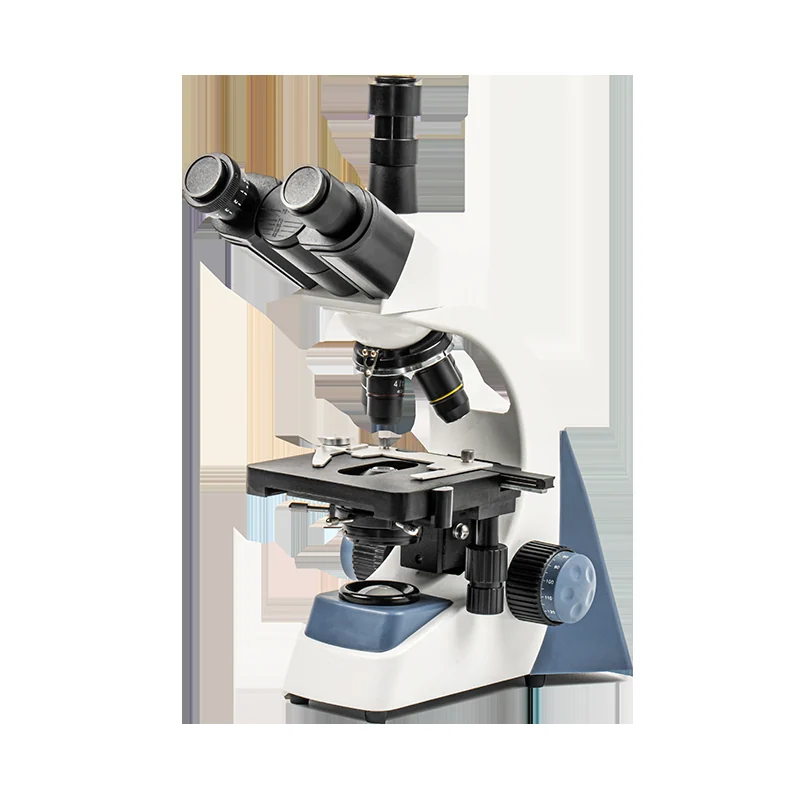
XP700 Lab Hospital Biological Microscope for Clinical and Scientific
View Details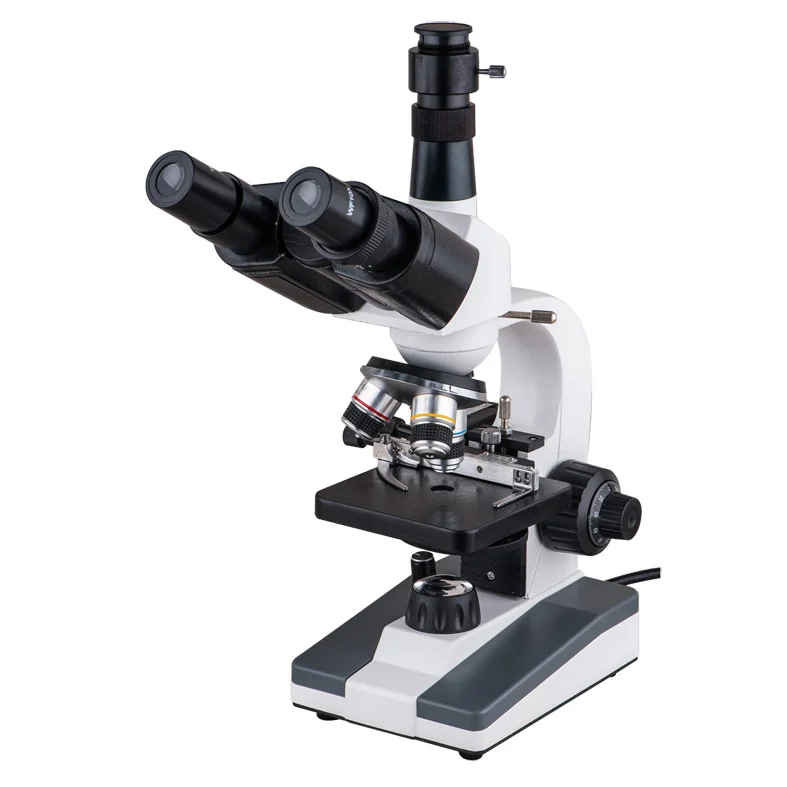
XP900 Student Chidren Biological Microscope for Clinical Observation
View Details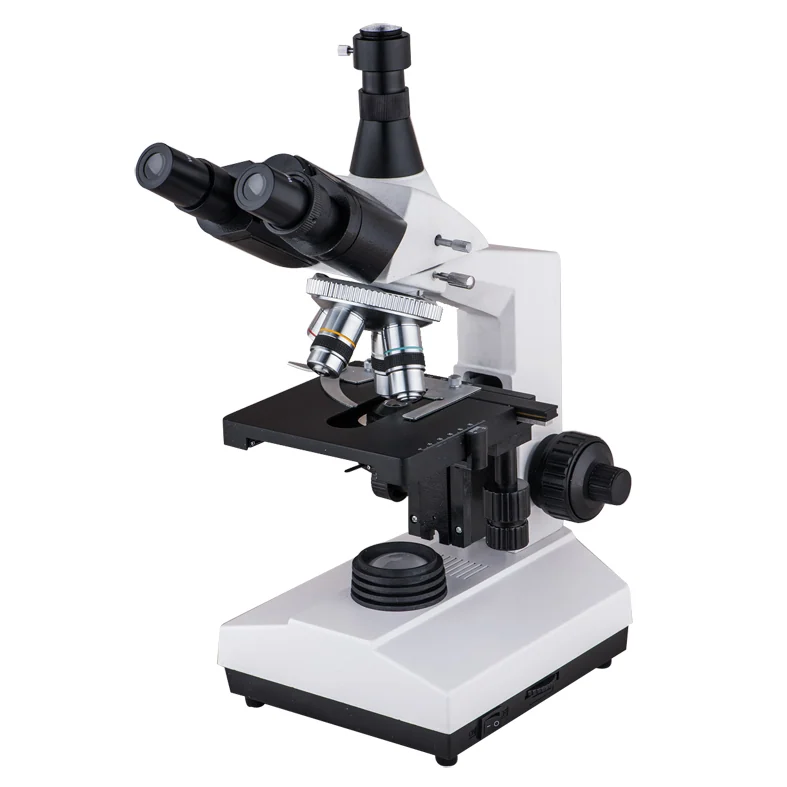
XP800 Student Chidren Biological Microscope for Clinical Work Research
View Details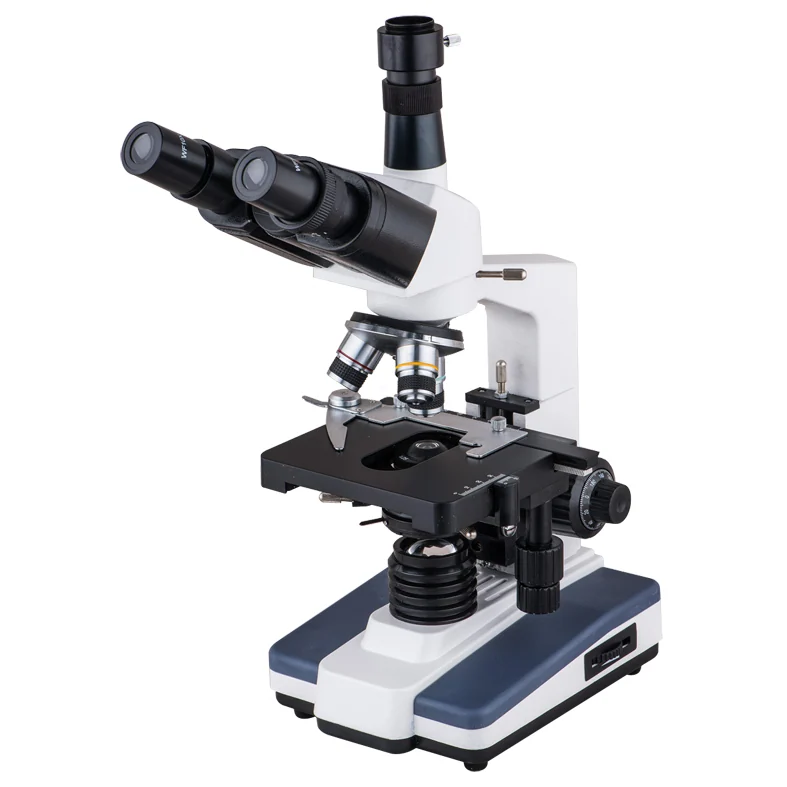
XP600 Student Chidren Biological Microscope for Laboratory Research
View Details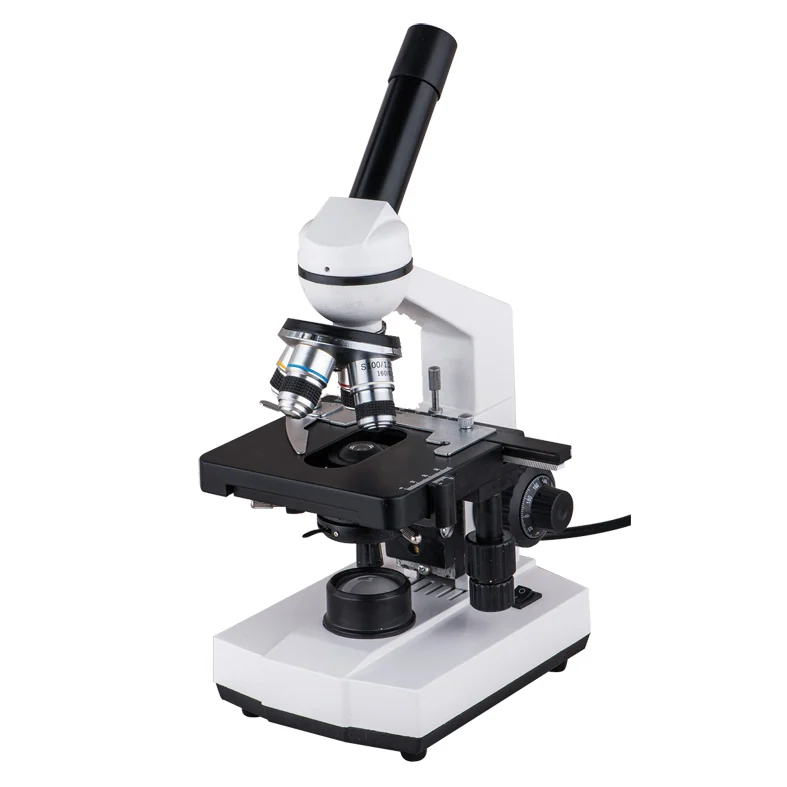
XP400 Student Chidren Biological Microscope for Educational Research
View Details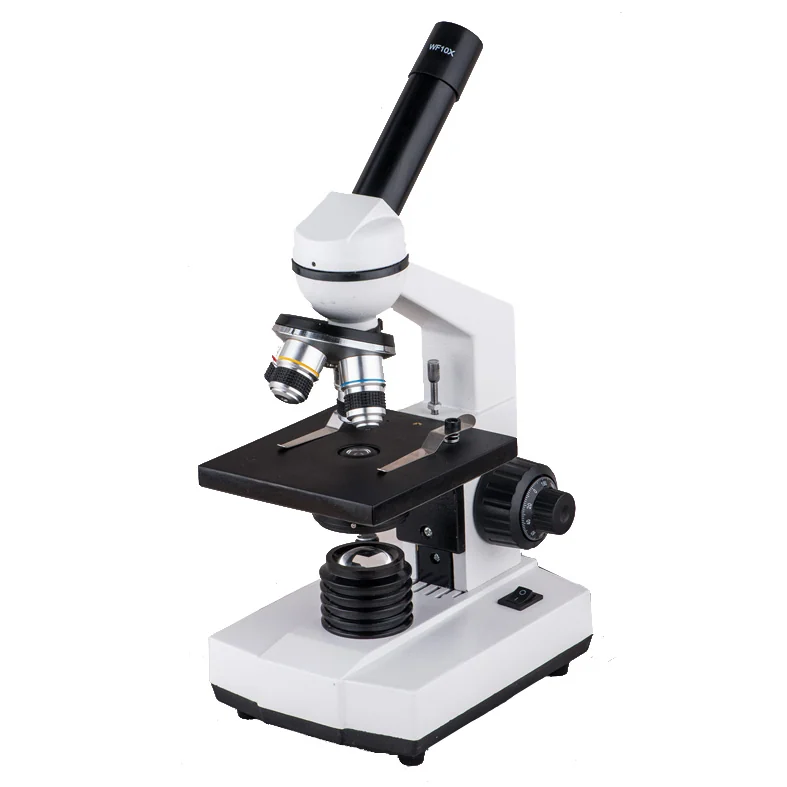
XP300 Student Chidren Biological Microscope for Laboratory Education
View Details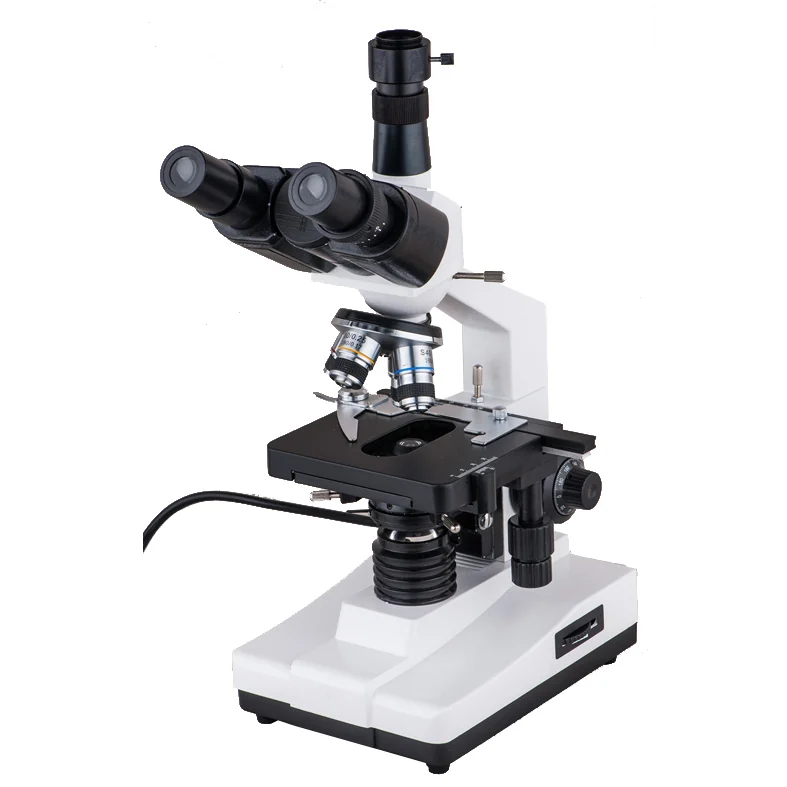
XP200 Chidren Biological Microscope for Students Labs Shcools Hospitals
View Details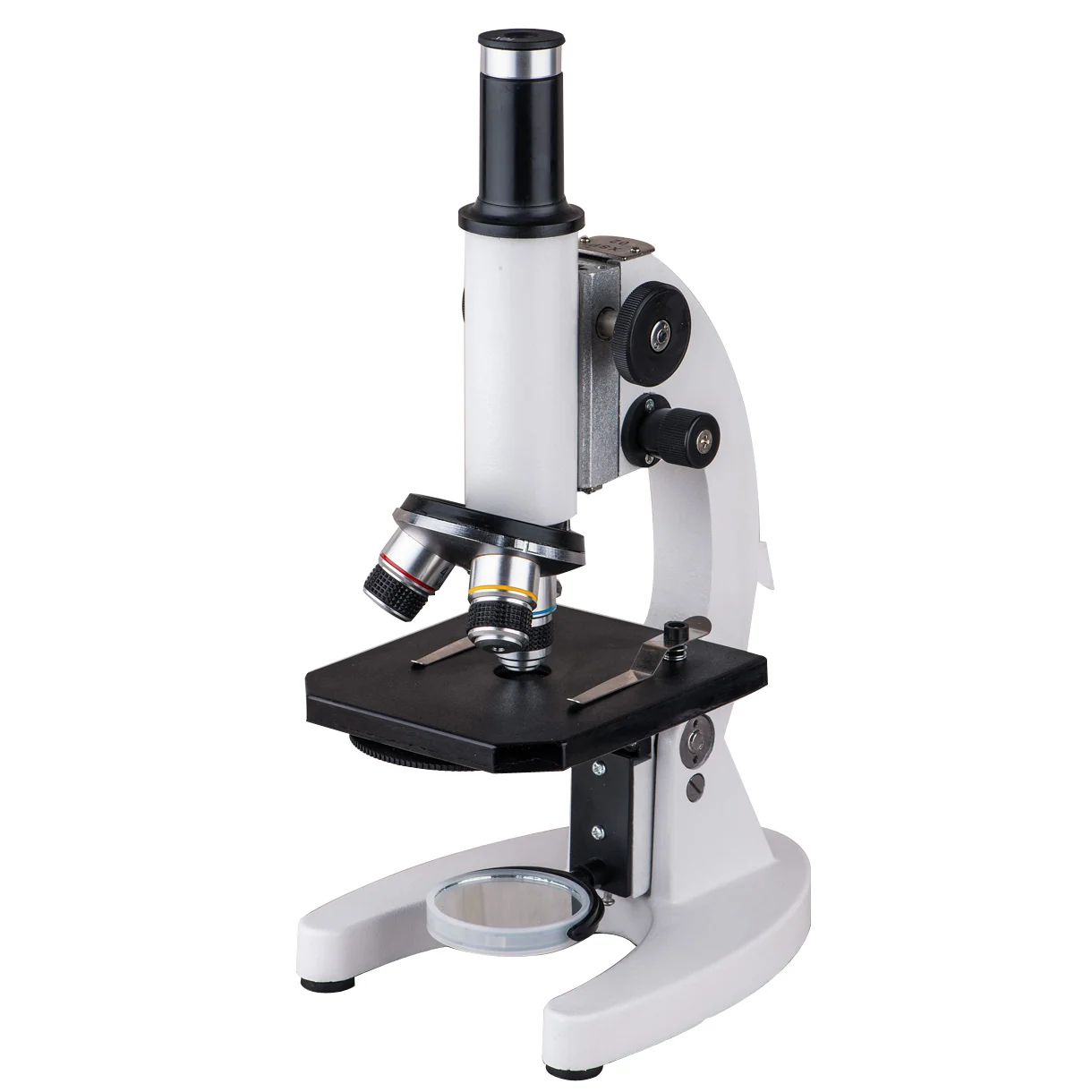
XP100 Student Chidren Biological Microscope for Shcool Hobbyists
View DetailsFrequently Asked Questions
What is the standard head configuration?
The standard configuration is a monocular head inclined at 45°. Binocular and trinocular heads are available as optional configurations.
Can I use oil with the 100X objective?
Yes. The 100X objective is designed for oil immersion. Apply a small drop of immersion oil between the objective and the slide.
Is the LED lamp included in the standard package?
No. The LED lamp is an optional accessory. The standard configuration includes a halogen lamp.
What is the focusing interval on the fine adjustment knob?
The focusing interval is 0.002mm, allowing precise control for high-magnification work.
Can I switch between monocular and binocular heads?
Yes. The XP500 body supports interchangeable heads. Specify your preferred head type when placing the order.
What is the field of view at 40X magnification?
Approximately 0.45mm at 40X magnification with a WF10X eyepiece.
Request A Price On The XP500 Student Chidren Biological Microscope for Specimen Observation
Send quantity, destination and the application. We will confirm the configuration, the price and the lead time.