
XP Series
Student and educational biological microscopes with monocular, binocular and trinocular heads, designed for classroom, lab and clinical observation tasks in schools, hospitals and research settings.
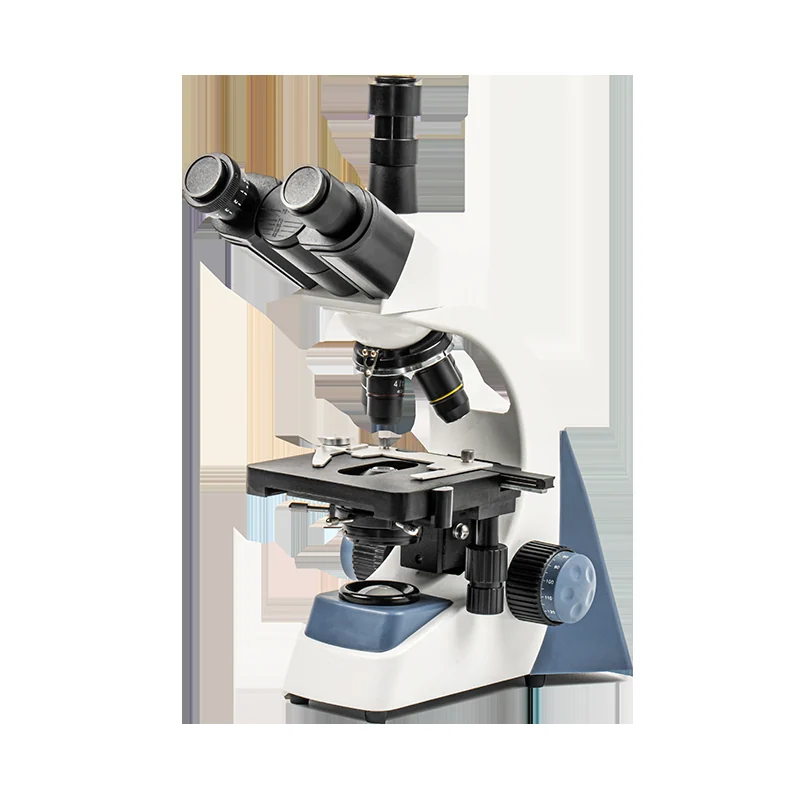
The XP Series comprises student and educational biological microscopes with achromatic objectives and wide field eyepieces. Models range from basic monocular units to trinocular systems with integrated 7-inch LCD screens. All units support 4X, 10X, 40X (spring) and 100X (spring, oil) objectives. The series includes inclined monocular, binocular and trinocular heads, with options for compensation-free focus and dual viewing configurations. Designed for use in schools, hospitals and teaching labs, these microscopes support specimen observation, classroom instruction and basic clinical work.
Every XP Series In Stock
All 9 items in this category, listed in full.
XP700 Lab Hospital Biological Microscope for Clinical and Scientific
View Details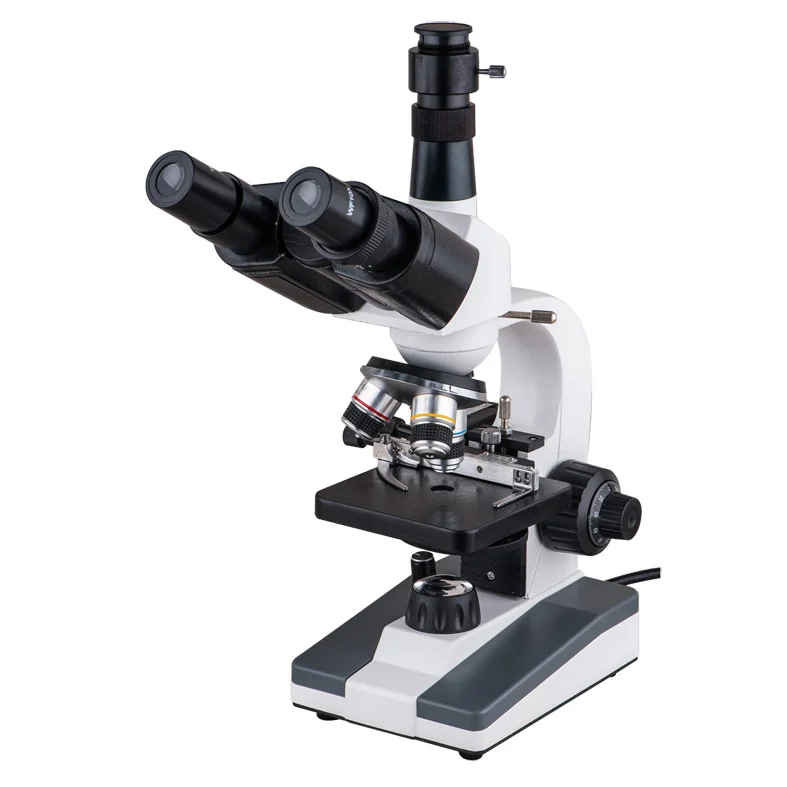
XP900 Student Chidren Biological Microscope for Clinical Observation
View Details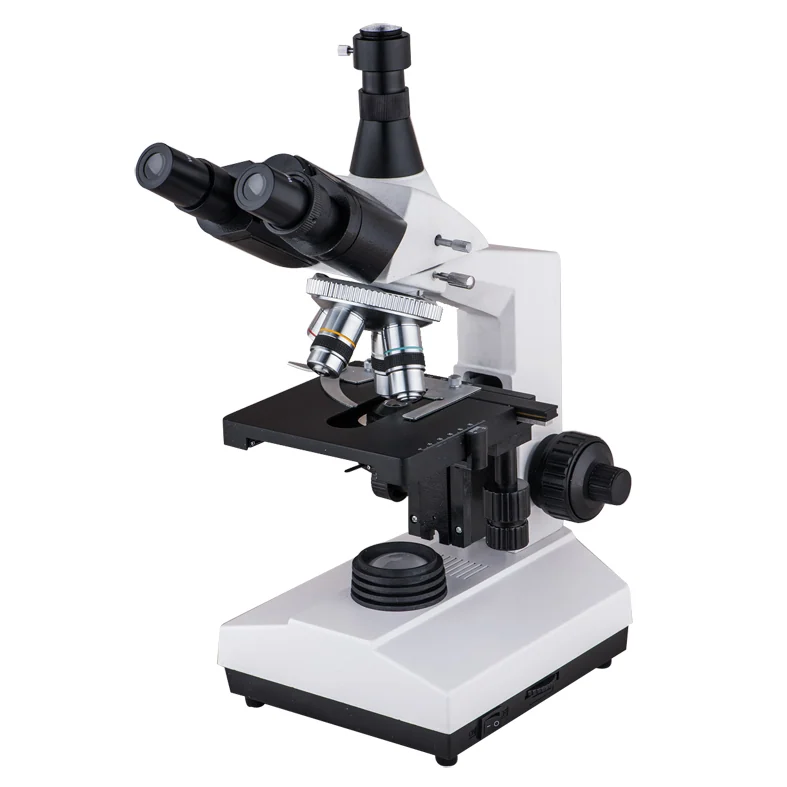
XP800 Student Chidren Biological Microscope for Clinical Work Research
View Details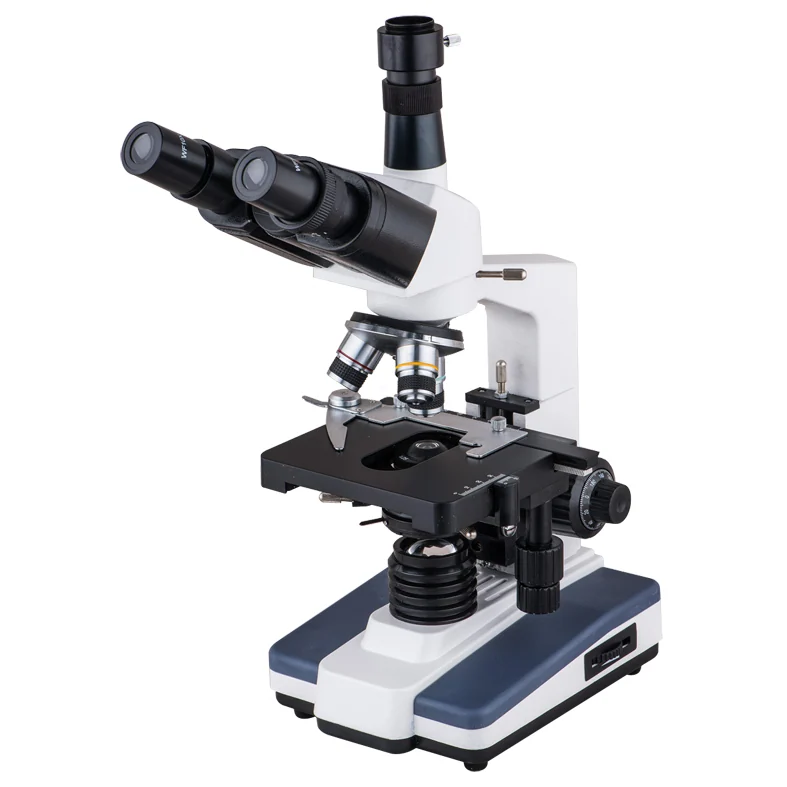
XP600 Student Chidren Biological Microscope for Laboratory Research
View Details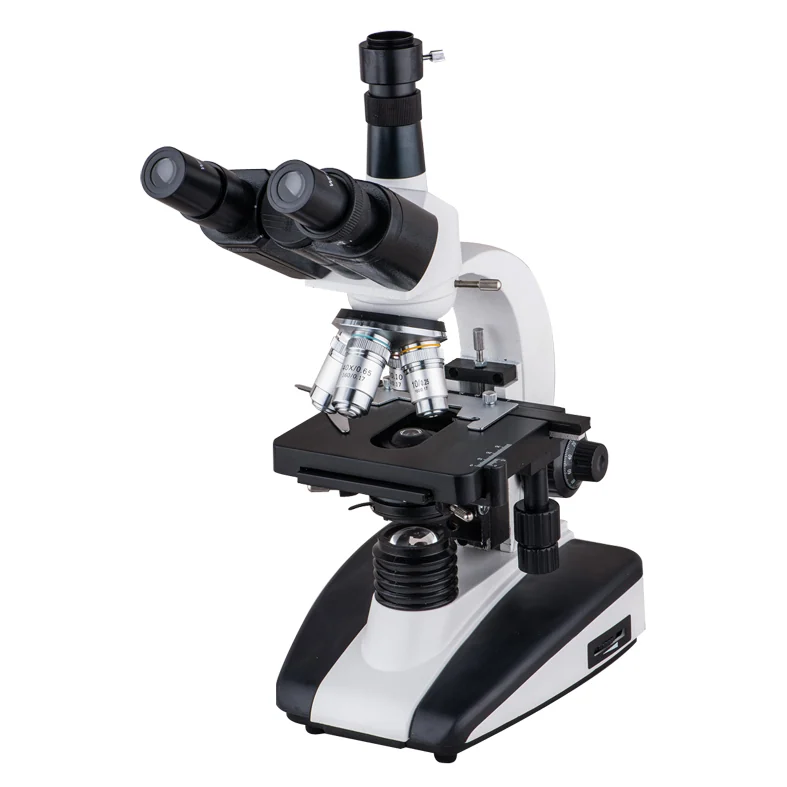
XP500 Student Chidren Biological Microscope for Specimen Observation
View Details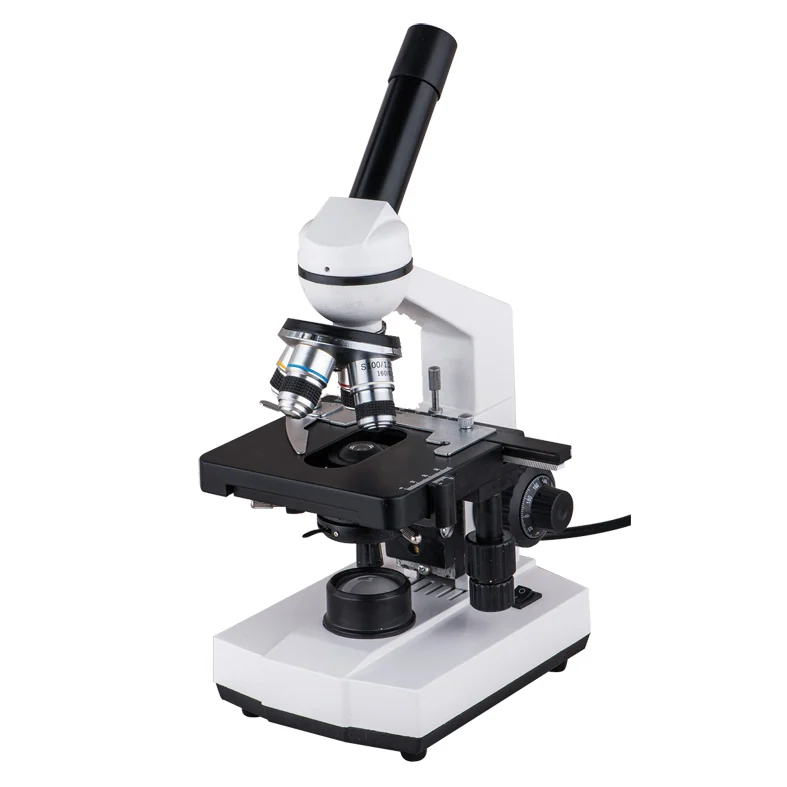
XP400 Student Chidren Biological Microscope for Educational Research
View Details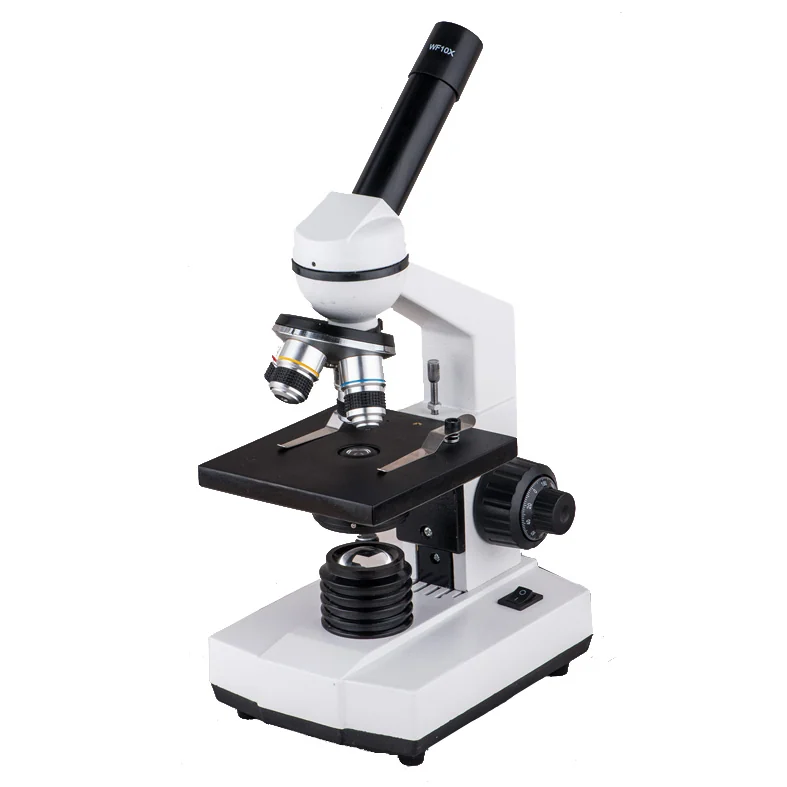
XP300 Student Chidren Biological Microscope for Laboratory Education
View Details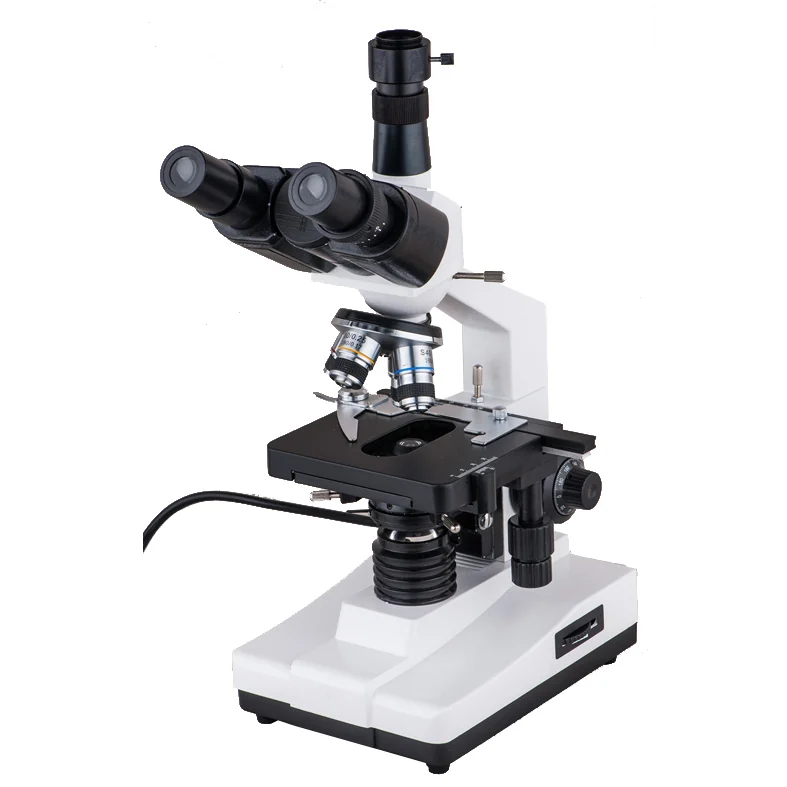
XP200 Chidren Biological Microscope for Students Labs Shcools Hospitals
View Details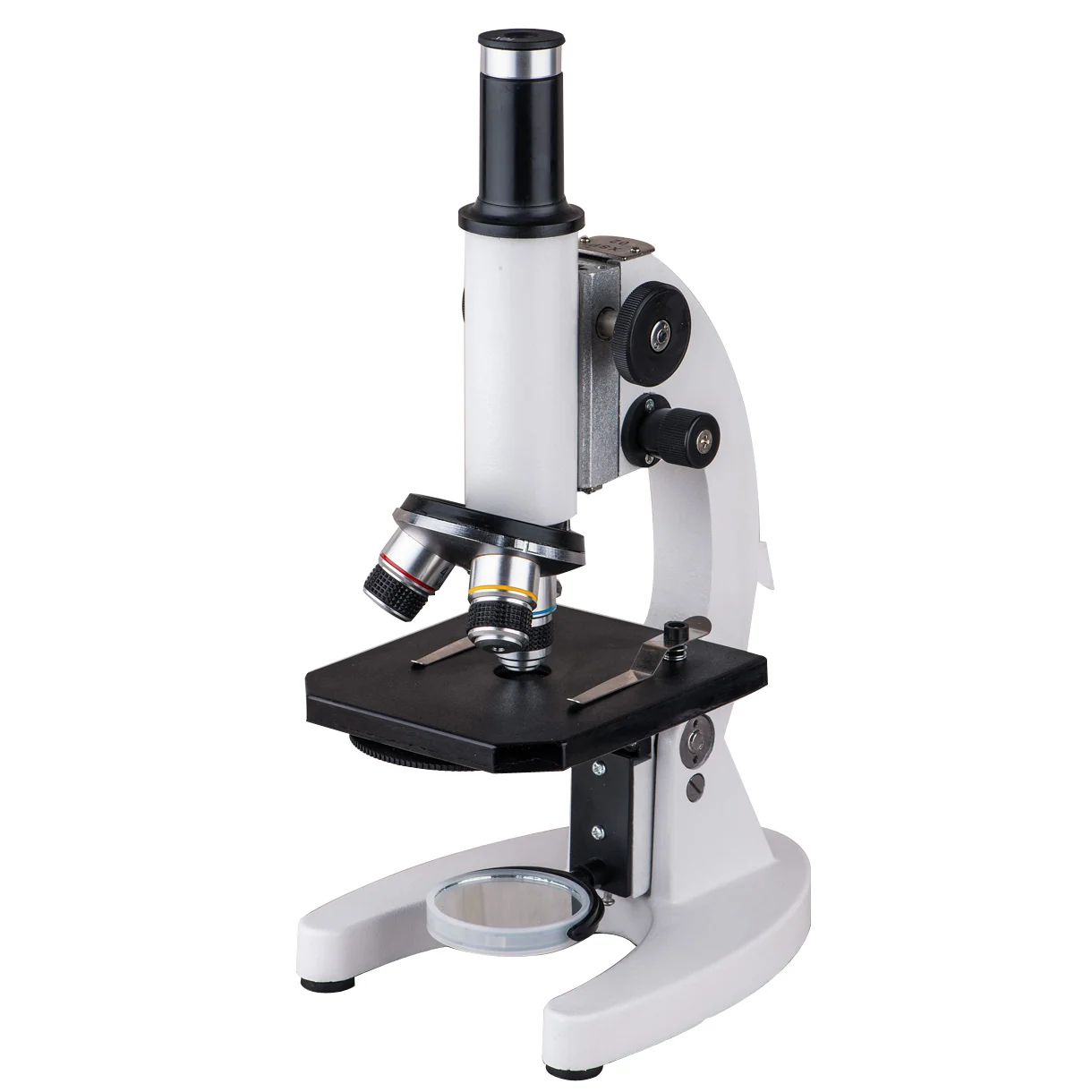
XP100 Student Chidren Biological Microscope for Shcool Hobbyists
View DetailsWhat Goes Wrong Without the Right XP Series
- Students struggle to see specimens clearly with low-magnification or poorly illuminated microscopes
- Classroom labs lack consistent magnification and focus across multiple instruments
- Teachers need a microscope that supports both single and dual viewing for group instruction
- Limited eye relief in standard eyepieces causes discomfort during extended use
- Lack of interchangeable eyepieces makes it hard to adapt to different user vision needs
Who Buys From This Category
- School science departments teaching biology and life sciences
- Hospital training labs for clinical observation and student nurses
- University teaching laboratories for introductory biology courses
- Educational institutions running after-school science clubs and hobbyist groups
- Low-budget research labs needing reliable, entry-level biological microscopes
Why These Items
- Achromatic objectives provide clear, distortion-free images at 4X, 10X, 40X and 100X magnification
- Wide field eyepieces (WF10X, WF16X) increase visible area and reduce eye strain
- Inclined viewing heads (45° or 30°) improve posture and comfort during long sessions
- Compensation-free binocular and trinocular heads maintain focus when switching eyes
- Trinocular models with 7-inch LCD screen allow real-time image capture and group viewing
- Dual viewing heads support both individual and shared observation in classrooms
Where These Are Used
- A biology teacher uses a monocular XP700 to demonstrate cell structure to a class of 30 students
- A nursing student observes blood smears under a binocular XP900 in a hospital training lab
- A high school student uses a trinocular XP800 to capture images of onion skin cells for a lab report
- A science club member sets up a dual viewing XP600 to share a live view of a water flea with a group
- A university lab uses an XP500 with WF16X eyepiece to examine fungal spores under high magnification
Before You Order
- Select the viewing head type based on whether individual or shared observation is needed
- Check if the eyepiece field size (WF10X or WF16X) matches the user's visual preference and task
- For oil immersion work, confirm that the 100X objective is spring-loaded and compatible with immersion oil
- Ensure the stage type (plain with moving scale) supports the specimen size and mounting method
- Order a trinocular model with 7-inch LCD if image capture and group viewing are required
Frequently Asked Questions
What magnification levels do the XP Series microscopes support?
All models support 4X, 10X, 40X (spring) and 100X (spring, oil) achromatic objectives.
Can I use WF16X eyepieces with all models in the XP Series?
WF16X eyepieces are available on some models. Check the specification table for each model to confirm availability.
Are the trinocular models compatible with digital cameras or screens?
Yes. The trinocular model with a 7-inch LCD screen includes a built-in display. Other trinocular models have ports for external digital cameras.
Do the binocular heads require eye compensation adjustment?
Yes. The compensation-free binocular heads maintain focus when switching between eyes without needing adjustment.
Is the 100X objective suitable for oil immersion?
Yes. The 100X objective is spring-loaded and designed for use with immersion oil.
Get A Price On XP Series
Send the model numbers you are considering, or describe the task and let us shortlist them for you.