
Guides for Specifying Hygienic Components
Standards, materials, surface finish, valve selection and joint assembly, written for the engineer who has to make the call and defend it later.
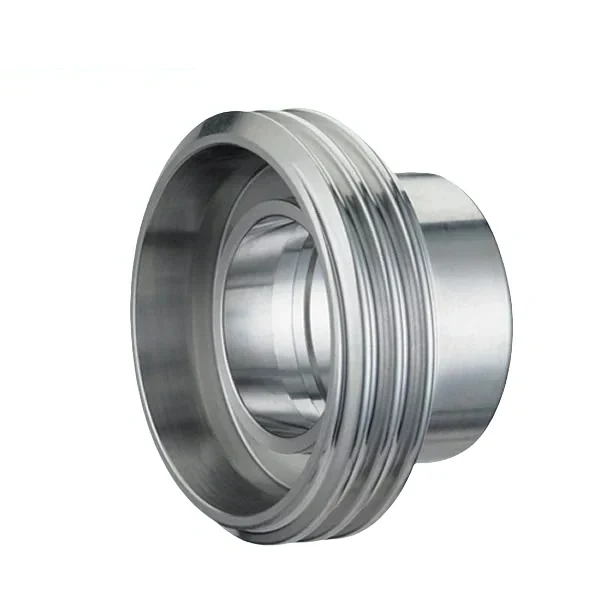
Sanitary Fitting Standards Compared AS1528 BS4825 DIN SMS and RJT
Six standards, one job. Here is what actually differs between them and how to tell which one your plant already uses before you order anything.
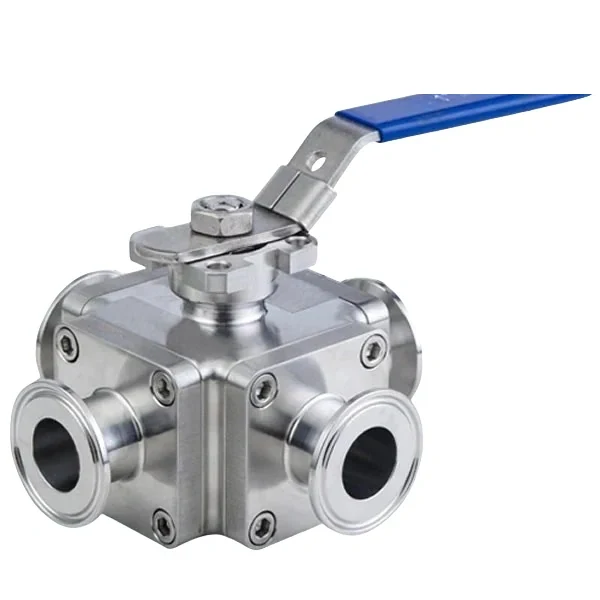
Read the guide →304 or 316L Stainless Steel for Hygienic Process Equipment
Both are supplied as standard on everything in this catalogue. The choice is about chlorides and welding, not about one grade being better than the other.
Read the guide →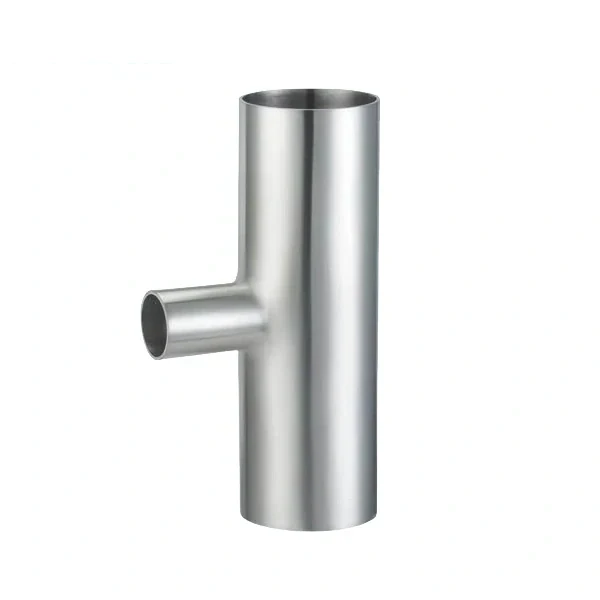
Surface Finish Ra and Why Polished Is Not a Specification
Ra 0.8 um is the standard finish on everything here, with Ra 0.6 um and Ra 0.4 um available. This is what the figure means and when paying for a finer one is justified.
Read the guide →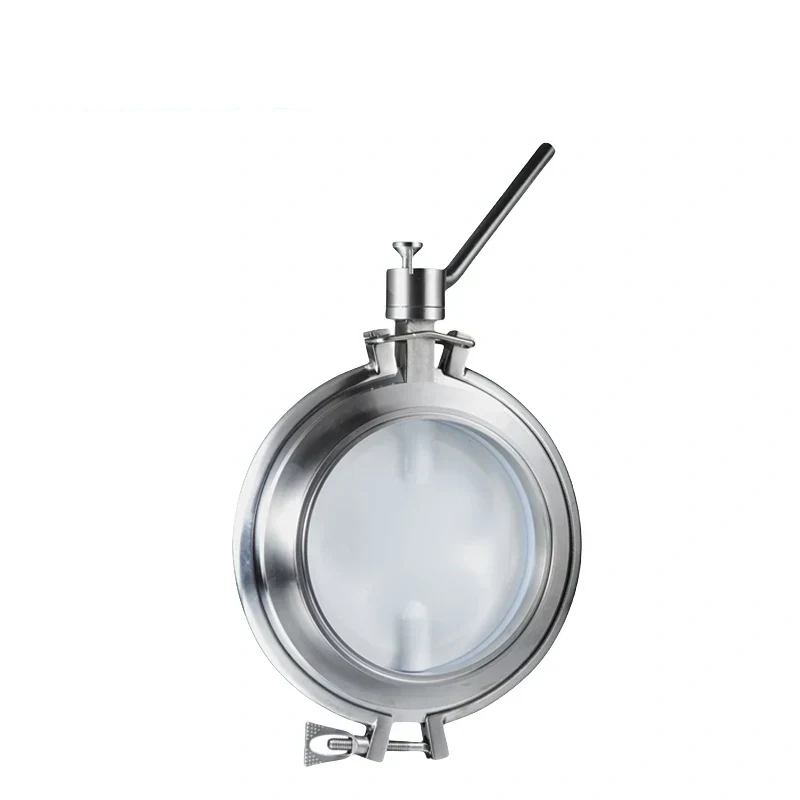
How to Choose Between Butterfly Ball Diaphragm and Check Valves
Four valve families, four different jobs. Picking on price rather than duty is how you end up with a valve that cleans badly or wears out in a season.
Read the guide →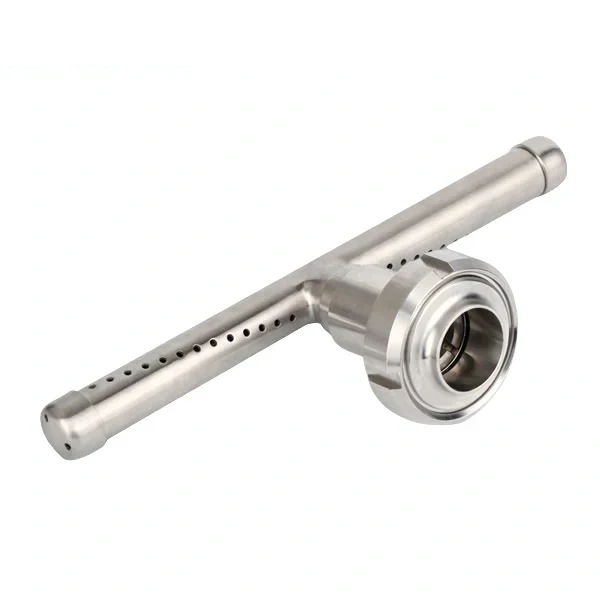
CIP Design Checklist for Hygienic Pipework
Most cleaning failures are layout problems, not chemistry problems. Work through this before the line is welded, because afterwards every fix is expensive.
Read the guide →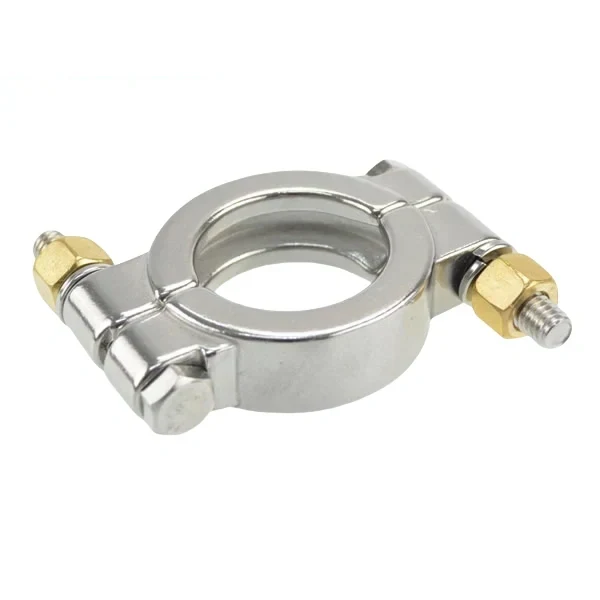
Making a Tri-Clamp Joint That Does Not Leak
The tri-clamp joint is three parts working together. When it weeps after a CIP cycle, it is almost always because one of the three was chosen or fitted wrongly.
Read the guide →Standards and Specification FAQ
The questions these guides were written to answer.
What sanitary standards do you manufacture to
AS1528, BS4825, DIN 11864, 3-A, SMS and RJT, suitable for food, dairy, beverage and pharmaceutical applications.
Do you provide dimensional drawings
Yes. Standard dimensional drawings are available for reference. For precise dimensions or project-specific requirements, contact our sales team for confirmation.
Can you customise products or provide OEM
Yes. We support OEM and custom manufacturing, including non-standard sizes, special connections and customised finishes.
What materials are available
Our standard materials are AISI 304 and AISI 316L stainless steel. Material certificates to EN 10204 3.1 can be provided on request.
Not Sure Which Standard You Are On
Send photographs with a rule in frame and the key dimensions. We identify the pattern and confirm it in writing before anything is manufactured.