
CIP Design Checklist for Hygienic Pipework
Most cleaning failures are layout problems, not chemistry problems. Work through this before the line is welded, because afterwards every fix is expensive.
On This Page
Keep Every Branch Short
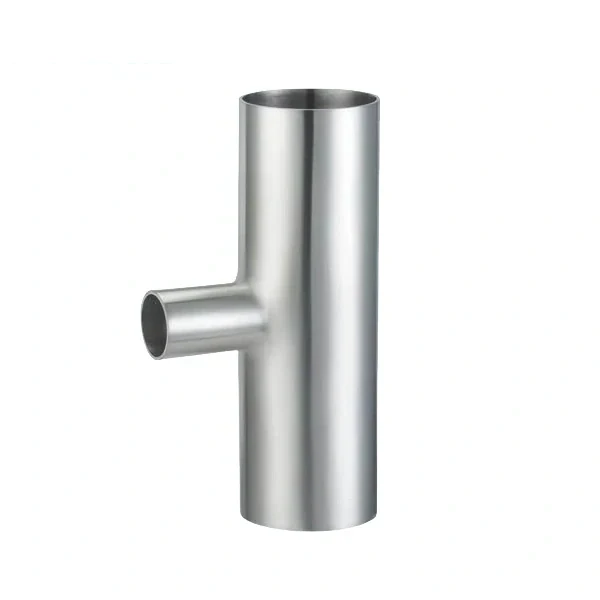
A dead leg longer than a few tube diameters will not reach cleaning temperature or velocity. Use short outlet tees at instrument and sampling points, and orientate branches so they drain back into the main run rather than upward into a pocket.
Make the Line Drain
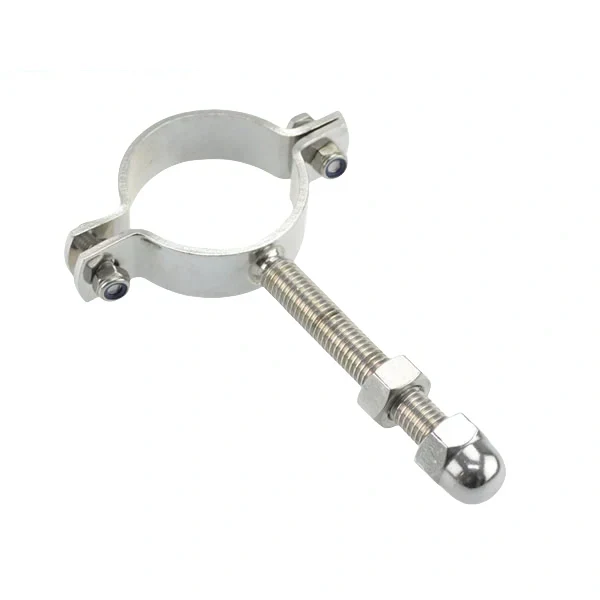
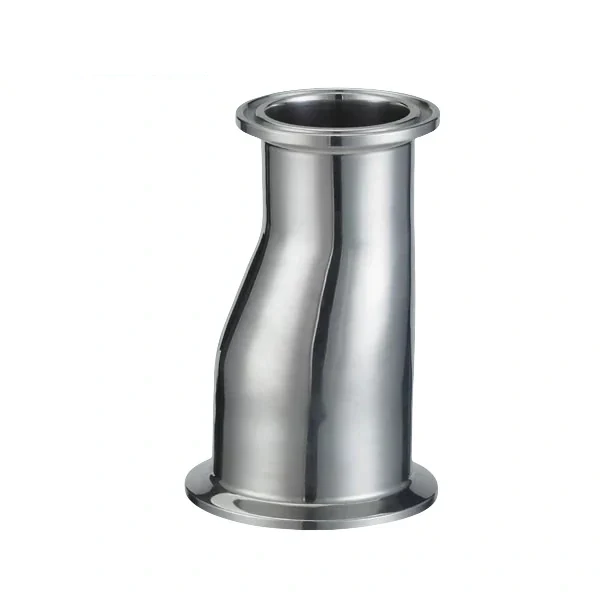
Set a consistent fall and support it. Use eccentric reducers on horizontal runs with the flat side down so there is no step holding liquid, and use hygienic pipe supports that hold the fall between them rather than letting the tube sag.
Remove Cavities at the Joints
Match clamps, ferrules and gaskets from the same range so the gasket sits in the groove and does not intrude into the bore. Where the duty is aseptic, use a crevice free joint geometry such as DIN 11864 rather than a general hygienic union.
Size the Tank Cleaning Device to the Pump
A spray device only works at the flow and pressure it was sized for. Check what your CIP pump actually delivers at the tank, not the pump curve. In tall vessels or vessels with agitators and baffles, a rotating head covers what a fixed ball shadows.
Match Elastomers to the Cycle
EPDM for hot water and caustic, silicone for high temperature steam contact, PTFE for aggressive chemicals, Viton for oils and fats. A seal chosen by default rather than by duty is the item that fails first and takes a batch with it.
Record What Went In
Note standard, size, material, finish and seal material against each component. Without that record, the first cleaning investigation starts with someone dismantling joints to find out what is installed.
Items Covered In This Guide
Questions On This Topic
How long is too long for a dead leg
The shorter the better, and the usual working rule is to keep the branch length within a few tube diameters of the main line. The practical answer is to use a short outlet tee and orientate the branch so it drains, rather than to argue about the ratio.
Does a rotating spray head always beat a fixed ball
No. In small, simple, open vessels a fixed ball is reliable and there is nothing to wear. Rotating heads earn their place in tall vessels and around internals where a static spray pattern leaves shadows.
Want This Checked Against Your Line
Send the drawing, the line list or a photograph of the joint you are trying to match. We confirm the specification in writing before quoting.