
Sanitary Fitting Standards Compared AS1528 BS4825 DIN SMS and RJT
Six standards, one job. Here is what actually differs between them and how to tell which one your plant already uses before you order anything.
On This Page
Why the Standard Matters More Than the Nominal Size
Two fittings can both be called 2 inch and still not join. The standards differ in tube outside diameter, wall thickness, ferrule flange geometry and thread form. A joint made between two standards either leaks or leaves a step in the bore where product collects. Decide the standard first, then the size.
Where Each Standard Is Used
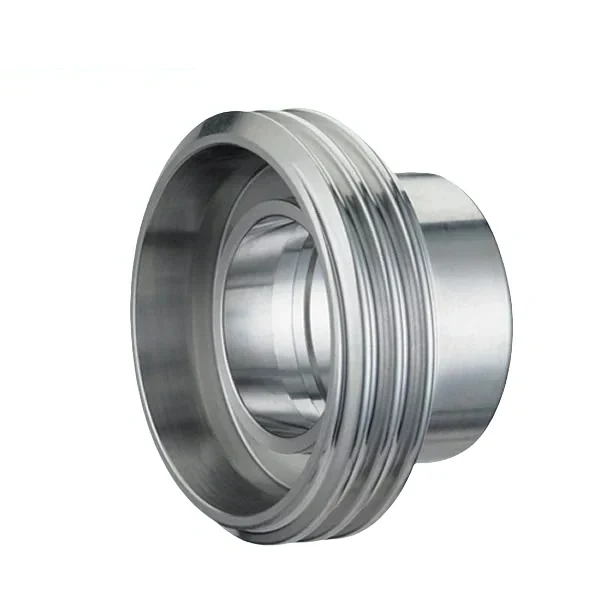
AS1528 is the Australian hygienic series. BS4825 is used in the United Kingdom and across Europe. DIN 11864 is the German aseptic series, with DIN 11851 as the widely used general hygienic union. SMS is the Scandinavian series common in dairy plant. RJT is a long established British union pattern still found in food and brewing. 3-A is a United States sanitary standard covering design and finish for dairy and food equipment.
Aseptic Versus General Hygienic
DIN 11864 exists because a general hygienic union still leaves a small crevice at the seal. The aseptic series changes the seal geometry so the joint is crevice free, which is what pharmaceutical and aseptic processing needs. It costs more and is worth it only where the duty demands it.
How to Identify What You Already Have
Measure the tube outside diameter, the ferrule flange diameter, and for unions the thread major diameter and pitch. Photograph the liner seat profile straight on with a rule in frame. Those four pieces of information are enough for us to identify the standard and confirm it before anything is manufactured.
Mixing Standards Deliberately
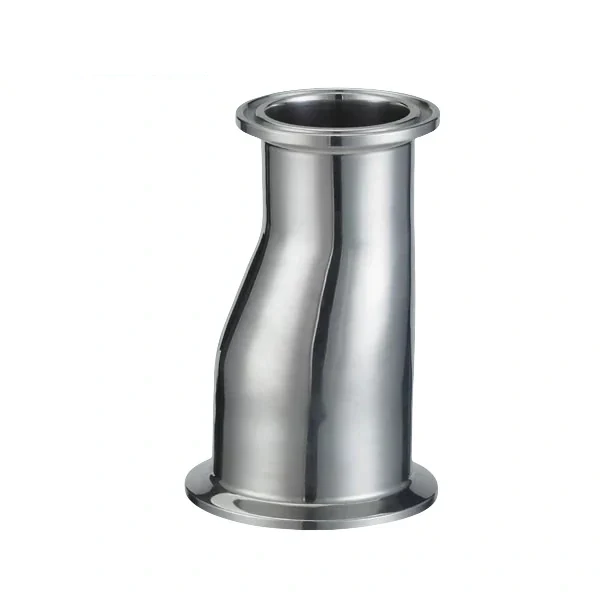
Sometimes two standards have to meet, for example a machine built to DIN being installed on a tri-clamp plant. Do that at a single, documented transition fitting made with a different standard at each end, rather than at an improvised joint on site.
Related Categories
Questions On This Topic
Can I use a BS4825 clamp on a DIN ferrule
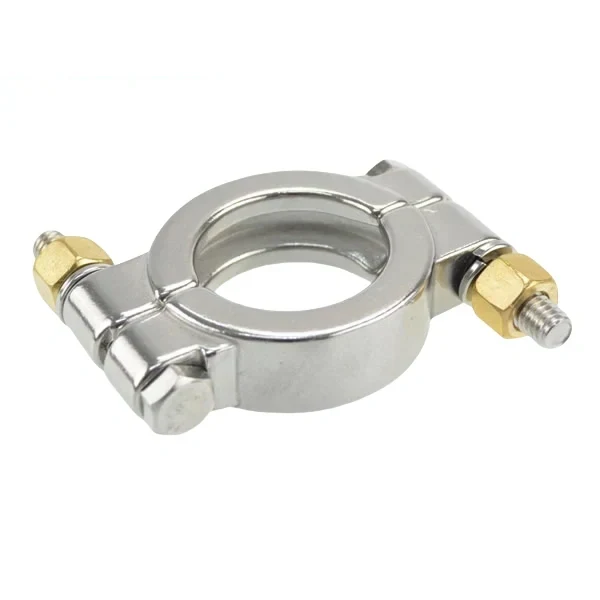
Not reliably. The flange geometry differs and the clamp will not close square on the joint, which is how gaskets extrude and joints weep. Match the clamp to the ferrule standard.
Which standard should I specify for a new line
Match the standard already dominant in the plant, or the standard used in the market the machine ships to. If the line is new and there is no constraint, choose the standard your maintenance team can buy spares for locally.
Want This Checked Against Your Line
Send the drawing, the line list or a photograph of the joint you are trying to match. We confirm the specification in writing before quoting.