
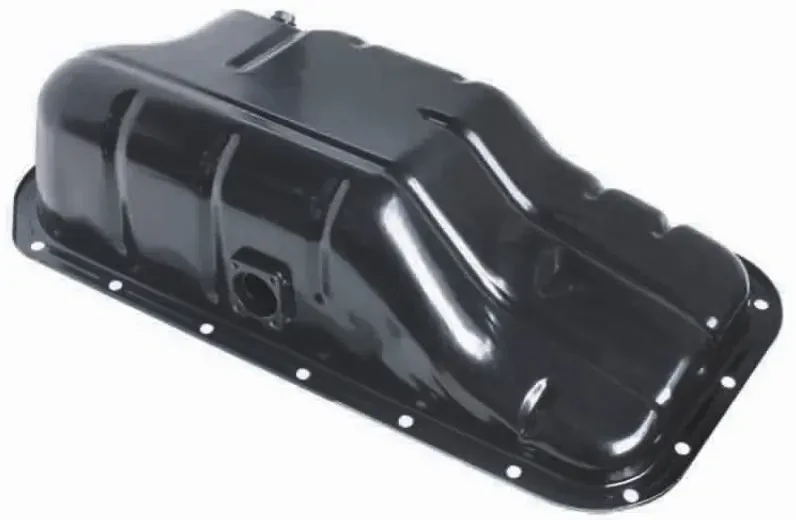
Most replacement pans that leak were fitted badly, not made badly. The three things that decide whether a pan seals are flange flatness, correct sealant or gasket for the joint design, and a torque sequence that loads the flange evenly from the centre outwards.
Flange Flatness
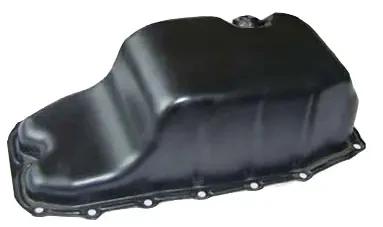
The flange has to be flat across its full perimeter, and so does the mating face on the block. A flange distorted by a previous impact, by over-torqued bolts, or by being levered off with a screwdriver will not seal, and no amount of sealant will rescue it. Check a new pan on a known-flat surface before it goes on the vehicle, and check the block face with a straight edge.
Gasket, RTV or Both
| Joint design | What it needs | Common mistake |
|---|---|---|
| Moulded rubber or composite gasket | Gasket dry or lightly retained, bolts to spec | Adding RTV on top of a moulded gasket |
| RTV only | Continuous uninterrupted bead, assembled inside the cure window | Too much sealant, squeezing into the sump |
| Paper or cork gasket | Even clamp load, re-torque after heat cycling | Over-torque, which crushes the gasket and distorts the flange |
| Gasket plus corner sealant | Sealant only at the specified corner junctions | Sealant along the whole run |
Which one applies is a property of the engine, not the pan. Follow the engine manufacturer's procedure.
Torque Sequence
- Clean both faces completely — old gasket material, oil film and thread locker all have to go
- Fit the pan dry and check it sits flat before any sealant is applied
- Run every bolt finger tight first, so the pan is located but not loaded
- Torque from the centre of each long side outwards, alternating sides, in at least two passes
- Respect the sealant cure time before filling with oil
- Re-check torque after the first heat cycle where the manufacturer specifies it
Why Packing Matters Here
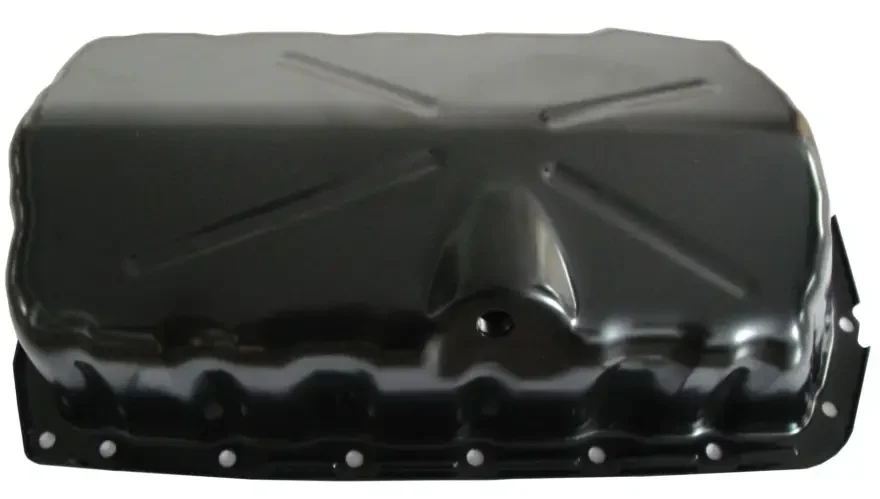
A pan can be manufactured perfectly and arrive unusable if the flange was bent in transit. That is why flange protection, not overall carton strength, is the thing worth specifying when you agree packing for a container of pans.
More From the Knowledge Centre
Oil Level Sensor Hole Variants and Why They Matter
Why two pans with almost the same number are not interchangeable when one has an oil level sensor boss and the other does not.
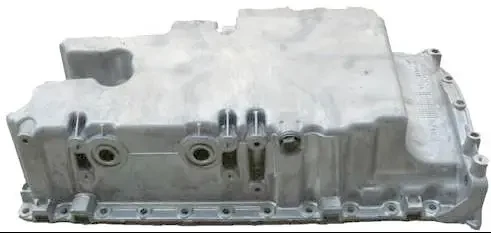
Upper and Lower Two Piece Oil Pans
What an upper pan does that a lower sump does not, and how to avoid ordering the wrong half of a two-piece system.
Die Casting Sand Casting and Gravity Casting for Engine Parts
The three casting methods listed in the RUIFAN process sheet, what each one is good for, and how the choice shows up in the finished part.
About This Guide
Where does the information in this guide come from?
Content marked as published on the original RUIFAN website is reproduced from the archived site with the date it carried. Everything else is general engineering background written for this site. Company facts, capacities and certifications are only stated where RUIFAN recorded them.
Can RUIFAN help me identify a part I cannot name?
Yes. Send the number on the old part, the vehicle and engine code, and photographs of the flange face and drain boss side. We check it against the 136 catalogue records and tell you if it is there.
Do you publish the catalogue data behind these guides?
Yes. Every reference has its own page carrying the OE number, alternate numbers, notes and application table the original database stored for it.
What if the part I need was never in the catalogue?
The original RUIFAN site stated the factory develops oil pans and other aluminum castings from customer-supplied samples or drawings.
Put This Into an Enquiry
Send the reference, the vehicle and the quantity. We will confirm against the catalogue before quoting.