
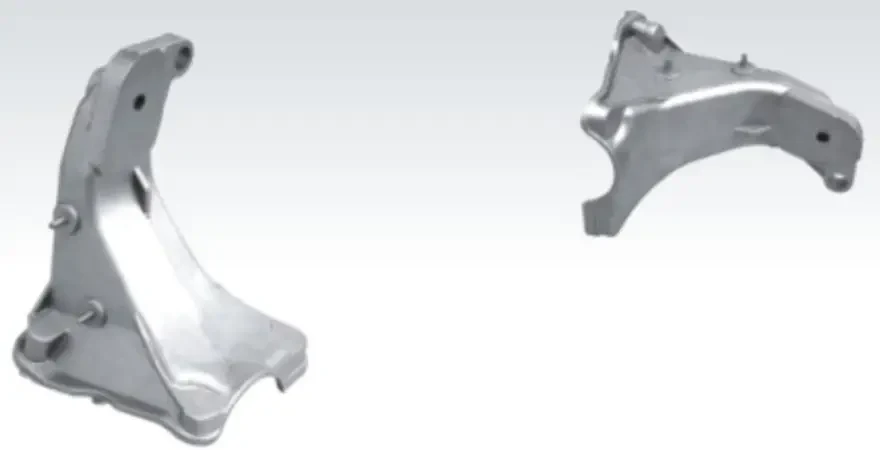
The oil pan, also called the oil sump, is the reservoir bolted to the bottom of the engine block. It holds the engine oil when the engine is not running and collects it as it drains back down from the moving parts above. Every wet-sump engine has one, and its shape is specific to the engine it was designed around.
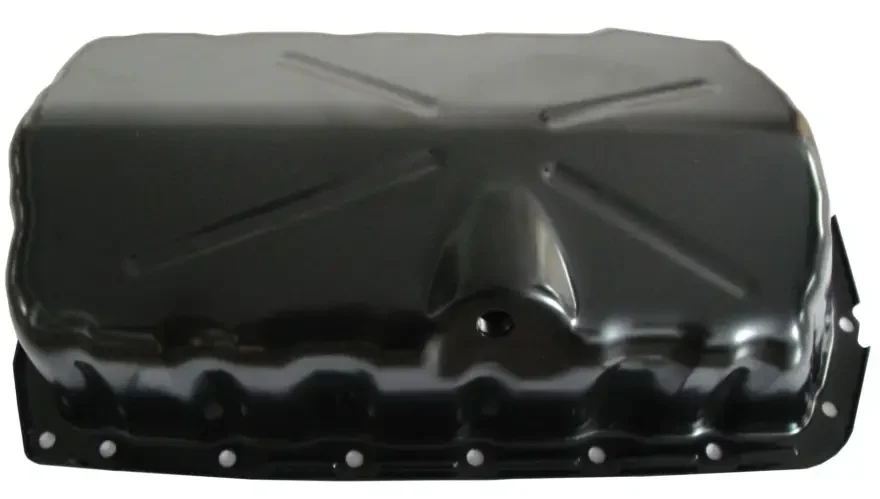
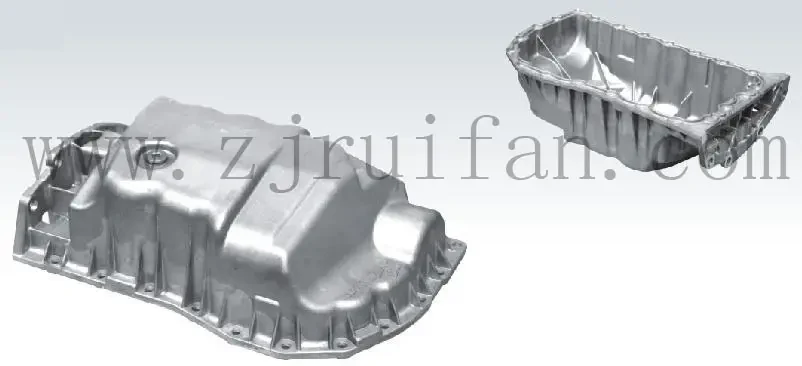
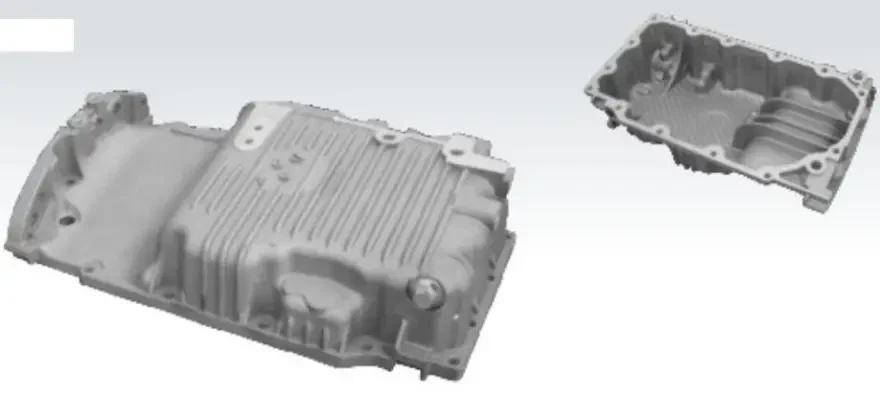
Published on the original RUIFAN website, 11 August 2009: The oil pan is typically located underneath your vehicle at the bottom of your engine block. It is made of metal but is not flat like some cooking pans. It is concave and looks more like a reservoir with a bump on it. The purpose of the oil pan is to hold or contain the motor oil that circulates through your engine. As the motor oil flows through engine components to assist in combustion, a good portion of it works its way down to the oil pan, especially when the car is off. The other oil stays within the engine block keeping the internal components properly coated. Once running again, your car will re-circulate the motor oil assuring proper lubrication.
What the Pan Has to Do Besides Hold Oil
Holding a volume of oil is the easy part. The pan also has to keep the oil where the pump pickup can reach it while the vehicle brakes, accelerates and corners, which is why most pans have a deep section under the pickup and internal baffles or a stepped floor to stop the oil sloshing away from it.
It seals the bottom of the crankcase against a flange that has to stay flat for the life of the engine. It carries the drain plug and its thread. On many modern engines it also carries the oil level sensor, and on a good number of aluminum pans it is a structural member that ties the block to the gearbox bell housing.
Why Shape Is Not Optional
Because the pan has to clear the crankshaft counterweights, the sub-frame, the steering rack and the exhaust, its profile is dictated by everything around it. That is why a pan is never generic. Two engines from the same family, mounted in different vehicles, often take different pans.
- Depth and floor profile are set by crankshaft and sub-frame clearance
- Flange pattern and bolt count are set by the block
- Drain boss position is set by how the vehicle sits and where a workshop can reach
- Sensor boss presence is set by the engine management specification
Steel or Aluminum
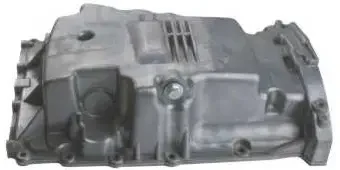
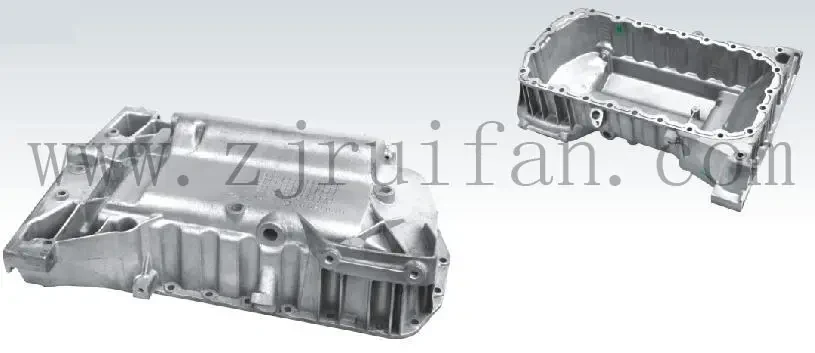
Drawn steel pans are pressed from sheet, which makes them light, cheap to tool at volume and forgiving of impact — they dent rather than crack. Cast aluminum pans are stiffer, dissipate heat better and can carry structural load between the block and the gearbox, which is why they appear on engines where the pan is part of the load path. The RUIFAN catalogue contains both.
More From the Knowledge Centre
What Can Go Wrong With My Oil Pan
Impact damage, worn gaskets and contamination — the three failure modes the original RUIFAN guide identified, with sourcing notes added.
How Will I Know I Have a Bad Oil Pan
How a failing oil pan announces itself, why a dent is usually not an emergency, and when replacement is the right call.
Do They Make Different Oil Pans
Why engine code, sensor-hole configuration and drain-plug position decide fitment, and how to use an OE number properly.
About This Guide
Where does the information in this guide come from?
Content marked as published on the original RUIFAN website is reproduced from the archived site with the date it carried. Everything else is general engineering background written for this site. Company facts, capacities and certifications are only stated where RUIFAN recorded them.
Can RUIFAN help me identify a part I cannot name?
Yes. Send the number on the old part, the vehicle and engine code, and photographs of the flange face and drain boss side. We check it against the 136 catalogue records and tell you if it is there.
Do you publish the catalogue data behind these guides?
Yes. Every reference has its own page carrying the OE number, alternate numbers, notes and application table the original database stored for it.
What if the part I need was never in the catalogue?
The original RUIFAN site stated the factory develops oil pans and other aluminum castings from customer-supplied samples or drawings.
Put This Into an Enquiry
Send the reference, the vehicle and the quantity. We will confirm against the catalogue before quoting.