
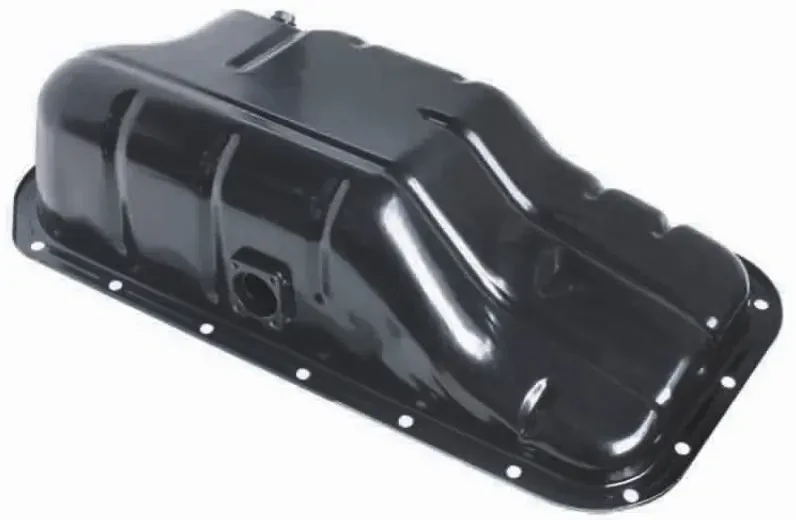
Three things account for almost every oil pan failure: impact damage from the road, a worn or badly fitted gasket, and corrosion. Of the three, only impact damage is usually obvious from underneath. The other two announce themselves as a slow leak that gets worse.
Published on the original RUIFAN website, 11 August 2009: The most common causes of oil pan problems are physical damage like bottoming out or hitting debris on the road. Another typical issue would be worn gaskets which cause the oil pan to leak out vital engine lubrication. Oil pans can also begin to hold particles and corrosion brought in from your engine block and internal components, but those particles do not usually circulate back through the motor as there is an oil filter designed to keep them out.
Impact Damage
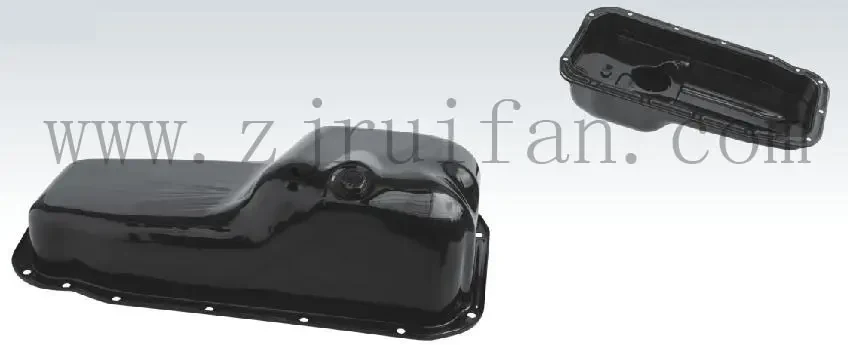
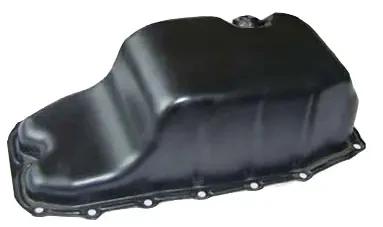
The pan is the lowest point of the engine, so it meets the kerb, the speed bump and the road debris first. A drawn steel pan usually absorbs this as a dent. That is not automatically a failure — but a dent deep enough to reduce the sump volume, or one that has pushed metal close to the oil pump pickup, is.
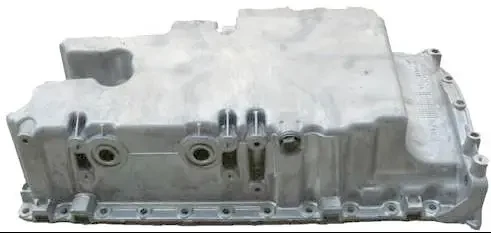
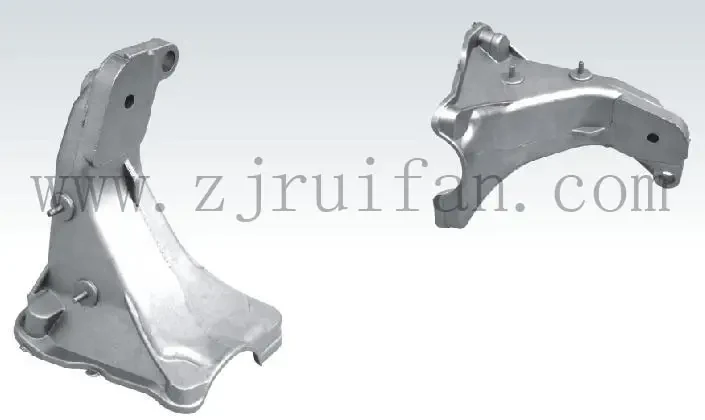
Cast aluminum pans behave differently. Aluminum does not dent, it cracks, and a hairline crack in a casting will weep oil under pressure and heat long before it is visible as a hole.
Gasket and Flange Problems
The pan seals against the block on a flange that has to be flat. A flange that has been distorted by over-torqued bolts, by a previous impact, or by being prised off with a screwdriver will not seal again, no matter how good the new gasket is. This is the single most common reason a replacement pan leaks after fitting.
Corrosion and Contamination
Steel pans corrode from the outside, from road salt and standing water, and the corrosion usually starts at the seam or at the drain boss. Internal contamination is a different problem: the sump is where debris settles, and finding metal in a drained sump tells you something about the engine above it, not about the pan.
Stripped Drain Plug Threads
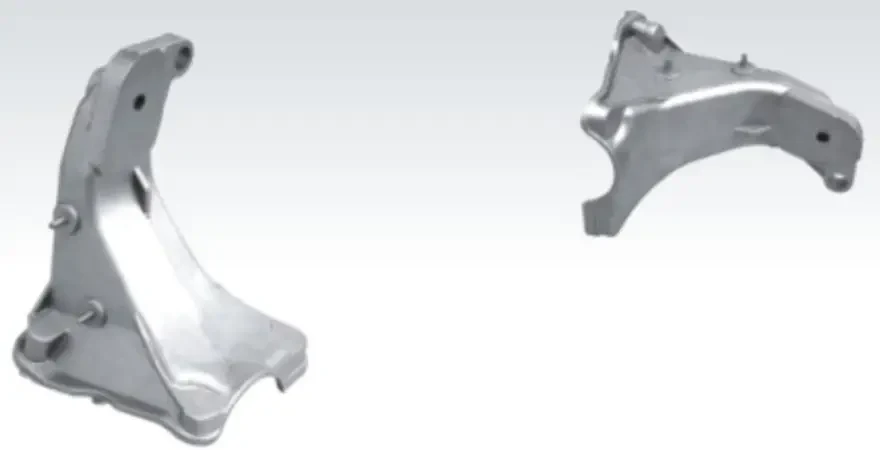
Not mentioned in the original 2009 guide but worth adding: a drain boss whose thread has been stripped by repeated over-tightening is a common reason a perfectly sound pan gets replaced. Oversize plugs and thread inserts are a repair, not a fix, and on a fleet vehicle replacing the pan is usually cheaper than doing the repair twice.
More From the Knowledge Centre
Do They Make Different Oil Pans
Why engine code, sensor-hole configuration and drain-plug position decide fitment, and how to use an OE number properly.
Stamped Steel vs Cast Aluminum Oil Pans
How a drawn steel pan and a cast aluminum sump differ in structure, failure mode and repairability, and what that means when you source a replacement.
How to Read an OE Oil Pan Number
Reading VW-group, Toyota 12101, Honda 11200 and PSA oil pan numbers, and what each segment actually tells you about fitment.
About This Guide
Where does the information in this guide come from?
Content marked as published on the original RUIFAN website is reproduced from the archived site with the date it carried. Everything else is general engineering background written for this site. Company facts, capacities and certifications are only stated where RUIFAN recorded them.
Can RUIFAN help me identify a part I cannot name?
Yes. Send the number on the old part, the vehicle and engine code, and photographs of the flange face and drain boss side. We check it against the 136 catalogue records and tell you if it is there.
Do you publish the catalogue data behind these guides?
Yes. Every reference has its own page carrying the OE number, alternate numbers, notes and application table the original database stored for it.
What if the part I need was never in the catalogue?
The original RUIFAN site stated the factory develops oil pans and other aluminum castings from customer-supplied samples or drawings.
Put This Into an Enquiry
Send the reference, the vehicle and the quantity. We will confirm against the catalogue before quoting.