
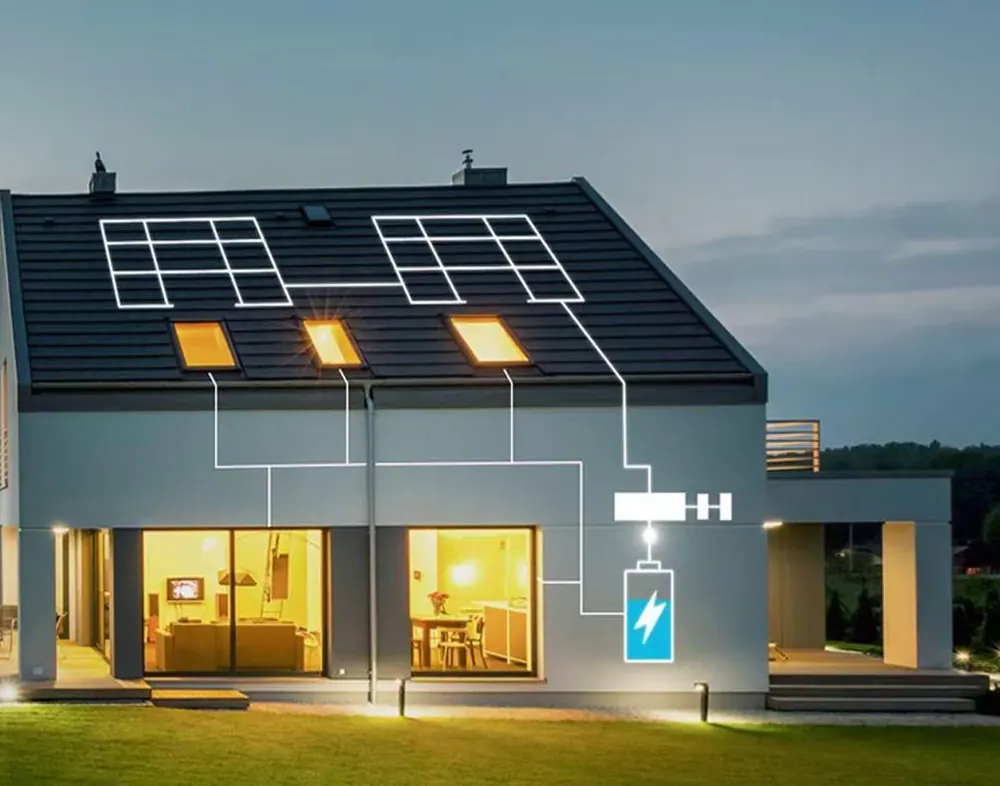
Why we standardised the residential ESS line on LiFePO4.
Storage units don't just need to be cheap — they need to be safe, predictable, and warranted. We explain why lithium iron phosphate is now the only chemistry we ship for home use.
In this article
When ZCForest's residential energy storage line was first developed, the market featured a mix of lithium chemistries — NMC, NCA, LMO, and LFP among them. Each had partisans, each had a reasonable engineering case, and each had a place in the product mix. In 2026, that picture has simplified dramatically: we now ship lithium iron phosphate (LFP, formally LiFePO4) for the entire residential range, full stop.
This piece explains why. It's a deliberately engineering-focused take, but the conclusions matter to anyone specifying or buying a home battery.
The case against high-energy-density chemistries at home
The traditional argument for NMC and similar chemistries in residential applications was energy density — for a given capacity, an NMC pack is smaller and lighter than an equivalent LFP pack. In a context where wall-mounting space and aesthetic constraints matter, this seemed like the right tradeoff.
Three things have changed that calculus:
- LFP energy density has improved. Cell-to-pack architectures have closed most of the volumetric gap, and the gap that remains is rarely the binding constraint in residential installations.
- Cycle life expectations have increased. Home batteries are now expected to last 15–20 years, not 8–10. LFP's cycle life advantage compounds dramatically over those longer time horizons.
- Safety expectations have changed. Building codes, insurance requirements, and customer expectations have all moved toward chemistries with more benign thermal-runaway behaviour. LFP is meaningfully safer here than nickel-rich alternatives.
What "safer" means in practice
The phrase "thermal runaway" gets used loosely. Concretely, it refers to the cascade of self-heating chemical reactions that can occur in a damaged or abused lithium cell, releasing heat and flammable gases. All lithium chemistries can experience thermal runaway under sufficient abuse, but the threshold and the energy released differ significantly.
For a home battery — installed in a garage, utility room or against an exterior wall, often near where people sleep — that difference matters. It's not the only factor in safe design (pack-level venting, BMS protection layers, fire suppression, and installation practice all matter enormously), but it's a strong tailwind.
The cycle-life argument
A home battery that delivers 6,000+ cycles to 80% state-of-health is meaningfully different from one that delivers 3,500 cycles. At one cycle per day — a reasonable expectation for a self-consumption-driven system — that's 16 years versus less than 10. Customers are increasingly buying batteries with the expectation that they'll outlast the inverter and possibly the roof, and LFP is the only chemistry that comfortably meets that bar at residential price points.
The cost argument has flipped
In 2020, NMC was cheaper per kWh than LFP. In 2026, LFP is meaningfully cheaper, and the gap is widening. Combined with the cycle-life advantage, the levelised cost of stored energy ($/kWh-throughput) for LFP is now significantly below NMC for residential duty cycles.
Where this leaves us
Standardising the residential line on LFP is the simplest decision we've made in years. It improves safety, extends warranty coverage, lowers cost per kWh-throughput, and meaningfully reduces operational and end-of-life risks for installers and homeowners alike. The only meaningful tradeoff — slightly larger physical pack volume — is rarely the binding constraint.
For installers and homeowners specifying systems today: there's a strong case to require LFP, full stop, and to be sceptical of nickel-rich chemistries at residential scale. We're happy to discuss specifics for any project.
Keep reading
More from the knowledge centre
 Industry
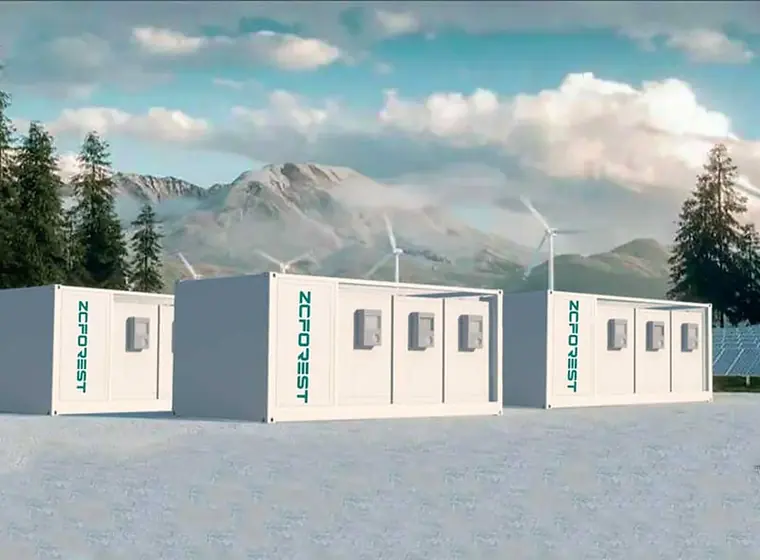
LFP cell prices touch a fresh low — what it means for storage economics in 2026.
Lithium iron phosphate prismatic cells have crossed below new spot-price thresholds, making 2-hour C&I storage payback periods viable in a dozen new m…
 Policy
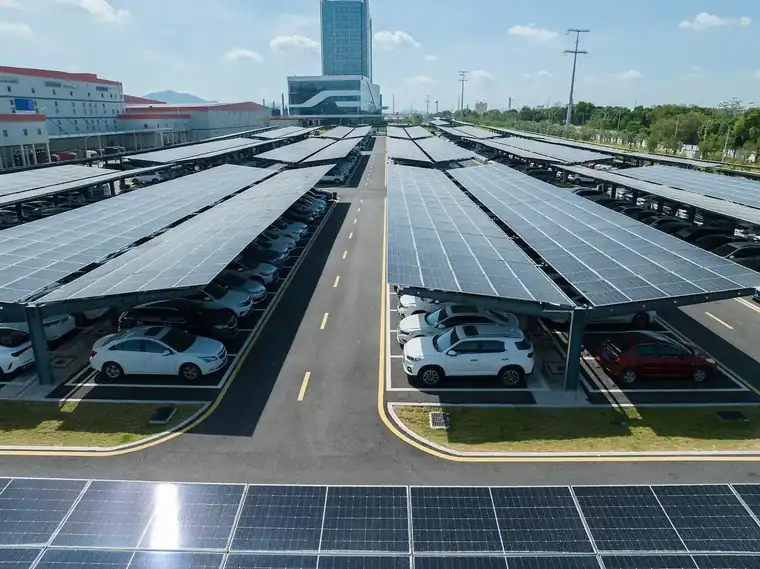
Southeast Asian incentives for solar-storage-charging stations gather pace.
Several ASEAN governments have moved to subsidise integrated PV + battery + EV charging deployments. We summarise what's available where, who qualifie…
 Industry
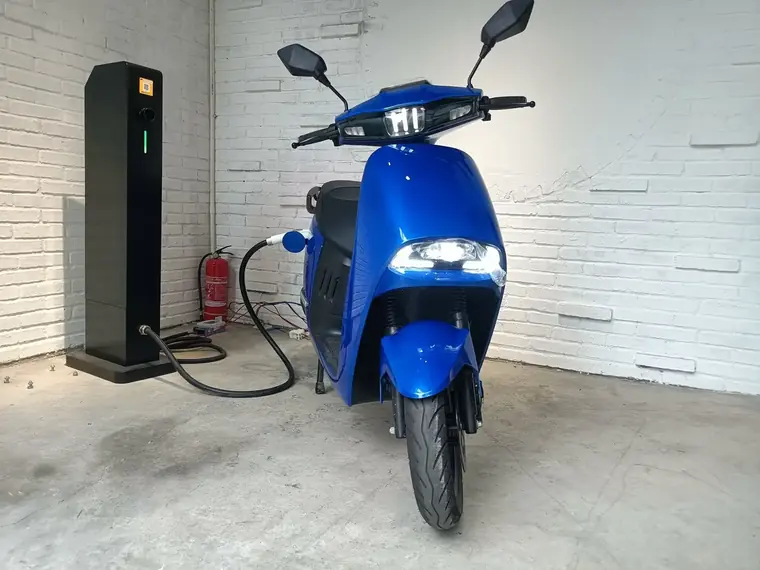
The vehicle-to-grid window is opening in select markets.
With several OEMs shipping bidirectional EVs and CPO platforms enabling V2G arbitrage, we look at the practical rollout — what's working, what's stuck…
Does this apply to your project?
Send the site and the numbers. We will tell you where this analysis holds and where it does not.