
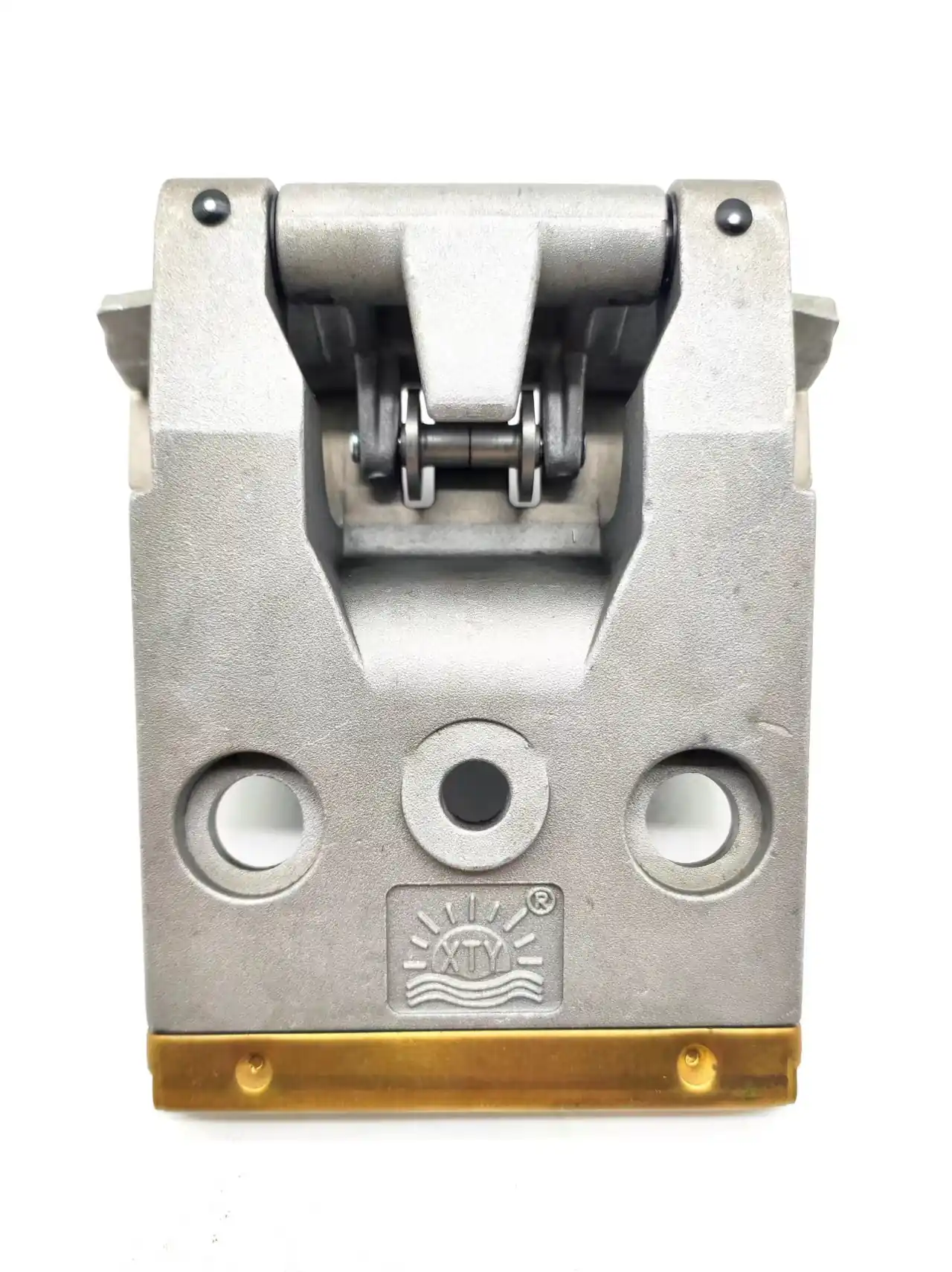
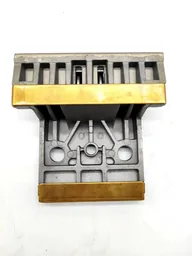
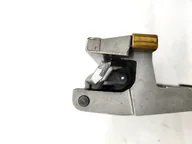
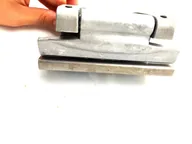
Monforts Stenter Clip Type 3
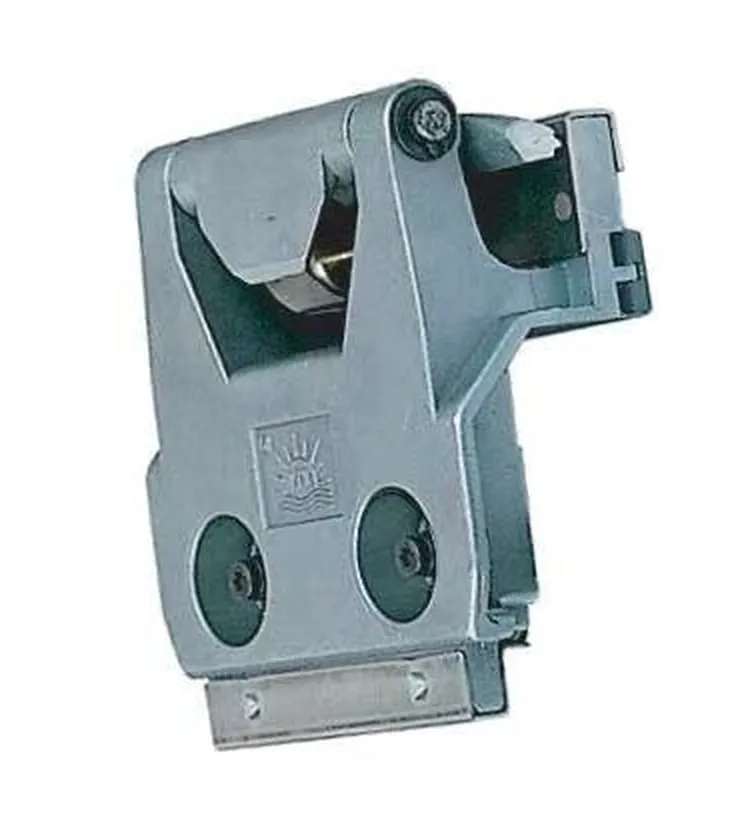
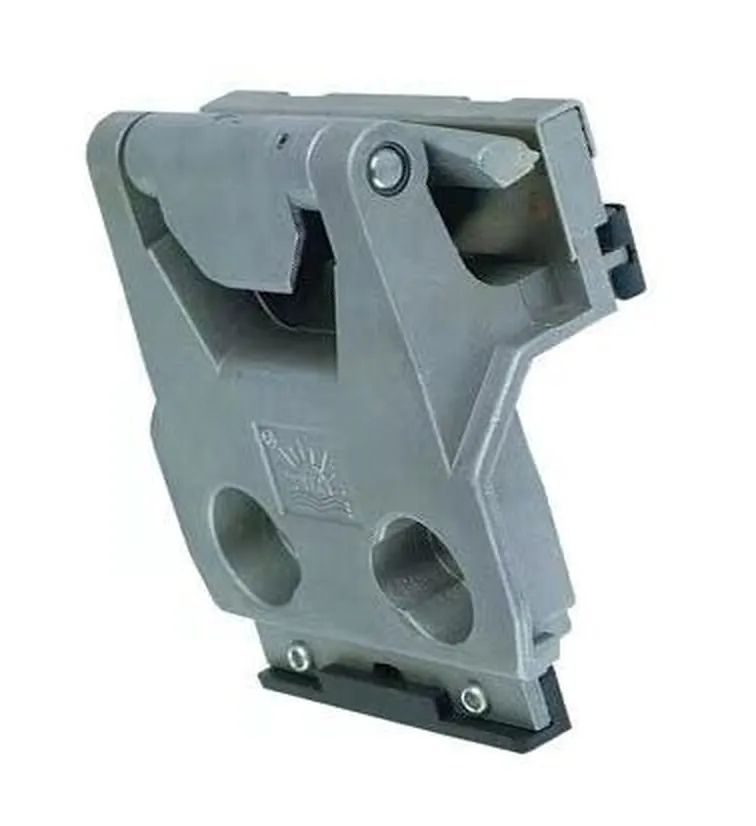
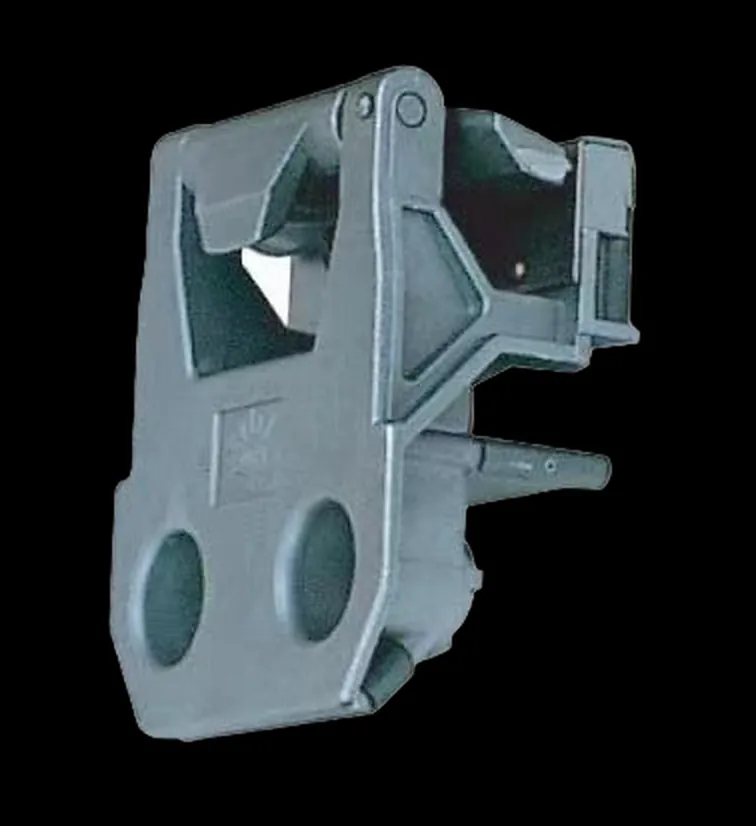
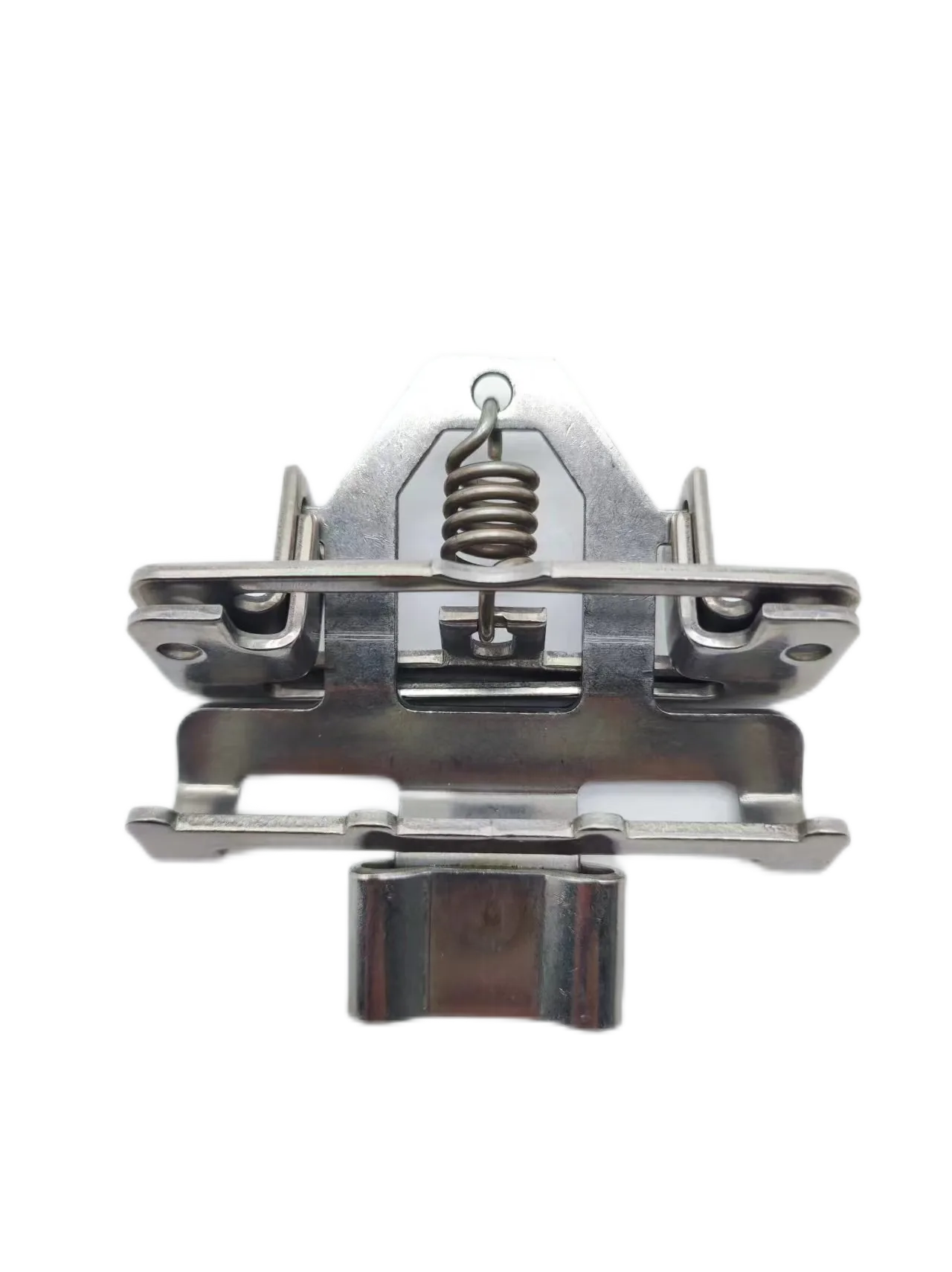
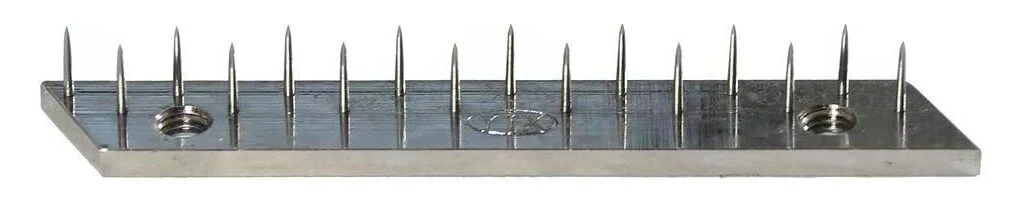
Clip for Monforts clip stenters. Stenter machines split into clip stenters and pin stenters. The advantage of a clip is that the edges of the cloth stay relatively flat, which suits thicker fabrics. A clip stenter needs a definite edge to grip, preferably a selvedge, so it is usually confined to woven fabrics. The clip starts open. When the cloth enters, the knife of the clip closes and holds the cloth tightly. At the end of the machine the clip opens again and releases the fabric. This is the third Monforts clip reference we hold, in silver-finish metal.
Key Benefits
- Keeps the cloth edge relatively flat, which is what clip stenters are chosen for
- Knife closes on the selvedge at entry and releases at the delivery end
- Suits thicker woven fabrics that a pin rail would mark
- Held as a standard line with 7 day delivery
Application Scenarios
- Woven finishing ranges where pin marks are not acceptable
- Heavier fabrics that need a flat edge
- Clip rails being rebuilt at a shutdown
Who It Is For
- Woven fabric finishers running Monforts clip stenters
- Maintenance teams rebuilding a clip rail
- Machinery dealers holding clip stock for local mills
Problems It Solves
- Clips that no longer close fully letting the selvedge slip, so the fabric loses width.
- Worn knife edges cutting or fraying the selvedge instead of gripping it.
- Clips failing to reopen at the delivery end and dragging the fabric edge.
Technical Features and Specifications
Every figure below comes from the part itself. Where a dimension is not listed, it is because we match it against your sample rather than publish a number we cannot stand behind.
Technical Features
- Metal construction, silver finish
- Application: clip stenter
- Knife closes on the cloth at entry, reopens at the delivery end
- Made in Zhejiang, China
Specifications
| Application | clip stenter |
|---|---|
| Material | metal |
| Colour | silver |
| Brand | XTY |
| Origin | Zhejiang, China |
Quality Control
- Clamping force checked on a sample of every batch so clips grip evenly along the rail
- Knife edge and clip body gauged against the reference part
- Spring return tested so no clip stays shut at the delivery end
- Clips packed in matched sets from one batch
Customisation Options
- Clips matched from your sample
- Quantities worked out from your rail length
- Supplied together with matching chain and holders
How It Compares
| Compared With | What Changes |
|---|---|
| Monforts pin plates | Pins take higher tension and let the cloth run faster, but they leave pinholes in the selvedge. Clips leave no mark. |
| Clip and pin double use clip | The double use clip covers both modes on one machine. This is the clip-only reference. |
Fitting and Replacing This Part
Step 1
Stop the chain and let the clips cool before working on the rail
Step 2
Note how the clip sits on the chain before removing it
Step 3
Fit the new clip, then open and close it by hand to check the knife action
Step 4
Turn the rail through one full pass and watch the clips open at the delivery end
Step 5
Replace clips in complete sets so grip is the same the whole way along
Related Solutions
- Chain Customisation for New Fabric Types — Change the chain and the machine can work for other types of fabric, without buying another stenter.
- Custom Part Manufacturing From Samples — Pin plates, pin plate holders, clips, brush wheels and other metal parts made to customer requirement, from a sample or a drawing.
Industries Using This Part
Guides That Mention This Part
Pin Plate or Clip Which Stenter Rail Suits Your Fabric
Pins hold more tension and run faster but mark the selvedge. Clips leave the edge clean but need a real selvedge to grip. Here is how to decide, and what to do when you need both.
Read Guide
What Is a Stenter Machine and How Does It Work
A stenter heat sets and dries fabric by holding it at a controlled width while hot air passes through it. This guide walks through the process and names the parts that do the work.
Read GuideMonforts Stenter Clip Type 3 Questions
When should I use clips rather than pins?
Use clips when the selvedge stays in the finished goods and pin marks are not acceptable, and for thicker woven fabrics. Clip stenters need a definite edge to grip, so they are usually confined to wovens.
How does the clip actually grip?
The clip starts open. When the cloth enters, the knife of the clip closes and holds the cloth tightly. At the end of the machine the clip opens again and releases the fabric.
Can I run knitted fabric on a clip rail?
Not reliably. A clip stenter needs a specific edge, preferably a selvedge, so knits usually go on a pin rail.
Do you supply Monforts chain to match?
Yes, in several builds including PEEK bush and dust cover versions.
Get a Price on This Part
Tell us the machine brand, the quantity and your rail length. If you are not sure the part matches, send a photo with a ruler across the mounting and we will confirm before you pay.