
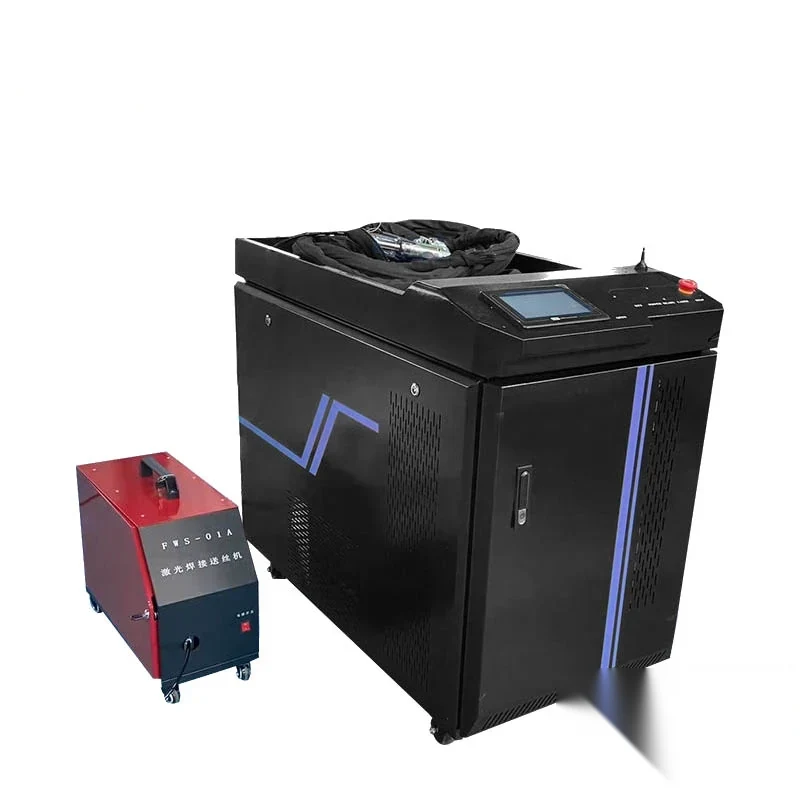
Laser Cleaning Metal Paint Coat Rust Removal Machine
This hand-held fiber laser cleaning machine strips rust, paint, oxide and oil film off metal without blasting media, chemicals or wire wheels. A Q-switched LD-fiber source delivers pulses at 10 to 50 kHz through a 5 m fiber to a hand-held scanning head, and the pulse energy lifts the contamination layer while leaving t...
What This Machine Does
This hand-held fiber laser cleaning machine strips rust, paint, oxide and oil film off metal without blasting media, chemicals or wire wheels. A Q-switched LD-fiber source delivers pulses at 10 to 50 kHz through a 5 m fiber to a hand-held scanning head, and the pulse energy lifts the contamination layer while leaving the parent metal underneath. Because the process is non-contact, it can be used on brittle and thin-walled surfaces that abrasive methods would dish or distort, and the scanning width is adjustable from 10 to 80 mm so the operator can match the beam to a weld seam or to a whole panel. Average power is selectable at 1000 W, 1500 W or 2000 W, and cleaning efficiency is rated at 12 square metres per hour. The machine runs from a 220 V single-phase supply at 50/60 Hz with a power consumption of 250 W, and can be air cooled or water cooled. There are no abrasives, solvents or filter media to buy, so the running cost is electricity and nothing else.
Why Buyers Choose This Machine
- Removes rust paint and oxide with no grit no chemicals and no consumables to reorder
- Non-contact process leaves brittle and thin-walled surfaces undamaged instead of dishing them
- Adjustable scanning width from 10 to 80 mm matches the beam to a weld seam or a full panel
- Precise positioning cleans only the area you target so masking work largely disappears
- Power selectable at 1000 W 1500 W or 2000 W so the machine is sized to the coating you remove
- Runs from an ordinary 220 V 50/60 Hz supply with 250 W power consumption
- No blast cabinet no media recovery and no chemical waste stream to dispose of
Where Laser Cleaning Metal Paint Coat Rust Removal Mac Earns Its Place
Problems It Solves
- Abrasive blasting needs a cabinet media handling and dust extraction that a small shop cannot justify
- Chemical stripping creates a waste stream that is expensive and increasingly restricted
- Wire brushing and grinding cut into the parent metal and change part dimensions
- Masking around a small area to be cleaned often takes longer than cleaning it
- Blasting media contamination has to be cleaned out of the part before painting or welding
- Consumable cost for abrasives and solvents accumulates on every job
Who It Is For
- Fabrication and welding shops preparing surfaces before coating
- Mould and die shops that need rust and residue off without altering surface geometry
- Maintenance departments handling refurbishment of steel plant and structures
- Restoration and heritage workshops working on thin or brittle metal
- Distributors supplying surface preparation equipment to industrial customers
Application Scenarios
- Cleaning weld seams and heat scale before painting or coating
- Stripping old paint from steel structures and fabricated frames during refurbishment
- De-rusting tooling dies and moulds without changing the working surface
- Removing oil film and release agent from parts before bonding or welding
- Spot cleaning castings and machined parts where masking would be slower than the cleaning itself
- Restoration work on components where abrasive blasting would remove too much parent metal
Technical Detail
Technical Features
- LD-fiber laser source with Q-switched pulse formation
- Hand-held scanning cleaning head on a 5 m fiber
- Average power selectable at 1000 W 1500 W or 2000 W
- Pulse frequency range 10 to 50 kHz
- Scanning width adjustable from 10 to 80 mm
- Expected focal distance 160 mm
- Air cooling or water cooling configuration
- 220 V 50/60 Hz input with 250 W power consumption
- Rated cleaning efficiency of 12 square metres per hour
Specifications
| Machine type | Hand-held fiber laser cleaning machine |
|---|---|
| Models | 1 kW / 1.5 kW / 2 kW |
| Laser type | LD-fiber |
| Pulse formation | Q-switched |
| Average power | 1000 W / 1500 W / 2000 W |
| Pulse frequency range | 10-50 kHz |
| Cleaning efficiency | 12 m2/h |
| Scanning width | 10-80 mm |
| Expected focal distance | 160 mm |
| Fiber length | 5 m |
| Cooling | Air cooling or water cooling |
| Input power | 220 V 50/60 Hz |
| Power consumption | 250 W |
| Technical support | Lifetime free technical support and online engineer support |
Figures above are taken from the product information we hold. Send us your application and we will confirm the exact specification for the model quoted.
How It Is Built and What Can Be Changed
Operations Performed
- Laser cleaning
- Rust removal
- Paint and coating removal
- Oxide and oil film removal
- Surface preparation
Materials Handled
- Steel
- Rubber
Quality Control
- Laser output power measured against the rated 1000 W 1500 W or 2000 W setting before shipment
- Pulse frequency checked across the 10 to 50 kHz range
- Scanning head sweep verified over the full 10 to 80 mm width
- Cooling circuit and fiber routing inspected on the assembled machine
- Sample cleaning trial run on a rusted and a painted test coupon before packing
Customisation Options
- Power level chosen at 1 kW 1.5 kW or 2 kW according to the coating thickness you remove
- Air cooled or water cooled configuration selected for your ambient conditions
- Supply voltage and plug type set for your market
- Fiber length and head handle specified for your working reach
- Operating language and manual prepared for your operators
How It Compares With the Alternatives
| Abrasive blasting | Blasting needs media a cabinet and dust extraction and leaves grit in the part; laser cleaning consumes only electricity and leaves nothing to clean out afterwards |
|---|---|
| Chemical stripping | Chemical strippers work but generate a regulated waste stream and dwell time; the laser removes coating immediately with no liquid to handle |
| Wire brushing and grinding | Mechanical methods cut into the parent metal and change dimensions; the laser removes the contamination layer without touching the part |
| XAIMC high-speed laser cutting equipment | Cutting machines separate material; this machine is a surface process and removes only the coating layer |
Running the Machine
Step 1
Connect the machine to a 220 V 50/60 Hz supply and confirm the cooling circuit is running
Step 2
Set the power level and pulse frequency for the coating you are removing
Step 3
Set the scanning width to suit the area, narrow for weld seams and wide for panels
Step 4
Hold the head at the expected focal distance of 160 mm from the surface
Step 5
Run a test pass on a scrap area and check that the coating lifts without marking the parent metal
Step 6
Work in overlapping passes across the surface, keeping the head speed steady
Step 7
Use laser safety eyewear and extraction for the removed material for the whole operation
Other Machines in Laser Cutting Machines
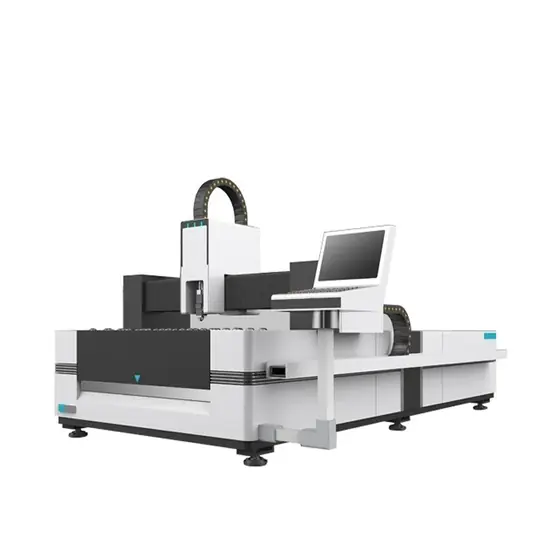
CNC Fiber Laser Cutting Machine for Metal and Stainless Steel
View Machine →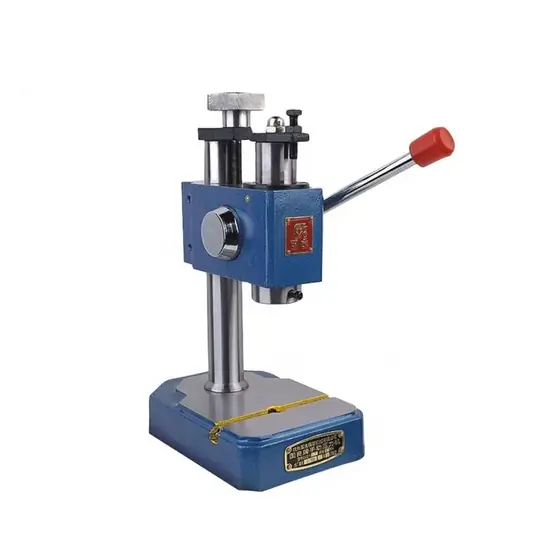
J01 Series Manual Mini Press J01-0.05 J01-0.2 and J03-0.6
View Machine →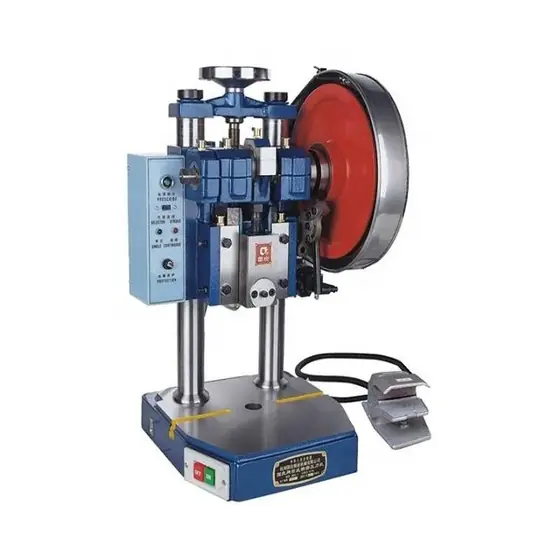
JB04 Series Table Small Press Machine
View Machine →
J21 Series Open Type Press Punching Machine
View Machine →Related Applications and Guides
Sheet Metal Fabrication
Sheet metal shops cut, bend, roll and form. XAIMC supplies shears press brakes plate rolls tube benders and fibre laser cutting across the manual to C
Questions About Laser Cleaning Metal Paint Coat Rust Removal
Which power level should I order?
It depends on the coating and how fast you need to work. 1 kW suits light rust and thin paint, 2 kW suits heavier coatings and larger areas. Send us photos of the surface and the coating type and we will recommend the power level.
Are there any consumables?
No. The process uses no abrasive media and no chemicals. Your running cost is electricity, and the machine consumes 250 W from a 220 V supply.
Will it damage the metal underneath?
The process is non-contact and is used on brittle material surfaces for exactly that reason. Set the power and speed on a test area first, as with any surface process.
What voltage does it need?
Standard input is 220 V at 50 or 60 Hz. Tell us your supply voltage and plug standard and we will configure the machine for your market.
Air cooling or water cooling?
Both are available. Air cooling is simpler to install, water cooling suits continuous work in hot ambient conditions. Tell us your workshop conditions and duty cycle.
How is the machine packed and shipped?
Machines are packed for export sea freight. We quote FOB CFR or CIF; tell us your destination port and we will quote the freight.
What are your payment terms?
30 percent by T/T on order and 70 percent before shipment, or an irrevocable L/C at sight.
Request a Quote on the Laser Cleaning Metal Paint Coat Rust Removal
Send us the work you need it to do, the voltage on your site and the port you ship to. We will come back with the model, the tooling and the lead time.