
- Composter-News
Why Compost?
Food scraps are a valuable resource, and composting has many benefits. When diverted from a landfill to an industrial compost facility, food scraps are converted into compost, a nutrient-rich soil amendment that helps the overall health of the soil.
Composting is the most practical and sustainable way to handle food scraps and yard waste. Composting returns organic matter to the soil in a usable form. Organic matter in the soil improves plant growth by helping to break up heavy clay soils and improving their structure, adding water and nutrient-holding capacity to sandy soil, and by adding essential nutrients to any soil. Improving your soil is the first step toward improving the health of your plants. Additionally, compost absorbs three times the amount of water than untreated standard soil, acts as a water filter (helping watersheds, water runoff, etc.), and improves soil structure and porosity.
Food scraps and food waste should be sent to an industrial compost facility rather than a landfill. This includes waste from fruits, vegetables, meats, dairy products, fish, shellfish, nuts, seeds, grains, coffee grounds and similar material that results from the storage, preparation, cooking, handling, selling or serving of food.
Yard wastes, such as fallen leaves, grass clippings, weeds and the remains of garden plants, make excellent compost. Woody yard wastes can be clipped and sawed down to a size useful for the wood stove or fireplace or they can be run through a shredder for mulching and path-making. Used as a mulch or for plants, they will eventually decompose and become compost.
- Healthy plants help clean our air and conserve our soil, making our communities healthier places to live.
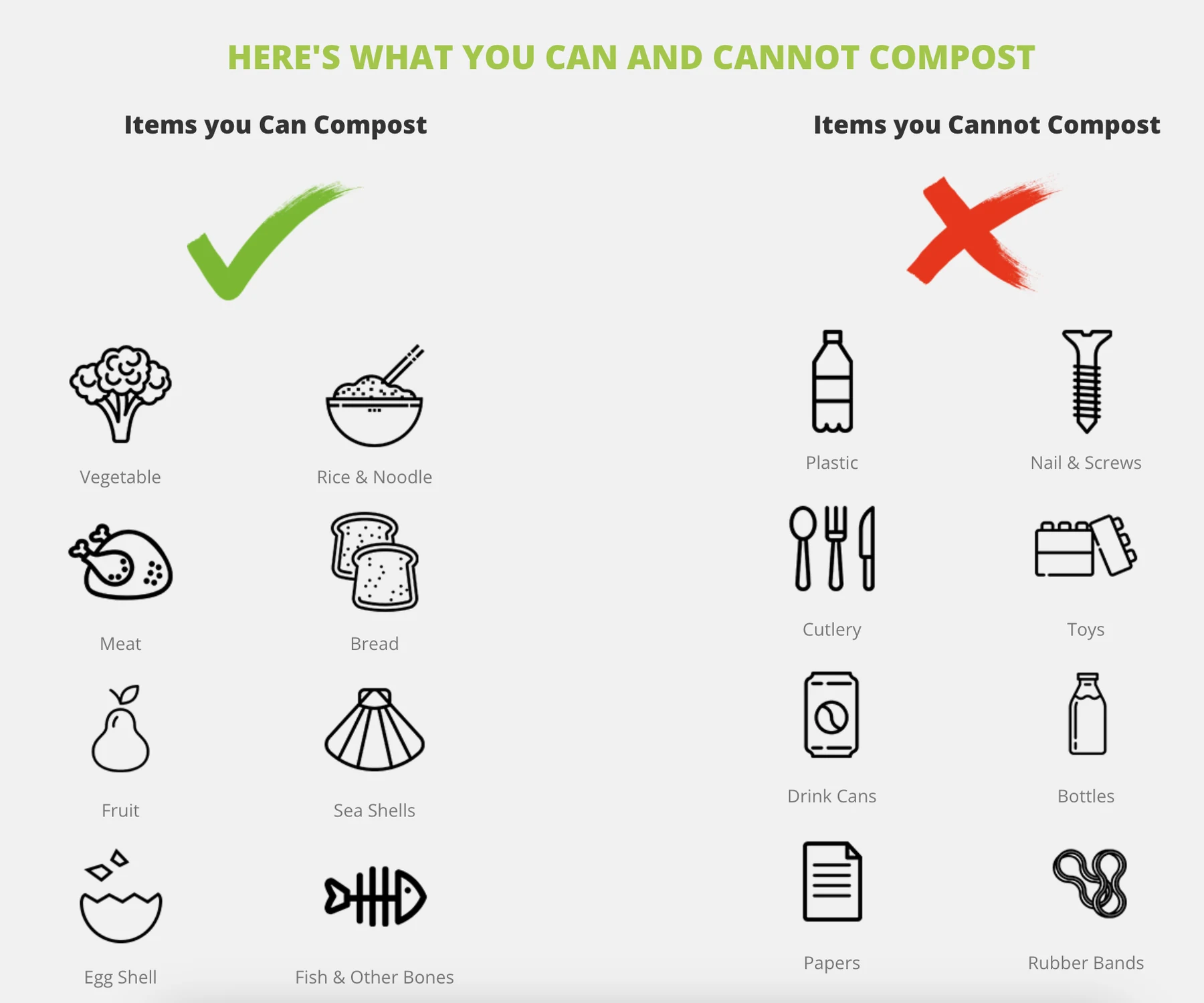
- What Can You Compost?
- Anything that was once living can be composted.
Home vs. Industrial Composting
While all organic material will eventually break down and biodegrade, the rates at which different materials compost is important to consider when discarding your organic waste. Use the information below to decide if your organic waste is fit for home composting, or if it should be sent to an industrial compost facility.
When waste enters a landfill, it will be layered on top of other waste and then covered. Over time, as new waste material is added, the contents of a landfill compact. Because landfills are an anaerobic (without oxygen) environment, nothing can fully biodegrade as there are no microbes, heat, or oxygen to provide energy to the processes of biodegradation.
When food waste or other organic material enters a landfill it will not biodegrade – organic material will be preserved for posterity within a landfill. Over time, organic material will decompose slighty and in the process off gas methane (a harmful greenhouse gas, 23 times as potent as carbon dioxide).
Because organic waste cannot fully biodegrade inside a landfill, the carbon and nutrients contained in the waste material is lost – buried for hundreds (if not thousands) of years. Composting and other organic recycling methods are the ideal way to dispose of organic waste. When diverted from a landfill to an industrial compost facility, food scraps will convert into compost, a nutrient rich soil amendment helping the overall health of the soil. Additionally, compost absorbs three times the amount of water than untreated standard soil, acts as a water filter (helping watersheds, water runoff, etc.), and improves soil structure and porosity.
- Home Composting
- The following items can be composted at home
- Yard waste such as leaves, grass clippings, branches, etc.
- Some food waste (peels, cores, trimmings, etc.)
- Industrial Composting
- The following items can be composted in an industrial composting facility
- Yard waste such as leaves, grass clippings, branches, etc.
- Food waste
- Other organic waste
- Certified compostable packaging*
- Certified compostable foodservice packaging*
- Quick View
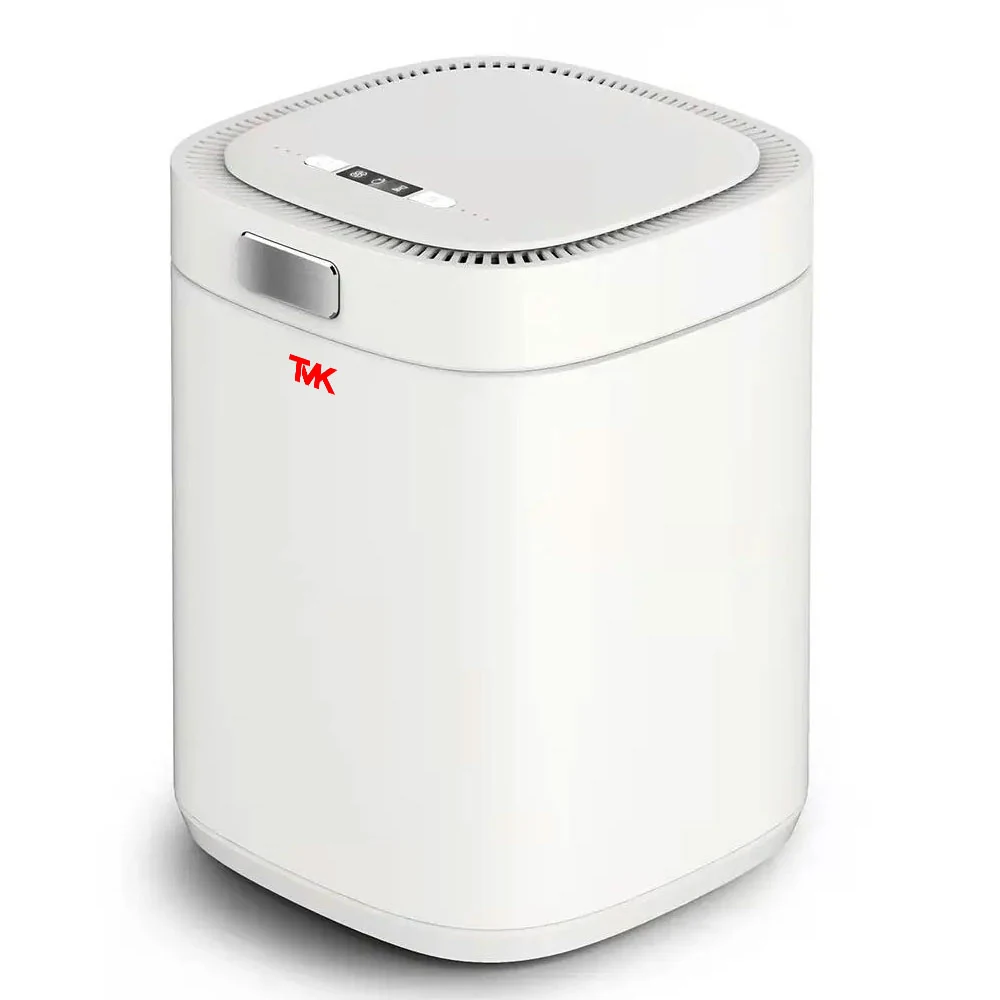
- Food Waste Disposer Machine
- Quick View
- TMK-100 Food Waste Compost Machine
- What happens in a Landfill?
- In a landfill, waste is preserved for posterity! Nothing fully biodegrades in a landfill.